
콘텐츠로 건너뛰기
Atlas Anatolia
디그
뉴스술라웨시 빙하기 치아에서 빈랑 사용 25,000년 전까지 소급카스타모누 폼페이오폴리스 바실리카에서 로마 모자이크와 에로스 두상 발견
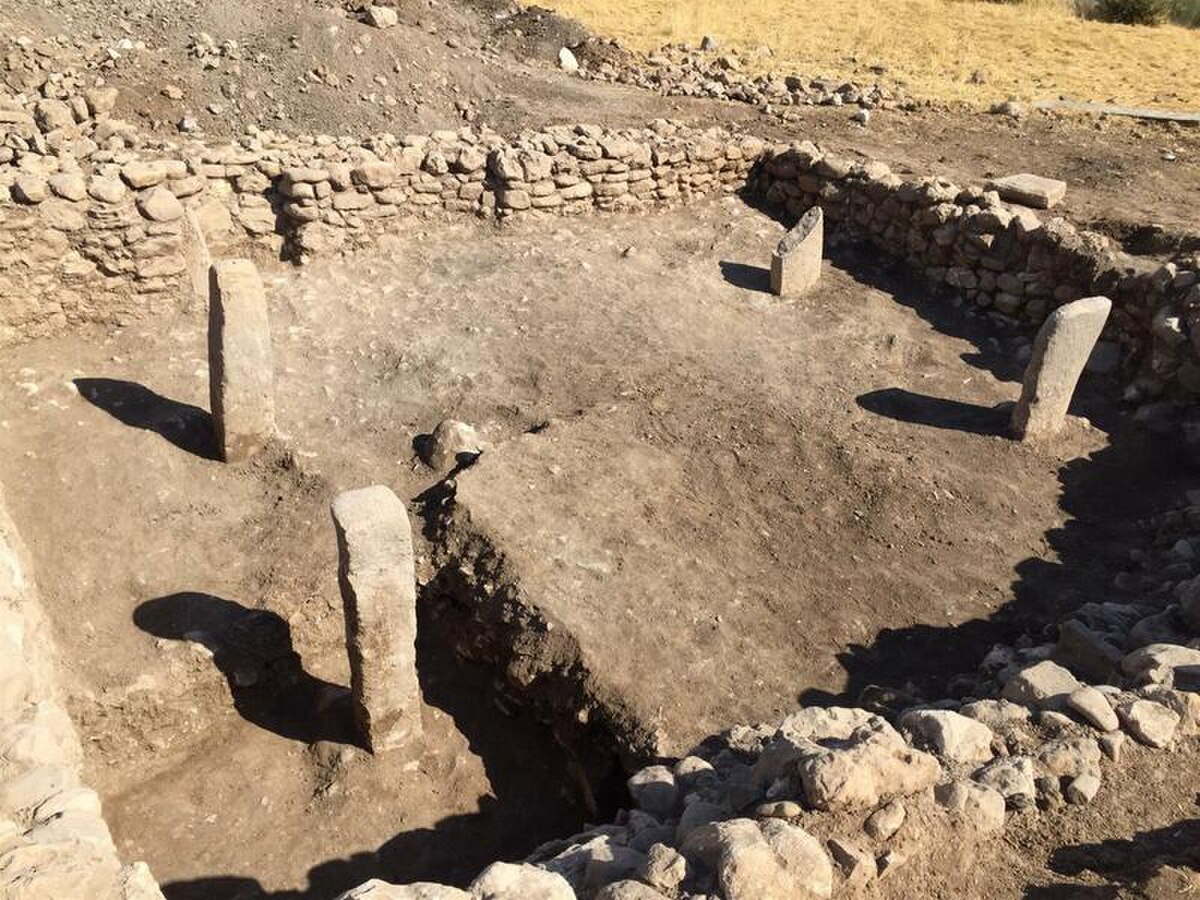
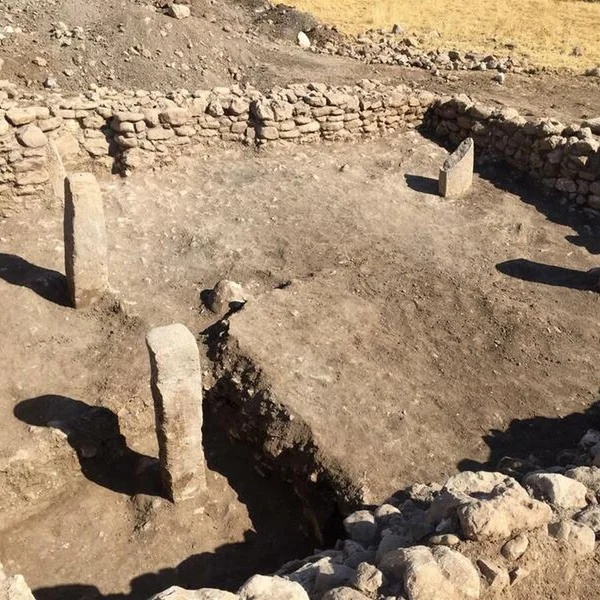
Boncuklu Tarla excavation site

Wikimedia Commons (CC BY-SA)

Continent Record

Earliest Known Site in Asia

정착지주요

Boncuklu Tarla

Seyfi Cem Baskin

10000 기원전 – 7000 기원전

A Pre-Pottery Neolithic settlement in Batman province whose earliest layers may predate Göbekli Tepe, featuring communal buildings, bead workshops, and evidence of early ritual practices that illuminate the dawn of settled life in Upper Mesopotamia.

321
관심 44

위치

Batman · Southeastern Anatolia · 튀르키예

37.86°N · 41.12°E · 아시아

Period

Pre-Pottery Neolithic A/B, ca. 10,000–7,000 BCE

Discovery

Excavated 2012–2019 as part of Ilısu Dam salvage project

Beads

Tens of thousands of stone beads from chlorite, agate, steatite

Significance

Potentially contemporary with or older than Göbekli Tepe

Ritual

Communal buildings with carved pillars and skull deposits

Threat

Partially submerged by Ilısu Dam reservoir

Graphite pencil sketch banner of Boncuklu Tarla

“Boncuklu Tarla is rewriting the timeline of the Neolithic Revolution in Upper Mesopotamia.”

위키백과에서

Boncuklu Tarla is a Pre-Pottery Neolithic settlement in Batman province, Turkey, with layers potentially older than Göbekli Tepe, famous for thousands of stone beads and communal ritual buildings.

위키백과에서 전체 기사 읽기 →

위치

개요

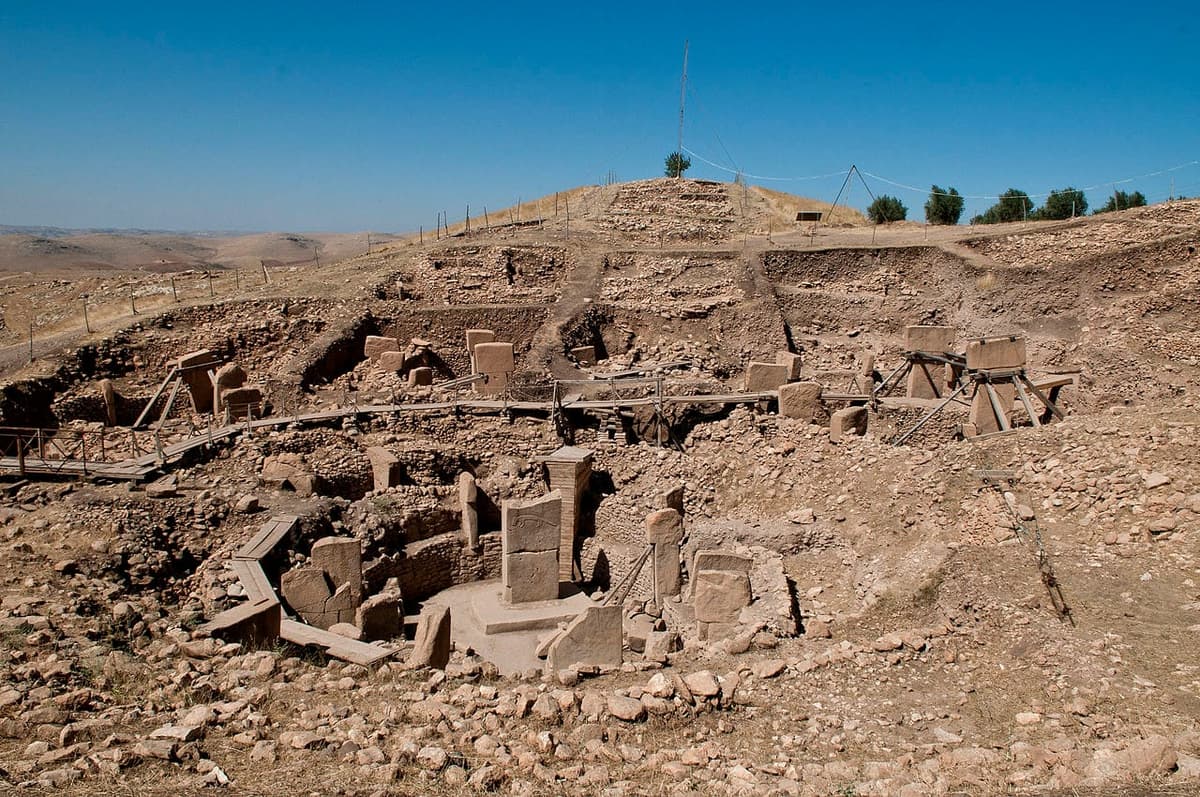
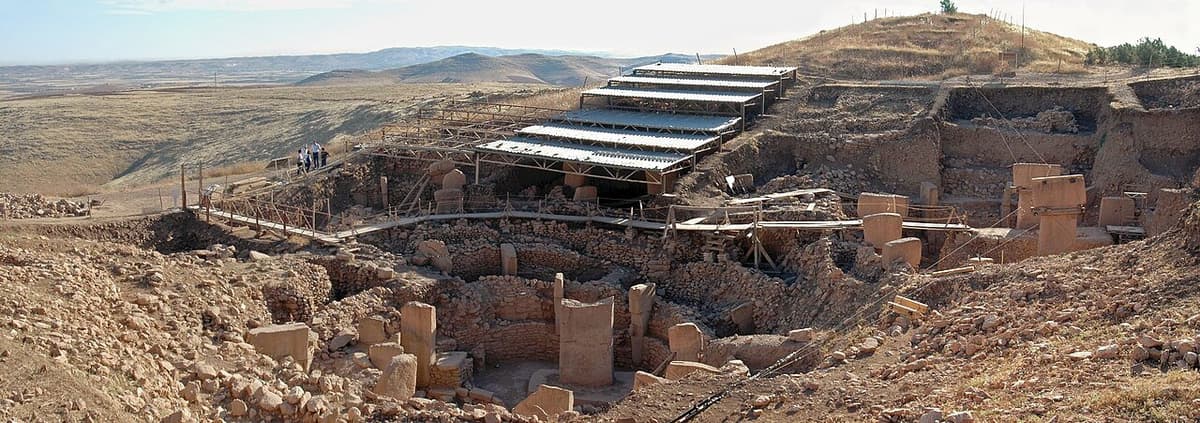
Boncuklu Tarla sits on the banks of the Batman River in southeastern Anatolia, a seemingly modest mound that has yielded one of the most significant prehistoric discoveries of the 21st century. Excavations beginning in 2012, conducted as part of the Ilısu Dam salvage project, revealed a Pre-Pottery Neolithic settlement whose earliest occupation layers stretch back to approximately 10,000 BCE — potentially making it contemporary with or even older than the earliest phases at Göbekli Tepe.

The site's name, meaning "Beaded Field" in Turkish, derives from the extraordinary quantities of stone beads discovered across the settlement. Tens of thousands of beads crafted from chlorite, steatite, agate, and other semi-precious stones point to intensive craft production and long-distance exchange networks that connected communities across the Fertile Crescent during this transformative period. The beads were not merely decorative — many were found in ritualized deposits, suggesting they held deep symbolic meaning.

"In the land of the Tigris, ancient peoples built with stone before the potter's wheel, leaving circles for the gods."
— Strabo, Geographica (c. 20 CE)

At the heart of the settlement stand communal buildings distinguished by their scale and internal features. These structures contain stone benches, carved pillars, and elaborate floor installations that recall the monumental architecture of Göbekli Tepe and Karahantepe, though on a more intimate scale. The presence of human skull deposits within some buildings aligns with the widespread Neolithic practice of ancestor veneration documented across the region.

The subsistence evidence reveals a community in transition. Wild plant remains and animal bones show that the inhabitants relied primarily on hunting and gathering, yet early experiments with plant cultivation suggest Boncuklu Tarla witnessed some of the first steps toward agriculture. The site thus captures the very moment when human societies began their transformation from mobile foragers to settled farmers — one of the most consequential transitions in all of human history.
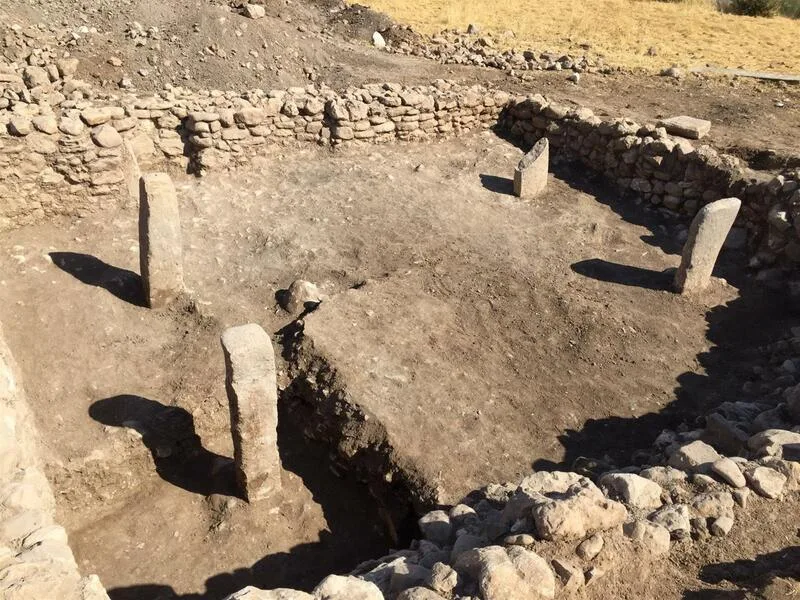
Boncuklu Tarla, Dargecit Neolithic temple
Boncuklu Tarla, Dargecit Neolithic temple | AA (CC0)

Tragically, significant portions of the site now lie beneath the rising waters of the Ilısu Dam reservoir, making the excavated evidence all the more precious. What has been recovered paints a picture of a vibrant Neolithic community engaged in craft specialization, ritual practice, and the nascent experiments that would eventually reshape human civilization.
중요성

Boncuklu Tarla is rewriting the timeline of the Neolithic Revolution in Upper Mesopotamia. Its early dates challenge the assumption that Göbekli Tepe was a singular phenomenon, suggesting instead that multiple communities across the region were simultaneously developing monumental architecture and complex ritual practices. The site's extraordinary bead production demonstrates that specialized craft economies and long-distance trade networks existed thousands of years before the first cities. As one of the final sites excavated before the Ilısu Dam flooding, Boncuklu Tarla represents both an irreplaceable archaeological treasure and a sobering reminder of the heritage lost to modern development.

증거와 해석

확립된 사실과 논쟁 중인 사항을 구분합니다.

잘 확립된 사실

3
  • Radiocarbon dates from the lowest occupation layers place the earliest settlement at approximately 10,000 BCE, contemporary with or possibly predating the earliest phases at Göbekli Tepe.
  • Tens of thousands of stone beads made from chlorite, steatite, and agate were recovered, along with unfinished beads and drilling tools confirming on-site production.
  • Communal buildings with stone benches, carved elements, and ritual deposits including human skulls have been archaeologically documented across multiple excavation seasons.

학술적 추론

2
  • The volume and variety of bead production suggests participation in long-distance exchange networks spanning Upper Mesopotamia during the Pre-Pottery Neolithic.
  • Archaeobotanical remains indicate early experiments with plant cultivation alongside continued reliance on wild resources, placing the site at the transition to agriculture.

논쟁 중인 해석

1
  • Whether Boncuklu Tarla represents an independent development of monumental communal architecture or was part of an interconnected cultural network including Göbekli Tepe and Karahantepe remains under investigation.

발견과 발굴

2012–2019

Ilısu Dam salvage excavations

지휘 Ergül Kodaş

Mardin Museum-led rescue excavations revealed a major Pre-Pottery Neolithic settlement with communal buildings, massive bead deposits, and early cultivation evidence before the site was partially flooded.

2012

Initial discovery of communal structures

First season uncovered large communal buildings with stone benches and carved architectural elements reminiscent of Göbekli Tepe.

2015

Bead workshop identification

Excavations revealed specialized bead production areas with unfinished beads, raw materials, and stone drilling tools, establishing the site as a major craft center.

2017

Skull deposit discoveries

Human skull deposits found within communal buildings, consistent with Neolithic ancestor veneration practices documented across the Fertile Crescent.

2019

Final season before flooding

Last excavation campaign recovered critical stratigraphic evidence and radiocarbon samples before rising dam waters reached the site.

커뮤니티 사진

당신의 경험을 공유하세요

이 유적지를 방문하셨나요? 다른 탐험가들을 위해 사진을 업로드해 보세요.

관련 이야기

이 페이지 인용 방법

Atlas Anatolia. (10000). Boncuklu Tarla. Atlas Anatolia. https://atlasanatolia.com/ko/site/boncuklu-tarla

콘텐츠는 CC BY-SA 4.0 라이선스에 따라 제공됩니다 — 재사용 시 출처 표시가 필요합니다.

그래프

관련 유적지와 스토리로의 연결.

출처

  • Boncuklu Tarla: A PPN Site in Southeast Turkey — Ergül Kodaş et al. (2020)
  • New Neolithic Discoveries at Boncuklu Tarla — Ergül Kodaş (2019)
  • Wikipedia — Boncuklu Tarla링크

자주 묻는 질문

Boncuklu Tarla은(는) 어디에 위치해 있나요?

Boncuklu Tarla은(는) Batman, Southeastern Anatolia, Türkiye에 위치해 있습니다.

Boncuklu Tarla의 연대는 언제인가요?

Boncuklu Tarla의 연대는 대략 10000 기원전 – 7000 기원전로 거슬러 올라갑니다.

Boncuklu Tarla과(와) 관련된 고대 문명은 무엇인가요?

Boncuklu Tarla은(는) Pre-Pottery Neolithic 문명과 관련이 있습니다.

Boncuklu Tarla이(가) 중요한 이유는 무엇인가요?

Boncuklu Tarla is rewriting the timeline of the Neolithic Revolution in Upper Mesopotamia.

Boncuklu Tarla은(는) 유네스코 세계유산인가요?

Boncuklu Tarla은(는) 현재 유네스코 세계유산 목록에 등재되어 있지 않습니다.