
콘텐츠로 건너뛰기
Atlas Anatolia
디그
뉴스술라웨시 빙하기 치아에서 빈랑 사용 25,000년 전까지 소급카스타모누 폼페이오폴리스 바실리카에서 로마 모자이크와 에로스 두상 발견
Karahan Tepe — Türkiye

Wikimedia Commons (CC BY-SA)

Continent Record

Oldest Sanctuary in Asia

성소주요

Karahan Tepe

Seyfi Cem Baskin

9500 기원전 – 7800 기원전

Karahan Tepe is a Pre-Pottery Neolithic settlement in southeastern Türkiye, contemporaneous with Göbekli Tepe, featuring monumental architecture and ritual enclosures.

621
관심 76

위치

Şanlıurfa · Southeastern Anatolia · 튀르키예

37.08°N · 39.27°E · 아시아

Built

9500–7800 BCE (Pre-Pottery Neolithic A–B)

Location

Şanlıurfa Province, Türkiye, in the Tektek Mountains

Area

Approximately 325,000 square metres

Key Features

T-shaped pillars, phallic pillar chamber, carved human head

Excavation Director

Prof. Necmi Karul (Istanbul University, since 2019)

Site Context

Part of the Taş Tepeler project, a concentration of Neolithic sites

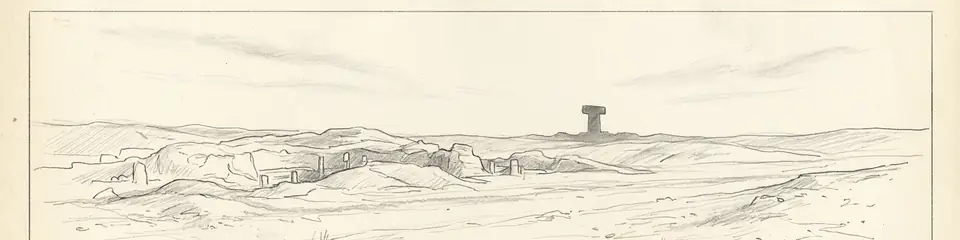
Graphite pencil sketch banner of Karahan Tepe

“Karahan Tepe demonstrates that complex monumental construction and symbolic behavior emerged among hunter-gatherer societies earlier than previously thought.”

위치

개요

Location and Discovery

Karahan Tepe lies within the Tek Tek Mountains of Şanlıurfa Province, Türkiye, approximately 37 km east of Göbekli Tepe. The site was first identified during a regional survey by Bahattin Çelik in 1997, but systematic excavations only commenced in 2019 under the direction of Necmi Karul as part of the Taş Tepeler project. Covering an area of roughly 325,000 square meters, it represents one of the largest known Pre-Pottery Neolithic settlements in Upper Mesopotamia.

Architectural Features

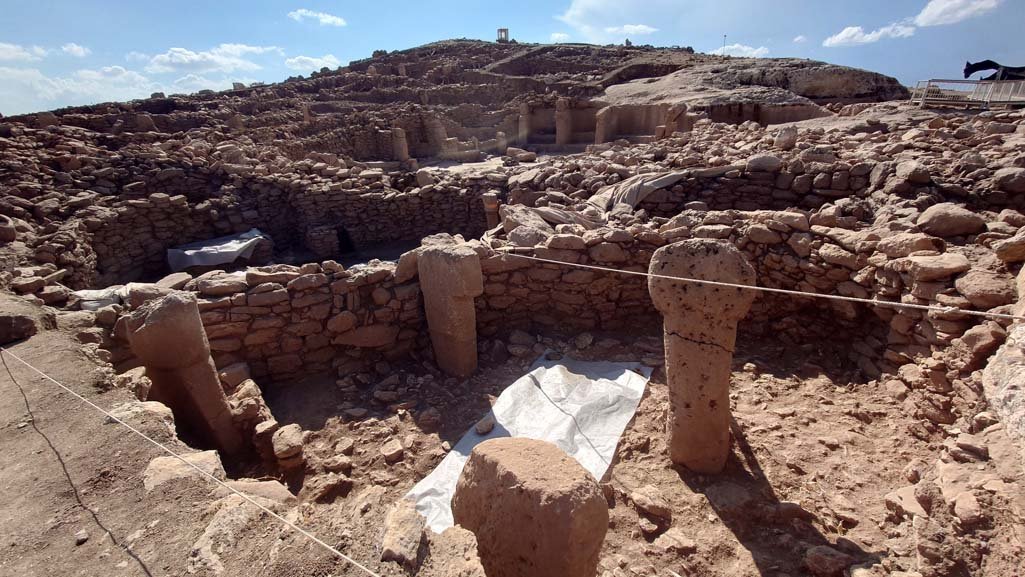
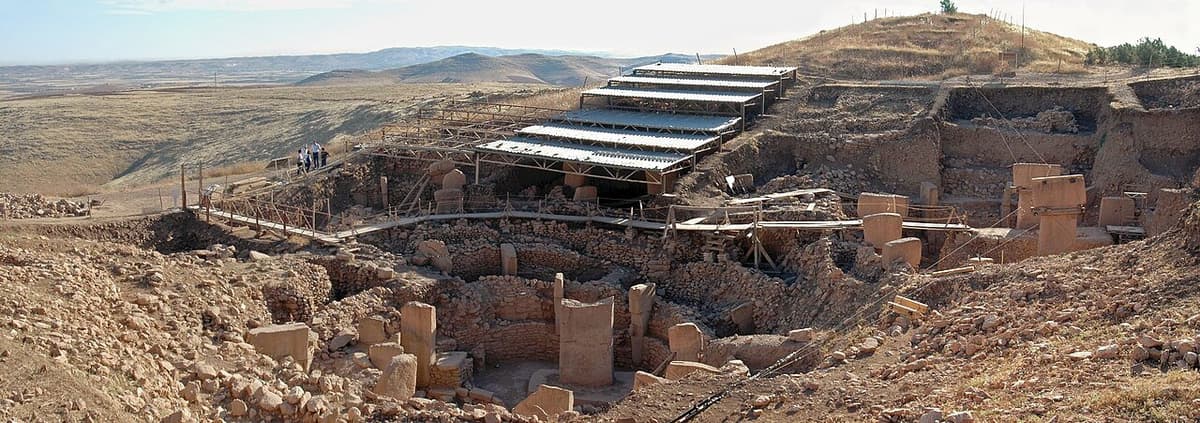
The site’s most striking elements are the T-shaped limestone pillars, many adorned with animal reliefs, akin to those at Göbekli Tepe. A unique feature is a subterranean chamber carved into the bedrock, containing eleven upright pillars interpreted as phallic symbols, surrounded by a bench. Another notable find is a sculpted human head emerging from a wall, suggesting intricate symbolic expression. The enclosures were constructed by digging into the slope and lining the walls with stone, incorporating benches and pillars.
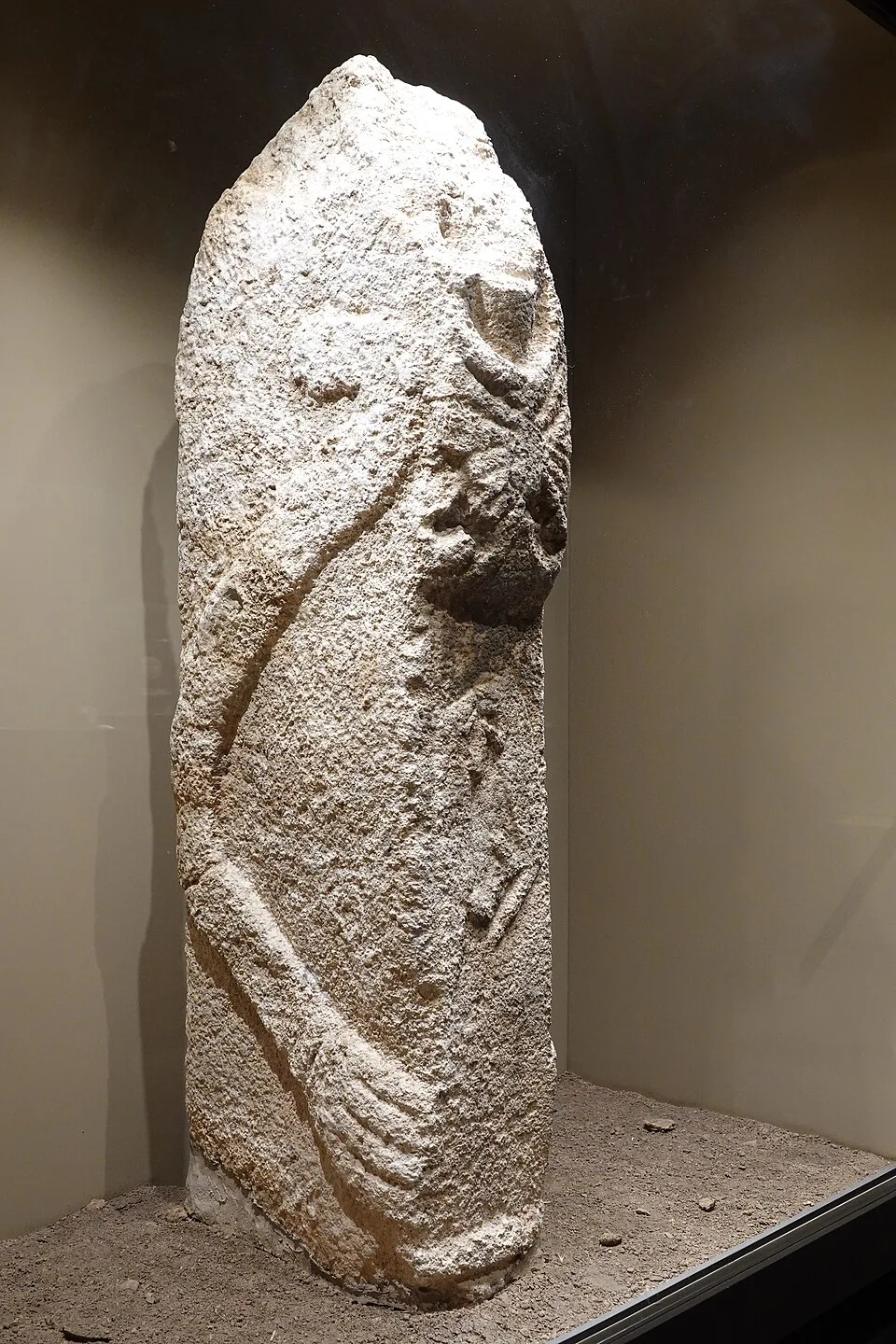
Karahan Tepe stela. Şanlıurfa - Archeology Museum, July 2025
Karahan Tepe stela. Şanlıurfa - Archeology Museum, July 2025 | Marco Restano (CC BY-SA 4.0)
"What we are seeing at Karahan Tepe and the other sites around Göbekli Tepe is that monumental stone architecture was not the work of a single isolated community — it was the product of an entire ritual landscape, predating agriculture itself."
— Necmi Karul, Director of the Karahan Tepe excavation, Istanbul University, 2021

Symbolism and Ritual

The concentration of phallic imagery and anthropomorphic representations points to complex ritual practices. The absence of domestic debris in the excavated areas indicates these were specialized ceremonial spaces. The intentional burial of some structures over time mirrors the pattern at Göbekli Tepe, hinting at cyclical or transformative ritual use. Animal depictions—snakes, foxes, and birds—likely held cosmological significance for the hunter-gatherer communities.
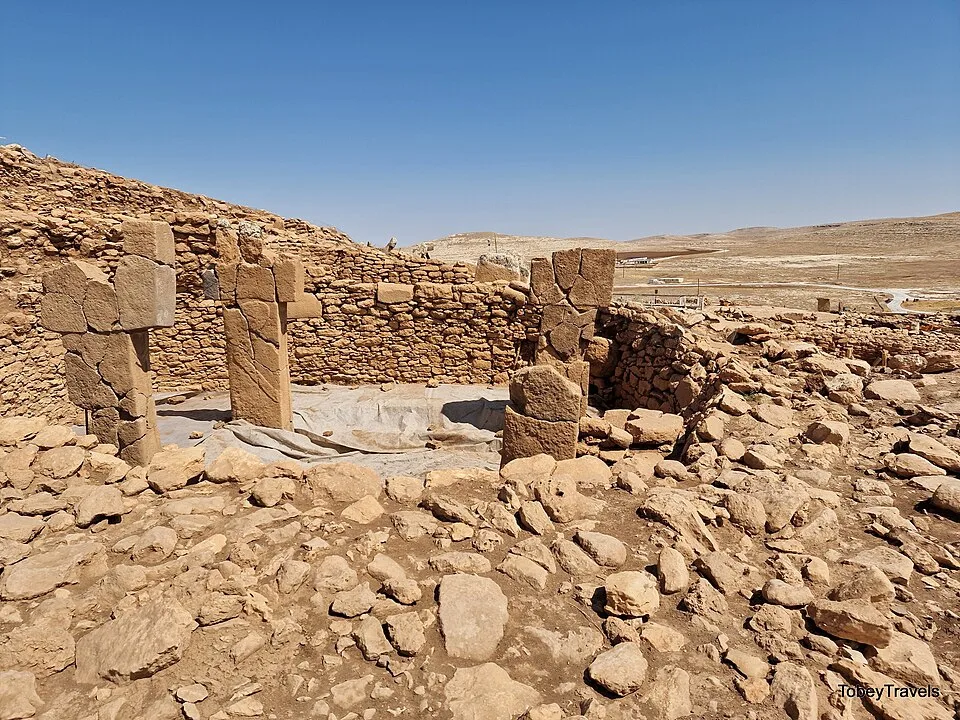
Enclosure with T Shaped Pillars, Karahantepe (Karahan Tepe), Turkey (2)
Enclosure with T Shaped Pillars, Karahantepe (Karahan Tepe), Turkey (2) | tobeytravels (CC BY-SA 4.0)

Chronological and Cultural Context

Radiocarbon dates place Karahan Tepe’s occupation between 9500 and 7800 BCE, spanning the Pre-Pottery Neolithic A and B periods. This makes it contemporaneous with the later phases of Göbekli Tepe and possibly earlier than its earliest enclosures. The site challenges traditional narratives that position the development of monumental architecture as a byproduct of agriculture, demonstrating instead that complex social organization and symbolic systems predate the Neolithic Revolution.
중요성

Karahan Tepe demonstrates that complex monumental construction and symbolic behavior emerged among hunter-gatherer societies earlier than previously thought. It redefines the transition to social complexity in the Neolithic period.

증거와 해석

확립된 사실과 논쟁 중인 사항을 구분합니다.

잘 확립된 사실

6
  • T-shaped limestone pillars with animal reliefs, similar to Göbekli Tepe.
  • A subterranean chamber containing eleven upright phallic pillars carved from bedrock.
  • A human head sculpture carved in high relief protruding from a wall.
  • Structures were intentionally buried, as at Göbekli Tepe.
  • Absence of domestic structures in the excavated sectors, indicating non-residential use.
  • In August 2026 the Taş Tepeler team announced a roughly 70 cm sculpture of a human figure on a leopard from Karahan Tepe.

학술적 추론

2
  • The site served as a regional ritual centre for surrounding mobile groups.
  • Construction required coordinated labour and a shared symbolic system.

논쟁 중인 해석

1
  • The relationship between Karahan Tepe and Göbekli Tepe—whether contemporaneous, earlier, or a different cultural expression.

발견과 발굴

1997

Regional Survey Discovery

지휘 Bahattin Çelik

Site identified during surface survey; collection of flint tools and recognition of T-shaped pillar tops.

2019

First Systematic Excavations

지휘 Necmi Karul (Istanbul University)

Large-scale excavations commence under the Taş Tepeler project, revealing monumental enclosures and the phallic pillar chamber.

2020–2024

Ongoing Excavations and Public Outreach

지휘 Necmi Karul and team

Continued exposure of structures, conservation, and integration into Şanlıurfa Neolithic heritage route.

커뮤니티 사진

당신의 경험을 공유하세요

이 유적지를 방문하셨나요? 다른 탐험가들을 위해 사진을 업로드해 보세요.

관련 이야기

이 페이지 인용 방법

Atlas Anatolia. (9500). Karahan Tepe. Atlas Anatolia. https://atlasanatolia.com/ko/site/karahan-tepe

콘텐츠는 CC BY-SA 4.0 라이선스에 따라 제공됩니다 — 재사용 시 출처 표시가 필요합니다.

그래프

관련 유적지와 스토리로의 연결.

출처

  • Karahan Tepe: The First Results of Excavations — Necmi Karul (2021)링크
  • Göbekli Tepe and the 'Temple A' of Karahan Tepe — Jens Notroff, Oliver Dietrich & Klaus Schmidt (2016)링크
  • Karahan Tepe: A New Pre-Pottery Neolithic Site in Şanlıurfa — Bahattin Çelik (2011)링크
  • Taş Tepeler Project Official Site — Şanlıurfa Archaeology Museum (2023)링크

자주 묻는 질문

Karahan Tepe은(는) 어디에 위치해 있나요?

Karahan Tepe은(는) Şanlıurfa, Southeastern Anatolia, Turkey에 위치해 있습니다.

Karahan Tepe의 연대는 언제인가요?

Karahan Tepe의 연대는 대략 9500 기원전 – 7800 기원전로 거슬러 올라갑니다.

Karahan Tepe과(와) 관련된 고대 문명은 무엇인가요?

Karahan Tepe은(는) Pre-Pottery Neolithic 문명과 관련이 있습니다.

Karahan Tepe이(가) 중요한 이유는 무엇인가요?

Karahan Tepe demonstrates that complex monumental construction and symbolic behavior emerged among hunter-gatherer societies earlier than previously thought.

Karahan Tepe은(는) 유네스코 세계유산인가요?

Karahan Tepe은(는) 현재 유네스코 세계유산 목록에 등재되어 있지 않습니다.