
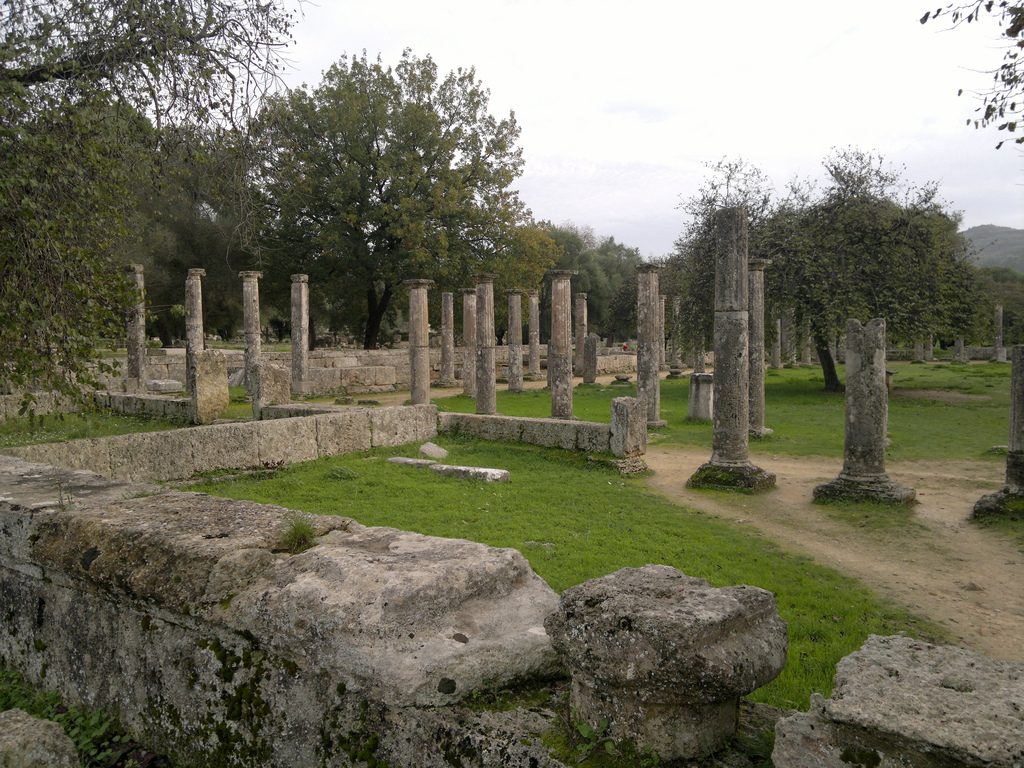
コンテンツへスキップ
Atlas Anatolia
ニュースIce Age teeth in Sulawesi push betel-nut use back as far as 25,000 yearsRoman mosaic and Eros head uncovered in the basilica at Pompeiopolis, Kastamonu
Olympia — Greece

Wikimedia Commons (CC BY-SA)

聖域UNESCO注目

Olympia

Seyfi Cem Baskin

Ὀλυμπία776 紀元前 – 393 西暦

Ancient sanctuary of Zeus and birthplace of the Olympic Games, hosting athletes and pilgrims from 776 BCE until its closure in 393 CE.

322
関心 79

所在地

Elis · Peloponnese · ギリシャ

37.64°N · 21.63°E · ヨーロッパ

Founded

10th century BCE as a sanctuary; traditional Olympic start 776 BCE

Civilization

Ancient Greek, later Roman

Discovered

1766 by Richard Chandler; systematic excavations from 1875

Status

UNESCO World Heritage Site since 1989

Abandoned

Games abolished 393 CE; site buried by 6th century

Location

Elis, Peloponnese, Greece

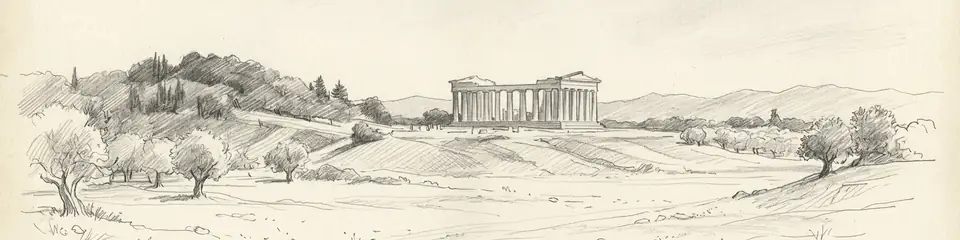
Graphite pencil sketch banner of Olympia

“Olympia embodies the intersection of religion, sport, and art in ancient Greece.”

所在地

概要

The Birthplace of the Olympic Games

Olympia, situated in the western Peloponnese, was not a city but a Panhellenic sanctuary dedicated to Zeus. The Olympic Games, traditionally founded in 776 BCE, transformed the site into a major religious and athletic centre, drawing competitors and spectators from across the Greek world every four years. The sacred truce (ekecheiria) ensured safe passage, fostering a shared Hellenic identity.

Architectural Splendour

The sanctuary's focal point was the Temple of Zeus (c. 470–456 BCE), housing Pheidias’ colossal gold-and-ivory statue, one of the Seven Wonders. Adjacent stood the older Temple of Hera. The Altis, the sacred grove, contained treasuries, altars, and statues. The stadium, which held 45,000 spectators, and the gymnasium and palaestra for training, illustrate the centrality of athletics.
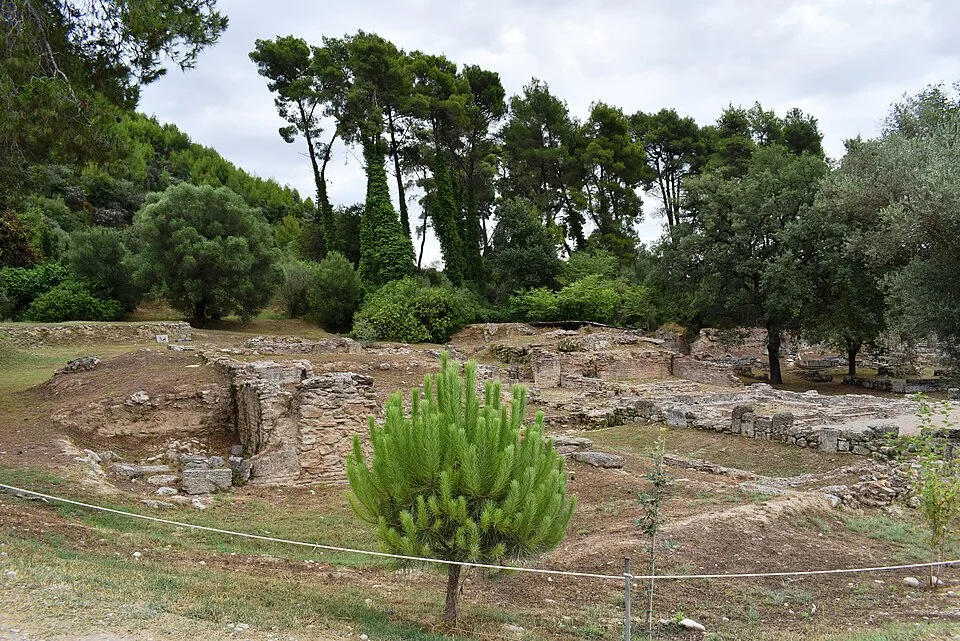
Archaeological Site of Ancient Olympia - 10
Archaeological Site of Ancient Olympia - 10 | Annatsach (CC BY-SA 4.0)
"Look not, in the bright daytime, for any other star warmer than the sun in the empty sky; nor let us sing of any games more illustrious than those at Olympia."
— Pindar, Olympian Ode 1, c. 476 BCE

Evolution and Roman Patronage

Under Roman rule, Olympia experienced a revival. Emperors like Nero and Hadrian added structures, including the Nymphaeum of Herodes Atticus. The games continued, but the site’s character gradually shifted from a purely religious festival to a more secular spectacle. By the 3rd century CE, declining attendance and economic pressures foreshadowed its end.
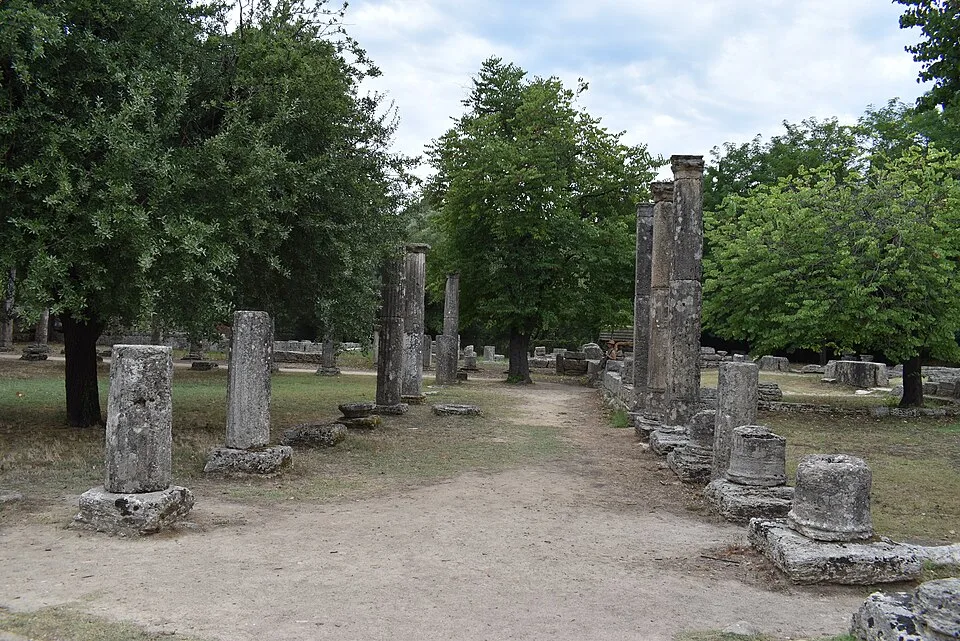
Archaeological Site of Ancient Olympia - 9
Archaeological Site of Ancient Olympia - 9 | Annatsach (CC BY-SA 4.0)

Decline and Abandonment

In 393 CE, Emperor Theodosius I banned pagan festivals, ending the Olympic Games after nearly 1,200 years. The sanctuary fell into disuse; earthquakes and river flooding buried it under alluvial silt. By the early medieval period, Olympia was largely forgotten, preserved only in historical accounts.

Rediscovery and Modern Excavations

Systematic excavations began in 1875 by the German Archaeological Institute under Ernst Curtius, unearthing many iconic works like the Hermes of Praxiteles and the Nike of Paionios. Continuous research has refined dating and contextualised the site’s development. Today, Olympia is a UNESCO World Heritage site and an enduring symbol of peace and human achievement.
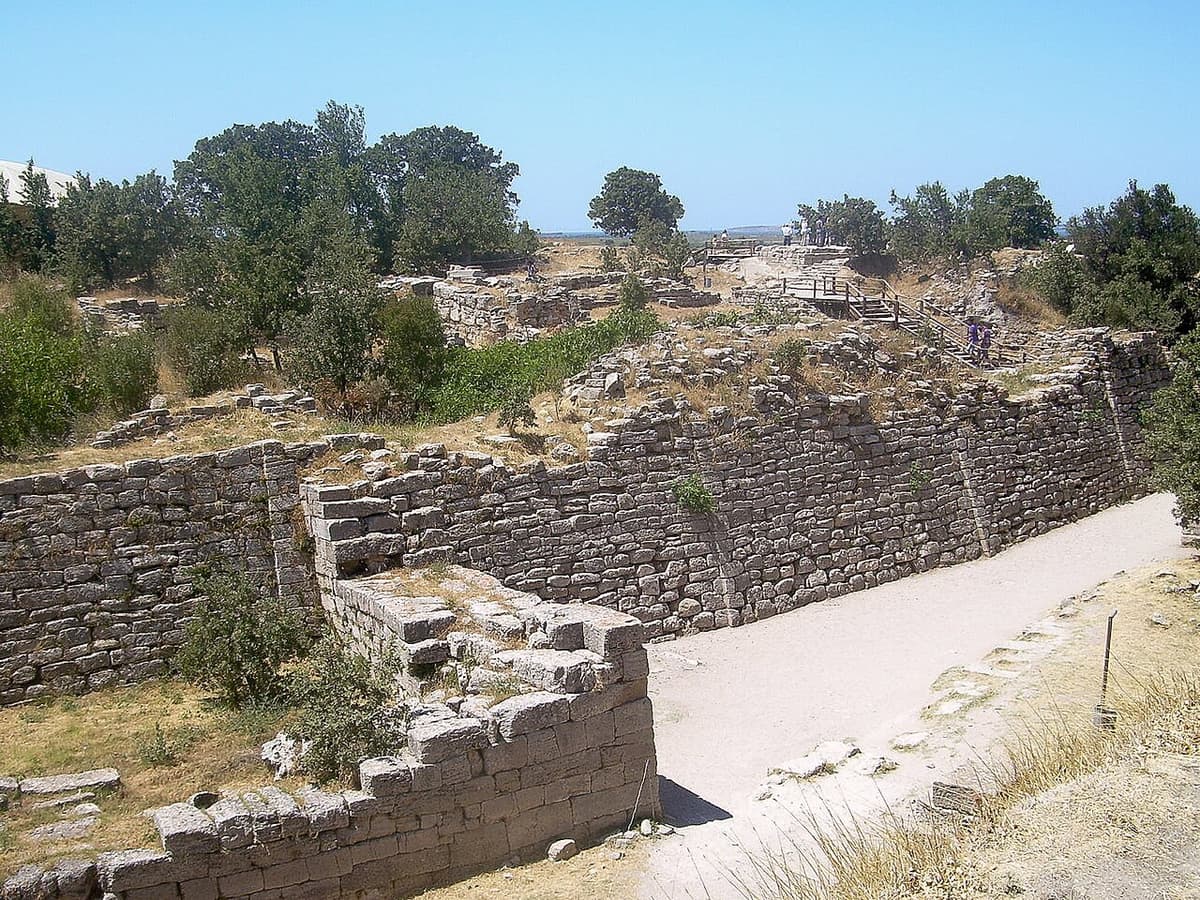
重要性

Olympia embodies the intersection of religion, sport, and art in ancient Greece. The Olympic Games fostered a panhellenic identity and the ideal of peaceful competition, while the sanctuary’s masterpieces set artistic standards. Its legacy directly inspired the modern Olympic movement, cementing its global significance.

証拠と解釈

確立された事実と議論が続く事柄を区別する。

確立された事実

3
  • The Temple of Zeus was constructed between 470 and 456 BCE, as dated by literary sources and architectural style.
  • The Olympic Games were abolished in 393 CE by decree of Theodosius I, documented in Byzantine chronicles.
  • The statue of Zeus by Pheidias was one of the Seven Wonders of the Ancient World and stood in the temple.

学術的推論

2
  • The site was likely used for cult activity before 776 BCE, as suggested by terracotta figurines and ash deposits.
  • The sacred truce (ekecheiria) probably facilitated not just athletic competition but also political negotiations among city-states.

議論のある解釈

2
  • The exact date of the first Olympic Games (776 BCE) is questioned by some scholars who argue for an earlier or later origin based on archaeological evidence.
  • The cause of the sanctuary's final abandonment—whether primarily due to Theodosian decrees, natural disasters, or gradual decline—remains a subject of discussion.

発見と発掘調査

1829–1829

French Morea expedition

指揮 Léon-Jean-Joseph Dubois and Abel Blouet

First partial excavation; removed metopes from the Temple of Zeus to the Louvre.

1875–1881

First systematic German excavations

指揮 Ernst Curtius

Under Ernst Curtius, uncovered the Temple of Zeus, Heraion, and many sculptures.

1936–1966

German School excavations

指揮 Emil Kunze, Alfred Mallwitz

Extensive work focusing on the stadium, workshops, and prehistoric remains; directed by Emil Kunze and Alfred Mallwitz.

2004

Digital Olympia Project

指揮 Various institutions

Advanced surveying, 3D reconstruction, and conservation planning by international teams.

コミュニティ写真

あなたの体験を共有する

この遺跡を訪れたことがありますか?写真をアップロードして魅力を共有しましょう。

関連記事

このページの引用方法

Atlas Anatolia. (776). Olympia. Atlas Anatolia. https://atlasanatolia.com/ja/site/olympia

コンテンツはCC BY-SA 4.0ライセンスの下で提供されています — 再利用の際は出典表示が必要です。

グラフ

関連する遺跡やストーリーへのつながり。

出典

  • Miller (2004), Ancient Greek Athletics — Stephen G. Miller (2004)
  • Valavanis (2004), Games and Sanctuaries in Ancient Greece: Olympia, Delphi, Isthmia, Nemea, Athens — Panos Valavanis (2004)
  • Kyrieleis (2003), ‘The German Excavations at Olympia: An Assessment’ — Helmut Kyrieleis (2003)
  • Sinn (2000), Olympia: Cult, Sport, and Ancient Festival — Ulrich Sinn (2000)
  • UNESCO World Heritage entry: Archaeological Site of Olympiaリンク
  • Perseus Digital Library: Olympia Overviewリンク

よくある質問

Olympiaはどこにありますか?

OlympiaはElis, Peloponnese, Greeceに位置しています。

Olympiaの年代はいつ頃ですか?

Olympiaはおよそ776 紀元前 – 393 西暦のものとされています。

Olympiaはどの文明に関連していますか?

OlympiaはGreek, Roman文明に関連しています。

Olympiaが重要な理由は何ですか?

Olympia embodies the intersection of religion, sport, and art in ancient Greece.

Olympiaはユネスコ世界遺産ですか?

はい — Olympiaはユネスコ世界遺産に登録されています。