
コンテンツへスキップ
Atlas Anatolia
ニュースIce Age teeth in Sulawesi push betel-nut use back as far as 25,000 yearsRoman mosaic and Eros head uncovered in the basilica at Pompeiopolis, Kastamonu
Piazzale delle Corporazioni mosaics at Ostia Antica

Wikimedia Commons (CC BY-SA 2.0)

Country Record

Earliest Known Site in Italy

都市注目

Ostia Antica

Seyfi Cem Baskin

600 紀元前 – 500 西暦

Rome’s river-mouth harbour city — streets of brick apartments, baths, and guild offices frozen after the Tiber silted — is the best place to walk everyday imperial urbanism outside Pompeii.

21
関心 68

所在地

イタリア

41.76°N · 12.29°E · ヨーロッパ

Role

Harbour city of ancient Rome

Peak

1st–2nd centuries CE

Signature space

Piazzale delle Corporazioni

Decline

Silting + shift to Portus

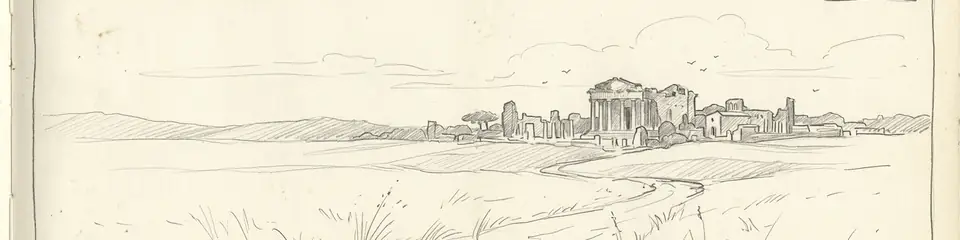
Graphite pencil sketch banner of Ostia Antica

“Ostia preserves ordinary Roman streets, shops, and apartments at a scale Pompeii cannot match for harbour commerce.”

所在地

概要

Ostia Antica lies at the ancient mouth of the Tiber, about 25 km southwest of Rome. Tradition ties its foundation to Ancus Marcius in the regal period; the archaeologically visible city expands from a Republican castrum into a dense Imperial port town of warehouses (horrea), multi-storey apartments (insulae), mithraea, synagogues, and the famous Piazzale delle Corporazioni with mosaic emblems of trading guilds. Grain, oil, and marble moved through Ostia and later Portus to feed the capital.

As the coastline prograded and Portus took over shipping, Ostia declined; malaria and silting left standing brick walls that 19th–20th century excavations opened as an open-air museum. The site remains one of the richest laboratories for Roman domestic and commercial architecture. Pair with Pompeii and the Colosseum for complementary views of Roman urban life and spectacle.

重要性

Ostia preserves ordinary Roman streets, shops, and apartments at a scale Pompeii cannot match for harbour commerce. It is essential for understanding how Rome fed itself and how guilds, religions, and migrants organised life at the empire’s logistical throat.

証拠と解釈

確立された事実と議論が続く事柄を区別する。

確立された事実

2
  • Inscriptions, brick stamps, and standing insulae document continuous Imperial expansion of harbour, warehouses, and housing.
  • Guild mosaics on the Piazzale delle Corporazioni name trading associations tied to Mediterranean commerce.

学術的推論

1
  • Malaria and coastal progradation accelerated late antique abandonment after Portus captured deep-water traffic.

コミュニティ写真

あなたの体験を共有する

この遺跡を訪れたことがありますか?写真をアップロードして魅力を共有しましょう。

このページの引用方法

Atlas Anatolia. (600). Ostia Antica. Atlas Anatolia. https://atlasanatolia.com/ja/site/ostia-antica

コンテンツはCC BY-SA 4.0ライセンスの下で提供されています — 再利用の際は出典表示が必要です。

出典

  • Roman Ostia — Meiggs, Russell (1973)
  • Ostia: Aspects of Roman City Life — Hermansen, Gustav (1981)

よくある質問

Ostia Anticaはどこにありますか?

Ostia AnticaはItalyに位置しています。

Ostia Anticaの年代はいつ頃ですか?

Ostia Anticaはおよそ600 紀元前 – 500 西暦のものとされています。

Ostia Anticaはどの文明に関連していますか?

Ostia AnticaはRoman文明に関連しています。

Ostia Anticaが重要な理由は何ですか?

Ostia preserves ordinary Roman streets, shops, and apartments at a scale Pompeii cannot match for harbour commerce.

Ostia Anticaはユネスコ世界遺産ですか?

Ostia Anticaは現在ユネスコ世界遺産には登録されていません。