
コンテンツへスキップ
Atlas Anatolia
ニュースIce Age teeth in Sulawesi push betel-nut use back as far as 25,000 yearsRoman mosaic and Eros head uncovered in the basilica at Pompeiopolis, Kastamonu
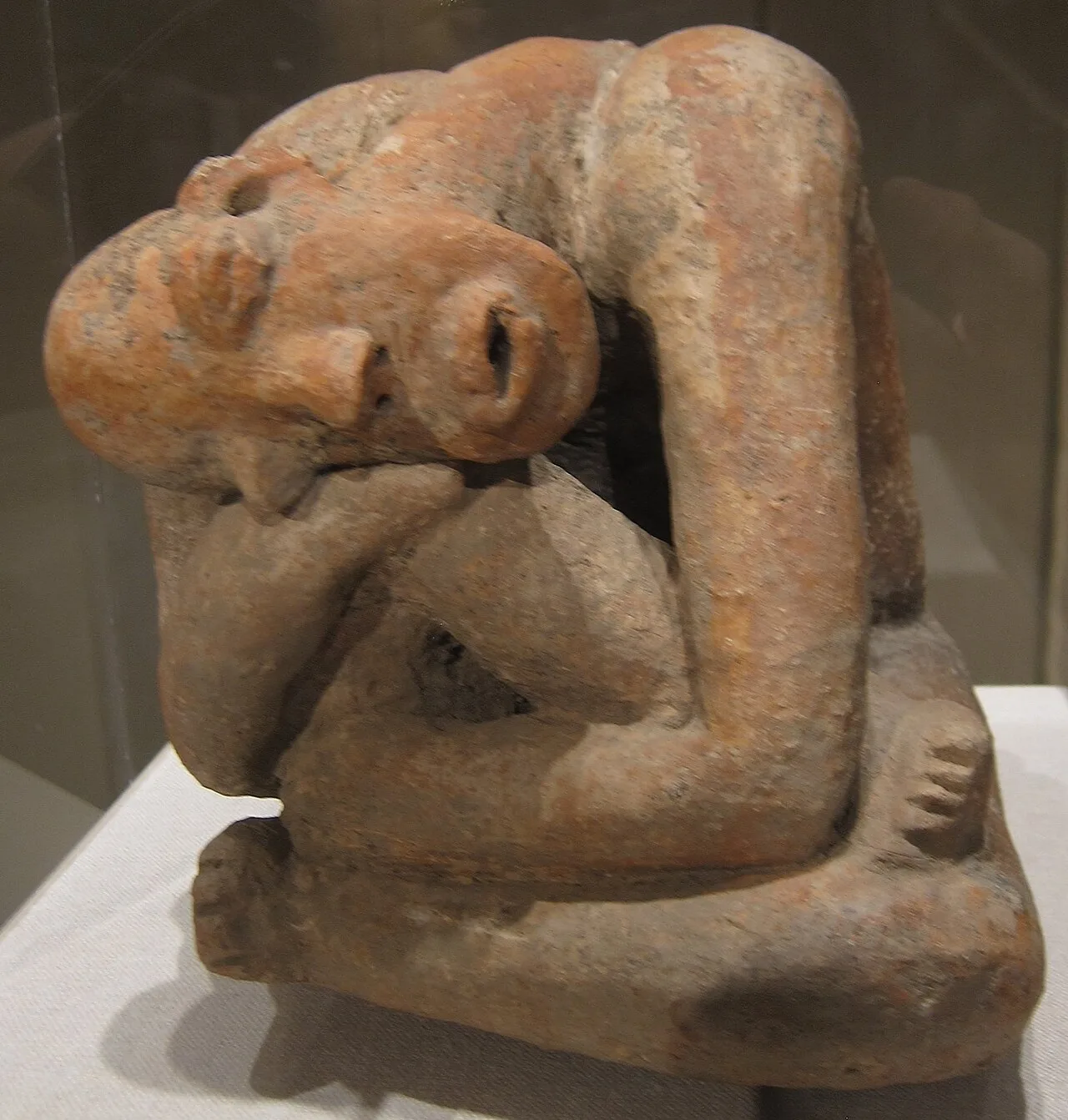
Mudbrick architecture near Djenné-Djeno, the oldest known urban settlement in sub-Saharan Africa, Mali

Wikimedia Commons

Country Record

Oldest City in Mali

都市UNESCO

Djenné-Djeno

Seyfi Cem Baskin

Jenne-Jeno250 紀元前 – 1400 西暦

The oldest known city in sub-Saharan Africa — a densely settled urban centre on the floodplain of the Niger River in Mali, continuously occupied from roughly 250 BCE to 1400 CE, that flourished as a hub of trans-Saharan trade and iron-working centuries before the rise of the famous Mali and Songhai empires. Its excavation in the 1970s overturned the long-held colonial-era assumption that urbanism in West Africa was introduced from outside the continent.

311
関心 48

所在地

Mopti Region · マリ

13.88°N · 4.55°W · アフリカ

Settlement begins

c. 250 BCE — earliest fishing and rice-farming communities

Peak

c. 800–1000 CE — combined population with satellite mounds possibly in the tens of thousands

Trade evidence

Copper and glass beads sourced from the Mediterranean and beyond, centuries before the famous trans-Saharan gold trade

Abandonment

c. 1400 CE, coinciding with the rise of neighbouring modern Djenné

UNESCO

Old Towns of Djenné, World Heritage Site 1988

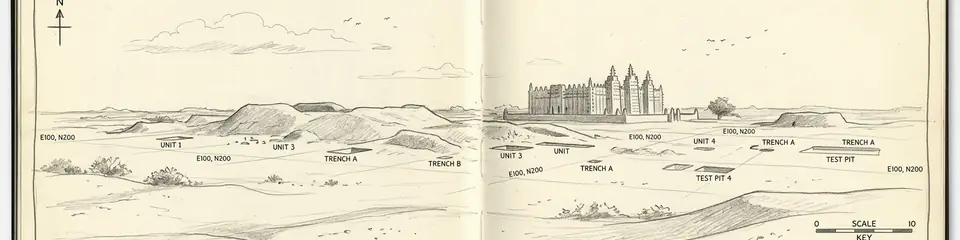
Graphite pencil sketch banner of Djenné-Djeno

“Djenné-Djeno's excavation was a turning point in African archaeology.”

所在地

概要

Djenné-Djeno ("ancient Djenné" in the Bozo language) sits on the inland Niger Delta floodplain in central Mali, roughly three kilometres from the modern town of Djenné, famous for its Great Mosque. The archaeological mound, or tell, covers approximately 33 hectares and rises up to several metres above the surrounding floodplain, the accumulated result of well over a thousand years of continuous mudbrick construction, collapse, and rebuilding on the same urban footprint.

Settlement began around 250 BCE, when small groups established fishing and rice-farming communities on the seasonally flooded plain. Over the following centuries the settlement grew steadily, and by roughly 300–400 CE Djenné-Djeno had developed into a substantial, densely populated town engaged in iron production, copper and gold working, and long-distance trade — evidenced by the presence of copper (which does not occur naturally anywhere near the site) and glass beads sourced from as far away as the Mediterranean and possibly India, arriving via trans-Saharan trade networks centuries before the trans-Saharan gold trade became famous under the later Ghana, Mali, and Songhai empires.

At its peak, around 800–1000 CE, Djenné-Djeno and a cluster of dozens of smaller satellite mounds in its immediate vicinity may have supported a combined population estimated in the tens of thousands, organised without evidence of the centralised royal palaces, monumental temples, or hierarchical elite residences typically associated with early urbanism elsewhere in the world. This distinctive pattern — dense, long-term urban settlement apparently without a strong centralised political hierarchy — has made Djenné-Djeno a key case study in debates about alternative pathways to urban complexity that do not follow the state-formation model developed from Mesopotamian, Egyptian, or Mesoamerican evidence.

Djenné-Djeno began a gradual decline after approximately 1200 CE and was fully abandoned by around 1400 CE, roughly coinciding with the establishment and growth of the neighbouring town of modern Djenné, to which the population appears to have relocated — possibly linked to the spread of Islam in the region, since the old site shows no evidence of Islamic burial practice while the new town became a significant centre of Islamic scholarship. The site was first excavated in 1977 by Roderick and Susan Keech McIntosh, whose work fundamentally revised scholarly understanding of the antiquity and indigenous origins of West African urbanism, directly challenging earlier colonial-era historiography that had attributed urban development in the region to North African or Middle Eastern influence.

重要性

Djenné-Djeno's excavation was a turning point in African archaeology. Prior to the McIntoshes' work, prevailing colonial-era scholarship assumed that cities, trade networks, and complex societies in West Africa developed only after contact with North African Islamic traders from roughly the 8th century CE onward. Djenné-Djeno proved urban life in the inland Niger Delta was already many centuries old by that point, entirely indigenous in origin, and unconnected to any external "civilising" influence. The site's apparent lack of centralised political architecture — no palace complex, no monumental royal tomb, no obvious seat of a single ruling elite — has made it central to ongoing archaeological debate about whether urbanism requires state-level political hierarchy at all, or whether dense, long-lived cities can emerge and sustain themselves through decentralised, heterarchical forms of social organisation instead. As the earliest confirmed city in sub-Saharan Africa, Djenné-Djeno also demonstrates that the region was linked into long-distance exchange networks reaching the Mediterranean world many centuries before the famous medieval gold trade of Mali and Songhai, pushing the origins of West Africa's connection to the wider Old World trading system back by nearly a millennium.

証拠と解釈

確立された事実と議論が続く事柄を区別する。

確立された事実

3
  • Radiocarbon dating of the earliest occupation layers places initial settlement at Djenné-Djeno at approximately 250 BCE.
  • Copper artefacts and glass beads recovered from Djenné-Djeno occupation layers have been sourced, through compositional analysis, to origins outside West Africa, confirming long-distance trade contact by the mid-first millennium CE.
  • Systematic survey of the surrounding floodplain identified dozens of contemporaneous satellite settlement mounds clustered around Djenné-Djeno, supporting estimates of a substantial combined urban population.

学術的推論

1
  • The site's abandonment around 1400 CE is inferred to relate to the spread of Islam and the rise of neighbouring modern Djenné, based on the absence of Islamic burial practice at the old site and the timing of the new town's growth, though a single documented cause has not been established.

議論のある解釈

1
  • Whether Djenné-Djeno constituted a "city" in the fullest sociopolitical sense, given the absence of clear evidence for centralised political hierarchy or monumental elite architecture, remains actively debated among archaeologists of early urbanism.

発見と発掘調査

1977–1981

Roderick and Susan McIntosh excavations

Foundational excavation establishing Djenné-Djeno's antiquity and indigenous urban origins, fundamentally revising the historiography of West African urbanism.

1994

Follow-up regional survey

Extended survey of satellite mounds surrounding Djenné-Djeno, refining estimates of the site's total urban extent and population.

コミュニティ写真

あなたの体験を共有する

この遺跡を訪れたことがありますか?写真をアップロードして魅力を共有しましょう。

このページの引用方法

Atlas Anatolia. (250). Djenné-Djeno. Atlas Anatolia. https://atlasanatolia.com/ja/site/djenne-djeno

コンテンツはCC BY-SA 4.0ライセンスの下で提供されています — 再利用の際は出典表示が必要です。

出典

  • Prehistoric Investigations at Jenne, Mali — McIntosh, Roderick J. and McIntosh, Susan Keech (1980)
  • The Peoples of the Middle Niger: The Island of Gold — McIntosh, Roderick J. (1998)
  • UNESCO — Old Towns of Djennéリンク

よくある質問

Djenné-Djenoはどこにありますか?

Djenné-DjenoはMopti Region, Maliに位置しています。

Djenné-Djenoの年代はいつ頃ですか?

Djenné-Djenoはおよそ250 紀元前 – 1400 西暦のものとされています。

Djenné-Djenoはどの文明に関連していますか?

Djenné-DjenoはSoninke文明に関連しています。

Djenné-Djenoが重要な理由は何ですか?

Djenné-Djeno's excavation was a turning point in African archaeology.

Djenné-Djenoはユネスコ世界遺産ですか?

はい — Djenné-Djenoはユネスコ世界遺産に登録されています。