
コンテンツへスキップ
Atlas Anatolia
ニュースIce Age teeth in Sulawesi push betel-nut use back as far as 25,000 yearsRoman mosaic and Eros head uncovered in the basilica at Pompeiopolis, Kastamonu
Bergama Asklepion healing center

Wikimedia Commons (CC BY-SA)

聖域

Bergama Asklepion

Seyfi Cem Baskin

400 紀元前 – 400 西暦

One of the most important healing centers of the ancient world, where the physician Galen practiced, patients slept in sacred dormitories to receive divine dream cures, and a sophisticated system of therapy combined medicine, psychology, and religious ritual.

321
関心 66

所在地

İzmir · Aegean · トルコ

39.11°N · 27.16°E · アジア

Deity

Sanctuary of Asclepius, god of healing

Galen

Where Galen of Pergamon (129–216 CE) trained and practiced

Therapy

Dream incubation, hydrotherapy, music therapy, library

Tunnel

Underground passage for sensory healing therapy

Architecture

Roman-era circular temple modeled on the Pantheon

UNESCO

Part of the Pergamon UNESCO World Heritage Site

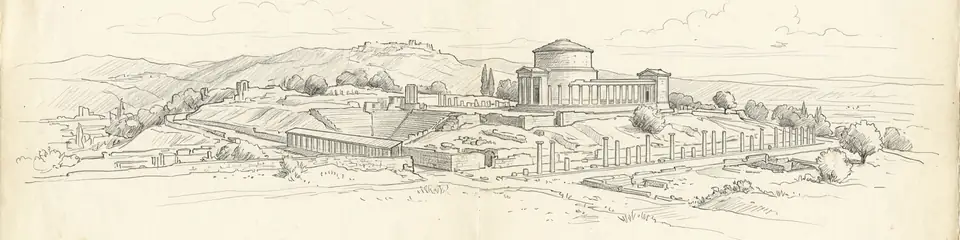
Graphite pencil sketch banner of Bergama Asklepion

“The Asklepion of Pergamon represents one of humanity's most sophisticated early attempts to create a comprehensive healing environment — combining what we would now call medicine, psychology, physical therapy, and spiritual care into an integrated treatment system.”

Wikipediaより

The Asklepion of Pergamon was one of the most important healing sanctuaries of the ancient world, where Galen practiced and patients received dream-based therapy in a sophisticated medical complex.

Wikipediaで全文を読む →

所在地

概要

The Asklepion of Pergamon stands about a kilometer southwest of the ancient acropolis, a sprawling sanctuary complex dedicated to Asclepius, the god of healing. While several Asklepieia existed in the ancient world — most famously at Epidaurus — the Pergamon sanctuary was distinguished by its scale, sophistication, and the fame of the physicians who practiced there, above all Galen of Pergamon (129-216 CE), one of the most influential medical thinkers in Western history.

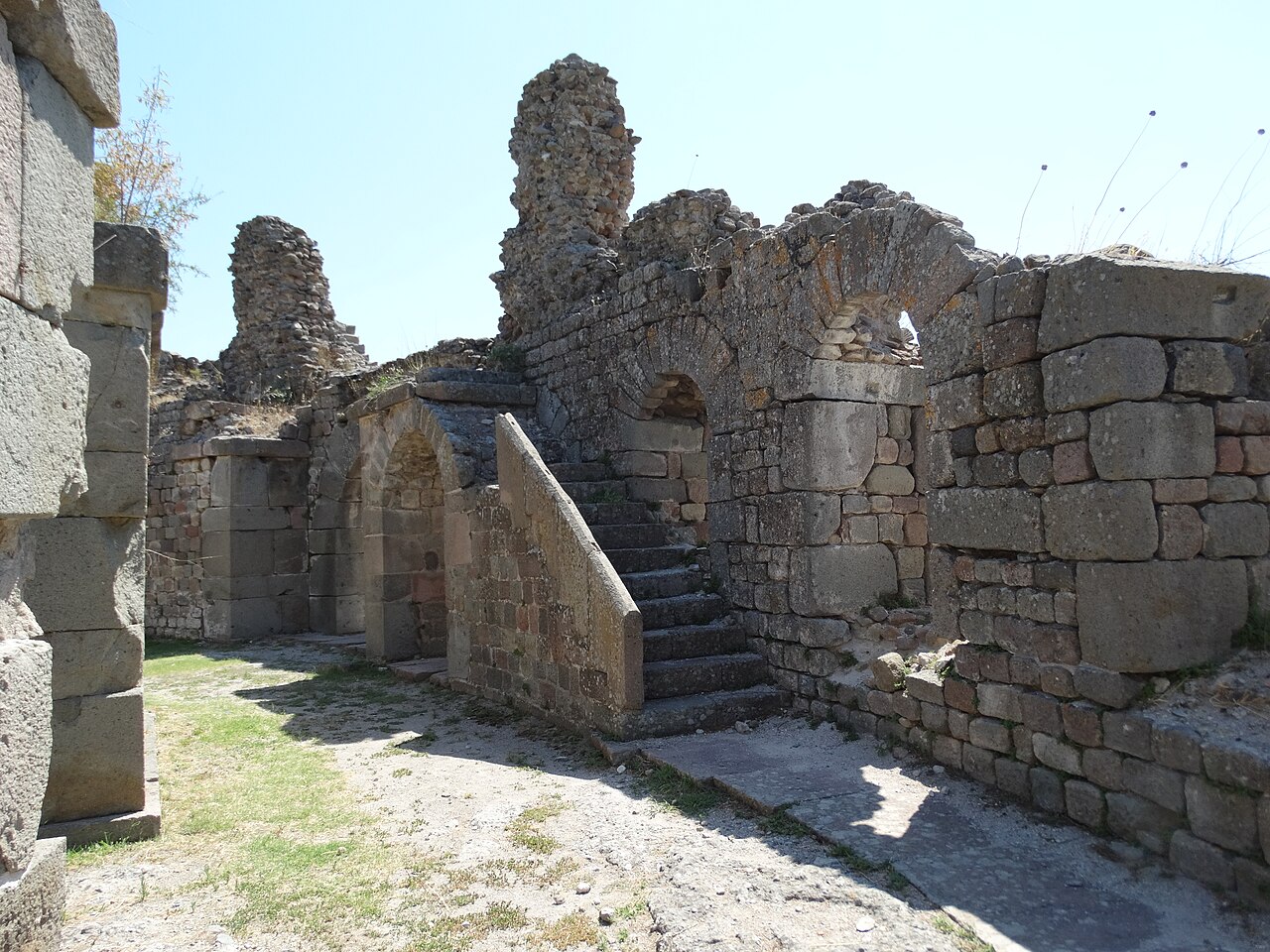
The sanctuary reached its architectural peak in the 2nd century CE under Roman patronage. A Sacred Way lined with columns connected the city to the sanctuary entrance, where patients passed through a monumental propylon into a colonnaded courtyard. At the center of the complex, a circular treatment building — sometimes identified as a temple of Zeus-Asclepius, modeled after the Pantheon in Rome — served as the architectural and spiritual heart of the healing center.

"The Asklepion at Pergamon is a sanctuary of Asclepius, famed for its healing and the skill of its physicians."
— Pausanias, Description of Greece, c. 160 CE

The treatment regimen at the Asklepion combined what modern observers might recognize as medicine, psychotherapy, and religious ritual. Central to the healing process was incubation — patients slept in sacred dormitories (abaton) where they hoped to receive healing dreams sent by Asclepius. Priests trained in dream interpretation would then prescribe treatments based on these visions. The sanctuary also featured a theater for entertainment therapy, a library for intellectual stimulation, baths and pools for hydrotherapy, and a sacred spring whose waters were believed to possess healing properties.

An underground tunnel connected the sacred spring to the treatment buildings, and patients would walk through this dramatic subterranean passage as part of their therapeutic journey — possibly the world's earliest form of sensory therapy. The sound of running water, the darkness, and the transition from underground to open air were all carefully orchestrated elements of the healing experience.
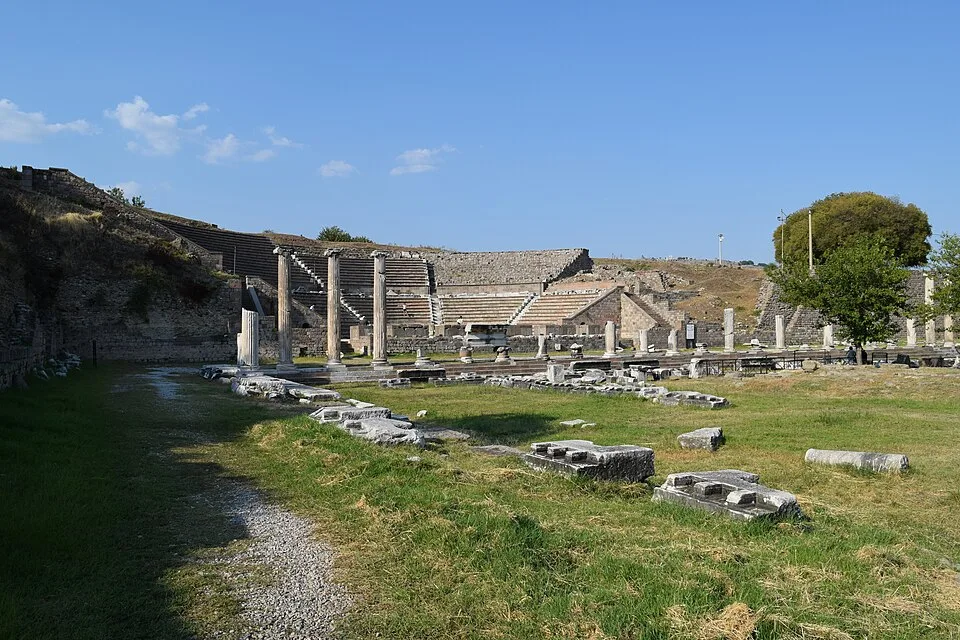
Bergama Asklepion 2
Bergama Asklepion 2 | Özge Kesgin (CC BY-SA 4.0)

Galen, born in Pergamon and trained at the Asklepion before becoming physician to the Roman emperors, synthesized the medical knowledge of the ancient world into a system that dominated Western and Islamic medicine for over a millennium. His works, many written from firsthand experience at the sanctuary, provide invaluable descriptions of ancient medical practice and the role of places like the Asklepion in the ancient healthcare system.

重要性

The Asklepion of Pergamon represents one of humanity's most sophisticated early attempts to create a comprehensive healing environment — combining what we would now call medicine, psychology, physical therapy, and spiritual care into an integrated treatment system. The underground passage, dream therapy, and entertainment programs anticipate modern holistic approaches to healthcare. Galen's work at the Asklepion produced medical texts that shaped practice for 1,500 years across both Christian and Islamic civilizations. The sanctuary thus stands as a pivotal site in the global history of medicine, demonstrating that the ancient world developed therapeutic approaches of remarkable subtlety and effectiveness.

証拠と解釈

確立された事実と議論が続く事柄を区別する。

確立された事実

3
  • Galen's own writings (De Anatomicis Administrationibus and others) describe his training and practice at the Pergamon Asklepion in detail, providing firsthand accounts of the sanctuary's medical procedures.
  • The Sacred Way, colonnaded courtyard, circular treatment building, theater, and underground tunnel have all been excavated and architecturally documented.
  • Inscriptions from the sanctuary record dedications by grateful patients and document the administrative structure of the healing center.

学術的推論

2
  • The underground tunnel's acoustic properties and controlled lighting suggest deliberate design for sensory therapy, anticipating modern environmental psychology approaches.
  • The presence of a theater and library alongside medical facilities suggests the Asklepion practiced a holistic approach recognizing mental and emotional wellbeing as integral to physical healing.

議論のある解釈

1
  • Whether dream incubation represented genuine psychological therapy (using the power of suggestion and expectation) or purely religious ritual is debated among historians of ancient medicine.

発見と発掘調査

1928–1936

German Archaeological Institute excavations

指揮 Theodor Wiegand

Systematic excavations revealed the sanctuary plan including the Sacred Way, propylon, colonnaded courtyard, treatment buildings, and the underground tunnel system.

1960–1975

Continued German-Turkish excavations

Expanded investigation documented the theater, library, sacred spring, and residential quarters for patients and medical staff.

2000

Underground tunnel conservation

Conservation project stabilized and made accessible the underground treatment passage, one of the sanctuary's most remarkable features.

2010–2020

German Archaeological Institute ongoing program

Modern excavation techniques including geophysical survey expanded understanding of the sanctuary's extent and relationship to the broader city of Pergamon.

2014

UNESCO World Heritage inscription

The Asklepion was included in the Pergamon and its Multi-Layered Cultural Landscape UNESCO World Heritage Site.

コミュニティ写真

あなたの体験を共有する

この遺跡を訪れたことがありますか?写真をアップロードして魅力を共有しましょう。

このページの引用方法

Atlas Anatolia. (400). Bergama Asklepion. Atlas Anatolia. https://atlasanatolia.com/ja/site/asklepion

コンテンツはCC BY-SA 4.0ライセンスの下で提供されています — 再利用の際は出典表示が必要です。

出典

  • Galen: A Thinking Doctor in Imperial Rome — Véronique Boudon-Millot (2012)
  • The Asklepieion of Pergamon: Architecture and Healing — Wolfgang Radt (1999)
  • Wikipedia — Pergamon Asclepiumリンク

よくある質問

Bergama Asklepionはどこにありますか?

Bergama Asklepionはİzmir, Aegean, Türkiyeに位置しています。

Bergama Asklepionの年代はいつ頃ですか?

Bergama Asklepionはおよそ400 紀元前 – 400 西暦のものとされています。

Bergama Asklepionはどの文明に関連していますか?

Bergama AsklepionはGreek, Roman文明に関連しています。

Bergama Asklepionが重要な理由は何ですか?

The Asklepion of Pergamon represents one of humanity's most sophisticated early attempts to create a comprehensive healing environment — combining what we would now call medicine, psychology, physical therapy, and spiritual care into an integrated treatment system.

Bergama Asklepionはユネスコ世界遺産ですか?

Bergama Asklepionは現在ユネスコ世界遺産には登録されていません。