
コンテンツへスキップ
Atlas Anatolia
ニュースIce Age teeth in Sulawesi push betel-nut use back as far as 25,000 yearsRoman mosaic and Eros head uncovered in the basilica at Pompeiopolis, Kastamonu
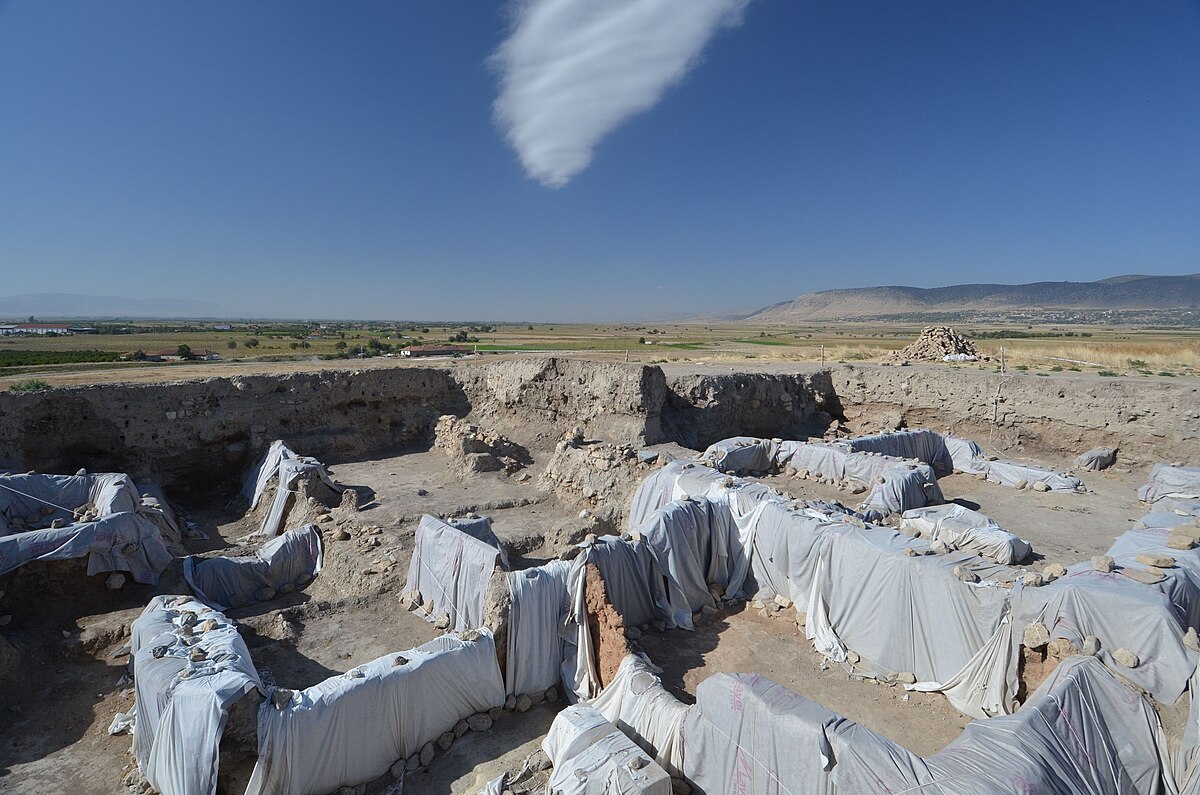
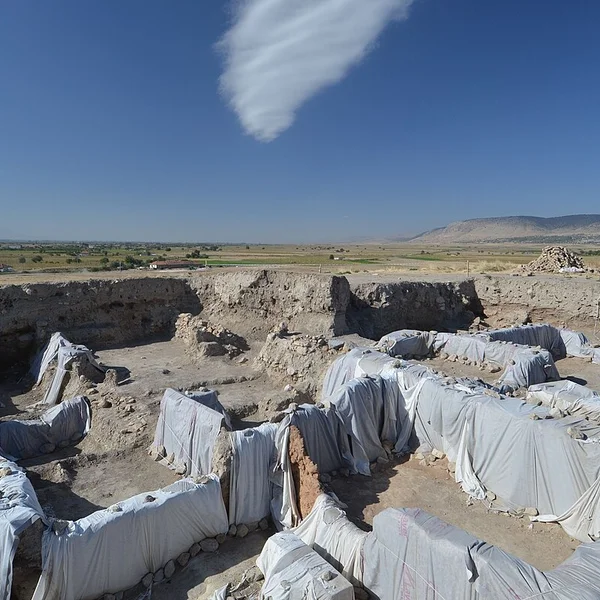
Excavated Bronze Age palace remains at Beycesultan mound

Wikimedia Commons

集落

Beycesultan

Seyfi Cem Baskin

3000 紀元前 – 1200 紀元前

A major Bronze Age palace complex in western Anatolia that may preserve one of the earliest examples of a Megaroid hall — the architectural ancestor of the Greek megaron — and evidence of a powerful pre-Hittite Anatolian kingdom.

222
関心 37

所在地

Denizli · Aegean · トルコ

37.78°N · 29.68°E · アジア

Palace

Late Bronze Age palace with megaron-like hall plan

Shrines

Paired Early Bronze Age temples with unique cult installations

Possible Identity

May correspond to ancient Arzawa kingdom

Province

Denizli, upper Meander valley of western Anatolia

Dating Method

Relative chronology established via pottery typology and stratigraphy, with radiocarbon dating applied in later campaigns.

Notable Finds

A cache of bronze weapons and tools, and a collection of seal impressions from the palace complex.

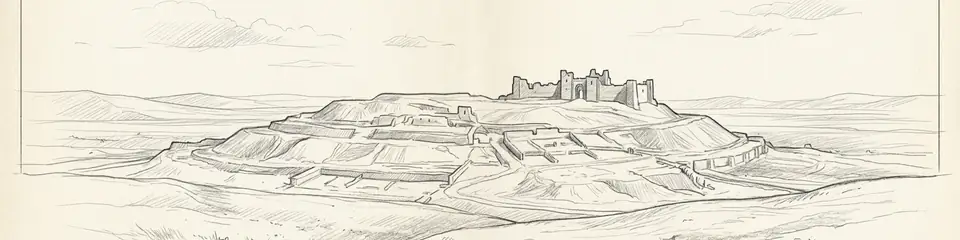
Graphite pencil sketch banner of Beycesultan

“Beycesultan provides crucial evidence for the development of western Anatolian civilizations that existed alongside but independently of the Hittites.”

Wikipediaより

Beycesultan is a major Bronze Age settlement in western Anatolia with a palace complex possibly representing the architectural ancestor of the Greek megaron.

Wikipediaで全文を読む →

所在地

概要

Beycesultan is a large tell (artificial mound) in the upper Meander River valley of Denizli province, western Anatolia. Excavations have revealed a substantial Bronze Age settlement that was one of the most important centers of power in western Anatolia during the 3rd and 2nd millennia BCE — contemporary with but independent of the great Hittite civilization to the east.

The site's most significant feature is a large Late Bronze Age palace (c. 1900-1750 BCE) destroyed by fire, which paradoxically preserved its contents and architectural details. The palace features a distinctive hall with a central hearth and a raised platform at one end — a plan that closely resembles the later Greek megaron, the rectangular hall form that became the basis for the Greek temple. This has led scholars to propose that the megaron concept originated in Anatolian architecture.

"The land of Arzawa is a great kingdom, and its king is equal to the king of Hatti."
— Hittite diplomatic correspondence, c. 14th century BCE

Earlier levels at Beycesultan include a remarkable Early Bronze Age shrine complex with paired temples featuring distinctive cult installations including blood channels and horn-shaped altar elements. These shrines provide unique evidence for Bronze Age Anatolian religious practices in a region poorly documented by contemporary texts.

The settlement's location in the upper Meander valley places it at the crossroads of Aegean and central Anatolian cultural zones. The site may correspond to ancient Arzawa, a powerful western Anatolian kingdom mentioned in Hittite texts as a rival power, though this identification remains debated.
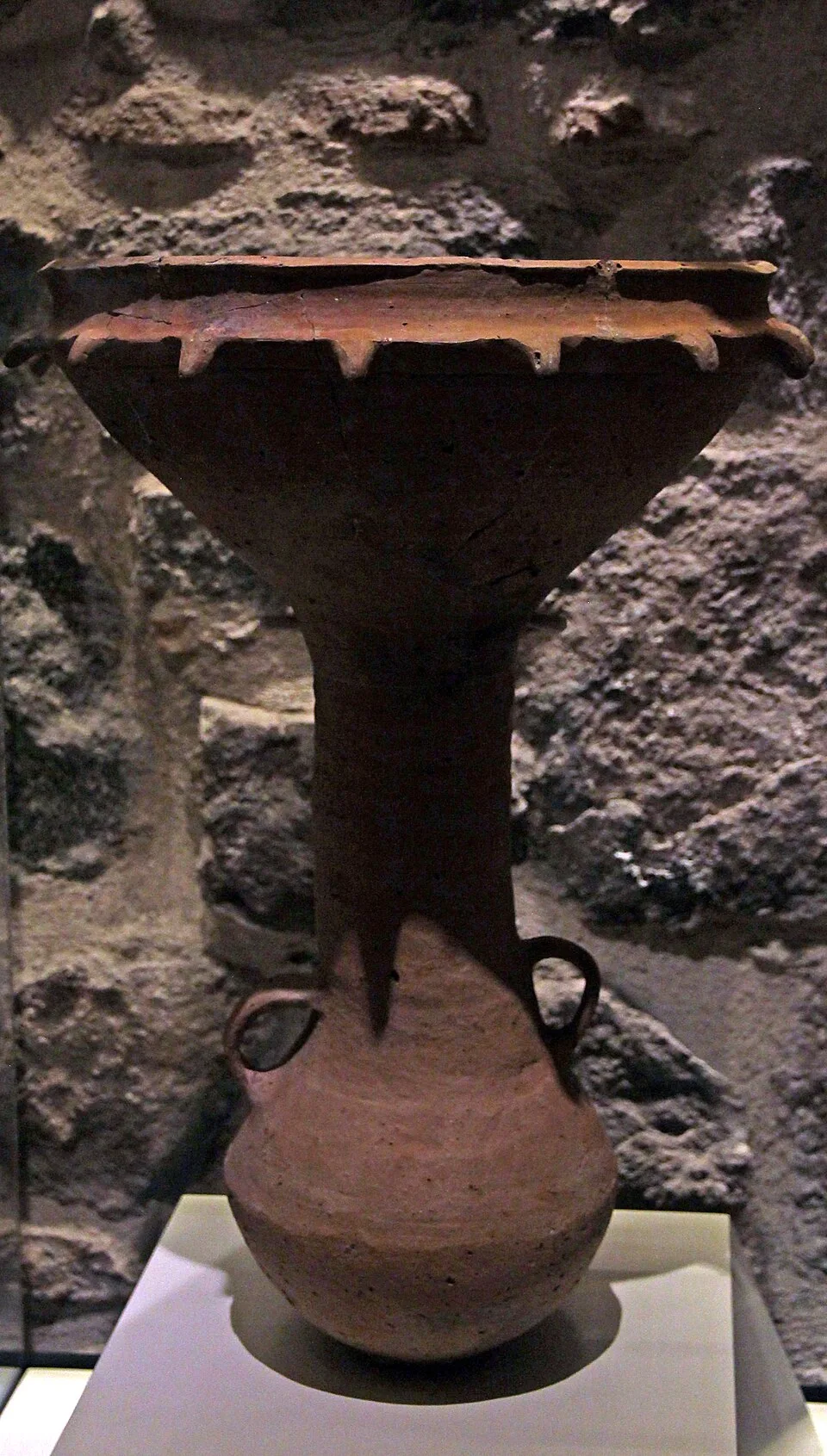
Beycesultan Trommel 24
Beycesultan Trommel 24 | Ingeborg Simon (CC BY-SA 3.0)

重要性

Beycesultan provides crucial evidence for the development of western Anatolian civilizations that existed alongside but independently of the Hittites. The palace architecture, with its megaron-like plan, may illuminate the origins of one of the most fundamental building forms in Greek architecture. The Early Bronze Age shrines offer rare glimpses into Anatolian religious practices from a period and region with no surviving written records, filling a significant gap in our understanding of Bronze Age spirituality. The site's possible connection to the Arzawa kingdom links it to one of the great unresolved questions in Anatolian archaeology.

証拠と解釈

確立された事実と議論が続く事柄を区別する。

確立された事実

2
  • The Late Bronze Age palace was destroyed by fire c. 1750 BCE, preserving architectural details including a large hall with central hearth and raised platform.
  • Early Bronze Age shrines contain paired temple units with horn-shaped altar elements and blood channels, unique in Anatolian Bronze Age archaeology.

学術的推論

2
  • The palace hall's plan closely resembles the later Greek megaron, suggesting western Anatolian architecture may have influenced the development of this fundamental Greek building form.
  • The scale and sophistication of the palace complex suggest a major regional power center controlling the upper Meander valley and its trade routes.

議論のある解釈

2
  • The identification of Beycesultan with the Arzawa kingdom mentioned in Hittite texts remains debated, with alternative locations proposed at other western Anatolian sites.
  • The function of the large hall in the Level V palace as a throne room (megaron) versus a more general audience hall is debated based on its internal features and spatial organization.

発見と発掘調査

1954–1959

British Institute excavations

指揮 Seton Lloyd & James Mellaart

Seton Lloyd and James Mellaart directed excavations revealing the Bronze Age palace, shrine complex, and a sequence of occupation levels spanning over a millennium.

1959

Final British Campaign

指揮 Seton Lloyd and James Mellaart

The concluding season of the initial British excavations, focusing on the Late Bronze Age palace and its destruction level.

2007–2015

Ege University excavations

Turkish excavations resumed work at the site, re-examining the palace complex with modern methods and investigating previously unexplored areas of the mound.

2016

Conservation project

Conservation work focused on protecting the exposed Bronze Age architecture and developing the site for public visitation.

コミュニティ写真

あなたの体験を共有する

この遺跡を訪れたことがありますか?写真をアップロードして魅力を共有しましょう。

このページの引用方法

Atlas Anatolia. (3000). Beycesultan. Atlas Anatolia. https://atlasanatolia.com/ja/site/beycesultan

コンテンツはCC BY-SA 4.0ライセンスの下で提供されています — 再利用の際は出典表示が必要です。

出典

  • Beycesultan: Late Bronze Age Architecture — Seton Lloyd & James Mellaart (1965)
  • The Bronze Age Palace at Beycesultan and the Origin of the Megaron — James Mellaart (1962)
  • Wikipedia — Beycesultanリンク

よくある質問

Beycesultanはどこにありますか?

BeycesultanはDenizli, Aegean, Türkiyeに位置しています。

Beycesultanの年代はいつ頃ですか?

Beycesultanはおよそ3000 紀元前 – 1200 紀元前のものとされています。

Beycesultanはどの文明に関連していますか?

BeycesultanはHittite文明に関連しています。

Beycesultanが重要な理由は何ですか?

Beycesultan provides crucial evidence for the development of western Anatolian civilizations that existed alongside but independently of the Hittites.

Beycesultanはユネスコ世界遺産ですか?

Beycesultanは現在ユネスコ世界遺産には登録されていません。