
コンテンツへスキップ
Atlas Anatolia
ニュースIce Age teeth in Sulawesi push betel-nut use back as far as 25,000 yearsRoman mosaic and Eros head uncovered in the basilica at Pompeiopolis, Kastamonu
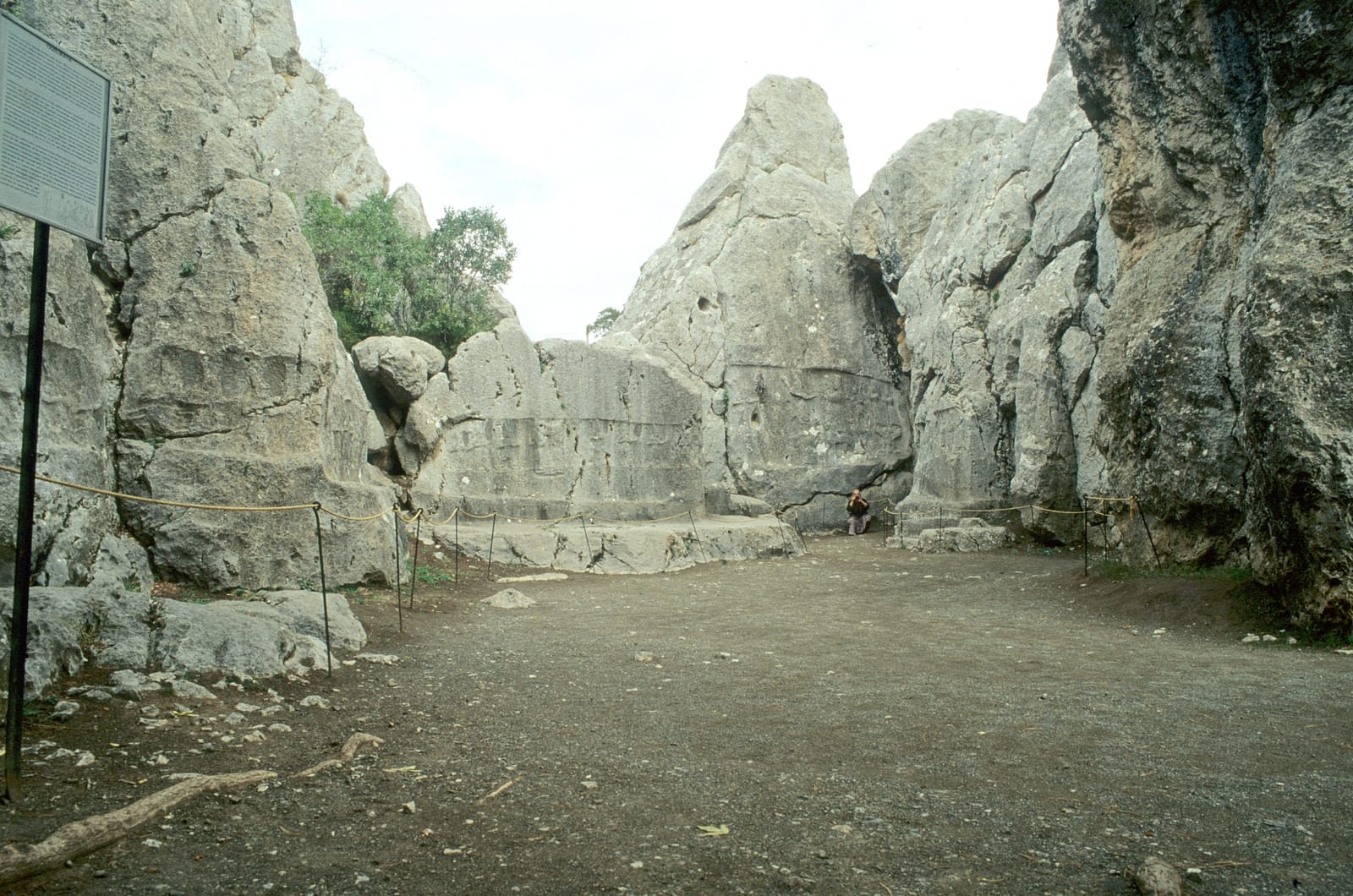
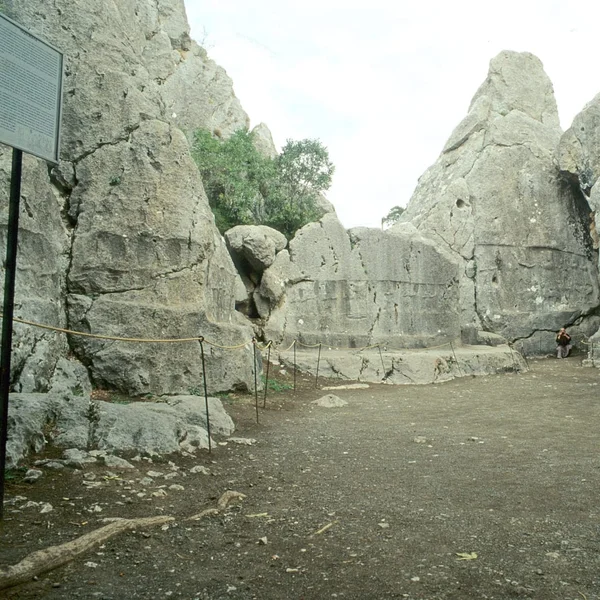
Rock relief carvings in Chamber A at Yazılıkaya

Wikimedia Commons (CC BY-SA)

Country Record

Oldest Sanctuary in Türkiye

聖域UNESCO

Yazilikaya

Seyfi Cem Baskin

Yazilkaya1400 紀元前 – 1180 紀元前

The most important Hittite open-air rock sanctuary, featuring elaborate relief carvings of the entire Hittite pantheon in a dramatic natural setting just outside the capital Hattusha.

222
関心 49

所在地

Corum · Central Anatolia · トルコ

40.02°N · 34.61°E · アジア

Deity Reliefs

60+ carved figures across two chambers

Peak Period

Reign of Tudhaliya IV (c. 1237-1209 BCE)

UNESCO Status

Part of Hattusha World Heritage Site

Unique Feature

Sword God relief — unparalleled in ancient art

Architectural Integration

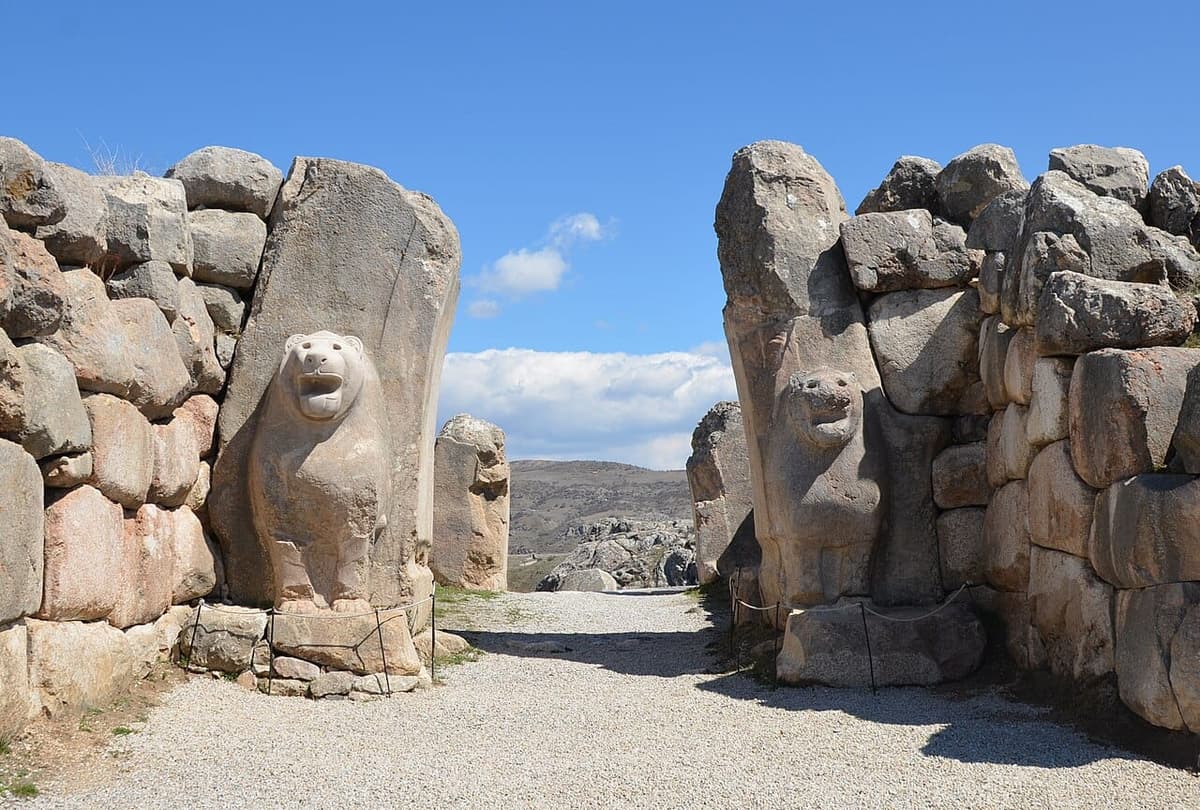
A monumental gate and processional way, constructed under Tudhaliya IV, formally linked the sanctuary to the capital city of Hattusha.

Conservation Campaign

A major 2011-2019 project by the German Archaeological Institute and Çorum Museum installed a protective shelter over Chamber A to mitigate weathering.

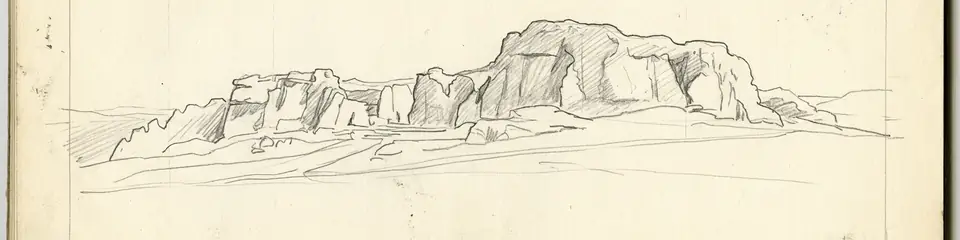
Graphite pencil sketch banner of Yazilikaya

“Yazilikaya is the single most important source of information about Hittite religion and cosmology.”

Wikipediaより

Yazilikaya is a Hittite rock sanctuary near Hattusha featuring elaborate relief carvings of the Hittite pantheon, dating to the 13th century BCE.

Wikipediaで全文を読む →

所在地

概要

Yazilikaya — meaning "inscribed rock" in Turkish — is the supreme religious monument of the Hittite Empire. Located approximately two kilometers northeast of the Hittite capital Hattusha, this open-air sanctuary consists of two natural rock chambers adorned with the largest known collection of Hittite relief carvings.

Chamber A, the larger gallery, depicts a grand procession of over sixty deities converging on the central scene where the Storm God Teshub meets the Sun Goddess Hepatu. The gods march from the left, the goddesses from the right, in a carefully ordered hierarchy that provides invaluable information about Hittite religious organization and the Hurrian influences that shaped it.

"The Hittites carved their gods into the living rock, a procession of deities in a sacred place."
— Charles Texier (c. 1834)

Chamber B, a narrower gallery accessible through a cleft in the rock, contains the most accomplished sculptures. The famous "Sword God" — a deity depicted as a sword plunged into the earth with a human head as its pommel — is unique in ancient Near Eastern art. Reliefs of King Tudhaliya IV embraced by the god Sharruma demonstrate the intimate relationship between royal and divine authority.

The sanctuary reached its peak under Tudhaliya IV (c. 1237-1209 BCE), who commissioned the most elaborate carvings. Recent research by Eberhard Zangger and others has proposed that Chamber B may have functioned as a funerary monument for Tudhaliya IV, though this interpretation remains debated.
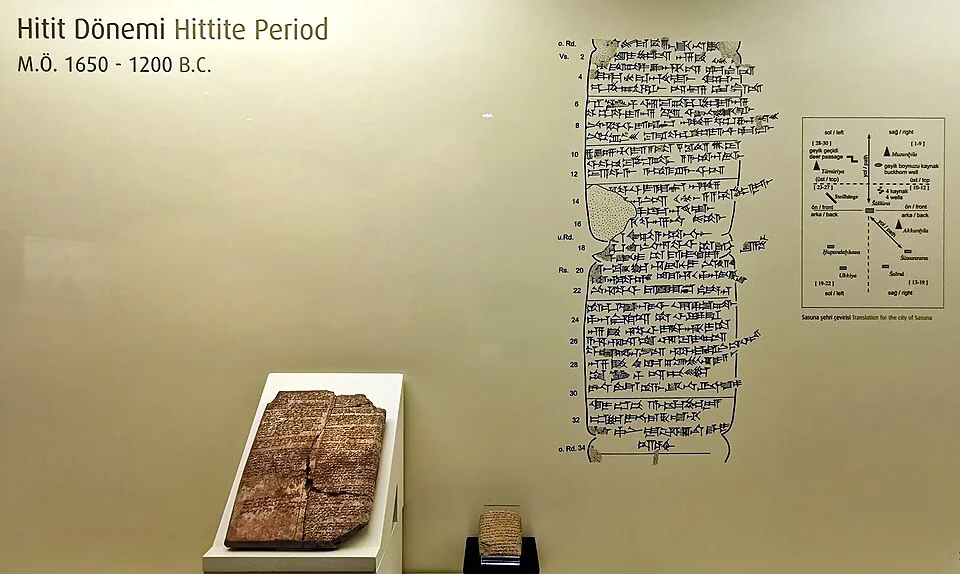
Museum Hattusa - Boğazköy Museum, Boğazköy, Çorum, Turkey 26
Museum Hattusa - Boğazköy Museum, Boğazköy, Çorum, Turkey 26 | Murat Özsoy 1958 (CC BY-SA 4.0)

The sanctuary was not merely a natural grotto; it was integrated into a formal architectural complex. In the 13th century BCE, a monumental gatehouse and surrounding walls were constructed, channeling visitors from the capital along a processional way and creating a defined sacred precinct. This architectural intervention transformed the site from a potentially ancient place of worship into an official state sanctuary of the Hittite Empire, reflecting the centralization of religious authority under the king.\n\nThe site's decline is directly tied to the broader collapse of the Hittite Empire around 1180 BCE. Following the abandonment of Hattusha, Yazilikaya fell into disuse and was gradually buried by erosion and vegetation. Its rediscovery by European travelers in the 19th century, followed by systematic archaeological work in the 20th century, has allowed this unparalleled religious document to be deciphered, providing the most complete visual representation of an ancient Near Eastern pantheon.
重要性

Yazilikaya is the single most important source of information about Hittite religion and cosmology. The ordered procession of deities reveals the structure of the Hittite pantheon and its deep connections to Hurrian religious traditions — illustrating the cultural synthesis that characterized the late Hittite Empire. The sanctuary's artistic program represents the pinnacle of Hittite sculptural art. UNESCO included Yazilikaya as part of the Hattusha World Heritage Site, recognizing it as an inseparable component of the Hittite imperial landscape.

証拠と解釈

確立された事実と議論が続く事柄を区別する。

確立された事実

2
  • Hieroglyphic Luwian inscriptions identify several figures in the reliefs, including King Tudhaliya IV and the god Sharruma.
  • The deity procession reflects a Hurrian-influenced religious calendar, as demonstrated by parallels with Hurrian ritual texts found at Hattusha.

学術的推論

2
  • The natural rock chambers may have been considered a sacred space long before the Hittites carved the reliefs, given the dramatic geological setting.
  • The central scene in Chamber A depicting the meeting of the Storm God and Sun Goddess likely represents the principal Hittite New Year (purulli) festival, which celebrated the renewal of nature and kingship.

議論のある解釈

2
  • Whether Chamber B served as a memorial chapel for the deceased Tudhaliya IV or had ongoing ritual functions remains actively debated among scholars.
  • The interpretation of the twelve running gods in Chamber B as representing months of a Hittite calendar, proposed by Eberhard Zangger, is contested.

発見と発掘調査

1834

First European documentation

指揮 Charles Texier

Charles Texier documented the reliefs during the same expedition that brought Hattusha to European attention.

1906–1912

German Archaeological Institute survey

指揮 Hugo Winckler

Hugo Winckler and Theodore Makridi conducted the first systematic study of the reliefs in conjunction with Hattusha excavations.

1939

Systematic Clearance and Study

指揮 Kurt Bittel (German Archaeological Institute)

Kurt Bittel initiated the first systematic archaeological clearance and detailed study of the sanctuary, establishing the modern understanding of the site's layout and chronology.

1966–1980

Detailed recording campaigns

指揮 Kurt Bittel

Kurt Bittel and the German Archaeological Institute completed comprehensive photographic and epigraphic documentation.

コミュニティ写真

あなたの体験を共有する

この遺跡を訪れたことがありますか?写真をアップロードして魅力を共有しましょう。

関連記事

このページの引用方法

Atlas Anatolia. (1400). Yazilikaya. Atlas Anatolia. https://atlasanatolia.com/ja/site/yazilikaya

コンテンツはCC BY-SA 4.0ライセンスの下で提供されています — 再利用の際は出典表示が必要です。

グラフ

関連する遺跡やストーリーへのつながり。

出典

  • Yazilikaya: A Reassessment — Eberhard Zangger & Rita Gautschy (2019)
  • Das hethitische Felsheiligtum Yazilikaya — Kurt Bittel (1975)
  • Wikipedia — Yazilikayaリンク

よくある質問

Yazilikayaはどこにありますか?

YazilikayaはCorum, Central Anatolia, Türkiyeに位置しています。

Yazilikayaの年代はいつ頃ですか?

Yazilikayaはおよそ1400 紀元前 – 1180 紀元前のものとされています。

Yazilikayaはどの文明に関連していますか?

YazilikayaはHittite文明に関連しています。

Yazilikayaが重要な理由は何ですか?

Yazilikaya is the single most important source of information about Hittite religion and cosmology.

Yazilikayaはユネスコ世界遺産ですか?

はい — Yazilikayaはユネスコ世界遺産に登録されています。