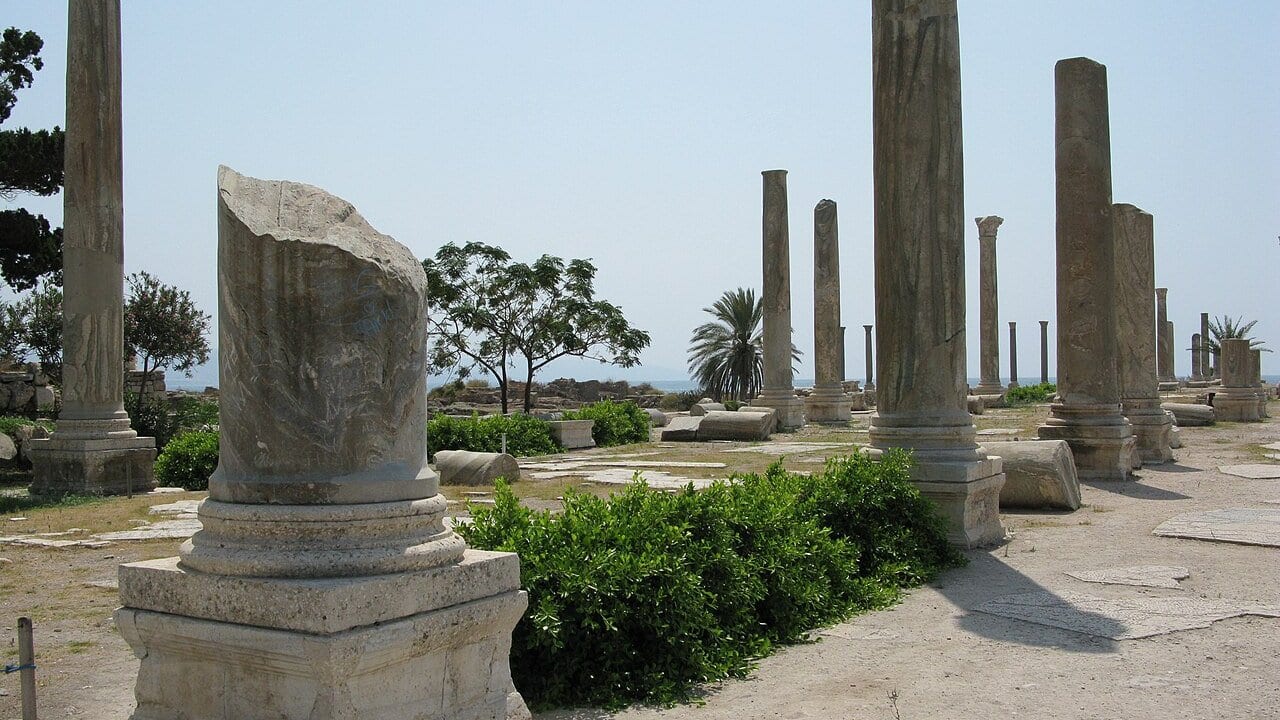
Wenn die meisten Reisenden an das Römische Reich in Afrika denken, denken sie an Karthago – Hannibals Heimat, von Rom geschleift und wiederaufgebaut, mit den Antoninus-Thermen, die noch immer den Golf von Tunis beherrschen. Doch die römischen Provinzen Africa Proconsularis, Numidia und Cyrenaica erstreckten sich weit über Karthago hinaus und bewahrten eine urbane Landschaft, die es an Raffinesse mit Italien aufnehmen konnte und sie in manchen Fällen – Bulla Regias unterirdische Mosaike, Sabrathas dem Meer zugewandtes Theater – in der Erhaltung sogar übertraf.
Dieser Führer verbindet fünf Stätten, die den gesamten Bogen der nordafrikanischen Antike nachzeichnen: griechische Kolonisation, punischer Handel, römische Kolonisation und byzantinische Verteidigung.
„Afrika, so sagten die Römer, könne Italien ernähren – doch seine Städte waren nicht allein Lagerhäuser, sondern marmorne Foren und Theater unter dem Atlaswind.“
— Paraphrase nach Plinius und der modernen Survey-Archäologie des römischen Afrika
1. Kyrene – Die griechische Hauptstadt auf dem libyschen Plateau
Kyrene wurde um 631 v. Chr. von Siedlern aus Thera (Santorini) gegründet, einer Überlieferung zufolge, die bei Herodot und Pindar bewahrt ist. Auf dem fruchtbaren Plateau des Dschebel Achdar über dem Mittelmeer gelegen, wurde es zur Hauptstadt der Cyrenaica und zu einer der reichsten griechischen Städte Afrikas – berühmt für Silphium, eine Heilpflanze, die so geschätzt war, dass sie auf den Münzen der Stadt erschien.
!Leptis Magna Bogen des Septimius Severus
Leptis Magna Bogen des Septimius Severus | Daviegunn (Public domain)
Kyrene brachte Philosophen hervor (Aristippos, Begründer der kyrenaischen Schule) und Dichter (Kallimachos). Sein Apollon-Heiligtum, das Theater und die ausgedehnte Nekropole mit monumentalen Felsgräbern sind als eine der umfangreichsten griechisch-römischen Landschaften Nordafrikas erhalten. Die UNESCO nahm Kyrene 1982 in die Welterbeliste auf.
!Theater, Leptis Magna, Libyen
Theater, Leptis Magna, Libyen | bobrayner (CC BY 2.0)
2. Apollonia – Der Hafen, der ein Reich ernährte
!Leptis Magna Severus Septimius Takı
Leptis Magna Severus Septimius Takı | Egulsahakin (CC BY-SA 4.0)
Jede Hauptstadt im Landesinneren braucht einen Hafen. Apollonia, zwanzig Kilometer nördlich von Kyrene an der libyschen Küste gelegen, diente ab dem 6. Jahrhundert v. Chr. als Hafen Kyrenes. Unter römischer Herrschaft wurde es eine unabhängige Stadt mit eigenen Magistraten, Bädern, einem Theater und – am sichtbarsten – ausgedehnten byzantinischen Befestigungsmauern und Kirchen mit Mosaikböden.
Versunkene Hafenstrukturen vor der Küste bewahren seltene Zeugnisse antiker Meerestechnik. Apollonia vervollständigt das kyrenaische Stadtsystem: Ohne seinen Hafen sind Kyrenes Silphium- und Getreideexporte nicht zu verstehen.
!Mauer des Kapitols von Dougga
Mauer des Kapitols von Dougga | Dennis G. Jarvis (CC BY-SA 2.0)
3. Sabratha – Theater über dem Meer
Westlich von Tripolis begann Sabratha als phönizischer Handelsposten, bevor es im 2. und 3. Jahrhundert n. Chr. als römische Stadt aufblühte. Septimius Severus, im nahegelegenen Leptis Magna geboren, förderte Bauprojekte in ganz Tripolitanien.
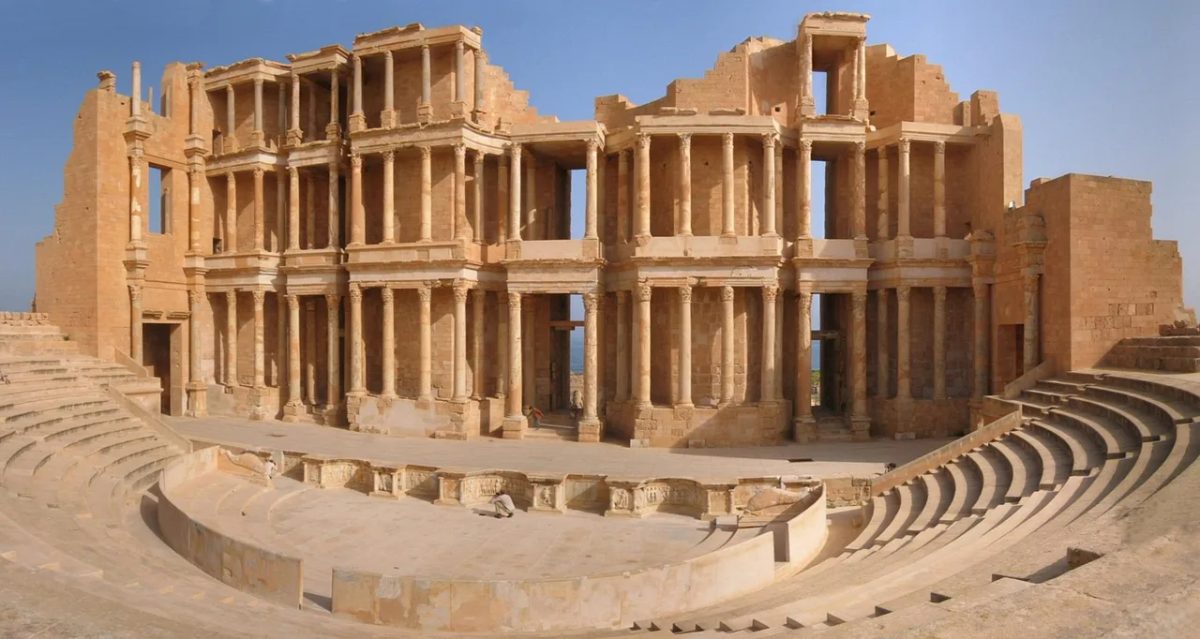
Das Theater des Ortes – mit einem dreistöckigen Bühnenhaus, das direkt auf das Mittelmeer blickt – gehört zu den spektakulärsten römischen Monumenten an der afrikanischen Küste. Mosaikreiche Insulae und der Tempel des Liber Pater dokumentieren einen wohlhabenden Hafen, der Olivenöl und Garum exportierte. Die UNESCO nahm Sabratha 1982 zusammen mit Leptis Magna in die Welterbeliste auf.
4. Bulla Regia – Rom unter der Erde
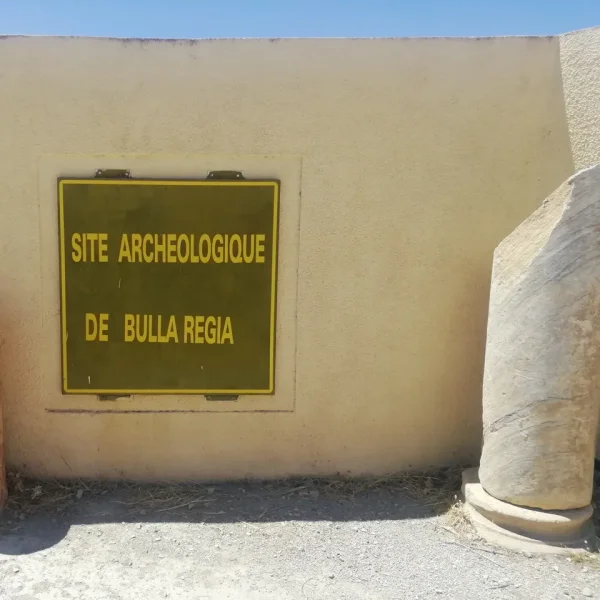
Im Medjerda-Tal im Norden Tunesiens bietet Bulla Regia etwas, das es sonst nirgendwo in der römischen Welt gibt: ganze Villenkomplexe, die unterirdisch gebaut wurden, um der Hitze zu entgehen. Die oberen Stockwerke stürzten ein oder wurden abgetragen, doch die unterirdischen Ebenen bewahrten Mosaikböden in situ – darunter das berühmte Amphitrite-Mosaik und die Jagdszenen des Hauses der Jagd.
Unter Hadrian zur Colonia erhoben, blühte Bulla Regia im 3. und 4. Jahrhundert n. Chr. Seine Wohnarchitektur ist das am besten erhaltene Bild römischen Elitenlebens in ganz Nordafrika.
5. Cuicul (Djemila) – Rom in den Bergen
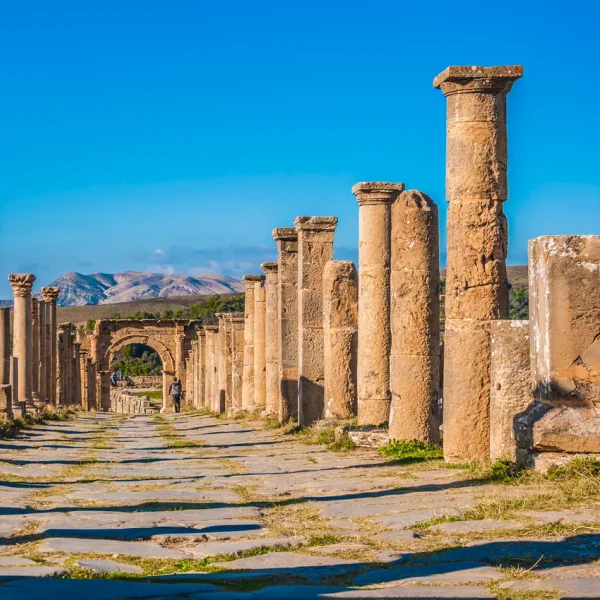
Anders als die Küstenstädte war Cuicul – das heutige Djemila im Aurès-Gebirge Algeriens – eine Hochlandkolonie, die unter Nerva um 97 n. Chr. gegründet wurde. Auf 900 Metern Höhe gedieh sie von Getreide und Olivenöl aus den umliegenden Tälern statt vom Seehandel.
Der Stadtplan ist außergewöhnlich kohärent: Forum, Kapitol, Basilika, Bäder und der Triumphbogen Caracallas (216 n. Chr.) vor bergiger Kulisse. Spätantike christliche Basiliken mit feinen Mosaiken dokumentieren den religiösen Wandel der Region. Die UNESCO nahm Djemila 1982 als Meisterwerk römischer Stadtplanung in bergigem Gelände auf.
Wie diese fünf Stätten zusammenhängen
Zusammen kartieren diese Stätten Roms afrikanische Provinzen über drei moderne Länder hinweg:
- Kyrenaika (Libyen): Griechische Kolonisation → römische Provinz → byzantinische Verteidigung (Kyrene + Apollonia)
- Tripolitanien (Libyen): Punischer Handel → römische Hafenstädte (Sabratha, dazu Leptis Magna und Oea)
- Africa Proconsularis (Tunesien/Algerien): Römische Kolonisation der Binnen- und Hochlandzonen (Bulla Regia, Cuicul)
Alle fünf ergänzen Karthago – die punisch-römische Metropole, die Roms afrikanisches Reich verankerte – und verbinden sich mit der umfassenderen römischen Zeitleiste auf Atlas Anatolia.
Zuletzt aktualisiert: Juli 2026
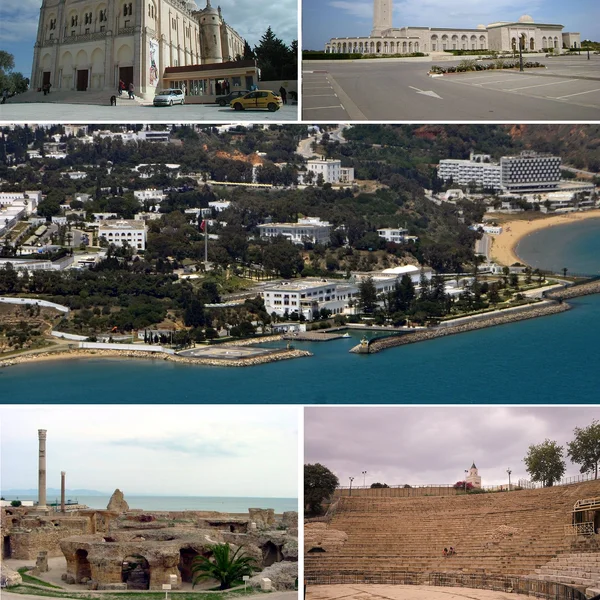
Tunisia
Carthage
Antiker phönizischer Stadtstaat, der zu Roms größtem Rivalen wurde, später als römische Metropole wiedergebore
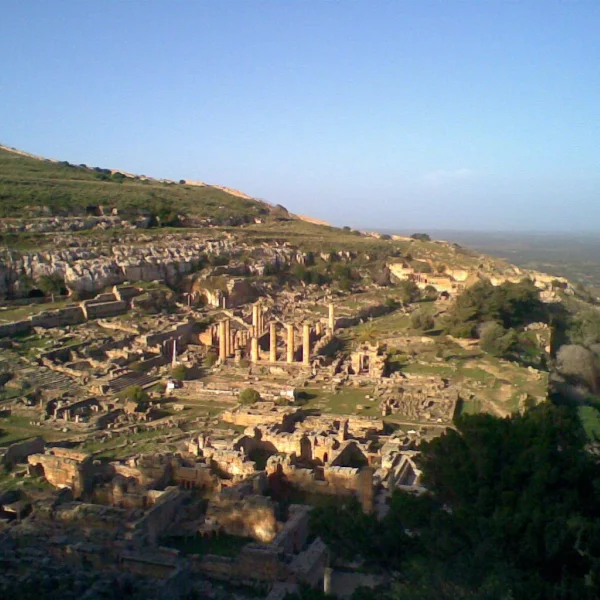
Libya
Cyrene
Eine große griechische Kolonie an der libyschen Küste der Cyrenaica, gegründet im 7. Jahrhundert v. Chr. und s
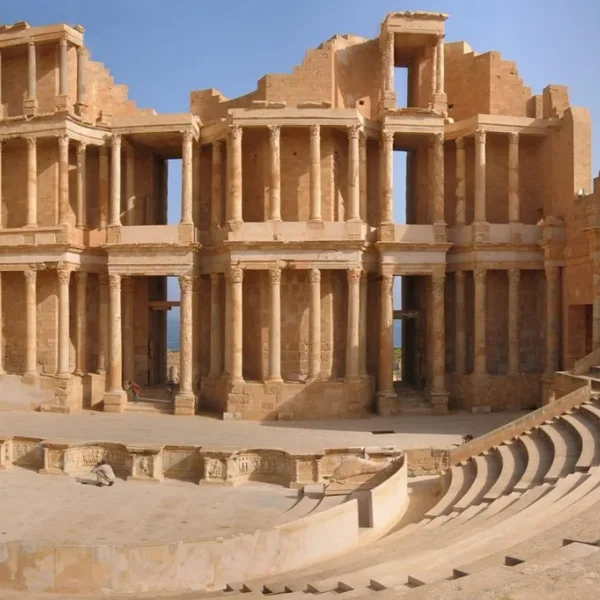
Libya
Sabratha
Ein punischer Handelsposten, der zur römischen Stadt an der libyschen Küste westlich von Tripolis wurde, berüh
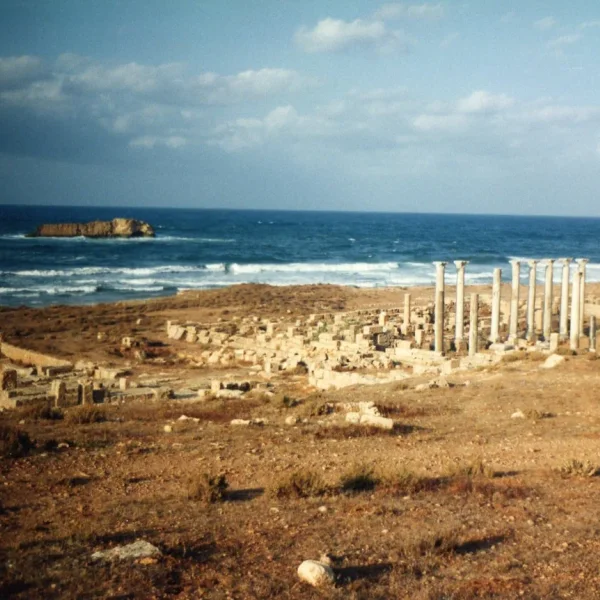
Libya
Apollonia
Der antike Hafen von Kyrene an der libyschen Küste, Apollonia diente als Hafenstadt für die griechische Haupts
Algeria
Cuicul (Djemila)
Eine römische Bergkolonie im Aurès-Gebirge in Algerien, Cuicul (das heutige Djemila), bewahrt eine der harmoni