Overview
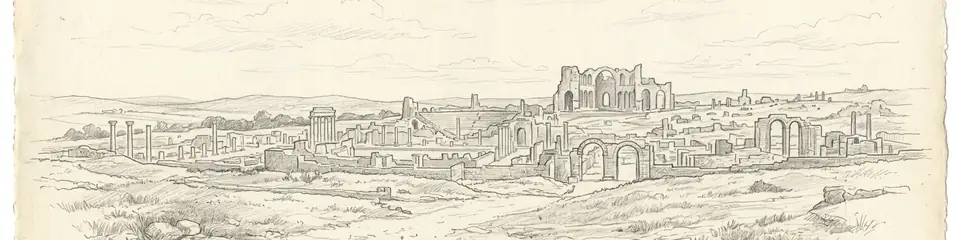
Bulla Regia lies in the fertile Medjerda Valley of northern Tunisia, inland from the coast and roughly 160 kilometres southwest of Tunis. The site has deep Punic and Numidian roots before becoming a Roman colonia under Hadrian in the early 2nd century CE.
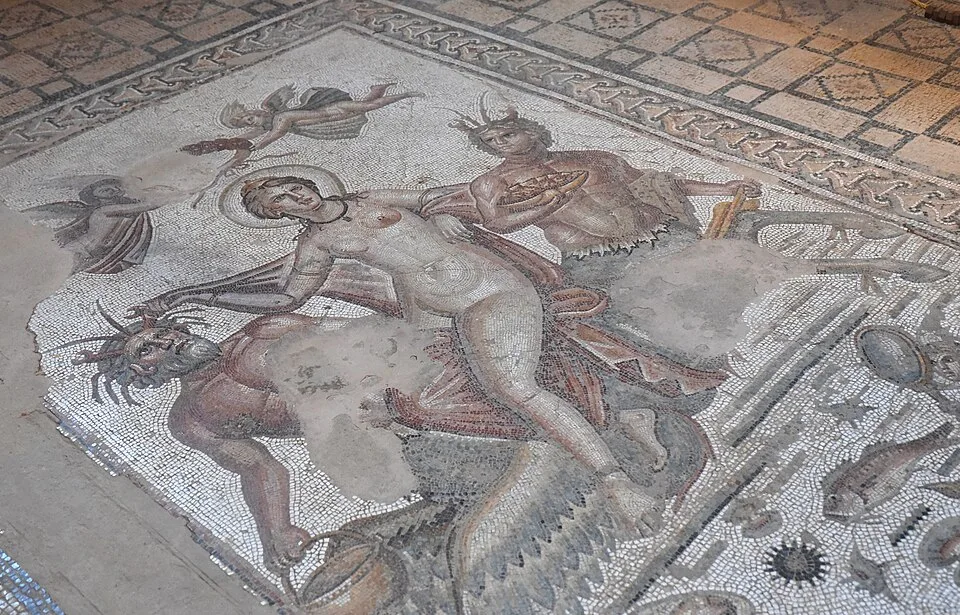
What makes Bulla Regia exceptional is its underground domestic architecture. Wealthy Roman citizens built villa complexes with entire lower floors sunk below ground — cool in summer, warm in winter — leaving upper structures largely destroyed but preserving mosaic pavements, peristyle courtyards, and bathing suites in remarkable condition. The "House of the Hunt" and "House of Amphitrite" contain mosaics among the finest in Roman Africa, including scenes of Diana hunting and Amphitrite in a chariot drawn by seahorses.
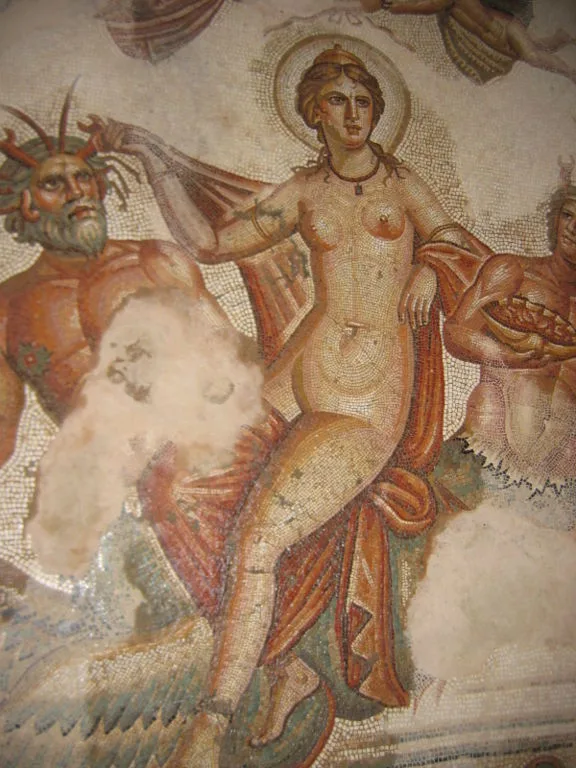
"The underground houses of Bulla Regia preserve mosaics in a condition rarely found elsewhere in the Roman world."
— M. Blanchard-Lemée et al., Mosaics of Roman Africa (1996)
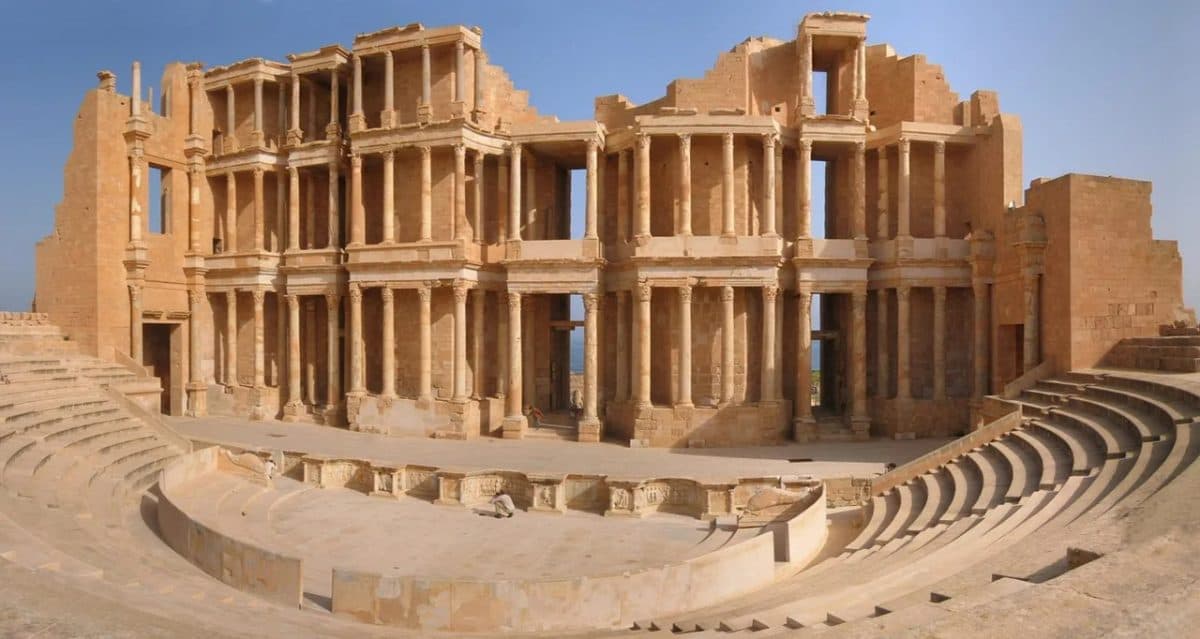
The city also preserves a theatre, Capitolium temple, forum, and public baths above ground. Bulla Regia flourished through the 3rd and 4th centuries CE before declining with Vandal and Byzantine rule. French and Tunisian archaeologists have excavated the site since the early 20th century.
The site is on Tunisia's national heritage list and is frequently cited alongside Carthage and Dougga as among the country's most important Roman ruins.