Overview
Ħaġar Qim stands on a ridge above the sea near Qrendi, a short walk from Mnajdra. The main temple’s outer wall uses enormous orthostats—some over 5 m long—arranged in a trilithon doorway and apsed chambers typical of Maltese temple architecture. Carved altar blocks, spiral motifs, and perforated “oracle” slabs belong to a ritual vocabulary shared with Ġgantija on Gozo and Tarxien near Valletta.
Excavation began under J. G. Vance in 1839; Themistocles Zammit and later Maltese missions refined the chronology within the Ġgantija and Tarxien phases of the Temple Period. A protective tent (2009) shields the soft limestone from salt spray and rain. Nearby Mnajdra’s solar alignments at equinox sunrise make the pair a classroom for prehistoric astronomy debates.
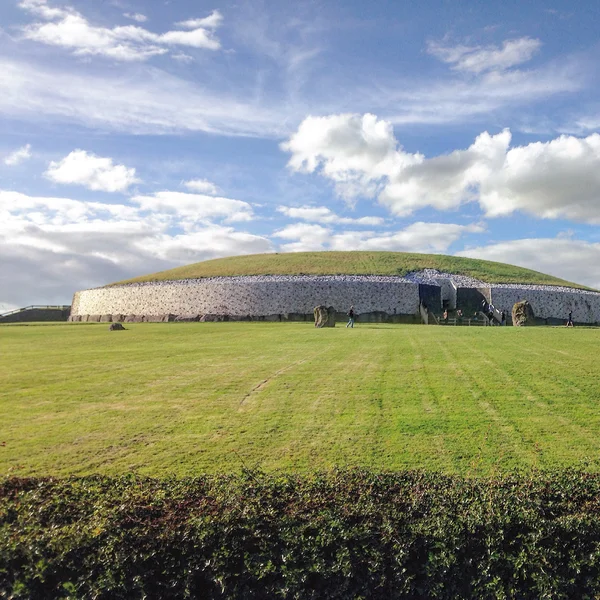
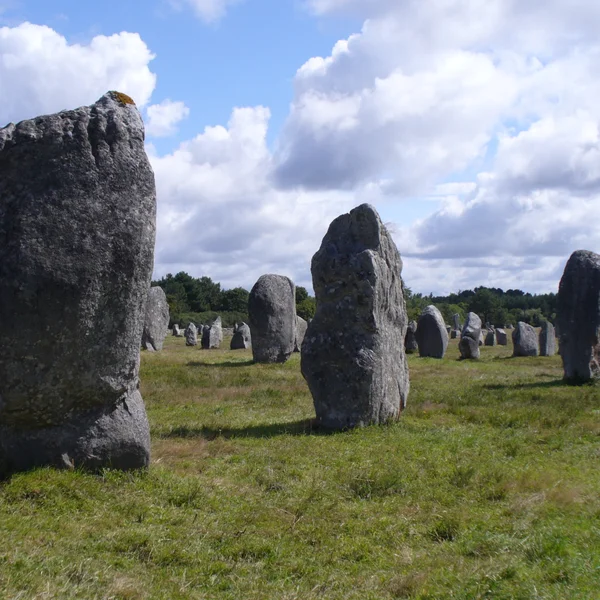
Pair Ħaġar Qim with Newgrange and Carnac for Atlantic–Mediterranean megalithic traditions that are monumental without metal or writing.