
Перейти к содержанию
Atlas Anatolia
НовостиЗубы ледникового периода на Сулавеси отодвигают использование бетеля на 25 000 лет назадРимская мозаика и голова Эрота обнаружены в базилике Помпейополиса, Кастамону
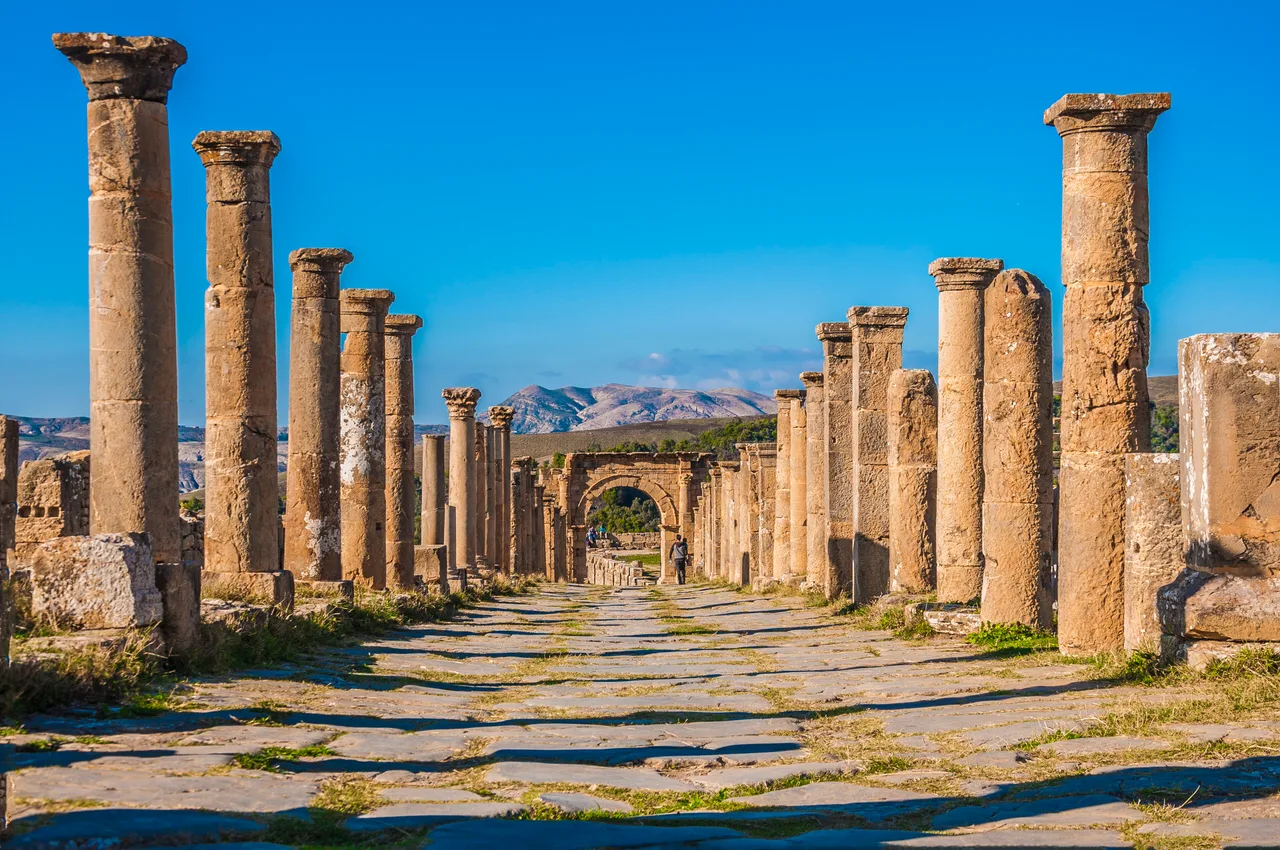
The Roman forum at Cuicul (Djemila), Algeria, with mountains behind

Wikimedia Commons

Country Record

Oldest City in Algeria

ГородЮНЕСКО

Cuicul (Djemila)

Seyfi Cem Baskin

جميلة97 н. э. – 600 н. э.

A Roman mountain colony in the Aurès range of Algeria, Cuicul (modern Djemila) preserves one of the most harmonious Roman urban layouts in Africa — forum, capitol, triumphal arch, baths, and Christian basilicas set against a dramatic mountain backdrop. UNESCO inscribed it as a masterpiece of Roman town planning adapted to a highland setting.

21
Интерес 48

Местоположение

Sétif Province · Aurès Mountains · Алжир

36.31°N · 5.73°E · Африка

Founded

Roman colony under Nerva, c. 97 CE

Setting

Aurès Mountains, ~900 m elevation

Highlight

Triumphal arch of Caracalla (216 CE)

UNESCO

World Heritage Site 1982

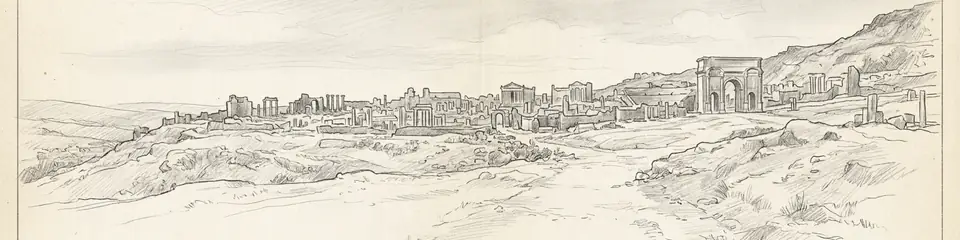
Graphite pencil sketch banner of Cuicul (Djemila)

“Cuicul demonstrates Roman urbanism away from the Mediterranean coast — essential for understanding how the empire integrated inland North Africa through colonisation and infrastructure.”

Местоположение

Обзор

Cuicul — the Roman name for what is now Djemila in northeastern Algeria — was founded as a military colony under Nerva around 97 CE, strategically placed in the Aurès Mountains at roughly 900 metres elevation. The city developed rapidly under the Antonine emperors into a prosperous mountain town serving the agricultural hinterland of the high plateau.

Unlike coastal cities shaped by port commerce, Cuicul's prosperity rested on grain, olive oil, and livestock from the surrounding fertile valleys. The urban plan is exceptionally coherent: a forum bordered by a capitol temple, basilica, and curia; a triumphal arch of Caracalla (216 CE); extensive baths; and later Christian basilicas including one of the finest mosaic-decorated churches in Roman Africa.
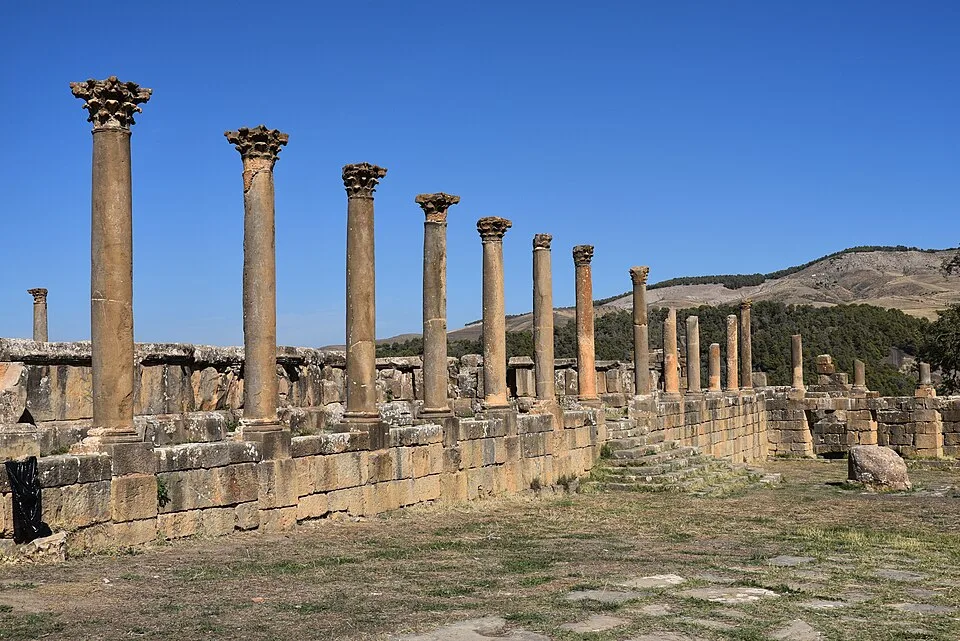
The Severan Forum, Cuicul (Djémila), Numidia, Algeria - 52664724020
The Severan Forum, Cuicul (Djémila), Numidia, Algeria - 52664724020 | Carole Raddato (CC BY-SA 2.0)
"Cuicul, founded as a colony under Nerva, rose to prosperity in the highlands of Numidia through the grain and olive oil of its hinterland."
— Albert Ballu, Les ruines de Cuicul (1911)

French archaeologist Albert Ballu excavated the site systematically from 1909, revealing mosaics now partly housed in the on-site museum. The city's mountain setting required terracing and adaptation of standard Roman urban models to sloping terrain — a case study in how imperial urbanism flexed to local geography.
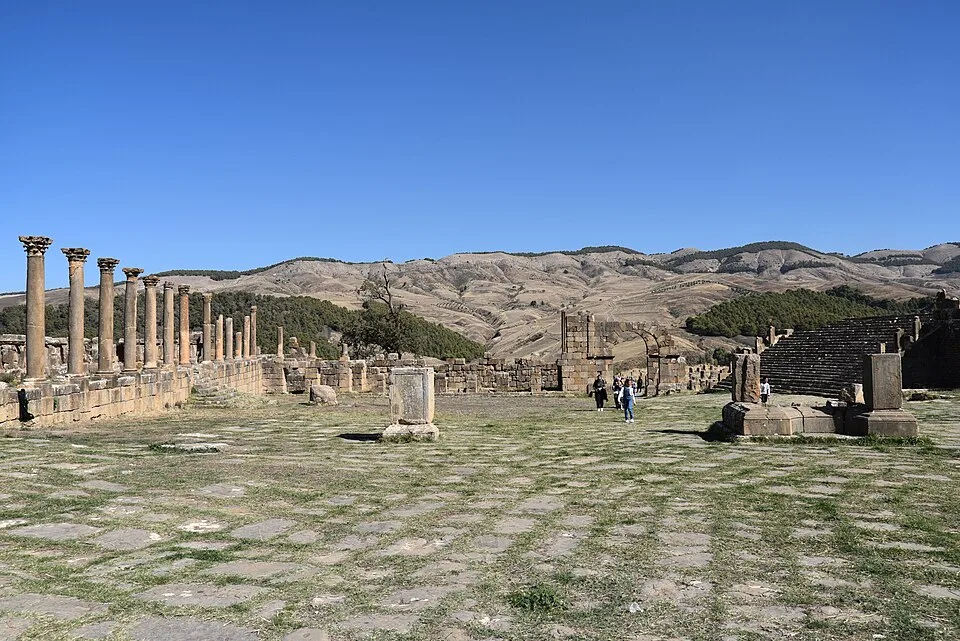
The Severan Forum, Cuicul (Djémila), Numidia, Algeria
The Severan Forum, Cuicul (Djémila), Numidia, Algeria | Carole Raddato (CC BY-SA 2.0)

Djemila was inscribed as a UNESCO World Heritage Site in 1982, recognised as an exceptional example of Roman town planning integrated into a mountain landscape.
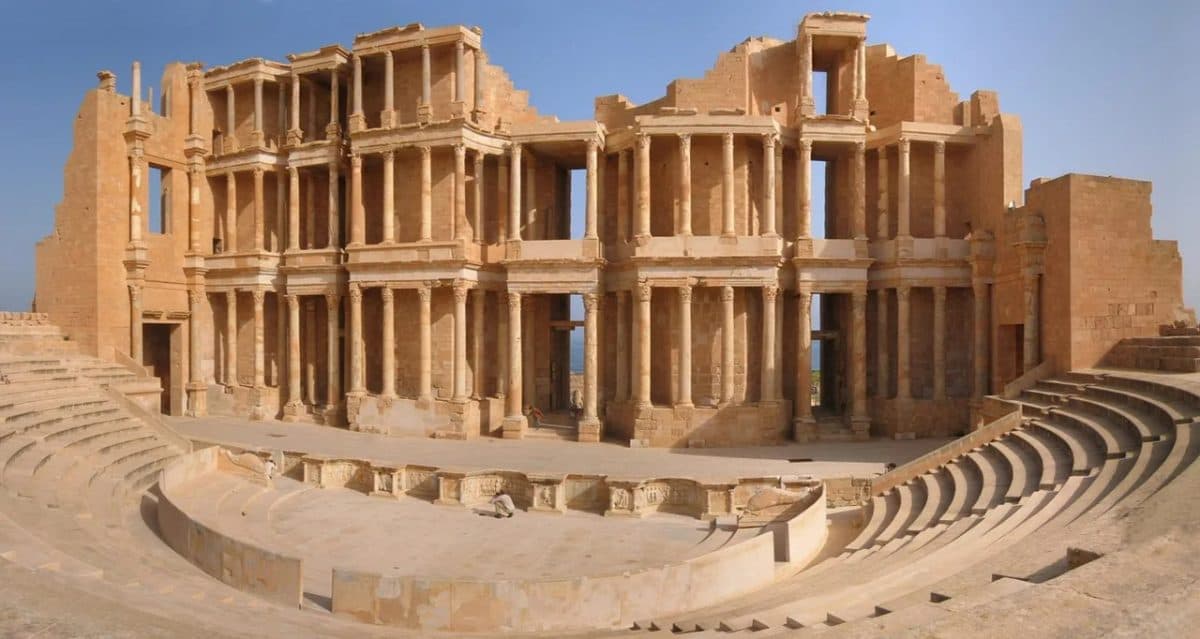
Почему это важно

Cuicul demonstrates Roman urbanism away from the Mediterranean coast — essential for understanding how the empire integrated inland North Africa through colonisation and infrastructure. Its intact forum-capitol-basilica ensemble and triumphal arch provide one of the clearest readable Roman city plans in Algeria. The Christian basilica mosaics document the late antique transition in a region that would become central to North African Christianity and Donatist controversies.

Свидетельства и интерпретация

Различать, что хорошо установлено, а что остаётся предметом дискуссий.

Хорошо установленные факты

2
  • The forum, capitol, and triumphal arch form a coherent 2nd–3rd century CE urban core.
  • Christian basilicas with mosaics document late antique religious transformation.

Научные выводы

1
  • Mountain location implies economic reliance on highland agriculture rather than maritime trade.

Фотографии сообщества

Поделитесь своими впечатлениями

Вы посещали это место? Загрузите свои фотографии, чтобы помочь другим открыть его для себя.

Похожие истории

Как цитировать эту страницу

Atlas Anatolia. (97). Cuicul (Djemila). Atlas Anatolia. https://atlasanatolia.com/ru/site/cuicul

Материалы распространяются по лицензии CC BY-SA 4.0 — при повторном использовании указание авторства обязательно.

График

Связи с соответствующими памятниками и историями.

Источники

  • Les ruines de Cuicul — Ballu, Albert (1911)
  • UNESCO — DjemilaСсылка

Часто задаваемые вопросы

Где находится Cuicul (Djemila)?

Cuicul (Djemila) находится в Sétif Province, Aurès Mountains, Algeria.

Сколько лет Cuicul (Djemila)?

Cuicul (Djemila) датируется приблизительно 97 н. э. – 600 н. э..

С какими цивилизациями связано место Cuicul (Djemila)?

Cuicul (Djemila) связано с цивилизацией: Roman.

Почему Cuicul (Djemila) имеет важное значение?

Cuicul demonstrates Roman urbanism away from the Mediterranean coast — essential for understanding how the empire integrated inland North Africa through colonisation and infrastructure.

Входит ли Cuicul (Djemila) в список Всемирного наследия ЮНЕСКО?

Да — Cuicul (Djemila) включено в список Всемирного наследия ЮНЕСКО.