
콘텐츠로 건너뛰기
Atlas Anatolia
디그
뉴스술라웨시 빙하기 치아에서 빈랑 사용 25,000년 전까지 소급카스타모누 폼페이오폴리스 바실리카에서 로마 모자이크와 에로스 두상 발견
The ancient Roman gate known as Cleopatra's Gate in modern Tarsus

Wikimedia Commons

Continent Record

Oldest City in Asia

도시주요

Tarsus

Seyfi Cem Baskin

7000 기원전 – 1453 서기

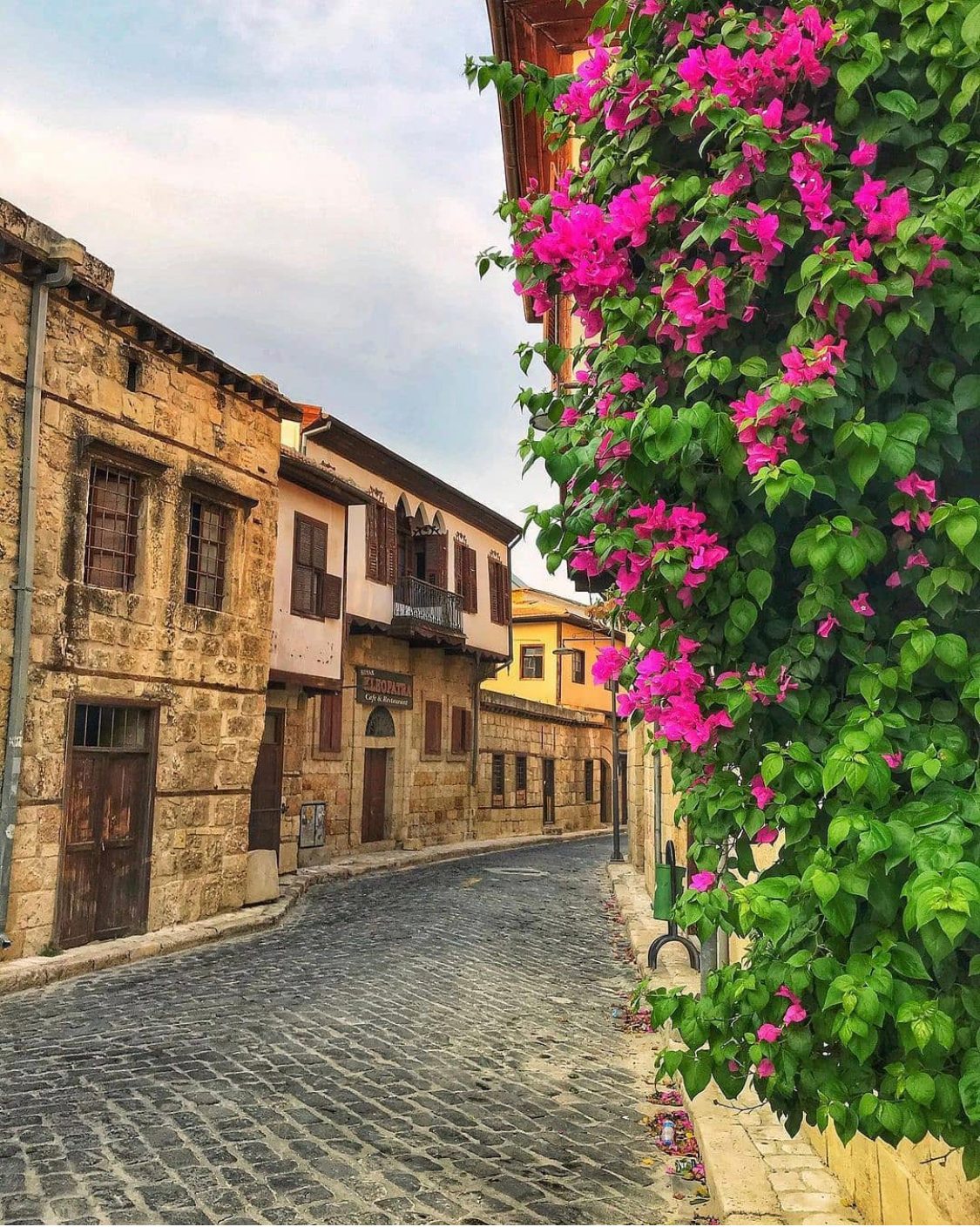
One of the oldest continuously inhabited cities in the world — birthplace of St. Paul, where Cleopatra first met Mark Antony, and a major center of Stoic philosophy rivaling Athens and Alexandria.

411
관심 63

위치

Mersin · Mediterranean · 튀르키예

36.92°N · 34.89°E · 아시아

St. Paul

Birthplace of the Apostle Paul (Saul of Tarsus)

Cleopatra

Where Cleopatra met Mark Antony in 41 BCE

Philosophy

Stoic schools rivaled Athens and Alexandria (Strabo)

Age

Continuously inhabited for over 9,000 years

Notable Finds

The 'Tarsus Hoard' of 4th-century BCE gold staters, discovered in 1968, and a Roman-period mosaic depicting the 'Four Seasons'.

Dating Method

Radiocarbon dating of charcoal and bone from the Gozlukule mound, combined with ceramic typology, establishes the Neolithic sequence.

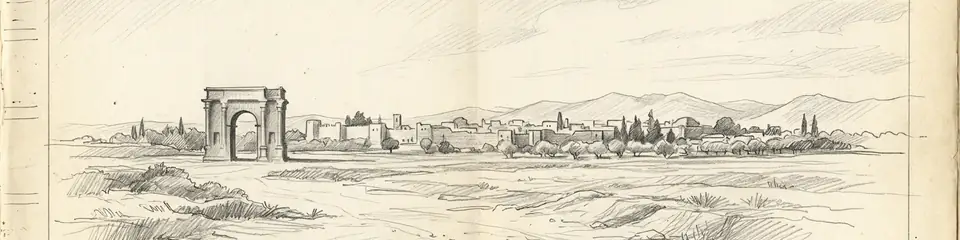
Graphite pencil sketch banner of Tarsus

“Tarsus is one of the few cities in the world where continuous human habitation from the Neolithic to the present can be documented archaeologically.”

위키백과에서

Tarsus is one of the oldest continuously inhabited cities in the world, birthplace of St. Paul, where Cleopatra met Antony, and a renowned center of Stoic philosophy.

위키백과에서 전체 기사 읽기 →

위치

개요

Tarsus is one of the most historically layered cities in all of Anatolia, with continuous habitation stretching back to the Neolithic period. Located on the fertile Cilician plain where the Tarsus River (ancient Cydnus) flows toward the Mediterranean, the city's strategic position made it a crossroads of civilizations for over 9,000 years.

The city's most famous son is St. Paul the Apostle (Saul of Tarsus), whose letters form a cornerstone of the New Testament and whose missionary journeys from this base city helped shape the course of Christianity. But Tarsus's significance extends far beyond its Biblical associations. In antiquity it was renowned as a center of intellectual life, particularly Stoic philosophy — Strabo ranked its schools above those of Athens and Alexandria.

"Tarsus is a city of Cilicia, not inferior to the chief cities of that province for wealth and magnitude."
— Strabo, c. 7 BCE - 23 CE

One of the most celebrated events in ancient history took place at Tarsus in 41 BCE, when Cleopatra VII sailed up the Cydnus River on a golden barge to meet Mark Antony. The city also served as a major administrative center under Persian, Hellenistic, and Roman rule, and Alexander the Great nearly died here after swimming in the icy Cydnus.

The Gozlukule mound in the city center preserves layers dating from the Neolithic through the Byzantine period, documenting nearly ten millennia of urban life. Hittite texts mention the city as Tarsa, and it appears in Assyrian records as well. The Roman-era Cleopatra's Gate (actually a Roman arch) and the Well of St. Paul are among the surviving monuments.
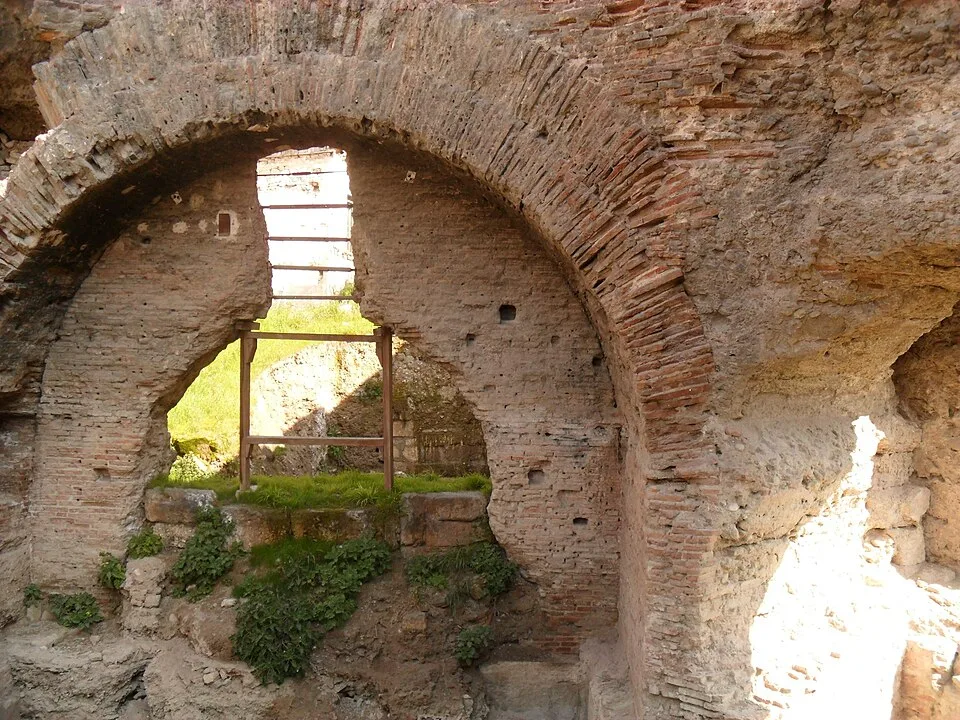
Altından geçme
Altından geçme | Nedim Ardoğa (CC BY-SA 3.0)

Archaeology reveals the city's material wealth and cosmopolitan nature. Excavations at the Gozlukule mound, led by Hetty Goldman from 1934, uncovered extensive evidence of a major Hittite administrative center, including a fortified gate complex. In the Roman era, Tarsus was remade with monumental architecture, including a paved colonnaded street (the Cardo) and an advanced, vaulted sewer system that serviced the urban core, reflecting its status as the capital of the Roman province of Cilicia. The city's prosperity was built on the fertile Cilician plain's agriculture and its position on key trade routes connecting Anatolia to Syria and the Mediterranean. While it remained a significant ecclesiastical center into the Byzantine period, the silting of its harbor and regional political shifts after the Arab incursions of the 7th century CE led to a gradual decline in its wider economic and strategic importance, though habitation continued.

중요성

Tarsus is one of the few cities in the world where continuous human habitation from the Neolithic to the present can be documented archaeologically. As the birthplace of St. Paul, it holds profound significance for Christianity and the history of Western civilization. The city's role as an intellectual center — where Stoic philosophy flourished alongside multicultural exchange between Greek, Anatolian, Semitic, and eventually Roman traditions — makes it essential for understanding how ideas traveled across the ancient Mediterranean. Tarsus embodies the deep layering of civilizations that defines Anatolia.

증거와 해석

확립된 사실과 논쟁 중인 사항을 구분합니다.

잘 확립된 사실

4
  • Gozlukule mound excavations document continuous occupation from the Neolithic (c. 7000 BCE) through the Byzantine period, confirmed by radiocarbon dating and ceramic typology.
  • St. Paul identifies himself as a citizen of Tarsus in Acts 21:39, and the city's importance as a center of learning is confirmed by Strabo (Geography 14.5.13).
  • Hittite texts reference Tarsus as Tarsa, placing it within the Kizzuwatna kingdom during the Bronze Age.
  • Excavations at Gozlukule by Hetty Goldman (1934-1947) and subsequent teams have uncovered a stratified sequence from the Neolithic to the Byzantine period, including a major Late Bronze Age Hittite level.

학술적 추론

1
  • The Cleopatra's Gate monument, though Roman in its current form, likely marks the approximate route of Cleopatra's approach up the Cydnus River as described by Plutarch.

논쟁 중인 해석

1
  • The biblical identification of Tarsus with Tarshish mentioned in the Hebrew Bible remains debated, with alternative locations proposed in Spain and North Africa.

발견과 발굴

1934–1939

Gozlukule excavations

지휘 Hetty Goldman

Hetty Goldman led excavations at the Gozlukule mound, revealing occupation layers from the Neolithic through the Byzantine period.

1947–1949

Continued Gozlukule work

Further seasons at Gozlukule documented the Bronze Age levels and connections to Hittite-period Cilicia.

1993–2010

Turkish excavations

Bogazici University resumed excavations at Gozlukule, focusing on the early layers and reinterpreting the stratigraphic sequence with modern methods.

2015

Urban archaeology

Rescue excavations in the modern city center uncovered Roman-era colonnaded streets and portions of the ancient harbor infrastructure.

커뮤니티 사진

당신의 경험을 공유하세요

이 유적지를 방문하셨나요? 다른 탐험가들을 위해 사진을 업로드해 보세요.

이 페이지 인용 방법

Atlas Anatolia. (7000). Tarsus. Atlas Anatolia. https://atlasanatolia.com/ko/site/tarsus

콘텐츠는 CC BY-SA 4.0 라이선스에 따라 제공됩니다 — 재사용 시 출처 표시가 필요합니다.

World History Encyclopedia에서 전체 기사 읽기
World History Encyclopedia · CC BY-NC-SA

출처

  • Excavations at Gozlu Kule, Tarsus — Hetty Goldman (1950)
  • Tarsus: A Forgotten Metropolis of the Ancient World — Oya San (2005)
  • Wikipedia — Tarsus, Mersin링크

자주 묻는 질문

Tarsus은(는) 어디에 위치해 있나요?

Tarsus은(는) Mersin, Mediterranean, Türkiye에 위치해 있습니다.

Tarsus의 연대는 언제인가요?

Tarsus의 연대는 대략 7000 기원전 – 1453 서기로 거슬러 올라갑니다.

Tarsus과(와) 관련된 고대 문명은 무엇인가요?

Tarsus은(는) Hittite, Greek, Roman, Byzantine 문명과 관련이 있습니다.

Tarsus이(가) 중요한 이유는 무엇인가요?

Tarsus is one of the few cities in the world where continuous human habitation from the Neolithic to the present can be documented archaeologically.

Tarsus은(는) 유네스코 세계유산인가요?

Tarsus은(는) 현재 유네스코 세계유산 목록에 등재되어 있지 않습니다.