
콘텐츠로 건너뛰기
Atlas Anatolia
디그
뉴스술라웨시 빙하기 치아에서 빈랑 사용 25,000년 전까지 소급카스타모누 폼페이오폴리스 바실리카에서 로마 모자이크와 에로스 두상 발견
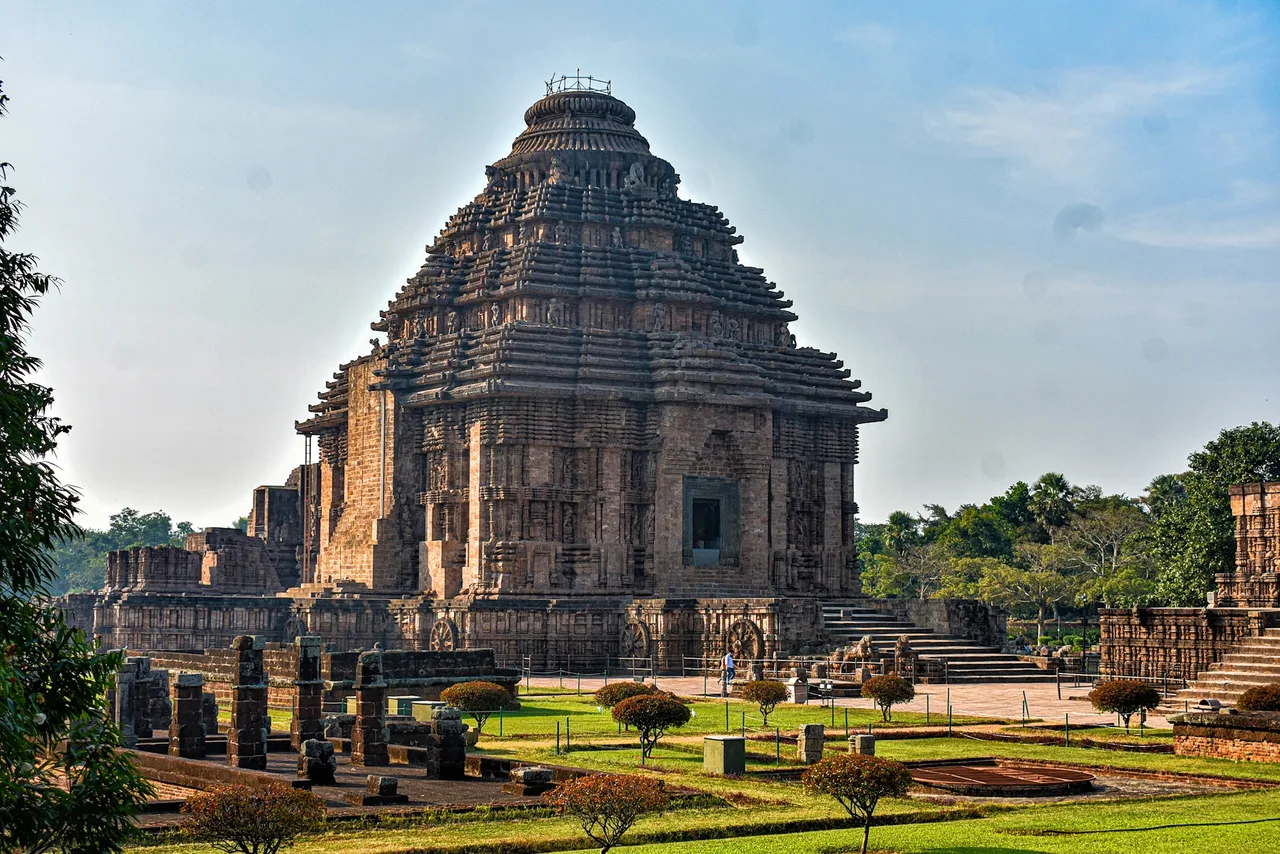
The stone chariot wheels and jagamohana of Konark Sun Temple, Odisha, India

Wikimedia Commons

Country Record

Known by the Most Names in India

신전유네스코주요

Konark Sun Temple

Seyfi Cem Baskin

ਕੋਣਾਰਕ ਸੂਰਜ ਮੰਦਰ1244 서기 – 1264 서기

A 13th-century masterpiece of Odishan temple architecture conceived as the cosmic chariot of the sun god Surya — its massive stone wheels, rearing horses, and intricate sculptural programme covering every surface make it one of the most extraordinary religious monuments ever built.

31
관심 75

위치

인도

19.89°N · 86.09°E · 아시아

Built

c. 1244-1264 CE, by King Narasimhadeva I

Concept

Entire temple conceived as Surya's cosmic chariot

Wheels

24 stone wheels (~3 m diameter each), intricately carved

Sailors' name

"Black Pagoda" — used as a navigation landmark from the sea

Original height

Estimated 70 m (main deul, now collapsed)

UNESCO

World Heritage Site 1984

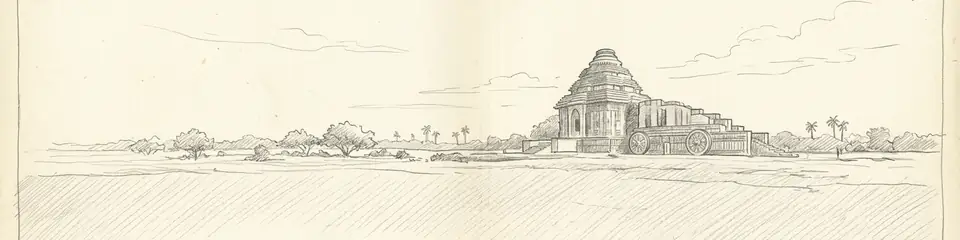
Graphite pencil sketch banner of Konark Sun Temple

“The Konark Sun Temple is the supreme achievement of the Kalinga school of temple architecture and one of the most ambitious architectural conceptions of the medieval world: an entire temple designed as a divine chariot moving through the sky.”

위치

개요

Konark Sun Temple stands on the Bay of Bengal coast in Odisha (Orissa), eastern India, approximately 65 kilometres from the state capital Bhubaneswar. It was constructed around 1250 CE by King Narasimhadeva I of the Eastern Ganga dynasty, one of the most powerful rulers of medieval India. The temple was conceived as a colossal stone chariot of the sun god Surya: the entire platform rides on 24 intricately carved stone wheels (each about 3 metres in diameter) pulled by seven rearing horses, representing the seven days of the week.

The scale of the original structure was extraordinary. The main sanctuary (deul) once rose to an estimated height of 70 metres and was visible from the sea — European sailors called it the "Black Pagoda" and used it as a navigation landmark. The dancing hall (jagamohana) still stands at about 40 metres. The temple's exterior is covered from base to top with a dense programme of sculpture: solar deities, celestial musicians and dancers, erotic couples (mithuna), animals, mythological scenes, and an extraordinary series of images of everyday life. The precision and vitality of the carving is unmatched in Indian stone sculpture.

The main deul collapsed at some point between the 16th and 18th centuries — possibly from structural instability, an earthquake, or the removal of the lodestone that reportedly held the central idol in suspension. The surviving jagamohana and subsidiary shrines were designated a UNESCO World Heritage Site in 1984.

중요성

The Konark Sun Temple is the supreme achievement of the Kalinga school of temple architecture and one of the most ambitious architectural conceptions of the medieval world: an entire temple designed as a divine chariot moving through the sky. Its 24 stone wheels — each a masterpiece of decorative carving — have become one of India's most recognisable symbols, reproduced on the national flag of India's neighbor and inspiring the Ashoka Chakra. The density and quality of the sculptural programme at Konark is without parallel in Indian art: thousands of figures covering every surface, ranging from the cosmic to the erotic to the everyday, constitute an encyclopaedia of medieval Odishan life and religious thought. That such a monument was built in the 13th century — at a time when much of northern India was under the Delhi Sultanate — in a deliberately chosen coastal site visible from the sea speaks to the ambition and confidence of the Eastern Ganga dynasty.

증거와 해석

확립된 사실과 논쟁 중인 사항을 구분합니다.

잘 확립된 사실

3
  • An inscription from the reign of Narasimhadeva I confirms the temple's construction in the mid-13th century; the Eastern Ganga royal chronicles also reference the building.
  • The 24 stone chariot wheels and the bases of the seven horses survive in place, confirming the chariot-temple conception; the wheels are dated by art-historical and contextual analysis to c. 1250 CE.
  • European accounts from the 16th century onward refer to the "Black Pagoda" as a navigation landmark, confirming the main tower's visibility from the Bay of Bengal.

학술적 추론

1
  • The collapse of the main deul (sanctuary tower) occurred between the 16th and 18th centuries; the cause is debated — structural instability from the removal of the finial, an earthquake, or deliberate demolition are all proposed but unconfirmed.

커뮤니티 사진

당신의 경험을 공유하세요

이 유적지를 방문하셨나요? 다른 탐험가들을 위해 사진을 업로드해 보세요.

이 페이지 인용 방법

Atlas Anatolia. (1244). Konark Sun Temple. Atlas Anatolia. https://atlasanatolia.com/ko/site/konark-sun-temple

콘텐츠는 CC BY-SA 4.0 라이선스에 따라 제공됩니다 — 재사용 시 출처 표시가 필요합니다.

출처

  • Konarak: The Sun Temple of Orissa — Donaldson, Thomas E. (1985)
  • Konarak — Mitra, Debala (1968)

자주 묻는 질문

Konark Sun Temple은(는) 어디에 위치해 있나요?

Konark Sun Temple은(는) India에 위치해 있습니다.

Konark Sun Temple의 연대는 언제인가요?

Konark Sun Temple의 연대는 대략 1244 서기 – 1264 서기로 거슬러 올라갑니다.

Konark Sun Temple과(와) 관련된 고대 문명은 무엇인가요?

Konark Sun Temple은(는) Eastern Ganga Dynasty 문명과 관련이 있습니다.

Konark Sun Temple이(가) 중요한 이유는 무엇인가요?

The Konark Sun Temple is the supreme achievement of the Kalinga school of temple architecture and one of the most ambitious architectural conceptions of the medieval world: an entire temple designed as a divine chariot moving through the sky.

Konark Sun Temple은(는) 유네스코 세계유산인가요?

예 — Konark Sun Temple은(는) 유네스코 세계유산으로 등재되어 있습니다.