
콘텐츠로 건너뛰기
Atlas Anatolia
디그
뉴스술라웨시 빙하기 치아에서 빈랑 사용 25,000년 전까지 소급카스타모누 폼페이오폴리스 바실리카에서 로마 모자이크와 에로스 두상 발견
A naturalistic bronze head from Ile-Ife, Nigeria, cast using the lost-wax technique, c. 12th–15th century CE

Wikimedia Commons

Country Record

Longest Continuously Occupied Site in Nigeria

도시

Ile-Ife

Seyfi Cem Baskin

Ilé-Ifẹ̀500 서기 – 1500 서기

Regarded by the Yoruba people as the spiritual birthplace of humanity and the sacred origin city of Yoruba civilization — a major West African urban centre that produced, between roughly the 12th and 15th centuries CE, some of the most technically accomplished bronze and terracotta portrait sculptures in world art. Their naturalism was so unexpected to early 20th-century European observers that it briefly spawned a discredited theory attributing them to a lost "Atlantean" or Greek colony rather than African artists.

311
관심 59

위치

Osun State · 나이지리아

7.47°N · 4.57°E · 아프리카

Significance

Sacred origin city of the Yoruba people in Oduduwa creation tradition

Classical age

c. 1000–1500 CE — peak of Ife's urban and artistic development

Bronzes

Life-sized lost-wax cast heads of extraordinary naturalism, 12th–15th century CE

Frobenius controversy

1910 "Atlantis" theory, since thoroughly discredited

Legacy

Yoruba tradition credits Ife with originating the Benin Kingdom's bronze-casting art

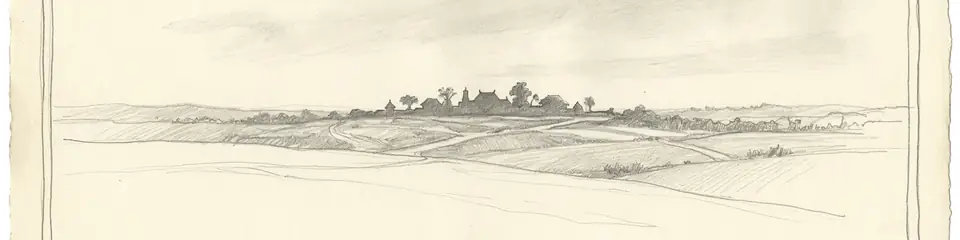
Graphite pencil sketch banner of Ile-Ife

“Ile-Ife's bronze and terracotta sculptures permanently disproved one of the most damaging myths in the history of African archaeology: the colonial-era assumption that sophisticated naturalistic art required external, non-African origins.”

위치

개요

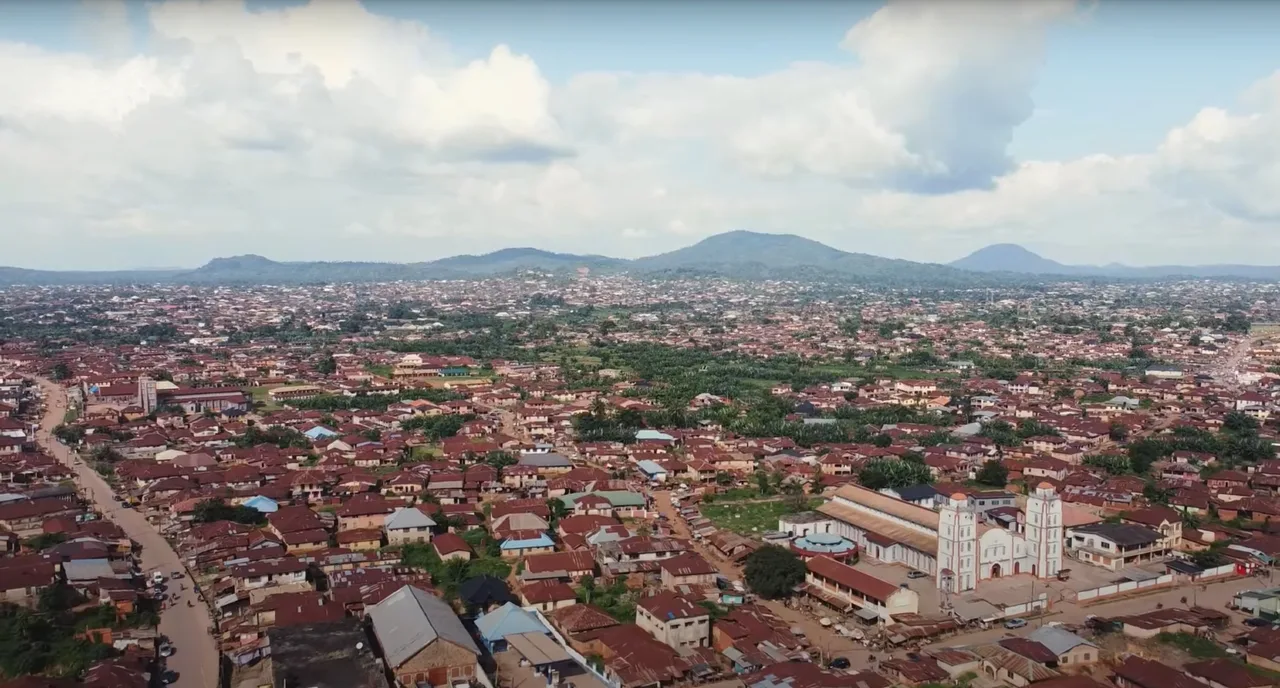
Ile-Ife lies in present-day Osun State, southwestern Nigeria, and holds a foundational place in Yoruba cosmology as Ilé-Ifẹ̀, the site where the deity Oduduwa is said to have descended from the heavens to create dry land and human beings — making it, in Yoruba religious tradition, not merely an ancient city but the literal point of origin of the world. This sacred status has anchored Ife's political and spiritual authority among Yoruba city-states for centuries; its ruler, the Ooni of Ife, continues to hold a paramount position of ritual seniority within Yoruba traditional government today.

Archaeologically, Ile-Ife emerged as a significant urban centre by around 500–800 CE and reached its artistic and political height between approximately 1000 and 1500 CE, a period sometimes referred to as its classical age. The city was encircled by extensive earthen walls, and excavations have revealed sophisticated urban planning, including potsherd-paved courtyards and streets. Ife's economy and craft production, particularly in glass beadmaking, connected it to long-distance trade networks extending across West Africa.

Ife's global art-historical reputation rests overwhelmingly on a remarkable body of sculpture produced during this classical period: life-sized and near-life-sized heads and figures cast in leaded bronze and brass using the lost-wax technique, alongside terracotta heads of comparable sophistication. These works depict individualised human faces — believed to represent kings (Ooni), queens, and other elite figures — with a naturalism, anatomical precision, and formal refinement that was, at the time of their rediscovery, unmatched by anything previously documented from sub-Saharan Africa in Western scholarship.

When German ethnologist Leo Frobenius encountered Ife bronzes during a 1910 expedition, he controversially proposed they were evidence of a lost colony of the mythical sunken civilization of Atlantis, or otherwise the work of ancient Greek settlers — a theory rooted in the racist assumption that West African societies could not have independently developed such technical and artistic sophistication. This claim was thoroughly discredited by subsequent archaeological and art-historical research, which firmly established the bronzes as an indigenous Yoruba achievement, technically and stylistically continuous with, and likely ancestral to, the later, equally celebrated bronze-casting tradition of the neighbouring Benin Kingdom, whose oral traditions credit Ife with sending the first master bronze-caster to Benin.

Major excavations by Frank Willett and other archaeologists from the 1950s onward, along with the chance 1938 discovery of eighteen additional bronze heads during building work (the Wunmonije Compound find), have substantially expanded the known corpus and refined the chronology of Ife art. Many of the finest works are held at the Ife Museum of Antiquities and the National Museum in Lagos, with others dispersed to international collections, some of which remain the subject of restitution discussions.

중요성

Ile-Ife's bronze and terracotta sculptures permanently disproved one of the most damaging myths in the history of African archaeology: the colonial-era assumption that sophisticated naturalistic art required external, non-African origins. The Frobenius "Atlantis" episode is now taught as a cautionary case study in how racial prejudice can distort scientific and art-historical interpretation even in the face of clear evidence. The technical sophistication of Ife's lost-wax bronze casting — achieving a level of anatomical naturalism that would not be matched in European sculpture again until the Renaissance — demonstrates an independently developed metallurgical and artistic tradition of the first rank, produced centuries before sustained European contact with the region. As the acknowledged spiritual and artistic wellspring for the later, more internationally famous Benin bronzes, Ife anchors the deep indigenous history of a West African artistic tradition whose looted 19th- and 20th-century artefacts remain at the centre of some of the most prominent restitution debates in museums worldwide today.

증거와 해석

확립된 사실과 논쟁 중인 사항을 구분합니다.

잘 확립된 사실

3
  • Metallurgical and stylistic analysis of the Ife bronzes confirms indigenous West African lost-wax casting technique and leaded-bronze/brass alloy composition, refuting any external origin.
  • The 1938 Wunmonije Compound discovery of eighteen bronze heads, combined with subsequent controlled excavations by Frank Willett and others, established a stratigraphic and stylistic chronology placing the classical bronze-casting period at approximately the 12th–15th centuries CE.
  • Archaeological excavation has documented extensive potsherd-paved courtyards and streets and substantial earthen city walls, confirming sophisticated urban planning at Ife during its classical period.

학술적 추론

1
  • The identification of specific bronze heads as portraits of individual named Ooni (kings) is inferred from Yoruba oral tradition and iconographic conventions rather than confirmed by contemporary inscriptions, since the works themselves bear no identifying text.

논쟁 중인 해석

1
  • Leo Frobenius's 1910 proposal that the bronzes derived from a lost Atlantean or Greek colony was a discredited, ideologically motivated theory rather than a genuine scholarly debate; it is documented here as a significant historiographical episode rather than a live scientific question.

발견과 발굴

1910

Leo Frobenius expedition

First major European documentation of Ife bronzes, accompanied by the since-discredited "Atlantis" origin theory.

1938

Wunmonije Compound discovery

Chance discovery of eighteen bronze heads during building foundation work, substantially expanding the known corpus of Ife art.

1957–1963

Frank Willett systematic excavations

Controlled stratigraphic excavation establishing the chronological framework for Ife's urban development and classical art period still used today.

커뮤니티 사진

당신의 경험을 공유하세요

이 유적지를 방문하셨나요? 다른 탐험가들을 위해 사진을 업로드해 보세요.

이 페이지 인용 방법

Atlas Anatolia. (500). Ile-Ife. Atlas Anatolia. https://atlasanatolia.com/ko/site/ile-ife

콘텐츠는 CC BY-SA 4.0 라이선스에 따라 제공됩니다 — 재사용 시 출처 표시가 필요합니다.

출처

  • Ife in the History of West African Sculpture — Willett, Frank (1967)
  • Dynasty and Divinity: Ife Art in Ancient Nigeria — Drewal, Henry John and Schildkrout, Enid (2009)
  • Treasures of Ancient Nigeria — Eyo, Ekpo and Willett, Frank (1980)

자주 묻는 질문

Ile-Ife은(는) 어디에 위치해 있나요?

Ile-Ife은(는) Osun State, Nigeria에 위치해 있습니다.

Ile-Ife의 연대는 언제인가요?

Ile-Ife의 연대는 대략 500 서기 – 1500 서기로 거슬러 올라갑니다.

Ile-Ife과(와) 관련된 고대 문명은 무엇인가요?

Ile-Ife은(는) Yoruba 문명과 관련이 있습니다.

Ile-Ife이(가) 중요한 이유는 무엇인가요?

Ile-Ife's bronze and terracotta sculptures permanently disproved one of the most damaging myths in the history of African archaeology: the colonial-era assumption that sophisticated naturalistic art required external, non-African origins.

Ile-Ife은(는) 유네스코 세계유산인가요?

Ile-Ife은(는) 현재 유네스코 세계유산 목록에 등재되어 있지 않습니다.