
콘텐츠로 건너뛰기
Atlas Anatolia
디그
뉴스술라웨시 빙하기 치아에서 빈랑 사용 25,000년 전까지 소급카스타모누 폼페이오폴리스 바실리카에서 로마 모자이크와 에로스 두상 발견
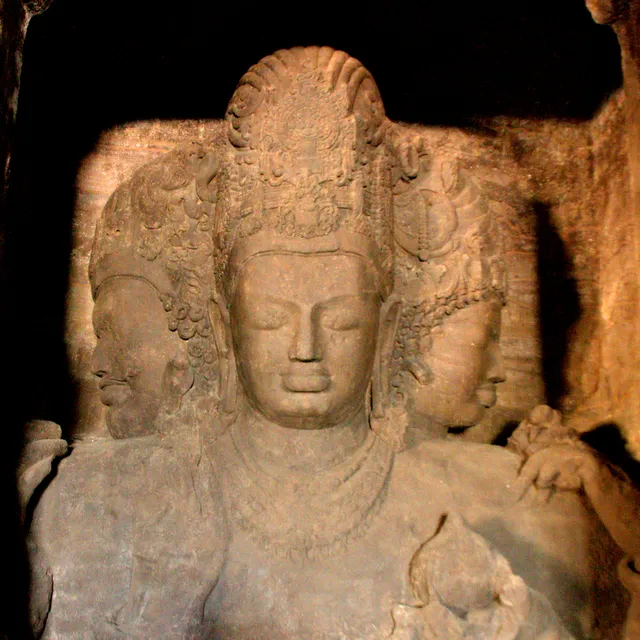
The Trimurti Shiva sculpture in the main cave at Elephanta Island

Wikimedia Commons

신전유네스코

Elephanta Caves

Seyfi Cem Baskin

घारापुरी लेणी500 서기 – 800 서기

Rock-cut Shaiva temples on Elephanta Island in Mumbai Harbour — famous for the 6-metre Trimurti Shiva and colonnaded main cave — among India's most visited ancient sites and a UNESCO World Heritage monument reached by ferry from the Gateway of India.

21
관심 71

위치

인도

18.96°N · 72.93°E · 아시아

Main cave

Cave 1 — Great Cave with Trimurti Shiva panel

Trimurti height

~5.5 m three-faced Shiva sculpture

Access

Ferry from Gateway of India, Mumbai (~1 hour)

UNESCO

World Heritage Site (1987)

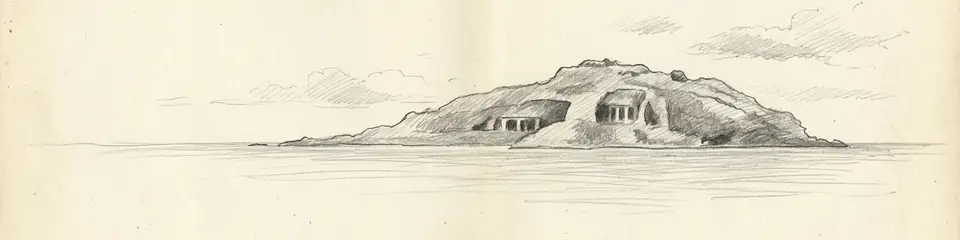
Graphite pencil sketch banner of Elephanta Caves

“Elephanta's Trimurti is the iconic image of early medieval Hindu sculpture — a colossal theological programme carved in situ on an island gateway to the subcontinent's greatest modern port.”

위치

개요

The Elephanta Caves occupy Gharapuri ("city of caves"), an island in Mumbai Harbour about 10 kilometres east of the Gateway of India, Maharashtra. The principal Cave 1 (Great Cave) dates to the 6th–8th centuries CE and contains a massive sculpted panel of Shiva as Trimurti (three-faced creator–preserver–destroyer) roughly 5.5 metres high, flanked by ardhanarishvara, Gangadhara, and other Shaiva scenes carved from living basalt.

Portuguese colonists named the island Elephanta after a stone elephant they found; the figure now stands at the Bhau Daji Lad Museum in Mumbai. The caves were defaced during Portuguese rule but remain the supreme example of early medieval western Indian rock-cut architecture. Smaller caves and unfinished excavations dot the hill.

The Archaeological Survey of India manages the site; UNESCO inscribed the Elephanta Caves in 1987. Daily ferries carry thousands of visitors from Mumbai, making it one of the most accessible major rock-cut complexes in India.

중요성

Elephanta's Trimurti is the iconic image of early medieval Hindu sculpture — a colossal theological programme carved in situ on an island gateway to the subcontinent's greatest modern port. The site documents the spread of Shaiva royal patronage on the Konkan coast contemporary with Badami, Ellora, and Mahabalipuram.

증거와 해석

확립된 사실과 논쟁 중인 사항을 구분합니다.

잘 확립된 사실

2
  • Stylistic analysis dates the Great Cave sculptures to the 6th–8th centuries CE, contemporary with early western Deccan rock-cut temples.
  • Portuguese accounts from the 16th century document the island, cave defacement, and the stone elephant that gave the site its European name.

학술적 추론

1
  • Royal patronage is attributed to Kalachuri or Rashtrakuta spheres on stylistic grounds; no founding inscription survives in the main cave.

커뮤니티 사진

당신의 경험을 공유하세요

이 유적지를 방문하셨나요? 다른 탐험가들을 위해 사진을 업로드해 보세요.

이 페이지 인용 방법

Atlas Anatolia. (500). Elephanta Caves. Atlas Anatolia. https://atlasanatolia.com/ko/site/elephanta-caves

콘텐츠는 CC BY-SA 4.0 라이선스에 따라 제공됩니다 — 재사용 시 출처 표시가 필요합니다.

출처

  • The Art of Ancient India — Huntington, Susan L. (1985)
  • UNESCO — Elephanta Caves링크

자주 묻는 질문

Elephanta Caves은(는) 어디에 위치해 있나요?

Elephanta Caves은(는) India에 위치해 있습니다.

Elephanta Caves의 연대는 언제인가요?

Elephanta Caves의 연대는 대략 500 서기 – 800 서기로 거슬러 올라갑니다.

Elephanta Caves과(와) 관련된 고대 문명은 무엇인가요?

Elephanta Caves은(는) Vedic Indian, Gupta 문명과 관련이 있습니다.

Elephanta Caves이(가) 중요한 이유는 무엇인가요?

Elephanta's Trimurti is the iconic image of early medieval Hindu sculpture — a colossal theological programme carved in situ on an island gateway to the subcontinent's greatest modern port.

Elephanta Caves은(는) 유네스코 세계유산인가요?

예 — Elephanta Caves은(는) 유네스코 세계유산으로 등재되어 있습니다.