
コンテンツへスキップ
Atlas Anatolia
ニュースIce Age teeth in Sulawesi push betel-nut use back as far as 25,000 yearsRoman mosaic and Eros head uncovered in the basilica at Pompeiopolis, Kastamonu
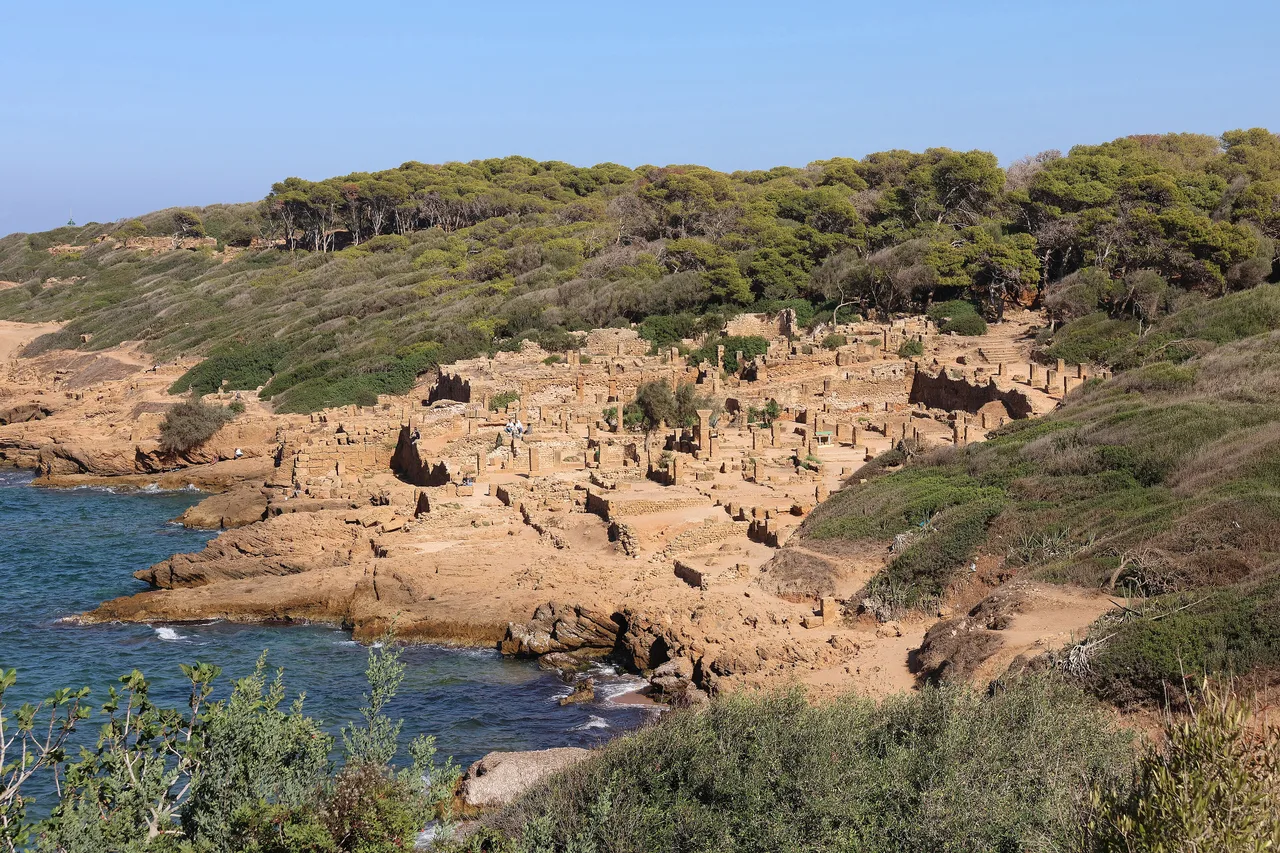
Roman ruins and early Christian basilica overlooking the Mediterranean at Tipasa, Algeria

Wikimedia Commons

Continent Record

Northernmost Known Site in Africa

都市UNESCO

Tipasa

Seyfi Cem Baskin

300 紀元前 – 430 西暦

A hauntingly beautiful ruin field stretching along the Algerian Mediterranean coast — a Phoenician trading post turned Roman colonial city whose theatres, basilicas, and royal mausoleum overlook the sea and inspired Albert Camus's famous essays on light and mortality.

31
関心 49

所在地

アルジェリア

36.59°N · 2.45°E · アフリカ

Origins

Phoenician/Punic trading post; Roman colony from 46 CE

Setting

Coastal promontory with ruins stretching to the sea

Key monument

Mausoleum of Juba II and Cleopatra Selene II (61 m diameter)

Literary fame

Setting of two essays by Albert Camus (1938, 1952)

UNESCO

World Heritage Site 1982

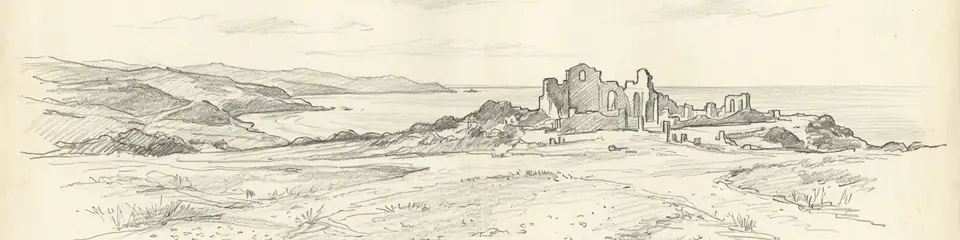
Graphite pencil sketch banner of Tipasa

“Tipasa is one of the best-preserved and most atmospherically situated Roman ruins in North Africa, distinguished by its coastal location and its palimpsest of Phoenician, Roman, and early Christian occupation.”

所在地

概要

Tipasa stands on a rocky promontory jutting into the Mediterranean on the Algerian coast, roughly 70 kilometres west of Algiers. Originally a Phoenician and later Punic trading settlement, it was elevated to a Roman colony under the Emperor Claudius in 46 CE and developed into a prosperous provincial town — one of the few Roman cities in North Africa laid out on a coastal rather than inland site.

The ruins stretch along the cliff edge above the sea: a forum, large basilica, theatre, temples, bath-houses, and extensive early Christian cemeteries line the coastal path. At the edge of the site rises the Great Mausoleum — a massive circular funerary monument 61 metres in diameter and 32 metres tall, believed to be the tomb of the Berber king Juba II and his wife Cleopatra Selene II (daughter of Mark Antony and Cleopatra of Egypt).

Tipasa was sacked by the Vandals in the 5th century, rebuilt under Byzantine rule, and abandoned in the early Islamic period. The writer Albert Camus, who grew up nearby, wrote two celebrated essays ("Nuptials at Tipasa", 1938; "Return to Tipasa", 1952) that use the ruins to meditate on beauty, the absurd, and the Mediterranean light — making the site one of the most literary of all ancient ruins. UNESCO inscribed it in 1982.

重要性

Tipasa is one of the best-preserved and most atmospherically situated Roman ruins in North Africa, distinguished by its coastal location and its palimpsest of Phoenician, Roman, and early Christian occupation. Its Mausoleum links Roman imperial history to indigenous North African royalty in a single monument. Beyond archaeology, Tipasa holds a unique place in world literature. Albert Camus returned to it throughout his life and wrote some of his most lyrical prose about its ruins, making it a pilgrimage site for readers of existentialist literature. The combination of extraordinary ancient remains and living literary significance makes Tipasa unlike almost any other archaeological site in the world.

証拠と解釈

確立された事実と議論が続く事柄を区別する。

確立された事実

3
  • Inscriptions and architectural analysis confirm elevation to Roman colonia under Claudius (41-54 CE); forum, basilica, and theatre ruins are datable to the 1st-3rd centuries CE.
  • The Great Mausoleum is attributed to Juba II (king of Mauretania, 25 BCE-23 CE) and his wife Cleopatra Selene by ancient sources and architectural parallels with known Numidian royal tombs.
  • Extensive early Christian cemeteries and basilicas indicate a significant Christian community by the 3rd century CE; Donatist schism records mention the bishop of Tipasa.

学術的推論

1
  • Phoenician/Punic settlement predating the Roman colony is inferred from ancient sources (Strabo) and sporadic finds of pre-Roman pottery; no large Punic structures have been excavated.

コミュニティ写真

あなたの体験を共有する

この遺跡を訪れたことがありますか?写真をアップロードして魅力を共有しましょう。

このページの引用方法

Atlas Anatolia. (300). Tipasa. Atlas Anatolia. https://atlasanatolia.com/ja/site/tipasa

コンテンツはCC BY-SA 4.0ライセンスの下で提供されています — 再利用の際は出典表示が必要です。

出典

  • Nuptials (Noces) — Camus, Albert (1938)
  • Caesarea de Mauretanie: une ville romaine et ses campagnes — Leveau, Philippe (1984)

よくある質問

Tipasaはどこにありますか?

TipasaはAlgeriaに位置しています。

Tipasaの年代はいつ頃ですか?

Tipasaはおよそ300 紀元前 – 430 西暦のものとされています。

Tipasaはどの文明に関連していますか?

TipasaはRoman文明に関連しています。

Tipasaが重要な理由は何ですか?

Tipasa is one of the best-preserved and most atmospherically situated Roman ruins in North Africa, distinguished by its coastal location and its palimpsest of Phoenician, Roman, and early Christian occupation.

Tipasaはユネスコ世界遺産ですか?

はい — Tipasaはユネスコ世界遺産に登録されています。