
コンテンツへスキップ
Atlas Anatolia
ニュースIce Age teeth in Sulawesi push betel-nut use back as far as 25,000 yearsRoman mosaic and Eros head uncovered in the basilica at Pompeiopolis, Kastamonu
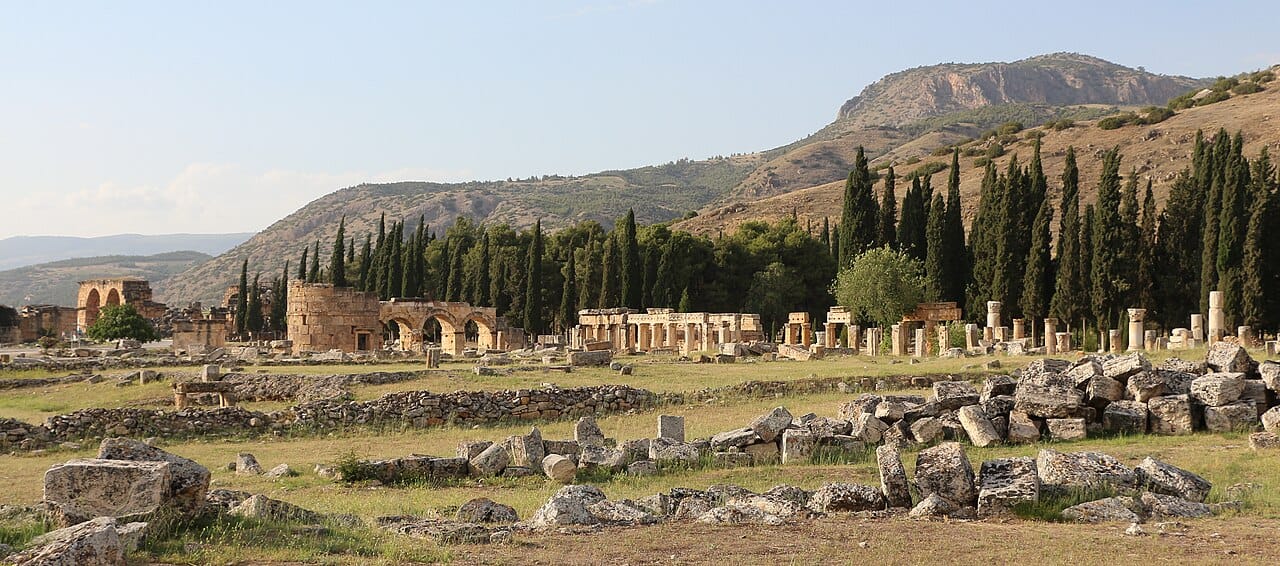
Travertine terraces and ancient ruins at Hierapolis-Pamukkale

Wikimedia Commons (CC BY-SA)

都市UNESCO注目

Hierapolis

Seyfi Cem Baskin

190 紀元前 – 1354 西暦

A Greco-Roman spa city perched above the famous white travertine terraces of Pamukkale. One of the best-preserved ancient cities in Turkey, with a vast necropolis, theatre, and the Plutonium — a gate to the underworld.

211
関心 67

所在地

Denizli · Aegean · トルコ

37.93°N · 29.12°E · アジア

UNESCO Status

World Heritage Site (1988)

Theatre Capacity

~12,000

Necropolis

1,200+ tombs

Thermal Springs

36°C (97°F)

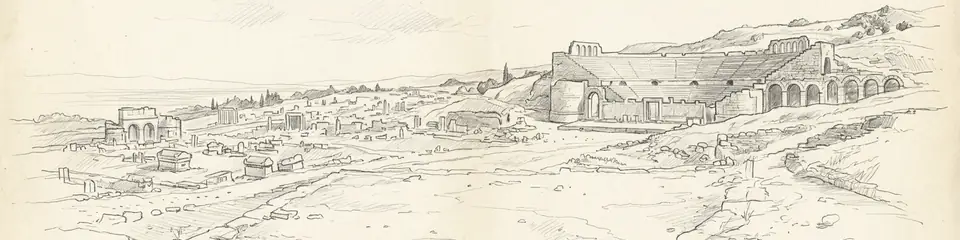
Graphite pencil sketch banner of Hierapolis

“Hierapolis represents the intersection of ancient medicine, religion, and natural wonder.”

Wikipediaより

Hierapolis was an ancient Greco-Roman city in Phrygia, located on hot springs in classical Phrygia in southwestern Anatolia. Its ruins are adjacent to modern Pamukkale in Turkey.

Wikipediaで全文を読む →

所在地

概要

Hierapolis was founded as a thermal spa around 190 BCE by Eumenes II of Pergamon. The city flourished under Roman rule, becoming a major center for healing, textile production (especially wool dyeing), and early Christianity. The Apostle Philip is believed to have been martyred here.

The site sits atop the spectacular travertine terraces of Pamukkale ("Cotton Castle" in Turkish), formed by calcium-rich thermal waters cascading down the hillside over millennia. The city's theatre, seating 12,000, is one of the best-preserved in Anatolia.
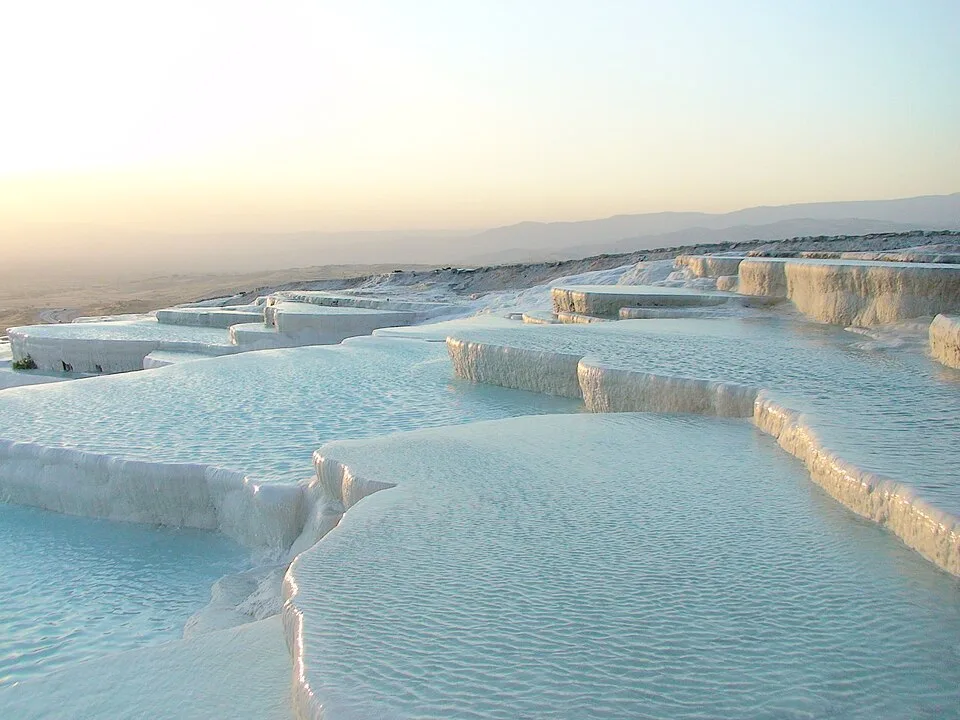
Pamukkale Hierapolis Travertine pools
Pamukkale Hierapolis Travertine pools | Pvasiliadis (CC BY-SA 3.0)
"The hot springs of Hierapolis burst from the earth as if boiled in a furnace, yet men bathe in them without harm."
— Strabo, Geography XIII.4.14, c. 20 BCE

The necropolis of Hierapolis is the largest ancient cemetery in Anatolia, with over 1,200 tombs spanning Hellenistic, Roman, and early Christian periods. The Plutonium, a cave emitting deadly carbon dioxide gases, was believed to be an entrance to the underworld and was used by priests to demonstrate divine power.
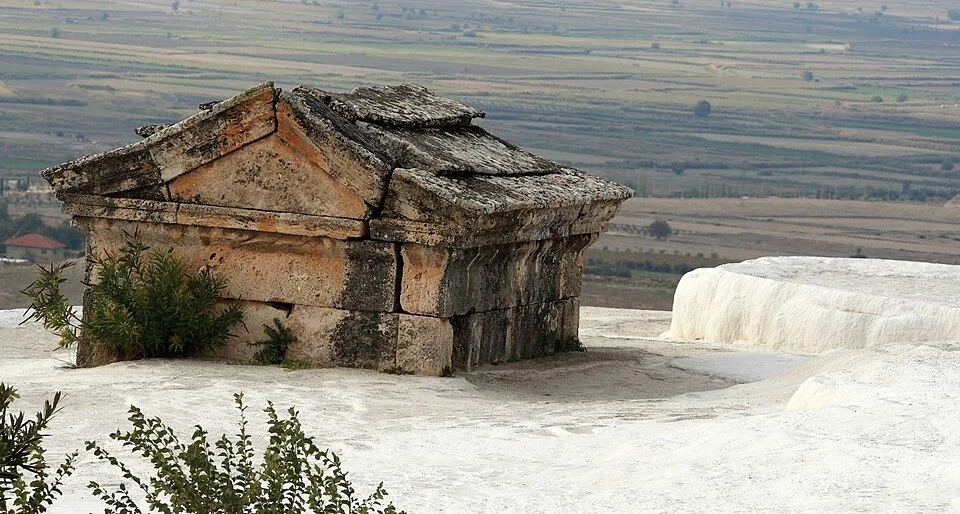
Tomb submerged in a travertine pool in Hierapolis
Tomb submerged in a travertine pool in Hierapolis | Frank K. (CC BY 2.0)

The city's urban plan is a classic example of Roman orthogonal design, centered on the long, colonnaded Frontinus Street. Major public buildings, including baths, a gymnasium, and temples, lined this thoroughfare, showcasing the city's wealth. The extensive water management system, featuring stone aqueducts and clay pipes, distributed thermal water to public baths, private homes, and industrial dyeing workshops. Hierapolis was a cosmopolitan hub, connected to trade routes across Anatolia. Its decline began with a major earthquake in the 7th century CE and was gradual, with a reduced population persisting into the Byzantine and Seljuk periods until the 14th century. The final abandonment is linked to further seismic activity and the shifting of trade routes.
重要性

Hierapolis represents the intersection of ancient medicine, religion, and natural wonder. The thermal springs that attracted settlers 2,200 years ago continue to draw visitors today, making it one of the most visited archaeological sites in Turkey. The site provides exceptional evidence for understanding ancient spa culture, early Christian communities in Asia Minor, and Greco-Roman urban planning. Its necropolis is an unparalleled record of funerary practices across several centuries. UNESCO inscribed Hierapolis-Pamukkale in 1988.

証拠と解釈

確立された事実と議論が続く事柄を区別する。

確立された事実

2
  • The Plutonium emits carbon dioxide gas that was lethal to animals brought near it in antiquity.
  • The necropolis contains over 1,200 tombs from Hellenistic through early Christian periods.

学術的推論

1
  • The city was a major center for textile production, particularly wool dyeing, based on archaeological evidence of dyeing facilities.

議論のある解釈

1
  • Whether the Apostle Philip was martyred at Hierapolis or elsewhere remains debated among scholars.

発見と発掘調査

1957

Italian excavations begin

指揮 Paolo Verzone

Paolo Verzone of the Turin Polytechnic began systematic excavations.

1988

UNESCO inscription

Hierapolis-Pamukkale inscribed as a UNESCO World Heritage Site.

コミュニティ写真

あなたの体験を共有する

この遺跡を訪れたことがありますか?写真をアップロードして魅力を共有しましょう。

関連記事

このページの引用方法

Atlas Anatolia. (190). Hierapolis. Atlas Anatolia. https://atlasanatolia.com/ja/site/hierapolis

コンテンツはCC BY-SA 4.0ライセンスの下で提供されています — 再利用の際は出典表示が必要です。

グラフ

関連する遺跡やストーリーへのつながり。

World History Encyclopediaで全文を読む
World History Encyclopedia · CC BY-NC-SA

出典

  • UNESCO World Heritage — Hierapolis-Pamukkaleリンク

よくある質問

Hierapolisはどこにありますか?

HierapolisはDenizli, Aegean, Türkiyeに位置しています。

Hierapolisの年代はいつ頃ですか?

Hierapolisはおよそ190 紀元前 – 1354 西暦のものとされています。

Hierapolisはどの文明に関連していますか?

HierapolisはGreek, Roman, Byzantine文明に関連しています。

Hierapolisが重要な理由は何ですか?

Hierapolis represents the intersection of ancient medicine, religion, and natural wonder.

Hierapolisはユネスコ世界遺産ですか?

はい — Hierapolisはユネスコ世界遺産に登録されています。