
コンテンツへスキップ
Atlas Anatolia
ニュースIce Age teeth in Sulawesi push betel-nut use back as far as 25,000 yearsRoman mosaic and Eros head uncovered in the basilica at Pompeiopolis, Kastamonu
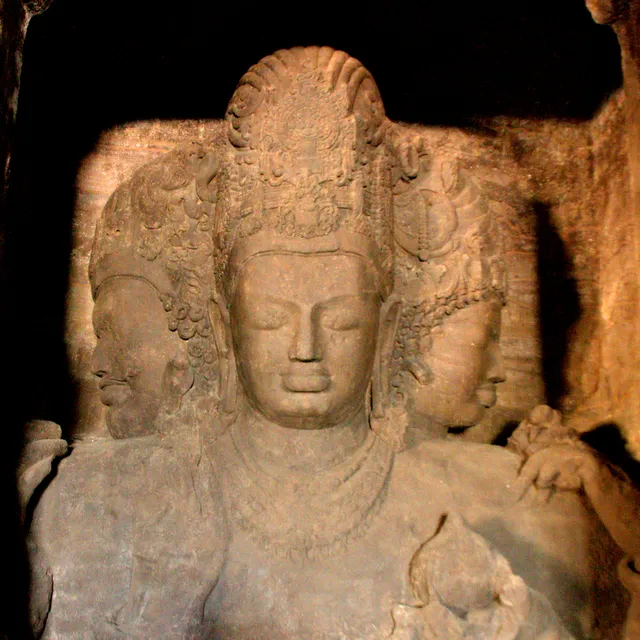
The Trimurti Shiva sculpture in the main cave at Elephanta Island

Wikimedia Commons

神殿UNESCO

Elephanta Caves

Seyfi Cem Baskin

घारापुरी लेणी500 西暦 – 800 西暦

Rock-cut Shaiva temples on Elephanta Island in Mumbai Harbour — famous for the 6-metre Trimurti Shiva and colonnaded main cave — among India's most visited ancient sites and a UNESCO World Heritage monument reached by ferry from the Gateway of India.

21
関心 71

所在地

インド

18.96°N · 72.93°E · アジア

Main cave

Cave 1 — Great Cave with Trimurti Shiva panel

Trimurti height

~5.5 m three-faced Shiva sculpture

Access

Ferry from Gateway of India, Mumbai (~1 hour)

UNESCO

World Heritage Site (1987)

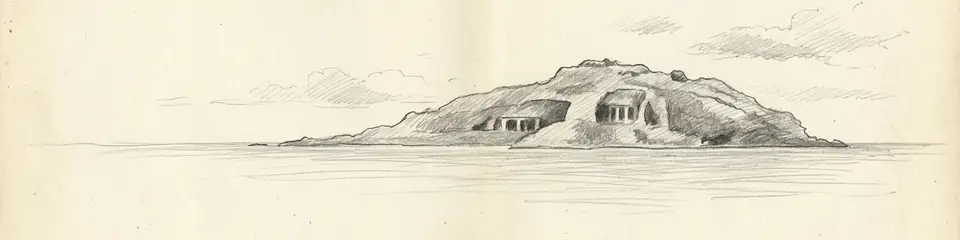
Graphite pencil sketch banner of Elephanta Caves

“Elephanta's Trimurti is the iconic image of early medieval Hindu sculpture — a colossal theological programme carved in situ on an island gateway to the subcontinent's greatest modern port.”

所在地

概要

The Elephanta Caves occupy Gharapuri ("city of caves"), an island in Mumbai Harbour about 10 kilometres east of the Gateway of India, Maharashtra. The principal Cave 1 (Great Cave) dates to the 6th–8th centuries CE and contains a massive sculpted panel of Shiva as Trimurti (three-faced creator–preserver–destroyer) roughly 5.5 metres high, flanked by ardhanarishvara, Gangadhara, and other Shaiva scenes carved from living basalt.

Portuguese colonists named the island Elephanta after a stone elephant they found; the figure now stands at the Bhau Daji Lad Museum in Mumbai. The caves were defaced during Portuguese rule but remain the supreme example of early medieval western Indian rock-cut architecture. Smaller caves and unfinished excavations dot the hill.

The Archaeological Survey of India manages the site; UNESCO inscribed the Elephanta Caves in 1987. Daily ferries carry thousands of visitors from Mumbai, making it one of the most accessible major rock-cut complexes in India.

重要性

Elephanta's Trimurti is the iconic image of early medieval Hindu sculpture — a colossal theological programme carved in situ on an island gateway to the subcontinent's greatest modern port. The site documents the spread of Shaiva royal patronage on the Konkan coast contemporary with Badami, Ellora, and Mahabalipuram.

証拠と解釈

確立された事実と議論が続く事柄を区別する。

確立された事実

2
  • Stylistic analysis dates the Great Cave sculptures to the 6th–8th centuries CE, contemporary with early western Deccan rock-cut temples.
  • Portuguese accounts from the 16th century document the island, cave defacement, and the stone elephant that gave the site its European name.

学術的推論

1
  • Royal patronage is attributed to Kalachuri or Rashtrakuta spheres on stylistic grounds; no founding inscription survives in the main cave.

コミュニティ写真

あなたの体験を共有する

この遺跡を訪れたことがありますか?写真をアップロードして魅力を共有しましょう。

このページの引用方法

Atlas Anatolia. (500). Elephanta Caves. Atlas Anatolia. https://atlasanatolia.com/ja/site/elephanta-caves

コンテンツはCC BY-SA 4.0ライセンスの下で提供されています — 再利用の際は出典表示が必要です。

出典

  • The Art of Ancient India — Huntington, Susan L. (1985)
  • UNESCO — Elephanta Cavesリンク

よくある質問

Elephanta Cavesはどこにありますか?

Elephanta CavesはIndiaに位置しています。

Elephanta Cavesの年代はいつ頃ですか?

Elephanta Cavesはおよそ500 西暦 – 800 西暦のものとされています。

Elephanta Cavesはどの文明に関連していますか?

Elephanta CavesはVedic Indian, Gupta文明に関連しています。

Elephanta Cavesが重要な理由は何ですか?

Elephanta's Trimurti is the iconic image of early medieval Hindu sculpture — a colossal theological programme carved in situ on an island gateway to the subcontinent's greatest modern port.

Elephanta Cavesはユネスコ世界遺産ですか?

はい — Elephanta Cavesはユネスコ世界遺産に登録されています。