
コンテンツへスキップ
Atlas Anatolia
ニュースIce Age teeth in Sulawesi push betel-nut use back as far as 25,000 yearsRoman mosaic and Eros head uncovered in the basilica at Pompeiopolis, Kastamonu
Terraced colonnades of Hatshepsut's mortuary temple at Deir el-Bahari, Luxor

Wikimedia Commons (CC BY-SA 4.0)

Country Record

Oldest Temple in Egypt

神殿UNESCO注目

Deir el-Bahari

Seyfi Cem Baskin

دير البحري1479 紀元前 – 1458 紀元前

Queen Hatshepsut's terraced mortuary temple rising in limestone tiers against the Theban cliffs at Deir el-Bahari — one of Egyptology's most photographed monuments and a centerpiece of Luxor's West Bank search traffic alongside the Valley of the Kings.

21
関心 67

所在地

エジプト

25.74°N · 32.61°E · アフリカ

Patron

Hatshepsut (18th Dynasty, c. 1479–1458 BCE)

Architect

Traditionally Senenmut

Layout

Three terraced colonnades built into cliff

UNESCO

Ancient Thebes with its Necropolis (1979)

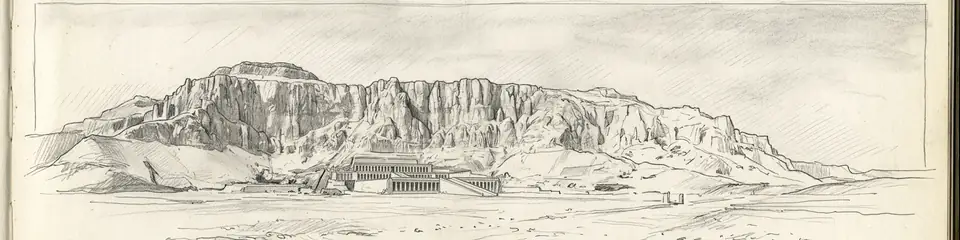
Graphite pencil sketch banner of Deir el-Bahari

“Deir el-Bahari is the supreme surviving monument of Hatshepsut's reign — evidence that a female pharaoh could deploy full royal iconography, foreign trade spectacle, and terraced architecture at Thebes.”

所在地

概要

Deir el-Bahari (Arabic "Northern Monastery") names both the bay in the Theban necropolis and the mortuary temple of Hatshepsut (c. 1479–1458 BCE) built into its amphitheatre cliffs. The queen-pharaoh's architect Senenmut designed Djeser-Djeseru ("Holy of Holies") as three colonnaded terraces linked by ramps, once planted with myrrh trees from Punt. Reliefs on the middle terrace depict the expedition to Punt — among the most detailed trade missions preserved in Egyptian art.

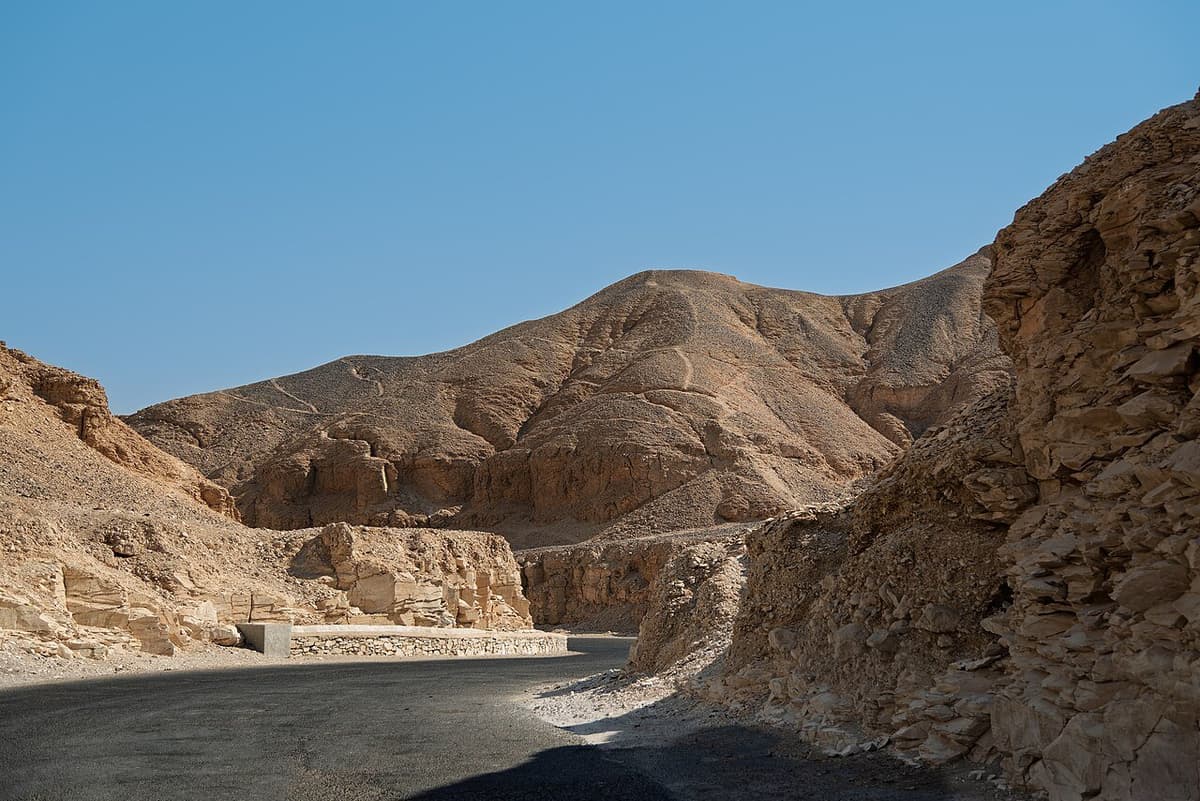
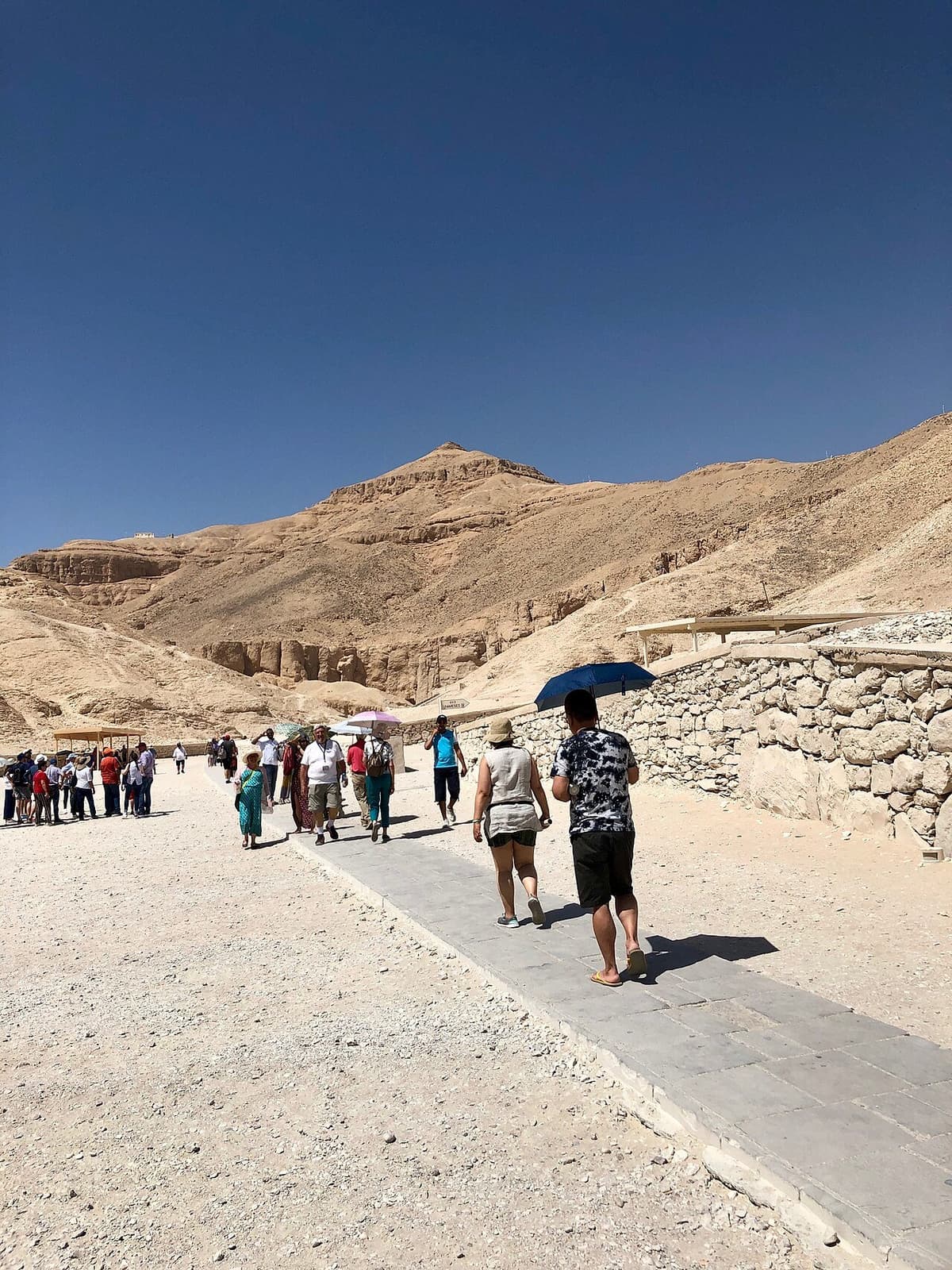
The temple was dedicated to Amun-Re and served Hatshepsut's mortuary cult. After her death, Thutmose III and later kings attempted to erase her names; restoration in the 20th century by Polish-Egyptian missions reassembled fallen colonnades and recovered painted relief. The site sits directly across the desert ridge from the Valley of the Kings and near the Temple of Karnak on the east bank.

Christian monks later occupied ruined Pharaonic structures in the bay, giving the Arabic name. Today wooden walkways guide visitors along terraces where statues of Hatshepsut as sphinx and Osiride pillars once stood. Sunrise light on the cliff face makes the temple a standard Luxor itinerary stop.
重要性

Deir el-Bahari is the supreme surviving monument of Hatshepsut's reign — evidence that a female pharaoh could deploy full royal iconography, foreign trade spectacle, and terraced architecture at Thebes. Its Punt reliefs are a primary source for Indian Ocean trade in the New Kingdom, not merely decoration.

証拠と解釈

確立された事実と議論が続く事柄を区別する。

確立された事実

2
  • Reliefs name Hatshepsut, Senenmut, and the Punt expedition with datable regnal years.
  • Posthumous erasure of Hatshepsut's names documented on recarved blocks and chiseled cartouches.

学術的推論

1
  • Myrrh-tree pits on the upper terrace likely held live plants brought from Punt — inferred from planting pits and relief scenes.

コミュニティ写真

あなたの体験を共有する

この遺跡を訪れたことがありますか?写真をアップロードして魅力を共有しましょう。

関連記事

このページの引用方法

Atlas Anatolia. (1479). Deir el-Bahari. Atlas Anatolia. https://atlasanatolia.com/ja/site/deir-el-bahari

コンテンツはCC BY-SA 4.0ライセンスの下で提供されています — 再利用の際は出典表示が必要です。

グラフ

関連する遺跡やストーリーへのつながり。

出典

  • Hatshepsut: From Queen to Pharaoh — Roehrig, Catharine H. (2005)
  • UNESCO — Ancient Thebesリンク

よくある質問

Deir el-Bahariはどこにありますか?

Deir el-BahariはEgyptに位置しています。

Deir el-Bahariの年代はいつ頃ですか?

Deir el-Bahariはおよそ1479 紀元前 – 1458 紀元前のものとされています。

Deir el-Bahariはどの文明に関連していますか?

Deir el-BahariはAncient Egyptian文明に関連しています。

Deir el-Bahariが重要な理由は何ですか?

Deir el-Bahari is the supreme surviving monument of Hatshepsut's reign — evidence that a female pharaoh could deploy full royal iconography, foreign trade spectacle, and terraced architecture at Thebes.

Deir el-Bahariはユネスコ世界遺産ですか?

はい — Deir el-Bahariはユネスコ世界遺産に登録されています。