
コンテンツへスキップ
Atlas Anatolia
ニュースIce Age teeth in Sulawesi push betel-nut use back as far as 25,000 yearsRoman mosaic and Eros head uncovered in the basilica at Pompeiopolis, Kastamonu
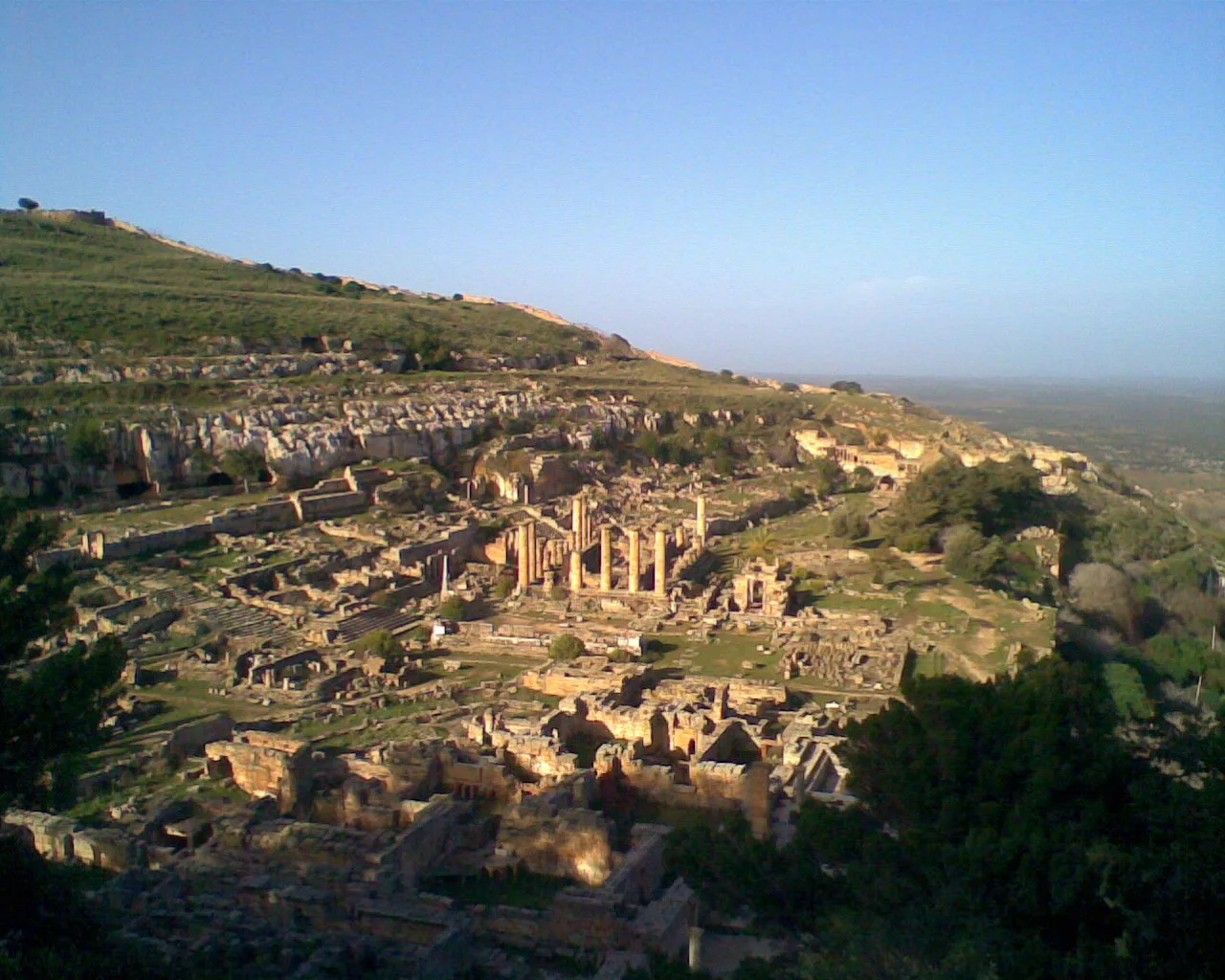
Ruins of the Greek-Roman city of Cyrene on the Libyan plateau

Wikimedia Commons

Country Record

Longest Continuously Occupied Site in Libya

都市UNESCO

Cyrene

Seyfi Cem Baskin

Κυρήνη631 紀元前 – 643 西暦

A great Greek colony on the Libyan coast of Cyrenaica, founded in the 7th century BCE and later absorbed into the Ptolemaic and Roman worlds. Cyrene was celebrated in antiquity for its philosophers, athletes, and the silphium trade — and its ruins preserve one of the most extensive Greek-Roman urban landscapes in North Africa, crowned by the Temple of Apollo and a vast necropolis.

21
関心 64

所在地

Jabal al Akhdar · Cyrenaica · リビア

32.82°N · 21.86°E · アフリカ

Founded

c. 631 BCE by Greek colonists from Thera

Famous export

Silphium — medicinal plant, depicted on coins

Notable figure

Callimachus, poet and scholar of Alexandria

UNESCO

World Heritage Site 1982

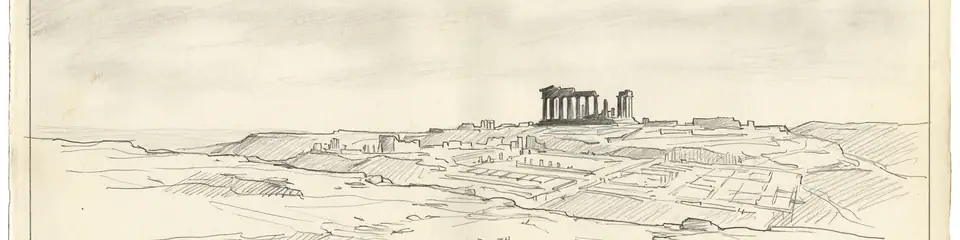
Graphite pencil sketch banner of Cyrene

“Cyrene anchors the Greek colonial presence in North Africa and demonstrates how Mediterranean urban culture took root far from the Aegean, producing independent intellectual and economic traditions that rivalled mainland Greece.”

所在地

概要

Cyrene stands on the fertile Jebel Akhdar plateau above the Mediterranean in modern eastern Libya, roughly 200 kilometres east of Benghazi. According to tradition recorded by Herodotus and Pindar, the city was founded around 631 BCE by settlers from the island of Thera (Santorini), led by Aristotle's ancestor Battus — making it one of the earliest and most successful Greek colonial foundations in North Africa.

The city flourished as the capital of Cyrenaica, exporting grain, horses, and above all silphium, a now-extinct medicinal plant so valuable that it appeared on Cyrenean coinage. Cyrene produced notable philosophers including Aristippus, founder of the Cyrenaic school, and the poet Callimachus, librarian at Alexandria. After passing through Ptolemaic and then Roman control, it remained a major provincial centre until earthquakes and Arab conquest diminished its importance.
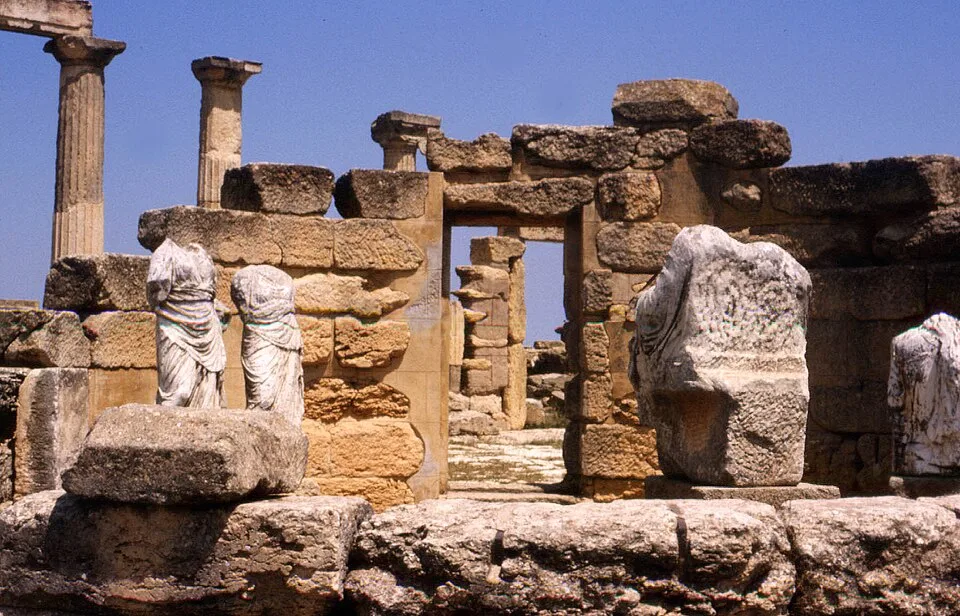
Cyrene Apollo temple
Cyrene Apollo temple | Koperczak (talk) 01:32, 29 March 2009 (UTC) (Public domain)
"Cyrene, a city of Libya, lies on the sea-coast; it is the fairest of all cities in Libya, and is built on a hill with a spring of good water flowing from the middle of it."
— Herodotus, Histories IV.158, on Cyrene in Cyrenaica (c. 430 BCE)

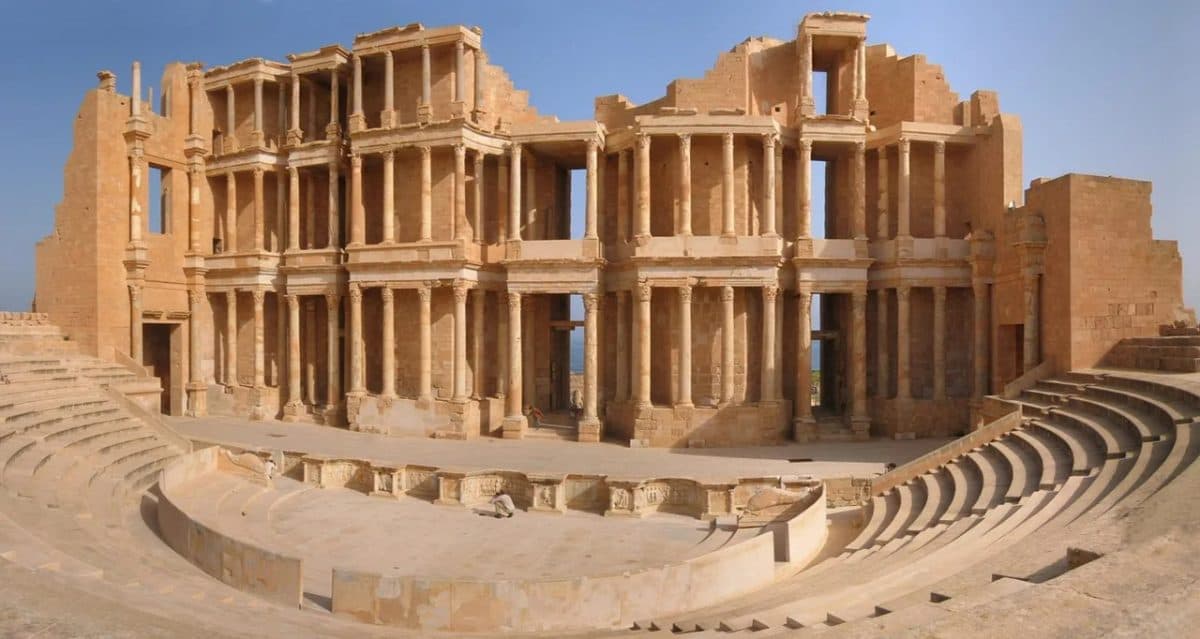
Archaeological remains spread across a wide area include the Sanctuary of Apollo (with a temple rebuilt under Roman emperors), the agora, the enormous necropolis with monumental tombs cut into the hillside, the Caesareum, baths, and a theatre. Excavations began in the 19th century and continue intermittently; many finds are housed in the Cyrene Museum at Shahhat.
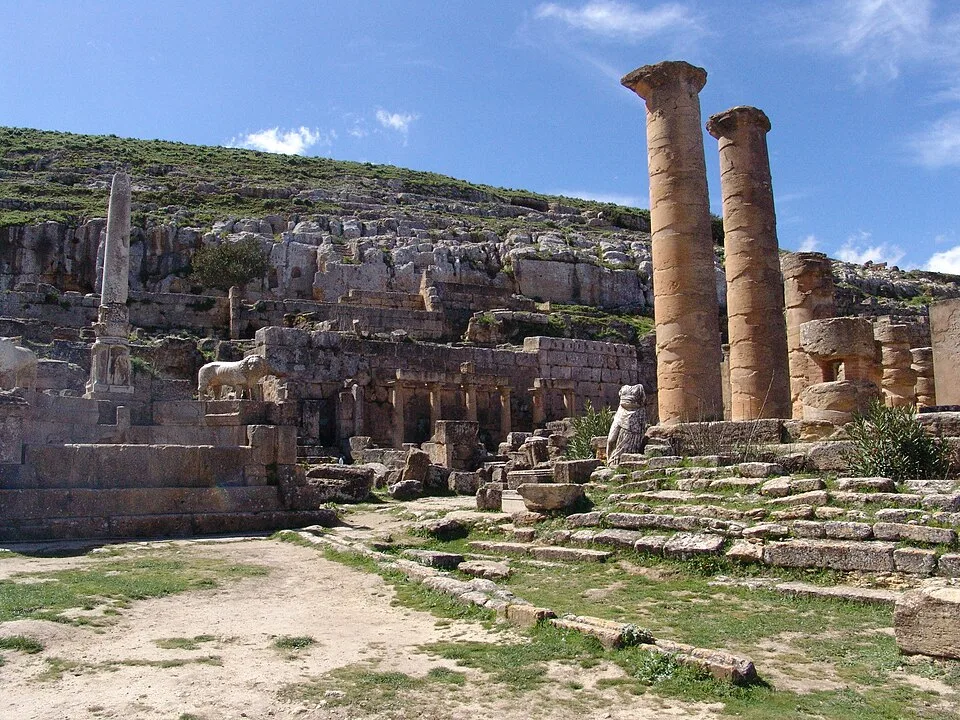
Temple of Apollo, Cyrene (50144963856)
Temple of Apollo, Cyrene (50144963856) | Libyan Studies (CC BY-SA 2.0)

Cyrene forms part of the UNESCO World Heritage Site "Archaeological Site of Cyrene" (inscribed 1982, extended as part of the Cyrene-Ptolemais-Apollonia group).
重要性

Cyrene anchors the Greek colonial presence in North Africa and demonstrates how Mediterranean urban culture took root far from the Aegean, producing independent intellectual and economic traditions that rivalled mainland Greece. Its silphium trade, philosophical school, and athletic fame (Cyreneans dominated Olympic victor lists) make it essential for understanding the interconnected ancient Mediterranean economy and culture. Together with Apollonia and Ptolemais, Cyrene preserves one of the most complete archaeological landscapes of a Greek-Roman provincial capital on the African coast.

証拠と解釈

確立された事実と議論が続く事柄を区別する。

確立された事実

2
  • Greek colonisation is attested in literary tradition and corroborated by archaeological remains of Archaic through Roman date.
  • The Sanctuary of Apollo and extensive necropolis are among the best-preserved Greek monumental complexes in North Africa.

学術的推論

1
  • Silphium trade likely formed a major component of Cyrene's wealth, though the plant is now extinct and direct economic quantification is impossible.

コミュニティ写真

あなたの体験を共有する

この遺跡を訪れたことがありますか?写真をアップロードして魅力を共有しましょう。

関連記事

このページの引用方法

Atlas Anatolia. (631). Cyrene. Atlas Anatolia. https://atlasanatolia.com/ja/site/cyrene

コンテンツはCC BY-SA 4.0ライセンスの下で提供されています — 再利用の際は出典表示が必要です。

グラフ

関連する遺跡やストーリーへのつながり。

出典

  • Cyrene and Apollonia: An Historical Guide — Goodchild, R. G. (1959)
  • UNESCO — Archaeological Site of Cyreneリンク

よくある質問

Cyreneはどこにありますか?

CyreneはJabal al Akhdar, Cyrenaica, Libyaに位置しています。

Cyreneの年代はいつ頃ですか?

Cyreneはおよそ631 紀元前 – 643 西暦のものとされています。

Cyreneはどの文明に関連していますか?

CyreneはGreek, Roman文明に関連しています。

Cyreneが重要な理由は何ですか?

Cyrene anchors the Greek colonial presence in North Africa and demonstrates how Mediterranean urban culture took root far from the Aegean, producing independent intellectual and economic traditions that rivalled mainland Greece.

Cyreneはユネスコ世界遺産ですか?

はい — Cyreneはユネスコ世界遺産に登録されています。