コンテンツへスキップ
Atlas Anatolia
ニュースIce Age teeth in Sulawesi push betel-nut use back as far as 25,000 yearsRoman mosaic and Eros head uncovered in the basilica at Pompeiopolis, Kastamonu
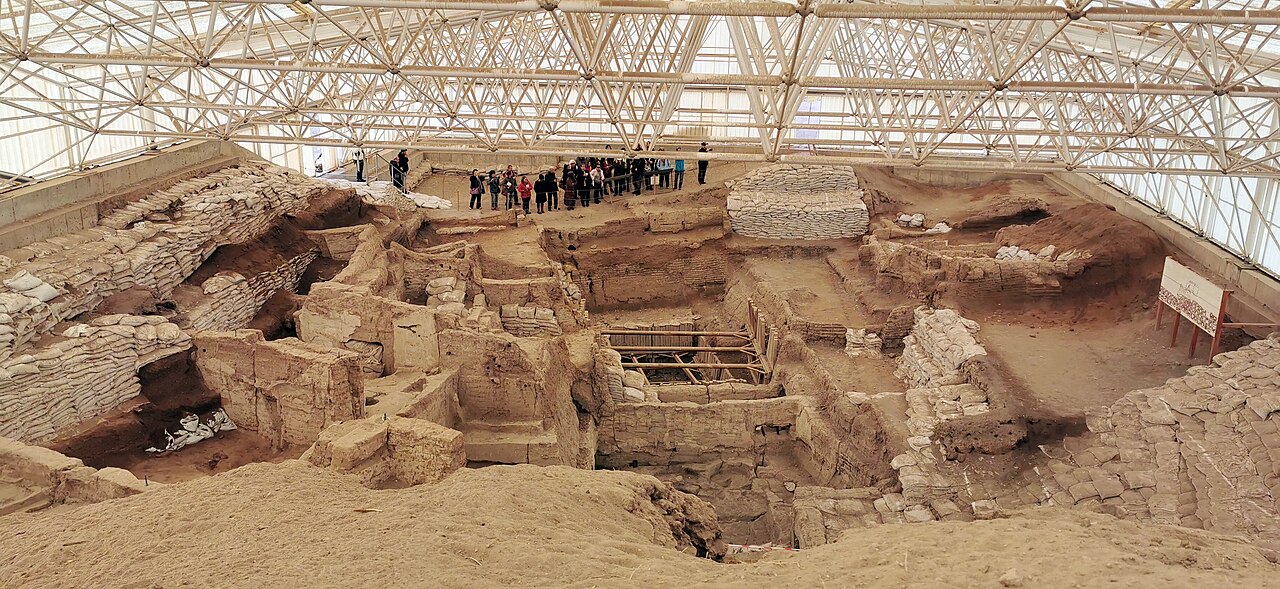
Excavated mudbrick structures at Çatalhöyük

Wikimedia Commons (CC BY-SA)

Country Record

Oldest Settlement in Türkiye

集落UNESCO注目

Çatalhöyük

Seyfi Cem Baskin

7400 紀元前 – 5600 紀元前

One of the world's earliest known proto-urban settlements, occupied from roughly 7400 to 5600 BCE. Famous for its densely packed mudbrick houses, wall paintings, and evidence of a remarkably egalitarian Neolithic community.

312
関心 72

所在地

Konya · Central Anatolia · トルコ

37.67°N · 32.83°E · アジア

Date Range

c. 7400–5600 BCE

Peak Population

3,500–8,000

UNESCO Status

World Heritage Site (2012)

Excavation Layers

18 occupation levels

Primary Dating Method

Radiocarbon dating of organic materials, primarily charcoal and bone, from secure stratigraphic contexts.

Notable Finds

Over 2,000 figurines, primarily of animals and stylized humans, made from clay, stone, and bone.

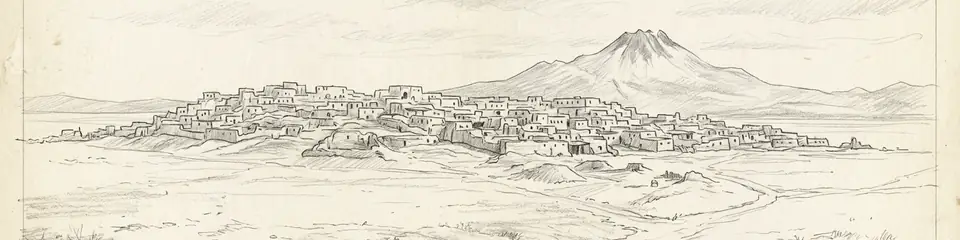
Graphite pencil sketch banner of Çatalhöyük

“Çatalhöyük provides unparalleled insight into how people organized their lives in one of the earliest large communities.”

Wikipediaより

Çatalhöyük is a tell of a very large Neolithic and Chalcolithic proto-city settlement in southern Anatolia, which existed from approximately 7500 BC to 5600 BC. It overlooks the Konya Plain, southeast of the present-day city of Konya in Turkey.

Wikipediaで全文を読む →

所在地

概要

Çatalhöyük is a large Neolithic settlement mound in the Konya Plain of central Anatolia. The site consists of two mounds — the larger Eastern Mound, dating from approximately 7400 to 6200 BCE, and the smaller Western Mound, dating from approximately 6200 to 5600 BCE.

At its peak, the settlement may have housed between 3,500 and 8,000 people, making it one of the largest known Neolithic communities. Houses were built directly against each other with no streets; access was through openings in the roof, with ladders leading down into living spaces.

"The houses are built touching each other, without streets, and one enters through the roof."
— James Mellaart (archaeologist), c. 1960s

The site is renowned for its elaborate wall paintings, plaster reliefs, and figurines. Paintings depict hunting scenes, geometric patterns, and what may be landscape views. The famous "goddess figurine" found at the site is one of the most recognized artifacts of Neolithic Anatolia.

Çatalhöyük was first excavated by James Mellaart from 1961 to 1965. A long-term research project led by Ian Hodder of Stanford University ran from 1993 to 2018, producing one of the most thoroughly documented Neolithic excavations in the world.
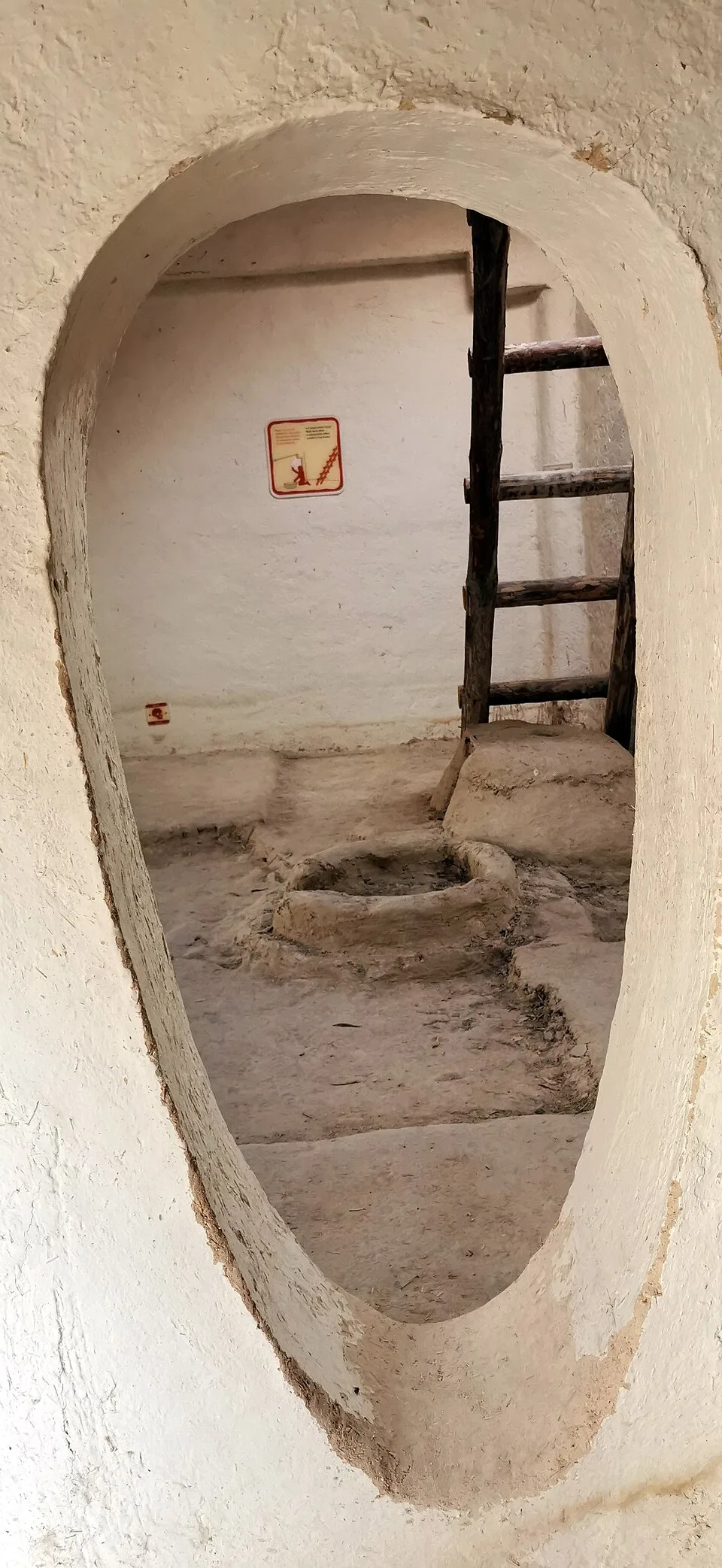
Çatalhöyük, 7400 BC, Konya, Turkey - UNESCO World Heritage Site, 02
Çatalhöyük, 7400 BC, Konya, Turkey - UNESCO World Heritage Site, 02 | Murat Özsoy 1958 (CC BY-SA 4.0)

The architecture of Çatalhöyük is remarkably uniform. Each rectangular mudbrick house typically contained a main living room with a raised platform for sitting and sleeping, a hearth, and an oven. Storage bins and work areas were integrated into the walls. The walls were frequently replastered with white marl, creating a fresh canvas for the site's famous paintings and reliefs, which were often executed in red ochre. Daily life revolved around domestic activities, including the processing of cereals like wheat and barley, herding of sheep and goats, and the crafting of tools from obsidian and bone.

Çatalhöyük was not an isolated community. Its inhabitants engaged in long-distance trade networks, most notably for obsidian, a volcanic glass prized for making sharp tools. This material was sourced from the Cappadocian volcanoes, over 130 kilometers to the east. Other traded items likely included sea shells from the Mediterranean and flint from nearby sources. The settlement's eventual decline and abandonment around 5600 BCE on the Western Mound is not fully understood but is often linked to environmental factors, such as the depletion of local resources like wood, or broader climatic changes affecting the Konya Plain.
重要性

Çatalhöyük provides unparalleled insight into how people organized their lives in one of the earliest large communities. The evidence suggests a remarkably egalitarian society with no obvious signs of social hierarchy, challenging assumptions about early urbanization. The site's wall paintings and material culture offer a rare window into Neolithic symbolic life, burial practices, and the relationship between daily life and ritual. It was designated a UNESCO World Heritage Site in 2012.

証拠と解釈

確立された事実と議論が続く事柄を区別する。

確立された事実

3
  • Houses were accessed from the roof, with no ground-level streets between them.
  • The dead were buried beneath the floors of houses.
  • Wall paintings depict hunting scenes, geometric patterns, and possibly landscape views.

学術的推論

1
  • The community appears to have been relatively egalitarian based on the similarity of houses and grave goods.

議論のある解釈

2
  • Whether the famous figurine represents a "mother goddess" or has another meaning is debated.
  • A wall painting is sometimes interpreted as one of the earliest maps or landscape depictions, though this interpretation is contested.

発見と発掘調査

1958

Discovery

指揮 James Mellaart

Site discovered during a survey of the Konya Plain.

1961–1965

First excavations

指揮 James Mellaart

Mellaart's excavations revealed the densely packed houses, wall paintings, and the famous goddess figurine.

1993–2018

Stanford University research project

指揮 Ian Hodder / Stanford University

Ian Hodder led a 25-year multidisciplinary research program, making Çatalhöyük one of the most thoroughly studied Neolithic sites in the world.

2009

Current International Project

指揮 Çatalhöyük Research Project (led by Ian Hodder until 2018, then by members of the project team)

A new phase of large-scale, multidisciplinary research began, focusing on the northern part of the East Mound and the West Mound, continuing the work of the 1993-2017 project.

コミュニティ写真

あなたの体験を共有する

この遺跡を訪れたことがありますか?写真をアップロードして魅力を共有しましょう。

関連記事

このページの引用方法

Atlas Anatolia. (7400). Çatalhöyük. Atlas Anatolia. https://atlasanatolia.com/ja/site/catalhoyuk

コンテンツはCC BY-SA 4.0ライセンスの下で提供されています — 再利用の際は出典表示が必要です。

グラフ

関連する遺跡やストーリーへのつながり。

World History Encyclopediaで全文を読む
World History Encyclopedia · CC BY-NC-SA

出典

  • The Leopard's Tale: Revealing the Mysteries of Çatalhöyük — Ian Hodder (2006)
  • UNESCO World Heritage — Çatalhöyükリンク

よくある質問

Çatalhöyükはどこにありますか?

ÇatalhöyükはKonya, Central Anatolia, Türkiyeに位置しています。

Çatalhöyükの年代はいつ頃ですか?

Çatalhöyükはおよそ7400 紀元前 – 5600 紀元前のものとされています。

Çatalhöyükはどの文明に関連していますか?

ÇatalhöyükはÇatalhöyük Culture文明に関連しています。

Çatalhöyükが重要な理由は何ですか?

Çatalhöyük provides unparalleled insight into how people organized their lives in one of the earliest large communities.

Çatalhöyükはユネスコ世界遺産ですか?

はい — Çatalhöyükはユネスコ世界遺産に登録されています。