
Saltar al contenido
Atlas Anatolia
NoticiasIce Age teeth in Sulawesi push betel-nut use back as far as 25,000 yearsRoman mosaic and Eros head uncovered in the basilica at Pompeiopolis, Kastamonu
Stone statues on the Sacred Way of the Ming Tombs, Beijing

Wikimedia Commons (CC BY-SA 3.0)

PatrimonioNecrópolisUNESCO

Ming Tombs

Seyfi Cem Baskin

明十三陵1409 d. C. – 1644 d. C.

The valley necropolis north of Beijing where thirteen Ming emperors lie in underground palaces behind marble spirit ways — anchored by the Changling tomb of the Yongle Emperor — draws massive search interest especially in Chinese and ranks among East Asia's grandest imperial burial landscapes.

21
Interés 67

Ubicación

China

40.29°N · 116.22°E · Asia

Emperors buried

13 Ming emperors (1409–1644 CE)

Largest tomb

Changling — Yongle Emperor (d. 1424)

Excavated tomb

Dingling (Wanli) — opened 1956–1958

UNESCO

Imperial Tombs of the Ming and Qing Dynasties

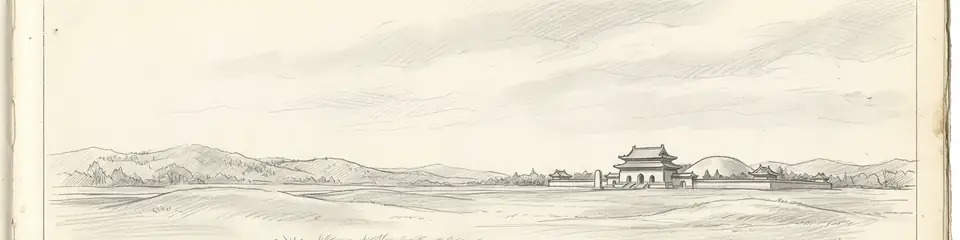
Graphite pencil sketch banner of Ming Tombs

The Ming Tombs preserve the fullest above-ground ritual architecture of China's late imperial burial cult — spirit ways, sacrificial halls, and mound tombs scaled to Son-of-Heaven ideology.”

Ubicación

Resumen

The Ming Tombs (Shisan Ling) occupy a valley at the foot of the Tianshou Mountains in Changping District, roughly 50 kilometres northwest of central Beijing. The Yongle Emperor, who built the Forbidden City and Temple of Heaven, chose the site in the early 15th century for its geomantically auspicious basin opening south toward the capital. Thirteen of sixteen Ming emperors (from Yongle to Chongzhen) were buried here in individual tomb complexes, each with a spirit way (shendao) of stone animals and officials leading to a ceremonial gate and burial mound.

Changling, Yongle's tomb, is the largest and most visited: its above-ground halls rest on marble terraces, and the underground palace (not always open) follows a layout of vaulted chambers with thrones and ritual vessels for the deceased emperor and empresses. Dingling, the tomb of the Wanli Emperor, was excavated in the 1950s — a controversial dig that yielded silk textiles and crowns but taught conservators harsh lessons about opening waterlogged royal chambers.

The Sacred Way (shared approach road) lines up stone camels, elephants, lions, and civil and military officials in pairs, dramatising the emperor's procession into the afterlife. UNESCO inscribed the Ming Tombs in 2000, 2003, and 2004 as part of the serial Imperial Tombs of the Ming and Qing Dynasties. Pair with the Forbidden City and Temple of Heaven on a Beijing heritage circuit.

Por qué es importante

The Ming Tombs preserve the fullest above-ground ritual architecture of China's late imperial burial cult — spirit ways, sacrificial halls, and mound tombs scaled to Son-of-Heaven ideology. Changling and the excavated Dingling provide rare access to how Ming court workshops imagined eternity for emperors who also built Beijing's greatest living monuments.

Evidencia e interpretación

Distinguir lo bien establecido de lo que sigue en debate.

Hechos bien establecidos

2
  • Ming chronicles record selection of Tianshou valley and construction phases for each imperial tomb.
  • Dingling excavation yielded dated wooden plaques, thrones, and textiles consistent with Wanli-era court style.

Interpretaciones debatidas

1
  • Whether further royal chambers should be opened for research versus left sealed remains an active conservation debate.

Fotos de la comunidad

Comparte tu experiencia

¿Has visitado este sitio? Sube tus fotos para ayudar a otros a descubrirlo.

Cómo citar esta página

Atlas Anatolia. (1409). Ming Tombs. Atlas Anatolia. https://atlasanatolia.com/es/site/ming-tombs

Contenido bajo licencia CC BY-SA 4.0 — se requiere atribución al reutilizar.

Fuentes

  • Chronicle of the Chinese EmperorsPaludan, Ann (1998)
  • UNESCO — Imperial Tombs of the Ming and Qing DynastiesEnlace

Preguntas frecuentes

¿Dónde se encuentra Ming Tombs?

Ming Tombs se encuentra en China.

¿Qué antigüedad tiene Ming Tombs?

Ming Tombs se fecha aproximadamente en 1409 d. C. – 1644 d. C..

¿Qué civilizaciones se relacionan con Ming Tombs?

Ming Tombs se relaciona con Ming.

¿Por qué es importante Ming Tombs?

The Ming Tombs preserve the fullest above-ground ritual architecture of China's late imperial burial cult — spirit ways, sacrificial halls, and mound tombs scaled to Son-of-Heaven ideology.

¿Ming Tombs es Patrimonio Mundial de la UNESCO?

Sí. Ming Tombs está inscrito en la Lista del Patrimonio Mundial de la UNESCO.