
Saltar al contenido
Atlas Anatolia
NoticiasIce Age teeth in Sulawesi push betel-nut use back as far as 25,000 yearsRoman mosaic and Eros head uncovered in the basilica at Pompeiopolis, Kastamonu
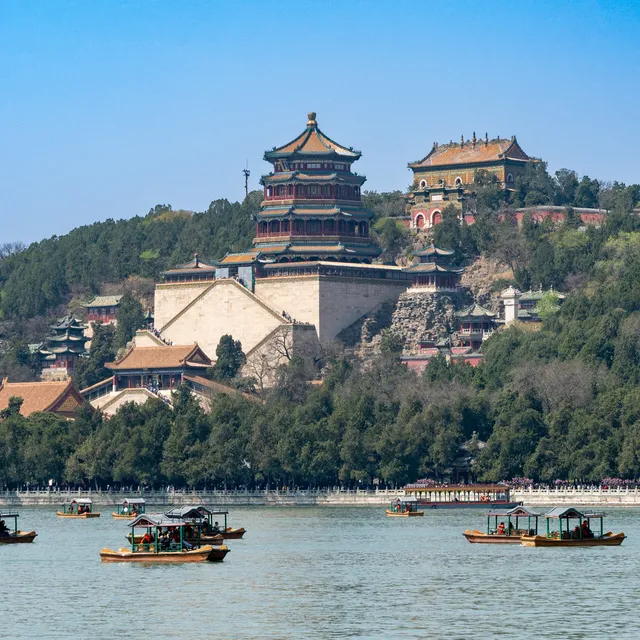
Kunming Lake and Longevity Hill at the Summer Palace, Beijing

Wikimedia Commons

PatrimonioComplejoUNESCO

Summer Palace

Seyfi Cem Baskin

颐和园1750 d. C. – 1908 d. C.

The Qing dynasty's lakeside retreat northwest of Beijing — Kunming Lake and Longevity Hill studded with pavilions, corridors, and the Marble Boat — a masterpiece of Chinese landscape garden design and one of the most visited imperial sites in China.

21
Interés 75

Ubicación

China

40.00°N · 116.28°E · Asia

Area

~293 ha; Kunming Lake ~220 ha

Long Corridor

728 m painted gallery along the lake shore

Rebuild

Major restoration under Empress Dowager Cixi after 1888

UNESCO

World Heritage Site (1998)

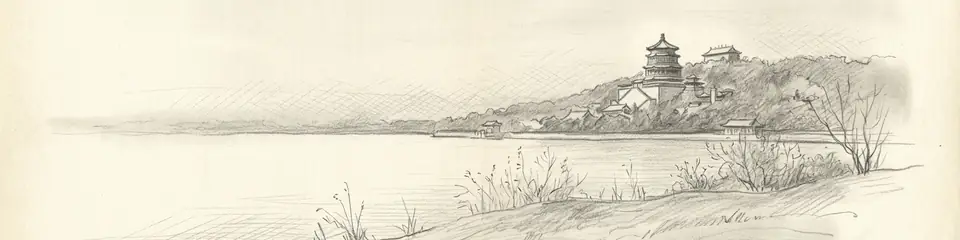
Graphite pencil sketch banner of Summer Palace

The Summer Palace crystallises Qing imperial garden philosophy — manipulating water, hill, and architecture to embody cosmological order and literary allusion.”

Ubicación

Resumen

The Summer Palace (Yiheyuan, "Garden of Nurtured Harmony") lies in the Haidian district northwest of central Beijing, China. The site originated as Qingyi Garden, expanded under the Qianlong Emperor in the 18th century; the present name and much of the layout reflect the rebuilding ordered by Empress Dowager Cixi after Anglo-French destruction in 1860 and further work after 1888, reputedly using funds intended for the navy.

Kunming Lake — expanded to resemble West Lake at Hangzhou — covers about three quarters of the 293-hectare park. Longevity Hill rises on the north shore, terraced with temples and halls linked by the Long Corridor (Chang Lang), a 728-metre painted gallery. The Marble Boat (清晏舫) on the lake shore symbolises the durability of the Qing throne. The Seventeen-Arch Bridge, Suzhou Street, and Tower of Buddhist Incense anchor key vistas.

UNESCO listed the Summer Palace in 1998 as an outstanding example of Chinese landscape garden design. It ranks among the top visitor attractions in Beijing alongside the Forbidden City and Temple of Heaven.

Por qué es importante

The Summer Palace crystallises Qing imperial garden philosophy — manipulating water, hill, and architecture to embody cosmological order and literary allusion. Its 19th-century rebuilding under Cixi documents the dynasty's final decades of luxury, naval reform debates, and encounter with Western military technology.

Evidencia e interpretación

Distinguir lo bien establecido de lo que sigue en debate.

Hechos bien establecidos

2
  • Qing imperial archives and stele inscriptions document Qianlong expansion and later Cixi-period rebuilding campaigns.
  • Garden layout follows documented Chinese landscape principles citing Hangzhou West Lake and Buddhist–Daoist iconography on Longevity Hill.

Interpretaciones debatidas

1
  • The extent to which naval funds were diverted to the 1888 rebuild is attested in reformist polemic but disputed in detail by Qing fiscal historians.

Fotos de la comunidad

Comparte tu experiencia

¿Has visitado este sitio? Sube tus fotos para ayudar a otros a descubrirlo.

Cómo citar esta página

Atlas Anatolia. (1750). Summer Palace. Atlas Anatolia. https://atlasanatolia.com/es/site/summer-palace-beijing

Contenido bajo licencia CC BY-SA 4.0 — se requiere atribución al reutilizar.

Fuentes

  • The Forbidden CityBarmé, Geremie R. (2008)
  • UNESCO — Summer PalaceEnlace

Preguntas frecuentes

¿Dónde se encuentra Summer Palace?

Summer Palace se encuentra en China.

¿Qué antigüedad tiene Summer Palace?

Summer Palace se fecha aproximadamente en 1750 d. C. – 1908 d. C..

¿Qué civilizaciones se relacionan con Summer Palace?

Summer Palace se relaciona con Ming, Qing.

¿Por qué es importante Summer Palace?

The Summer Palace crystallises Qing imperial garden philosophy — manipulating water, hill, and architecture to embody cosmological order and literary allusion.

¿Summer Palace es Patrimonio Mundial de la UNESCO?

Sí. Summer Palace está inscrito en la Lista del Patrimonio Mundial de la UNESCO.