
تخط إلى المحتوى
Atlas Anatolia
أخبارأسنان من العصر الجليدي في سولاويزي تدفع استخدام التنبول إلى ما يصل إلى 25,000 عاماكتشاف فسيفساء رومانية ورأس إيروس في بازيليكا بومبيوبوليس، كاستامونو
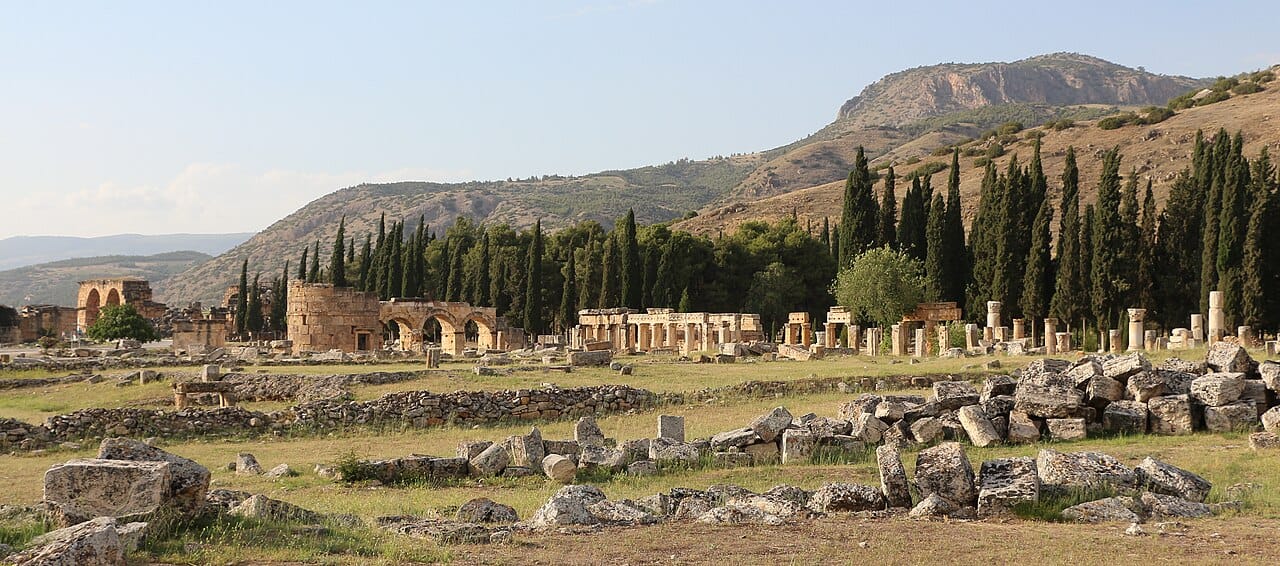
Travertine terraces and ancient ruins at Hierapolis-Pamukkale

Wikimedia Commons (CC BY-SA)

مدينةاليونسكومميز

Hierapolis

Seyfi Cem Baskin

190 ق.م – 1354 م

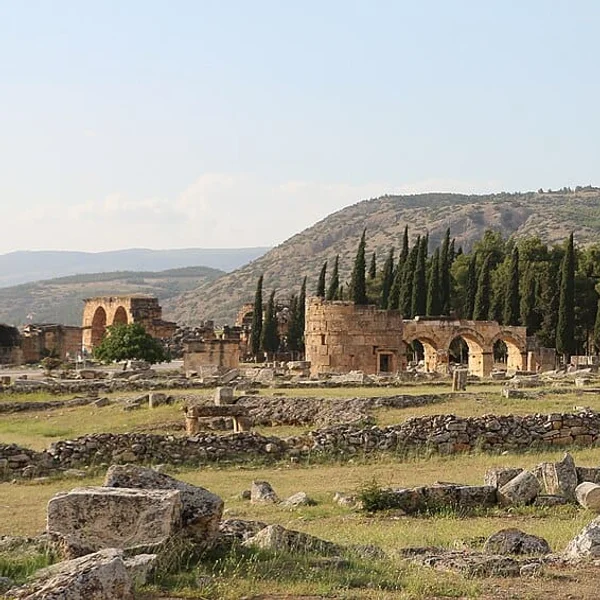
A Greco-Roman spa city perched above the famous white travertine terraces of Pamukkale. One of the best-preserved ancient cities in Turkey, with a vast necropolis, theatre, and the Plutonium — a gate to the underworld.

211
اهتمام 67

الموقع

Denizli · Aegean · تركيا

37.93°N · 29.12°E · آسيا

UNESCO Status

World Heritage Site (1988)

Theatre Capacity

~12,000

Necropolis

1,200+ tombs

Thermal Springs

36°C (97°F)

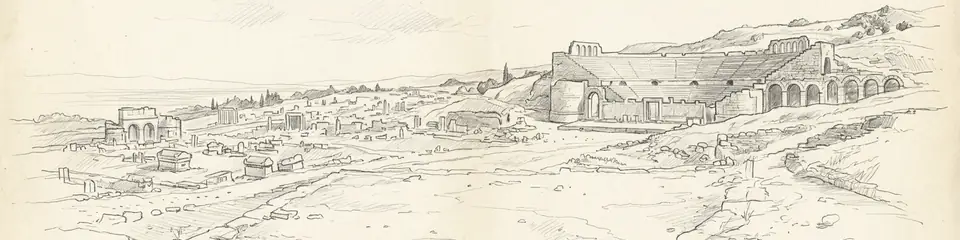
Graphite pencil sketch banner of Hierapolis

“Hierapolis represents the intersection of ancient medicine, religion, and natural wonder.”

من ويكيبيديا

Hierapolis was an ancient Greco-Roman city in Phrygia, located on hot springs in classical Phrygia in southwestern Anatolia. Its ruins are adjacent to modern Pamukkale in Turkey.

اقرأ المقال الكامل على ويكيبيديا →

الموقع

نظرة عامة

Hierapolis was founded as a thermal spa around 190 BCE by Eumenes II of Pergamon. The city flourished under Roman rule, becoming a major center for healing, textile production (especially wool dyeing), and early Christianity. The Apostle Philip is believed to have been martyred here.

The site sits atop the spectacular travertine terraces of Pamukkale ("Cotton Castle" in Turkish), formed by calcium-rich thermal waters cascading down the hillside over millennia. The city's theatre, seating 12,000, is one of the best-preserved in Anatolia.
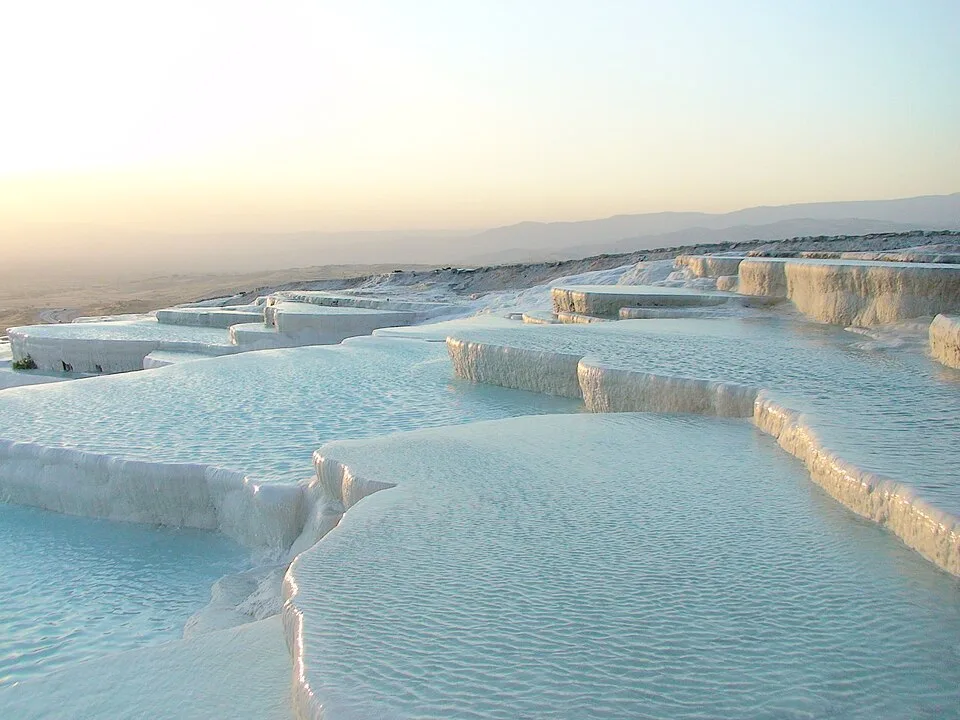
Pamukkale Hierapolis Travertine pools
Pamukkale Hierapolis Travertine pools | Pvasiliadis (CC BY-SA 3.0)
"The hot springs of Hierapolis burst from the earth as if boiled in a furnace, yet men bathe in them without harm."
— Strabo, Geography XIII.4.14, c. 20 BCE

The necropolis of Hierapolis is the largest ancient cemetery in Anatolia, with over 1,200 tombs spanning Hellenistic, Roman, and early Christian periods. The Plutonium, a cave emitting deadly carbon dioxide gases, was believed to be an entrance to the underworld and was used by priests to demonstrate divine power.
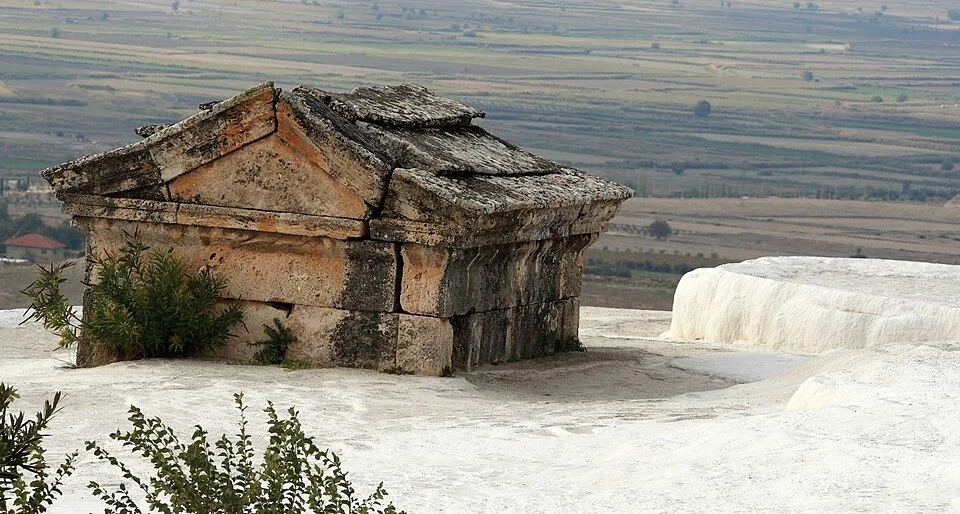
Tomb submerged in a travertine pool in Hierapolis
Tomb submerged in a travertine pool in Hierapolis | Frank K. (CC BY 2.0)

The city's urban plan is a classic example of Roman orthogonal design, centered on the long, colonnaded Frontinus Street. Major public buildings, including baths, a gymnasium, and temples, lined this thoroughfare, showcasing the city's wealth. The extensive water management system, featuring stone aqueducts and clay pipes, distributed thermal water to public baths, private homes, and industrial dyeing workshops. Hierapolis was a cosmopolitan hub, connected to trade routes across Anatolia. Its decline began with a major earthquake in the 7th century CE and was gradual, with a reduced population persisting into the Byzantine and Seljuk periods until the 14th century. The final abandonment is linked to further seismic activity and the shifting of trade routes.
لماذا يهم

Hierapolis represents the intersection of ancient medicine, religion, and natural wonder. The thermal springs that attracted settlers 2,200 years ago continue to draw visitors today, making it one of the most visited archaeological sites in Turkey. The site provides exceptional evidence for understanding ancient spa culture, early Christian communities in Asia Minor, and Greco-Roman urban planning. Its necropolis is an unparalleled record of funerary practices across several centuries. UNESCO inscribed Hierapolis-Pamukkale in 1988.

الأدلة والتفسير

التمييز بين ما هو راسخ وما لا يزال موضع نقاش.

حقائق راسخة

2
  • The Plutonium emits carbon dioxide gas that was lethal to animals brought near it in antiquity.
  • The necropolis contains over 1,200 tombs from Hellenistic through early Christian periods.

استنتاجات علمية

1
  • The city was a major center for textile production, particularly wool dyeing, based on archaeological evidence of dyeing facilities.

تفسيرات متنازع عليها

1
  • Whether the Apostle Philip was martyred at Hierapolis or elsewhere remains debated among scholars.

الاكتشاف والتنقيب

1957

Italian excavations begin

بقيادة Paolo Verzone

Paolo Verzone of the Turin Polytechnic began systematic excavations.

1988

UNESCO inscription

Hierapolis-Pamukkale inscribed as a UNESCO World Heritage Site.

صور المجتمع

شارك تجربتك

هل قمت بزيارة هذا الموقع؟ ارفع صورك لمساعدة الآخرين في اكتشافه.

قصص ذات صلة

كيفية الاستشهاد بهذه الصفحة

Atlas Anatolia. (190). Hierapolis. Atlas Anatolia. https://atlasanatolia.com/ar/site/hierapolis

المحتوى مرخّص بموجب CC BY-SA 4.0 — يجب ذكر المصدر عند إعادة الاستخدام.

رسم بياني

روابط بالمواقع والقصص ذات الصلة.

اقرأ المقال كاملاً على World History Encyclopedia
World History Encyclopedia · CC BY-NC-SA

المصادر

  • UNESCO World Heritage — Hierapolis-Pamukkaleرابط

الأسئلة الشائعة

أين يقع Hierapolis؟

يقع Hierapolis في Denizli, Aegean, Türkiye.

كم يبلغ عمر Hierapolis؟

يعود تاريخ Hierapolis إلى حوالي 190 ق.م – 1354 م.

ما هي الحضارات المرتبطة بـ Hierapolis؟

يرتبط Hierapolis بحضارة Greek, Roman, Byzantine.

لماذا يعتبر Hierapolis مهماً؟

Hierapolis represents the intersection of ancient medicine, religion, and natural wonder.

هل Hierapolis موقع تراث عالمي لليونسكو؟

نعم — Hierapolis مدرج في قائمة التراث العالمي لليونسكو.