
تخط إلى المحتوى
Atlas Anatolia
أخبارأسنان من العصر الجليدي في سولاويزي تدفع استخدام التنبول إلى ما يصل إلى 25,000 عاماكتشاف فسيفساء رومانية ورأس إيروس في بازيليكا بومبيوبوليس، كاستامونو
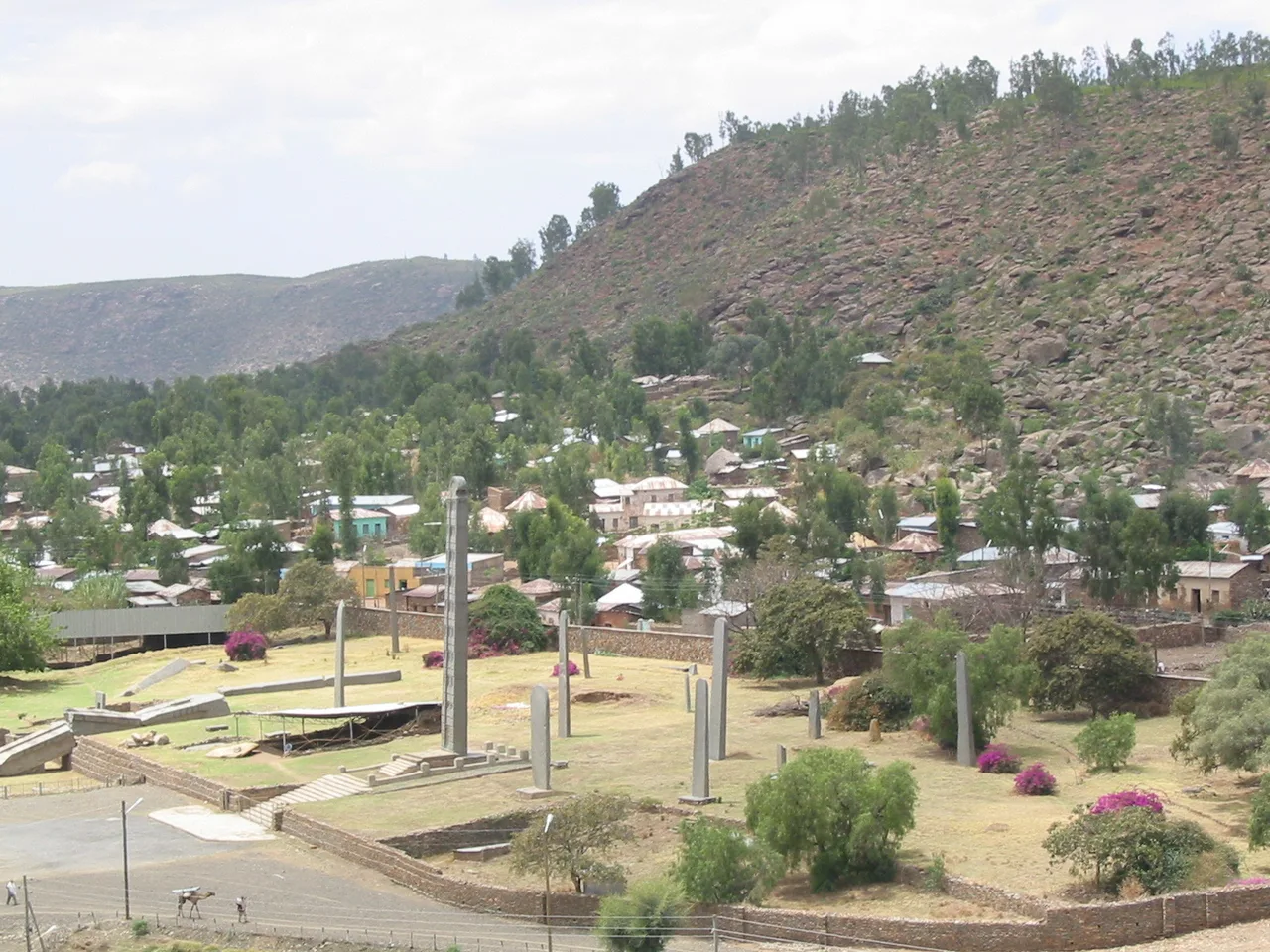
The standing 23-metre Obelisk of Aksum in Tigray, Ethiopia

Wikimedia Commons

Country Record

Known by the Most Names in Ethiopia

مدينةاليونسكومميز

Aksum

Seyfi Cem Baskin

አክሱም100 م – 940 م

Capital of the Aksumite Empire (c. 100–940 CE), one of the great powers of late antiquity — the only African state to defeat Persia in battle, famed for its towering carved stone obelisks and claimed home of the Ark of the Covenant.

31
اهتمام 62

الموقع

إثيوبيا

14.13°N · 38.72°E · أفريقيا

Empire dates

c. 100–940 CE

Largest stele (fallen)

33 m, estimated 520 tonnes — largest ancient monolith attempted

Religion adopted

Christianity, c. 330 CE under King Ezana

Currency accepted globally

One of three international currencies in the 4th century CE

Returned stele

24-m stele looted by Italy 1937, repatriated 2008

UNESCO

World Heritage Site since 1980

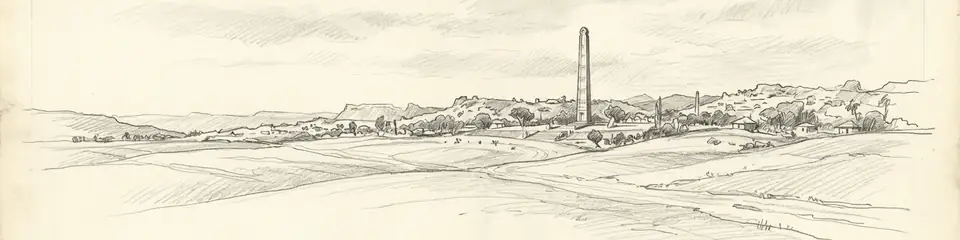
Graphite pencil sketch banner of Aksum

“Aksum is central to correcting a persistent Eurocentric distortion of ancient history.”

الموقع

نظرة عامة

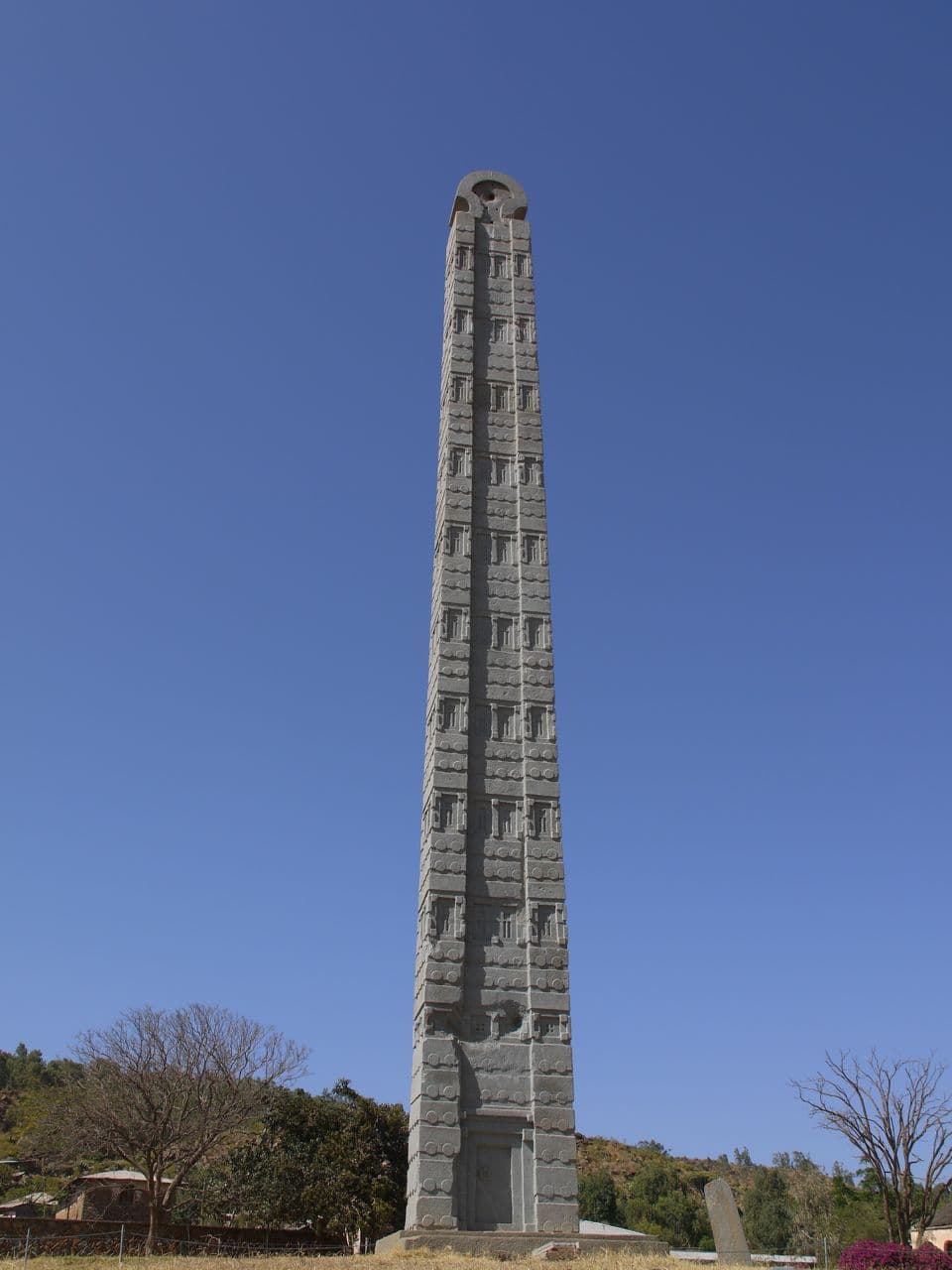
Aksum (modern Axum) lies in the Tigray region of northern Ethiopia, at 2,130 m elevation in a highland plateau. From roughly 100 CE to 940 CE it was the capital of the Aksumite Empire, which at its height controlled the Red Sea trade between the Roman Empire and India, dominated the Horn of Africa, occupied Yemen and parts of the Arabian Peninsula, and converted to Christianity in the fourth century CE under King Ezana — making it one of the first Christian kingdoms in the world. The empire's power derived from controlling the ivory trade route between sub-Saharan Africa and the Mediterranean, and from its port at Adulis on the Red Sea. Aksum is most visibly marked by its field of giant granite stelae (obelisks), monolithic shafts carved to resemble multi-storey buildings with false windows and doors, used as funerary monuments for Aksumite royalty. The largest stele, now fallen and broken, would have stood 33 m and weighed an estimated 520 tonnes — the largest single monolith ever quarried and moved in antiquity. A second stele of 24 m, looted by Mussolini's forces in 1937, was returned from Rome to Aksum in 2008. The city also contains the ruins of royal palaces, underground tombs, a pre-Christian temple, and the Church of Our Lady Mary of Zion, which local tradition claims houses the original Ark of the Covenant.
لماذا يهم

Aksum is central to correcting a persistent Eurocentric distortion of ancient history. The Aksumite Empire traded directly with Rome, Persia, India, and China; its coinage — gold, silver, and bronze — was one of only three currencies accepted for international trade in the fourth-century CE world, alongside Roman and Persian coinage. The empire's military strength was sufficient to defeat the Sasanian Persian Empire's attempt to control Yemen in the 570s CE. Yet Aksum rarely appears in standard histories of late antiquity. Its stelae, carved from single granite shafts without metal tools, represent a feat of engineering and artistry with no close parallel outside Egypt. The question of the Ark of the Covenant — whether any historical object corresponding to the biblical description exists at Aksum — is unresolved and inaccessible; the Chapel of the Tablet, where the Ark is allegedly kept, has been accessible only to a single guardian monk for centuries.

الأدلة والتفسير

التمييز بين ما هو راسخ وما لا يزال موضع نقاش.

حقائق راسخة

3
  • The conversion of the Aksumite Empire to Christianity is confirmed by coins of King Ezana (c. 330–356 CE) that show a transition from pre-Christian symbols (crescent and disc) to the Christian cross, and by a trilingual inscription in Greek, Ge'ez, and Sabean commemorating Ezana's military campaigns.
  • The Aksumite currency system (gold aureus, silver and bronze coins) is documented in archaeological finds across the Red Sea trade network and described in the Periplus of the Erythraean Sea (c. 50 CE) as an accepted form of international payment.
  • The largest standing stele at Aksum measures 24 m and is the second largest monolithic stele in the world. The largest, now fallen in multiple pieces, was 33 m — the largest single stone ever quarried and transported in antiquity.

تفسيرات متنازع عليها

1
  • The presence of the Ark of the Covenant at Aksum is a claim made by Ethiopian Orthodox tradition. The alleged object is held in the Chapel of the Tablet adjacent to the Church of Our Lady Mary of Zion and is not accessible to outside verification. No scholar has examined it.

صور المجتمع

شارك تجربتك

هل قمت بزيارة هذا الموقع؟ ارفع صورك لمساعدة الآخرين في اكتشافه.

قصص ذات صلة

كيفية الاستشهاد بهذه الصفحة

Atlas Anatolia. (100). Aksum. Atlas Anatolia. https://atlasanatolia.com/ar/site/aksum

المحتوى مرخّص بموجب CC BY-SA 4.0 — يجب ذكر المصدر عند إعادة الاستخدام.

رسم بياني

روابط بالمواقع والقصص ذات الصلة.

المصادر

  • Aksum: An African Civilisation of Late Antiquity — Stuart Munro-Hay (1991)رابط
  • The Periplus of the Erythraean Sea (50)

الأسئلة الشائعة

أين يقع Aksum؟

يقع Aksum في Ethiopia.

كم يبلغ عمر Aksum؟

يعود تاريخ Aksum إلى حوالي 100 م – 940 م.

ما هي الحضارات المرتبطة بـ Aksum؟

يرتبط Aksum بحضارة Aksumite.

لماذا يعتبر Aksum مهماً؟

Aksum is central to correcting a persistent Eurocentric distortion of ancient history.

هل Aksum موقع تراث عالمي لليونسكو؟

نعم — Aksum مدرج في قائمة التراث العالمي لليونسكو.