
تخط إلى المحتوى
Atlas Anatolia
أخبارأسنان من العصر الجليدي في سولاويزي تدفع استخدام التنبول إلى ما يصل إلى 25,000 عاماكتشاف فسيفساء رومانية ورأس إيروس في بازيليكا بومبيوبوليس، كاستامونو
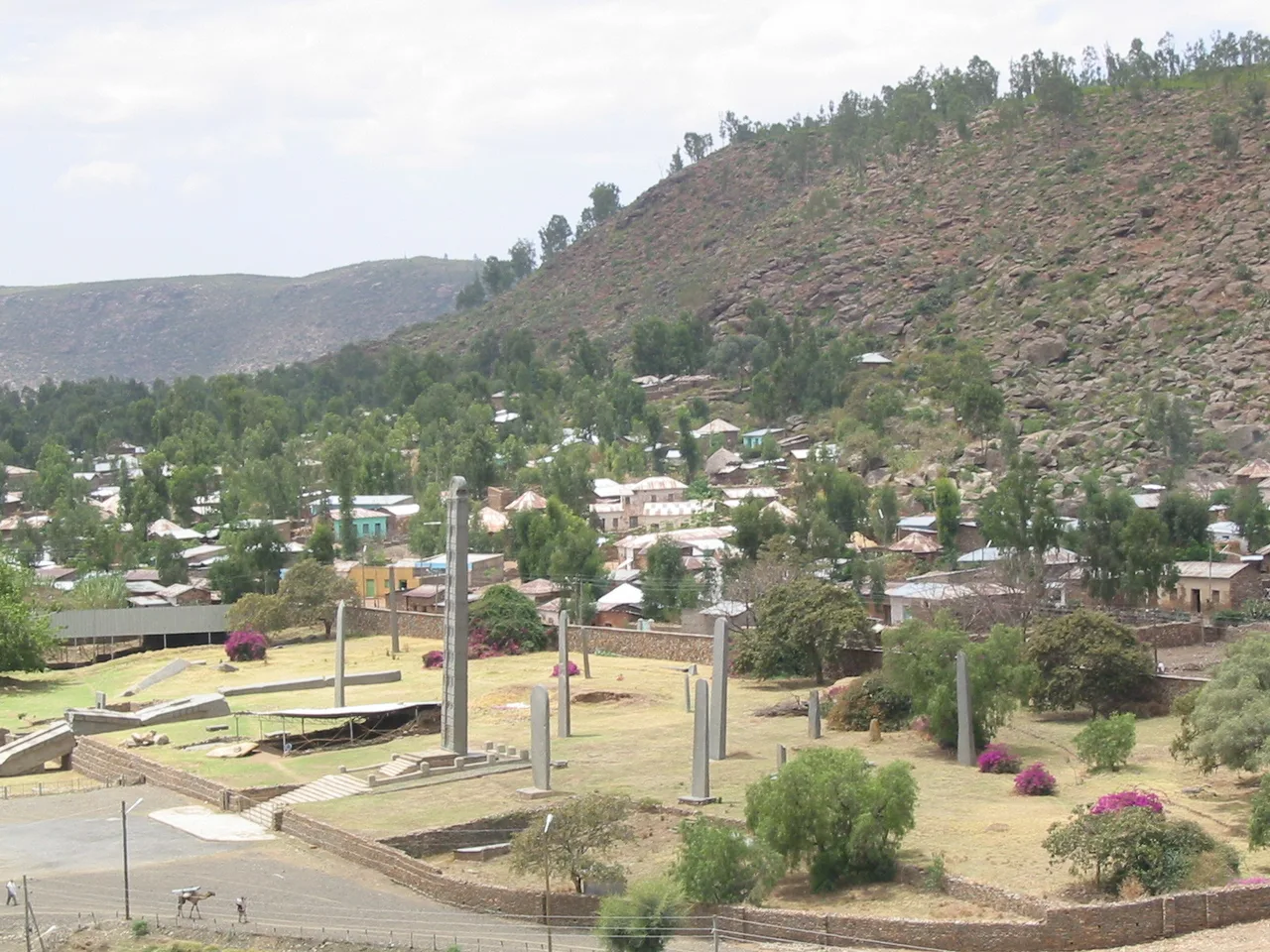
Towering granite stelae (obelisks) at the Northern Stelae Field of Axum, Ethiopia

Wikimedia Commons

Country Record

Longest Recorded History in Ethiopia

نصب تذكارياليونسكو

Axum

Seyfi Cem Baskin

አክሱም100 ق.م – 940 م

The capital of one of antiquity's great empires — a city of towering granite obelisks, royal tombs, and palaces rising in the highlands of northern Ethiopia. At the height of Aksumite power from the 1st to 7th centuries CE, Axum controlled trade routes linking the Mediterranean, Arabia, and sub-Saharan Africa, minted its own gold coins, and became one of the first states in the world to adopt Christianity as its official religion.

311
اهتمام 68

الموقع

Tigray · إثيوبيا

14.13°N · 38.72°E · أفريقيا

Period

c. 100 BCE – 940 CE; peak 1st–7th century CE

Stelae

Largest obelisk ever erected (33 m, now fallen); Stele 2 (24 m) still stands

Religion

One of the world's first Christian states (c. 330 CE, under King Ezana)

Trade

Controlled Red Sea trade linking Mediterranean, Arabia, India, and Africa

Coinage

Issued gold, silver, and copper coins — one of Africa's earliest coin-minting states

UNESCO

World Heritage Site 1980

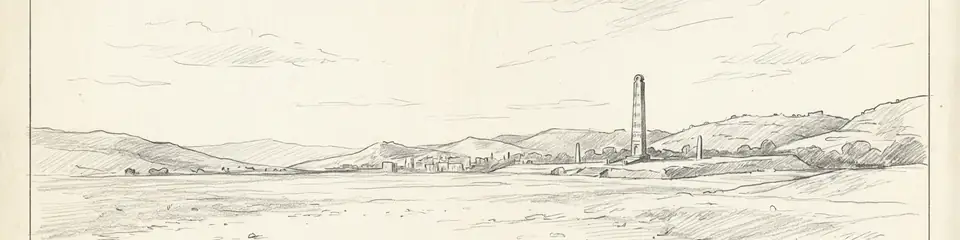
Graphite pencil sketch banner of Axum

“Axum overturns the false idea that sophisticated urbanism, monumental architecture, and literate civilization in sub-Saharan Africa were rare or derivative.”

الموقع

نظرة عامة

Axum (also spelled Aksum) lies on the Tigrayan plateau of northern Ethiopia at an altitude of about 2,100 metres. It was the capital of the Aksumite Empire, one of the four great powers of late antiquity alongside Rome, Persia, and China. The city was inhabited from at least the first millennium BCE and reached the peak of its importance between approximately 100 and 940 CE, when the Aksumite state controlled a maritime empire stretching across the Red Sea into the Arabian Peninsula and south along the East African coast.

Axum is most famous for its monumental stelae — tall, finely carved granite obelisks up to 33 metres in height that mark royal funerary complexes. Stele 2 (24 metres, still standing) and Stele 3 (21 metres) dominate the Northern Stelae Field, while the fallen Stele 1 — originally 33 metres, the largest obelisk ever erected — lies broken nearby. The largest standing obelisk in the world when it stood, Stele 1 demonstrates engineering capability on par with ancient Egypt. A fourth major obelisk, looted by Italian forces in 1937 and returned to Ethiopia in 2008, stands re-erected near its original position.

Beneath the stelae lie elaborate royal tomb complexes cut into the bedrock, including the Tomb of the Brick Arches, the Tomb of the False Door, and the Mausoleum. Excavations have revealed large quantities of luxury grave goods including Byzantine and Indian objects, reflecting the city's role as a trading hub.

Around 330 CE, King Ezana converted to Christianity, making Aksum one of the earliest Christian states in the world. The Church of Our Lady Mary of Zion, believed to house the Ark of the Covenant in an adjacent treasury chapel, has been a pilgrimage site ever since. The church as it stands today dates to the 17th century, but its sacred status extends far older. The city also minted a sophisticated coinage from the 3rd century CE, with inscriptions in Greek and Ge'ez — one of the earliest coin-issuing states in sub-Saharan Africa. Axum was inscribed as a UNESCO World Heritage Site in 1980.

لماذا يهم

Axum overturns the false idea that sophisticated urbanism, monumental architecture, and literate civilization in sub-Saharan Africa were rare or derivative. The Aksumite Empire was contemporary with Rome and traded with the Roman, Persian, Indian, and Chinese worlds on equal terms — a cosmopolitan power that issued gold coinage, adopted its own script (Ge'ez), and exported Christianity to neighbouring kingdoms. The stelae of Axum remain among the most remarkable monumental sculptures of the ancient world, carved from single granite slabs without mechanised tools. The engineering required to quarry, transport, dress, and erect a 33-metre stone needle is extraordinary — evidence of a state capable of mobilising massive resources and technical expertise. For Ethiopian Christians, Axum holds the highest religious significance as the claimed resting place of the Ark of the Covenant and the site of the conversion of the Aksumite kingdom to Christianity in the 4th century — a continuous tradition of nearly 1,700 years.

الأدلة والتفسير

التمييز بين ما هو راسخ وما لا يزال موضع نقاش.

حقائق راسخة

3
  • Stele 1 (originally 33 m), the largest obelisk ever erected in antiquity, lies fallen and broken in the Northern Stelae Field; structural analysis confirms it collapsed during or shortly after erection.
  • King Ezana's conversion to Christianity is documented by the Ezana Stone inscription (c. 330 CE), which records his dedication of conquests to the Christian God — one of the earliest state-sponsored Christian inscriptions in the world.
  • Aksumite gold, silver, and bronze coins bearing royal portraits and religious symbols have been found across trade routes from the Mediterranean to India, confirming the empire's commercial reach.

استنتاجات علمية

1
  • The subterranean royal tomb complexes beneath the stelae are associated with the rulers buried under them based on scale and associated grave goods; individual rulers cannot always be matched to specific tombs.

تفسيرات متنازع عليها

1
  • The Church of Our Lady Mary of Zion is claimed by Ethiopian Orthodox tradition to house the Ark of the Covenant; this is a matter of religious belief that cannot be assessed archaeologically.

الاكتشاف والتنقيب

1906

British Institute in Eastern Africa survey

Deutsche Aksum-Expedition under Enno Littmann conducted the first systematic survey, recording and photographing the stelae and inscriptions.

1993–2003

David Phillipson excavations

Extensive Cambridge University excavations of the royal tombs and stelae field produced detailed stratigraphic evidence for Aksumite urban development.

صور المجتمع

شارك تجربتك

هل قمت بزيارة هذا الموقع؟ ارفع صورك لمساعدة الآخرين في اكتشافه.

كيفية الاستشهاد بهذه الصفحة

Atlas Anatolia. (100). Axum. Atlas Anatolia. https://atlasanatolia.com/ar/site/axum

المحتوى مرخّص بموجب CC BY-SA 4.0 — يجب ذكر المصدر عند إعادة الاستخدام.

المصادر

  • Aksum: An African Civilisation of Late Antiquity — Munro-Hay, Stuart (1991)
  • Ancient Ethiopia: Aksum, Its Antecedents and Successors — Phillipson, David W. (1998)
  • UNESCO — Aksumرابط

الأسئلة الشائعة

أين يقع Axum؟

يقع Axum في Tigray, Ethiopia.

كم يبلغ عمر Axum؟

يعود تاريخ Axum إلى حوالي 100 ق.م – 940 م.

ما هي الحضارات المرتبطة بـ Axum؟

يرتبط Axum بحضارة Aksumite, Early Christian.

لماذا يعتبر Axum مهماً؟

Axum overturns the false idea that sophisticated urbanism, monumental architecture, and literate civilization in sub-Saharan Africa were rare or derivative.

هل Axum موقع تراث عالمي لليونسكو؟

نعم — Axum مدرج في قائمة التراث العالمي لليونسكو.