
تخط إلى المحتوى
Atlas Anatolia
أخبارأسنان من العصر الجليدي في سولاويزي تدفع استخدام التنبول إلى ما يصل إلى 25,000 عاماكتشاف فسيفساء رومانية ورأس إيروس في بازيليكا بومبيوبوليس، كاستامونو
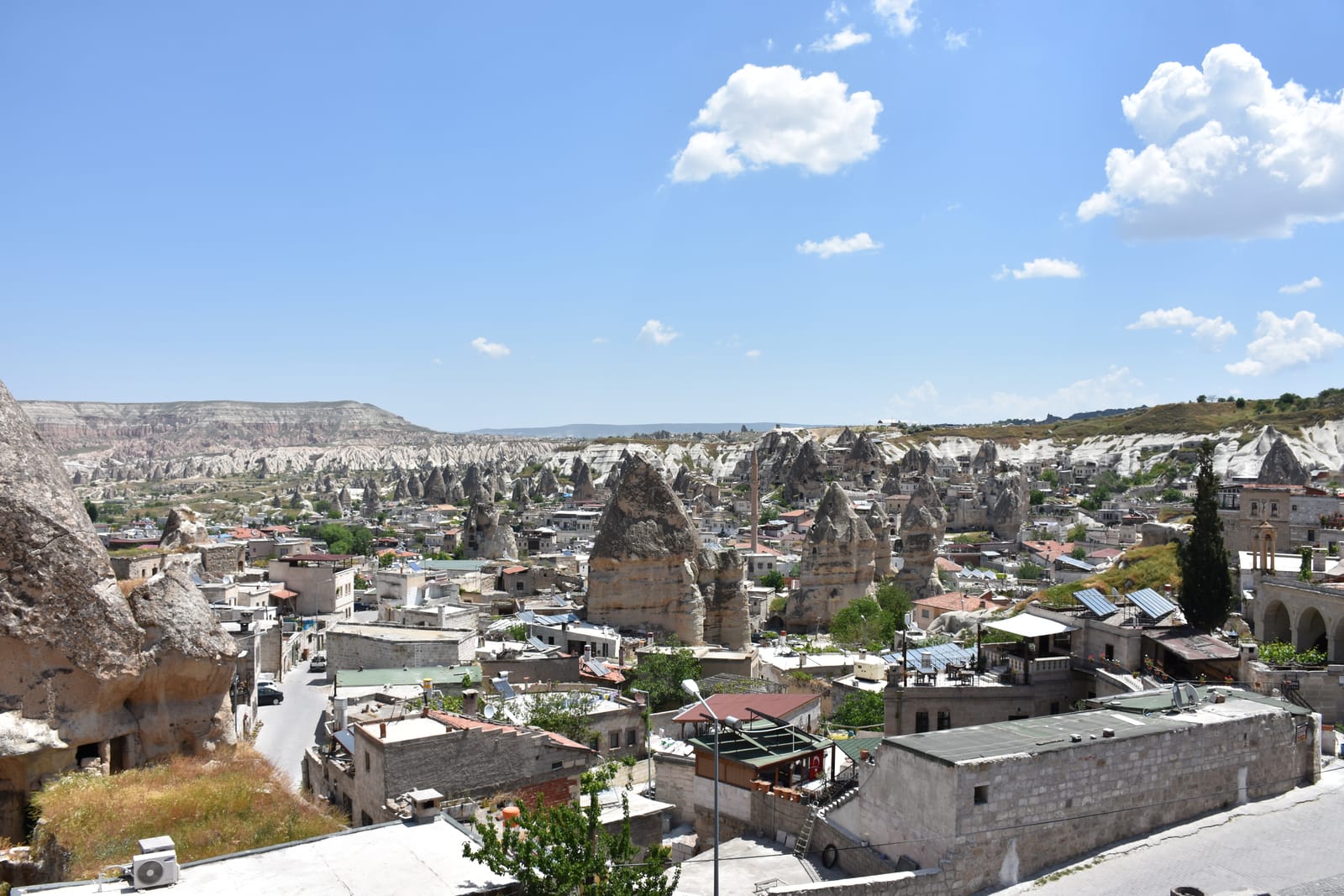
Fairy chimneys and cave churches at Goreme Open Air Museum, Cappadocia

Wikimedia Commons (CC BY-SA)

Country Record

Oldest Complex in Türkiye

مجمع معمارياليونسكومميز

Cappadocia (Goreme Open Air Museum)

Seyfi Cem Baskin

Goreme Acik Hava Muzesi3000 ق.م – 1300 م

A surreal landscape of fairy chimneys and cave churches carved into volcanic rock, housing some of the finest Byzantine frescoes in existence. Cappadocia's Goreme valley is where geology and faith converge in extraordinary form.

312
اهتمام 64

الموقع

Nevsehir · Central Anatolia · تركيا

38.64°N · 34.85°E · آسيا

UNESCO Status

World Heritage Site (1985)

Cave Churches

30+ in museum complex

Best Frescoes

Dark Church (11th century)

Geological Age

~60 million years (volcanic tuff)

Primary Fresco Patron

Local Byzantine military aristocracy (e.g., donors named in the Dark Church)

Major Conservation Project

Göreme Open Air Museum Conservation and Development Project (1995-2005), led by the Turkish Ministry of Culture and UNESCO

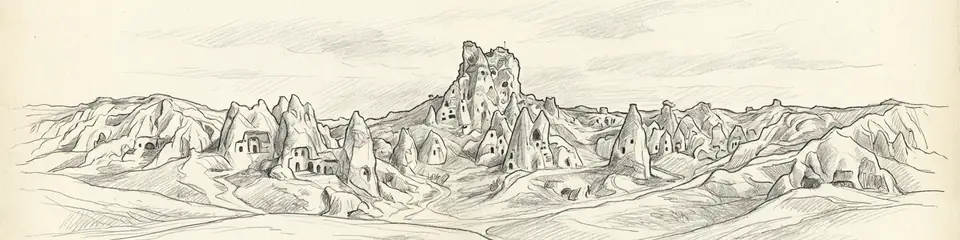
Graphite pencil sketch banner of Cappadocia (Goreme Open Air Museum)

“Cappadocia's Goreme complex is an irreplaceable record of Byzantine monastic life and art in Anatolia.”

من ويكيبيديا

The Goreme Open Air Museum is a UNESCO World Heritage Site in Cappadocia, Turkey, featuring rock-cut churches with Byzantine frescoes from the 10th-13th centuries.

اقرأ المقال الكامل على ويكيبيديا →

الموقع

نظرة عامة

The Goreme Open Air Museum is the concentrated heart of Cappadocia's monastic heritage — a cluster of rock-cut churches, chapels, and refectories carved into the soft tuff formations that define this otherworldly landscape. The volcanic eruptions of Mount Erciyes and Mount Hasan millions of years ago deposited thick layers of ash that solidified into tufa, which wind and water sculpted into the cones, pillars, and "fairy chimneys" that make Cappadocia unmistakable.

Early Christians fleeing Roman persecution discovered that the soft rock was ideal for carving. By the 4th century CE, anchorite monks had established hermitages here. The region flourished as a monastic center from the 6th through 13th centuries, producing hundreds of rock-cut churches decorated with vivid frescoes depicting biblical scenes, saints, and geometric patterns.

"In Cappadocia the mountains are hollow, and men dig their houses out of the rock."
— Xenophon, Anabasis IV.5.25, 401 BCE

The Dark Church (Karanlik Kilise), with its remarkably preserved 11th-century frescoes, is the jewel of the complex. The Buckle Church (Tokali Kilise), the largest in Goreme, features an extensive cycle of New Testament scenes. The Apple Church (Elmali Kilise) and Snake Church (Yilanli Kilise) each offer distinct artistic programs that illuminate the evolution of Byzantine provincial art.

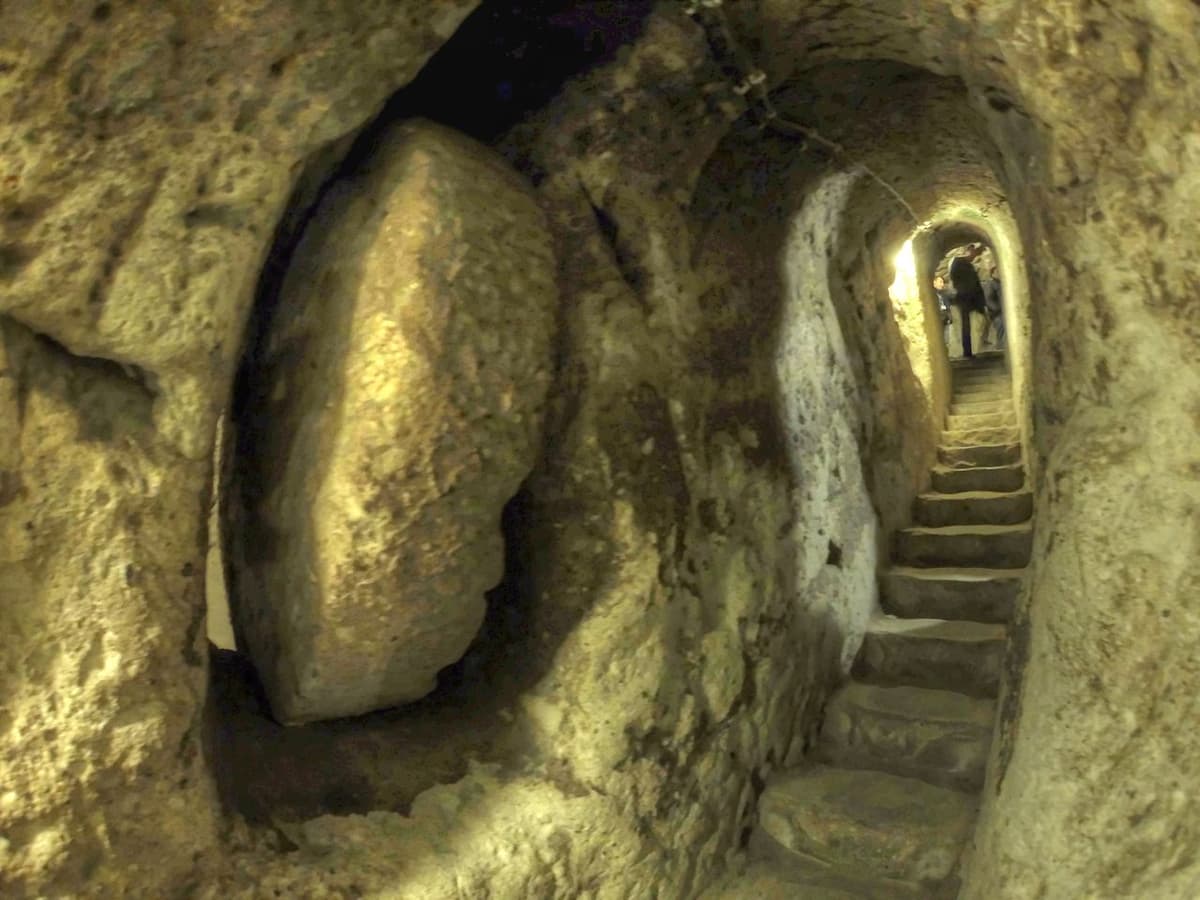
Beyond the museum, the broader Cappadocian landscape encompasses underground cities like Derinkuyu and Kaymakli, the Zelve and Ihlara valleys, and the fortress-rock of Uchisar — a civilization carved entirely into stone.
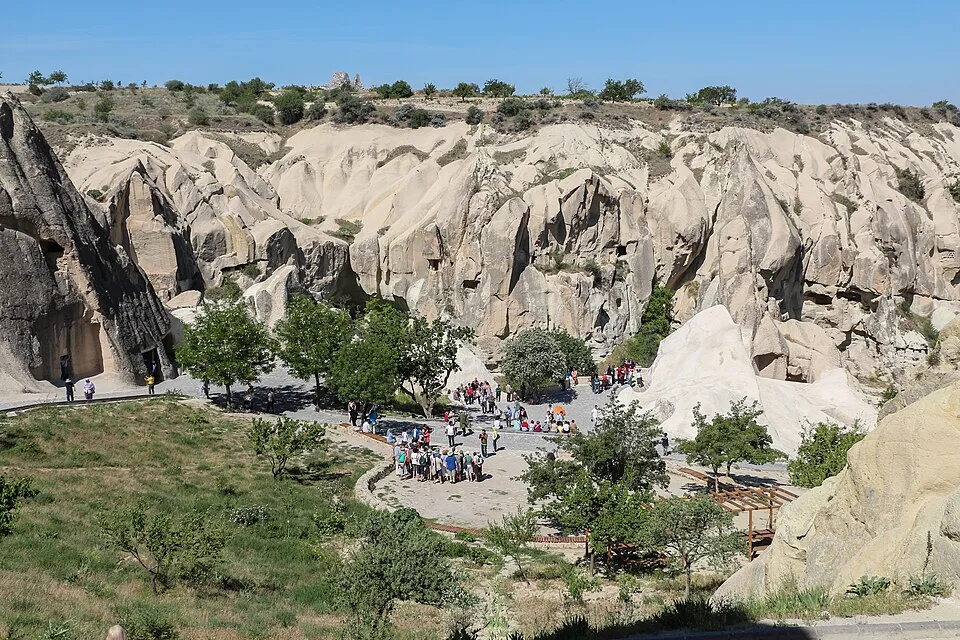
Göreme Open Air Museum 01
Göreme Open Air Museum 01 | Bernard Gagnon (CC BY-SA 3.0)

The architecture evolved from simple, undecorated chapels of the early ascetics to sophisticated, multi-domed churches like the Tokalı Kilise, reflecting increased patronage and theological complexity in the Middle Byzantine period. Beyond the churches, the complex includes refectories, kitchens, wine and oil presses, and dormitory cells, painting a vivid picture of a communal monastic life integrated into the rock. The site's decline began after the Seljuk conquest of the region in the late 11th century, which shifted political and economic power away from the Byzantine monastic centers. While some Christian use continued, many complexes were gradually abandoned or converted for storage and shelter by later inhabitants, until systematic archaeological study began in the 20th century.
لماذا يهم

Cappadocia's Goreme complex is an irreplaceable record of Byzantine monastic life and art in Anatolia. The frescoes preserved within these cave churches — protected from sunlight and weathering by the rock itself — represent some of the best-surviving examples of middle Byzantine painting outside Constantinople. The site reveals how early Christian communities adapted to the Anatolian landscape, turning geological formations into functional architecture without a single quarried stone. UNESCO inscribed Goreme and the rock sites of Cappadocia in 1985, recognizing both the natural wonder and the cultural achievement embedded within it.

الأدلة والتفسير

التمييز بين ما هو راسخ وما لا يزال موضع نقاش.

حقائق راسخة

3
  • The Dark Church frescoes date to the mid-11th century based on iconographic analysis and stylistic comparison with dated Byzantine manuscripts.
  • Monastic communities were established in Cappadocia by at least the 4th century CE, as attested by the writings of the Cappadocian Fathers (Basil of Caesarea, Gregory of Nyssa, Gregory of Nazianzus).
  • Over 600 rock-cut churches have been identified across the broader Cappadocian region.

استنتاجات علمية

1
  • The soft volcanic tuff was initially shaped by early inhabitants for storage and shelter before being adapted for religious use.

تفسيرات متنازع عليها

2
  • The extent to which iconoclast-era (726-843 CE) churches with only geometric decoration reflect theological iconoclasm versus simple provincial tradition remains debated.
  • The function of the 'Tokalı Kilise' (Buckle Church) complex, specifically whether its four interconnected sections represent a single, evolving monastic foundation or separate, sequentially built churches for different congregations, is debated.

الاكتشاف والتنقيب

1907

First scholarly documentation

بقيادة Guillaume de Jerphanion

French priest Guillaume de Jerphanion began systematic study of the cave churches and their frescoes.

1950–1960

Restoration campaigns

Turkish authorities began restoring and protecting the rock-cut churches from deterioration.

1985

UNESCO inscription

Goreme National Park and the Rock Sites of Cappadocia inscribed as a World Heritage Site.

1990–2000

Fresco restoration

Major international restoration projects conserved frescoes in the Dark Church and Buckle Church.

صور المجتمع

شارك تجربتك

هل قمت بزيارة هذا الموقع؟ ارفع صورك لمساعدة الآخرين في اكتشافه.

قصص ذات صلة

كيفية الاستشهاد بهذه الصفحة

Atlas Anatolia. (3000). Cappadocia (Goreme Open Air Museum). Atlas Anatolia. https://atlasanatolia.com/ar/site/cappadocia-goreme

المحتوى مرخّص بموجب CC BY-SA 4.0 — يجب ذكر المصدر عند إعادة الاستخدام.

رسم بياني

روابط بالمواقع والقصص ذات الصلة.

المصادر

  • UNESCO World Heritage — Goreme National Park and the Rock Sites of Cappadociaرابط
  • Arts of Cappadocia — Luciano Giovannini (1971)
  • The Byzantine Monuments and Topography of the Pontos — Anthony Bryer & David Winfield (1985)

الأسئلة الشائعة

أين يقع Cappadocia (Goreme Open Air Museum)؟

يقع Cappadocia (Goreme Open Air Museum) في Nevsehir, Central Anatolia, Türkiye.

كم يبلغ عمر Cappadocia (Goreme Open Air Museum)؟

يعود تاريخ Cappadocia (Goreme Open Air Museum) إلى حوالي 3000 ق.م – 1300 م.

ما هي الحضارات المرتبطة بـ Cappadocia (Goreme Open Air Museum)؟

يرتبط Cappadocia (Goreme Open Air Museum) بحضارة Roman, Byzantine, Early Christian.

لماذا يعتبر Cappadocia (Goreme Open Air Museum) مهماً؟

Cappadocia's Goreme complex is an irreplaceable record of Byzantine monastic life and art in Anatolia.

هل Cappadocia (Goreme Open Air Museum) موقع تراث عالمي لليونسكو؟

نعم — Cappadocia (Goreme Open Air Museum) مدرج في قائمة التراث العالمي لليونسكو.