
تخط إلى المحتوى
Atlas Anatolia
أخبارأسنان من العصر الجليدي في سولاويزي تدفع استخدام التنبول إلى ما يصل إلى 25,000 عاماكتشاف فسيفساء رومانية ورأس إيروس في بازيليكا بومبيوبوليس، كاستامونو
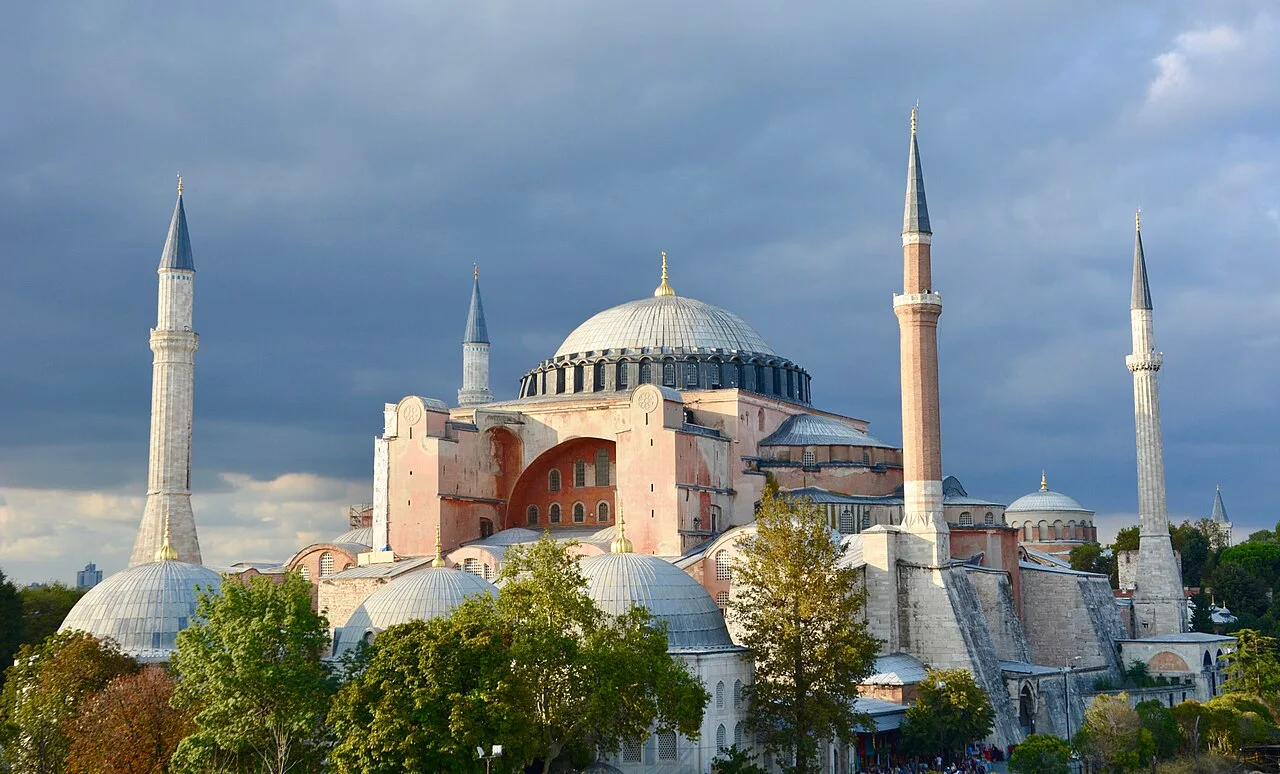
The domed exterior of Hagia Sophia with its Ottoman minarets, Istanbul, Turkey

Wikimedia Commons

Country Record

Known by the Most Names in Türkiye

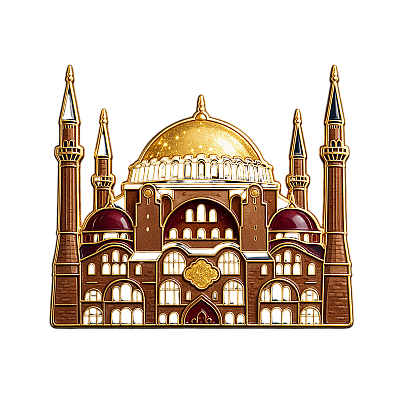
The Floating Dome — Hagia Sophia Collectible Enamel Pin
🔒
تراث🎖️The Floating Dome(Collectible)نصب تذكارياليونسكومميز

Hagia Sophia

Seyfi Cem Baskin

Ἁγία Σοφία / Ayasofya532 م – 1453 م

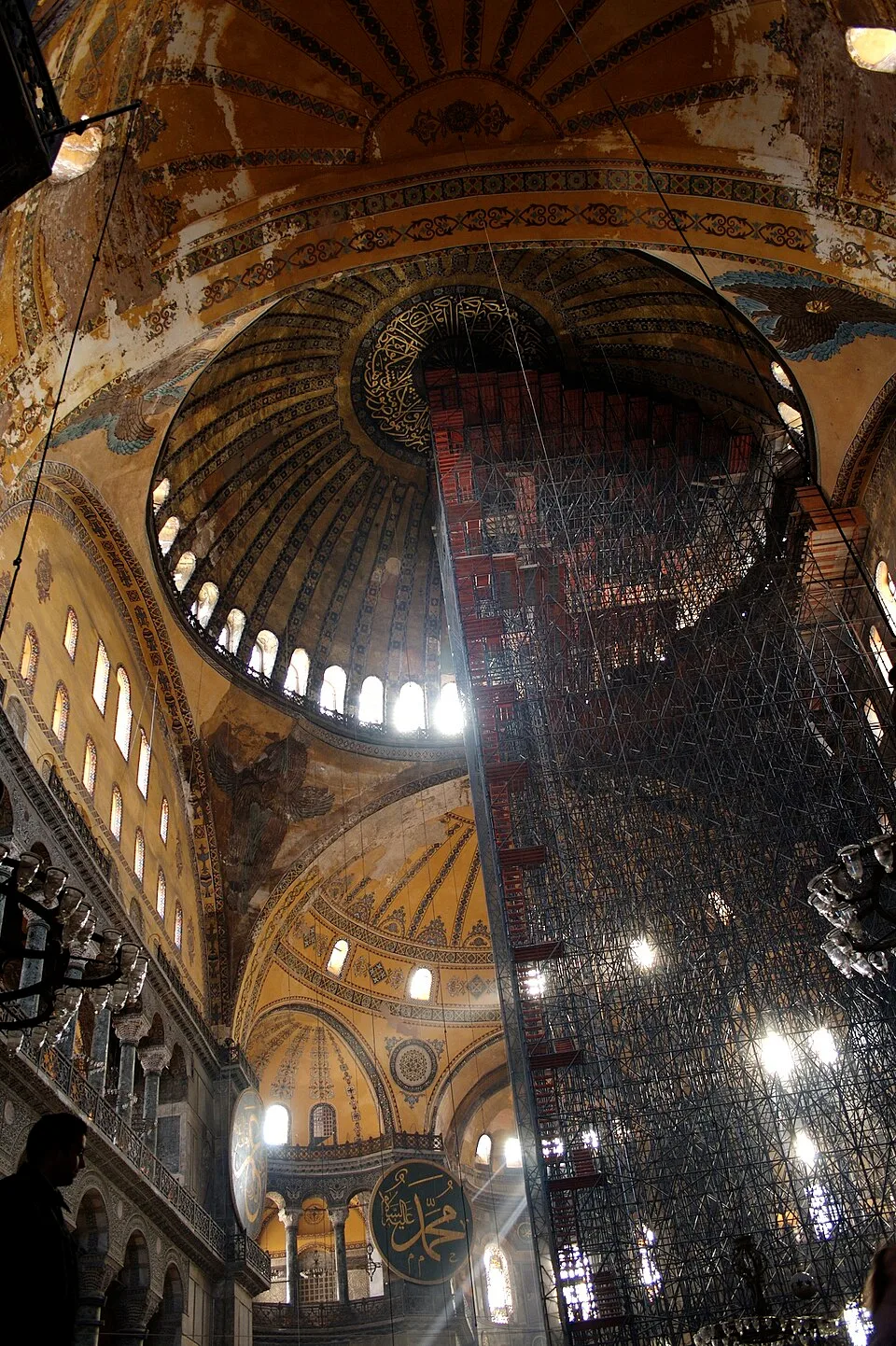
The supreme achievement of Byzantine architecture — a vast domed basilica built by the emperor Justinian in Constantinople in just five years and completed in 537 CE, its 31-metre dome seeming to float on a ring of windows. For nearly a thousand years it was the largest enclosed space and greatest cathedral in the Christian world, before becoming a mosque, a museum, and a mosque again.

311
اهتمام 88

Completed

537 CE, under Emperor Justinian I (built in under 6 years)

Architects

Anthemius of Tralles and Isidore of Miletus (mathematicians)

Dome

31 m diameter, 55 m high; ringed by 40 windows

Converted to mosque

1453 (Mehmed II); museum 1934; mosque again 2020

Status held

World's largest cathedral for ~900 years

UNESCO

Part of "Historic Areas of Istanbul" (1985)

Graphite pencil sketch banner of Hagia Sophia

“Hagia Sophia is the defining monument of Byzantine civilization and one of the most important buildings ever constructed.”

الموقع

نظرة عامة

Hagia Sophia stands on the first hill of historic Constantinople (modern Istanbul), overlooking the Bosphorus where it meets the Sea of Marmara and the Golden Horn. The present building is the third church on the site. The first, dedicated under Constantius II in 360, and the second, under Theodosius II in 415, were both destroyed by fire during civil unrest — the second burned in the Nika riots of 532. Within weeks of those riots, the emperor Justinian I commissioned a replacement on a scale never before attempted.

Justinian entrusted the design not to working architects but to two mathematicians: Anthemius of Tralles and Isidore of Miletus. Their solution to roofing an enormous square space with a dome — the pendentive, a curved triangular vault that transitions from a square base to a circular rim — became one of the most influential structural innovations in architectural history. The central dome, 31 metres in diameter and rising 55 metres above the floor, is pierced at its base by 40 windows, so that light pours in at the springing line and the dome appears, in the words of the contemporary historian Procopius, "to be suspended from heaven by a golden chain." The building was completed in an astonishingly short five years, ten months, and was consecrated on 27 December 537.

"Whenever one enters this church to pray, he understands at once that it is not by human power or skill, but by the influence of God, that this work has been perfected."
— Procopius, On Buildings I.1, on Hagia Sophia (c. 560 CE)

The original dome was too shallow and exerted too much outward thrust; it partially collapsed in 558 after earthquakes, and Isidore the Younger rebuilt it steeper and slightly higher. The interior was sheathed in polychrome marble revetment quarried from across the empire and, over subsequent centuries, decorated with gold-ground mosaics depicting Christ, the Virgin, emperors, and saints — many added after the end of the Iconoclasm controversy in 843. For 900 years Hagia Sophia was the cathedral of Constantinople and the ceremonial centre of the Eastern Orthodox world, the setting for imperial coronations.
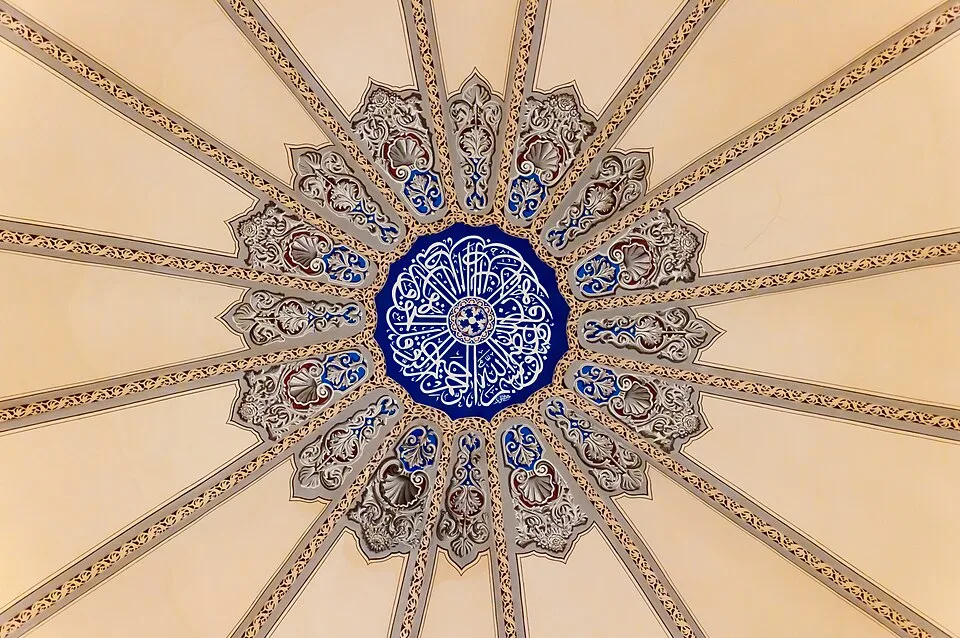
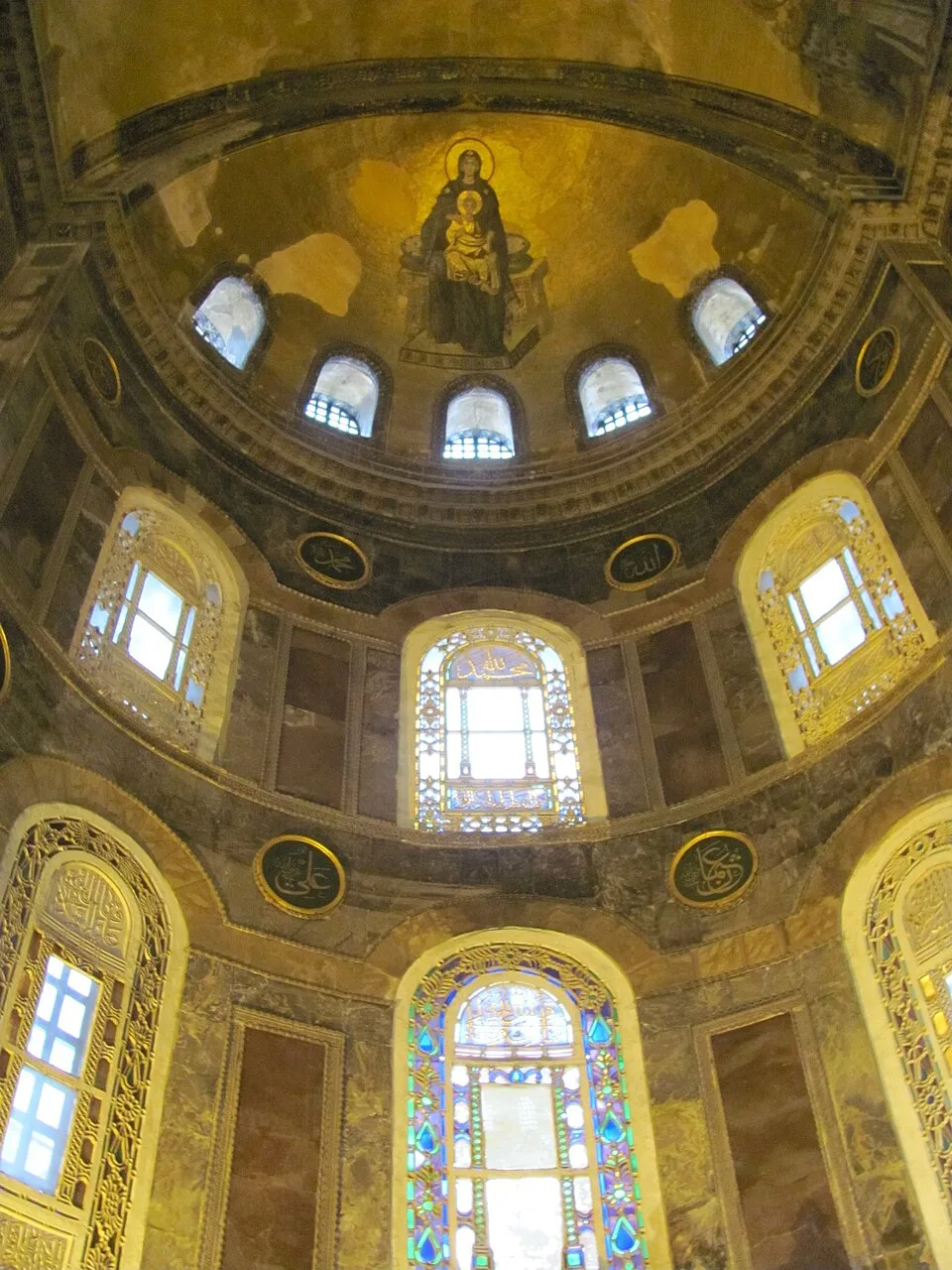
Kuppel Kleine Hagia Sophia
Kuppel Kleine Hagia Sophia | H005 (Public domain)
Dome of Hagia Sophia 2
Dome of Hagia Sophia 2 | Slyronit (CC BY-SA 4.0)
Hagia Sophia Interior Dome
Hagia Sophia Interior Dome | Matthew Badger bad_germ (CC BY-SA 3.0)

After the Ottoman conquest of Constantinople in 1453, Sultan Mehmed II converted the church into a mosque. Four minarets were added over the following century, the figural mosaics were gradually plastered over, and great calligraphic roundels were hung in the nave. The Ottoman architect Mimar Sinan reinforced the structure with buttresses, ensuring its survival through later earthquakes. In 1934 the secular Turkish republic converted the building into a museum, and conservators uncovered many of the hidden Byzantine mosaics. In 2020 it was reconverted to a working mosque, with the mosaics now veiled during prayer.
لماذا يهم

Hagia Sophia is the defining monument of Byzantine civilization and one of the most important buildings ever constructed. Its pendentive-supported dome solved a structural problem that had defeated Roman builders and established the template for monumental domed architecture that runs through Ottoman mosque design — Sinan spent his career responding to it — to St Peter's in Rome and beyond. For almost a millennium it held the record as the world's largest cathedral, and its scale and luminous interior were understood by contemporaries as a deliberate image of heaven on earth. The building is also a unique palimpsest of the religious history of the eastern Mediterranean: a Christian cathedral, an imperial mosque, a secular museum, and a mosque again, with Byzantine gold mosaics and monumental Arabic calligraphy sharing the same space. It is the centrepiece of the "Historic Areas of Istanbul," inscribed by UNESCO as a World Heritage Site in 1985.

الأدلة والتفسير

التمييز بين ما هو راسخ وما لا يزال موضع نقاش.

حقائق راسخة

3
  • The construction and consecration of the present building are documented in detail by the contemporary historian Procopius of Caesarea in his work "On Buildings" (De Aedificiis), written within Justinian's lifetime. The consecration date of 27 December 537 is securely recorded in Byzantine sources.
  • The partial collapse of the original dome in 558, following earthquakes, and its reconstruction in steeper form by Isidore the Younger, are documented and confirmed by structural analysis of the surviving fabric, which shows the rebuilt dome rises about 6 metres higher than the original.
  • Byzantine figural mosaics — including the Deësis, the Virgin and Child in the apse, and imperial portrait panels — were plastered over after 1453 and rediscovered during museum-era conservation from 1934 onward, led by the Byzantine Institute of America under Thomas Whittemore.

استنتاجات علمية

1
  • The marble revetment was quarried from across the empire — green from Thessaly, porphyry from Egypt, white from Proconnesus — and arranged in matched "book-matched" panels. The deliberate sourcing of stone from every corner of the empire is read by scholars as a symbolic assertion of imperial universality.

تفسيرات متنازع عليها

1
  • The precise original form and height of the first (537) dome remain debated, since it was replaced after 558. Estimates of how much shallower it was, and whether design error or seismic activity was the primary cause of collapse, vary among structural historians.

صور المجتمع

شارك تجربتك

هل قمت بزيارة هذا الموقع؟ ارفع صورك لمساعدة الآخرين في اكتشافه.

قصص ذات صلة

كيفية الاستشهاد بهذه الصفحة

Atlas Anatolia. (532). Hagia Sophia. Atlas Anatolia. https://atlasanatolia.com/ar/site/hagia-sophia

المحتوى مرخّص بموجب CC BY-SA 4.0 — يجب ذكر المصدر عند إعادة الاستخدام.

رسم بياني

روابط بالمواقع والقصص ذات الصلة.

المصادر

  • Hagia Sophia: Architecture, Structure and Liturgy of Justinian's Great Church — Mainstone, Rowland J. (1988)
  • Byzantine Architecture — Mango, Cyril (1976)
  • On Buildings (De Aedificiis) — Procopius (555)

الأسئلة الشائعة

أين يقع Hagia Sophia؟

يقع Hagia Sophia في Türkiye.

كم يبلغ عمر Hagia Sophia؟

يعود تاريخ Hagia Sophia إلى حوالي 532 م – 1453 م.

ما هي الحضارات المرتبطة بـ Hagia Sophia؟

يرتبط Hagia Sophia بحضارة Byzantine, Ottoman.

لماذا يعتبر Hagia Sophia مهماً؟

Hagia Sophia is the defining monument of Byzantine civilization and one of the most important buildings ever constructed.

هل Hagia Sophia موقع تراث عالمي لليونسكو؟

نعم — Hagia Sophia مدرج في قائمة التراث العالمي لليونسكو.