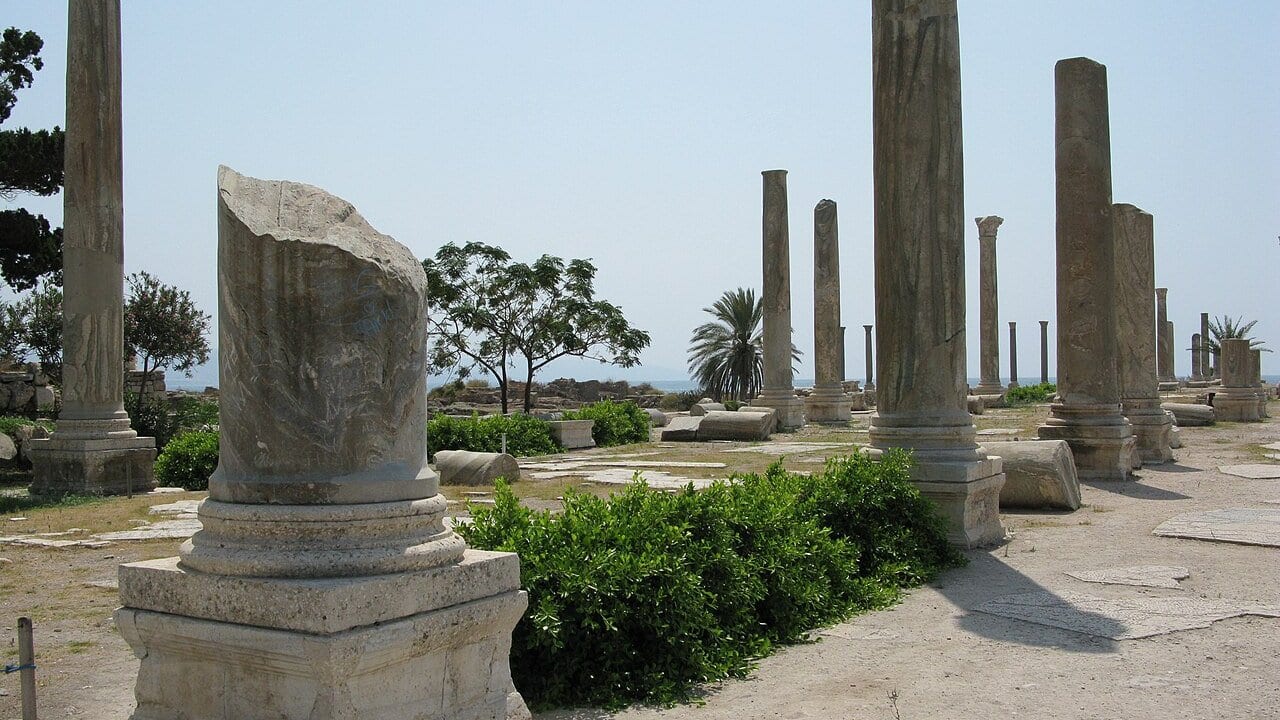
Anadolu — modern Türkiye’nin yarımadası — Akdeniz arkeolojisinin yan bir bölümü değildir. Derin zamanın kesintisiz bir laboratuvarıdır: Çanak Çömleksiz Neolitik ritüel merkezleri, Tunç Çağı imparatorluk başkentleri, Homerik Troya, İon kentleri ve Roma eyalet anıtları, çoğunlukla bir günlük sürüş mesafesi içindedir.
Bu kılavuz, on iki Atlas alanının harita öncelikli bir turudur. Her bağlantı, koordinatlar, kazı geçmişi ve kanıt güven derecelendirmelerini içeren tam bir dosya açar. Daha geniş katalog için Tüm Siteler’de Türkiye filtresini veya etkileşimli antik dünya haritasını açın.
Turkey
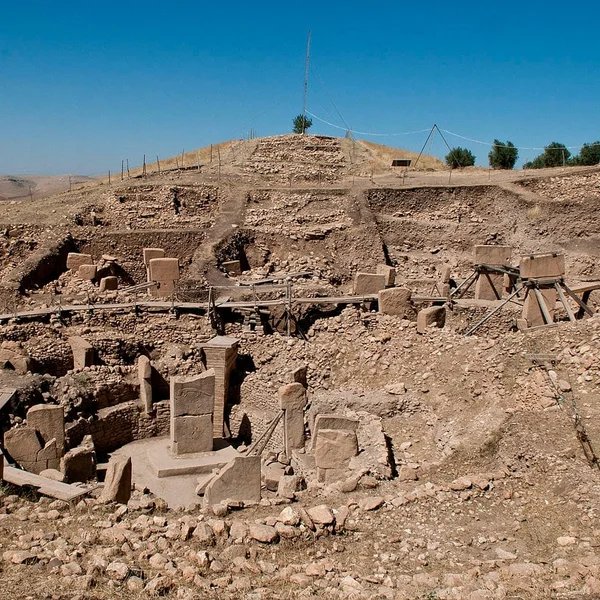
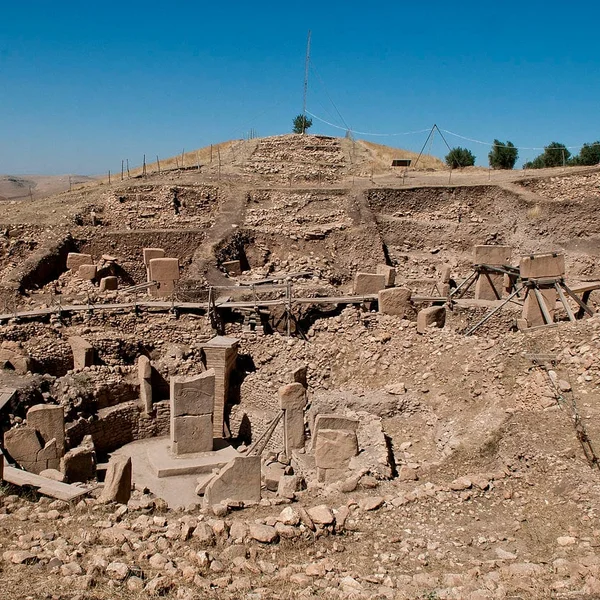
Göbekli Tepe
Stonehenge'den yaklaşık 6.000 yıl önce inşa edilmiş, dünyanın bilinen en eski anıtsal kutsal alanı.
Türkiye
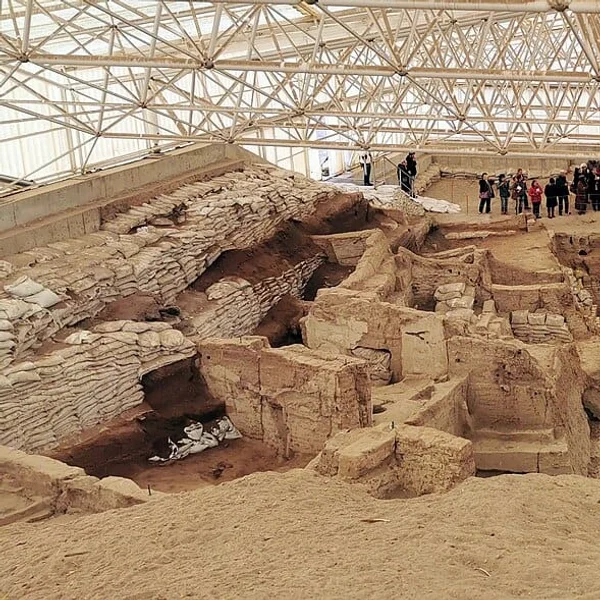
Çatalhöyük
MÖ 7400-5600 yılları arasında yerleşim görmüş, dünyanın bilinen en eski proto-kentsel yerleşimlerinden biri.
Türkiye
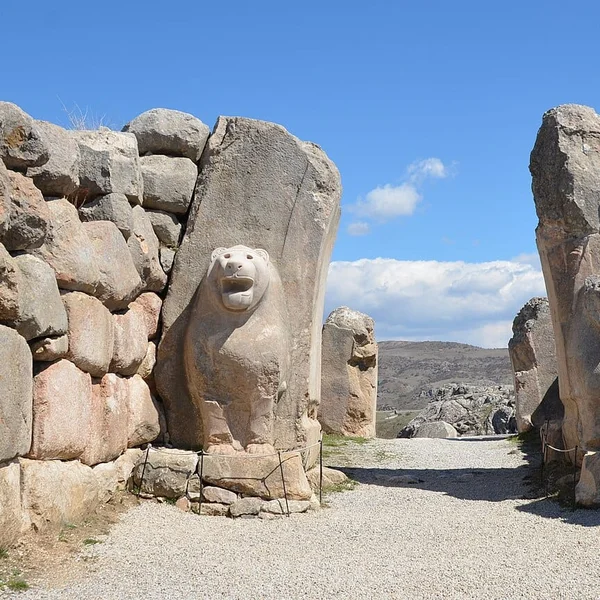
Hattusha
Geç Tunç Çağı'nın büyük güçlerinden biri olan Hitit İmparatorluğu'nun başkenti.
Türkiye
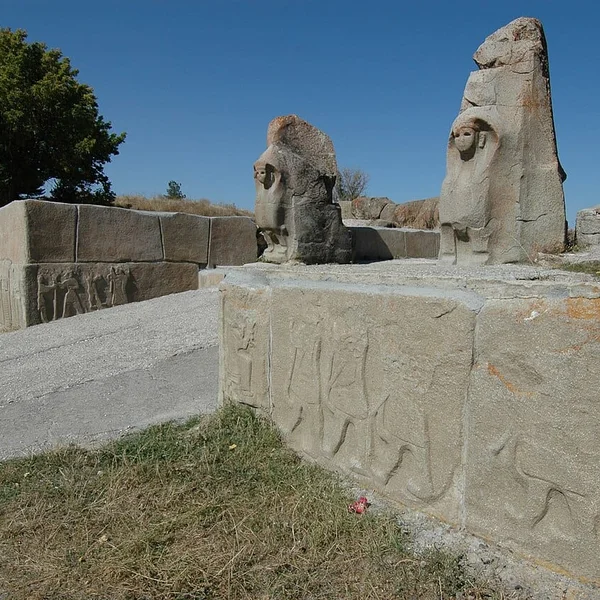
Alacahöyük
Anadolu'nun en önemli Hitit öncesi ve Hitit dönemi yerleşimlerinden biridir. Kraliyet mezarları, Erken Tunç Ça
Türkiye
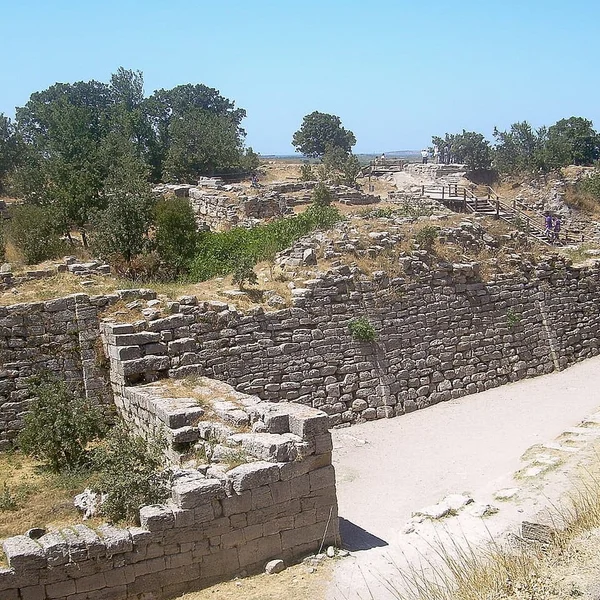
Troy
Türkiye'nin kuzeybatısındaki Hisarlık'ta, Heinrich Schliemann'ın Homeros'un Troya'sı için kazdığı ve arkeologl
Türkiye
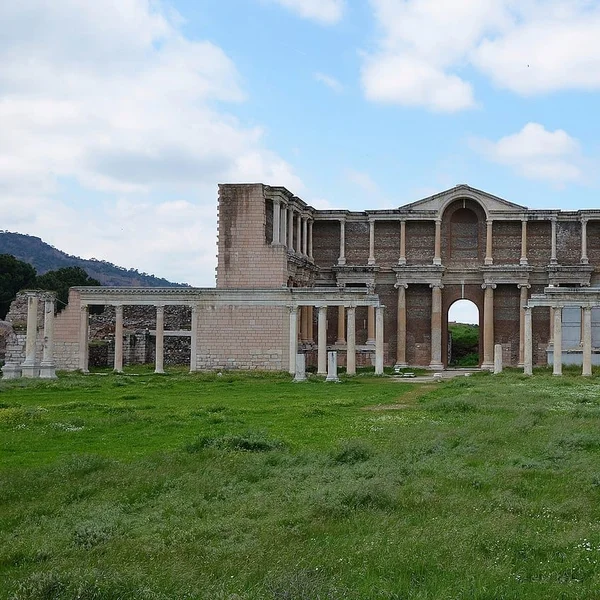
Sardis
Sikkenin icat edildiği düşünülen Lidya Krallığı'nın başkenti.
Türkiye
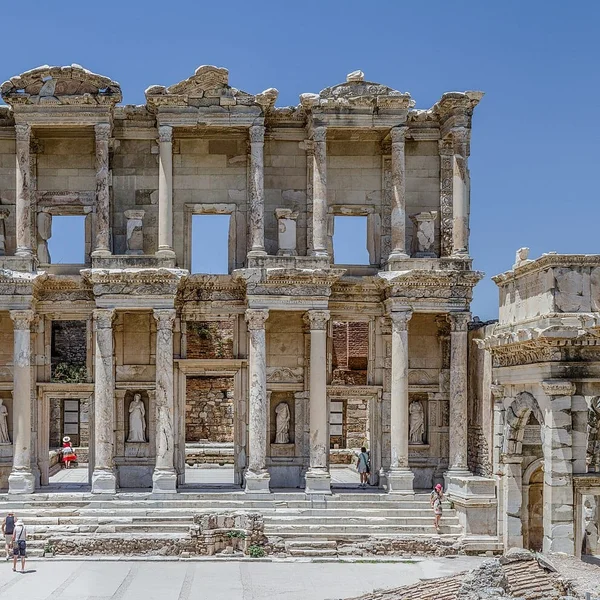
Ephesus
Modern Selçuk yakınlarında büyük bir İon kenti, bir zamanlar Artemis Tapınağı'na ev sahipliği yapmış, daha son
Türkiye
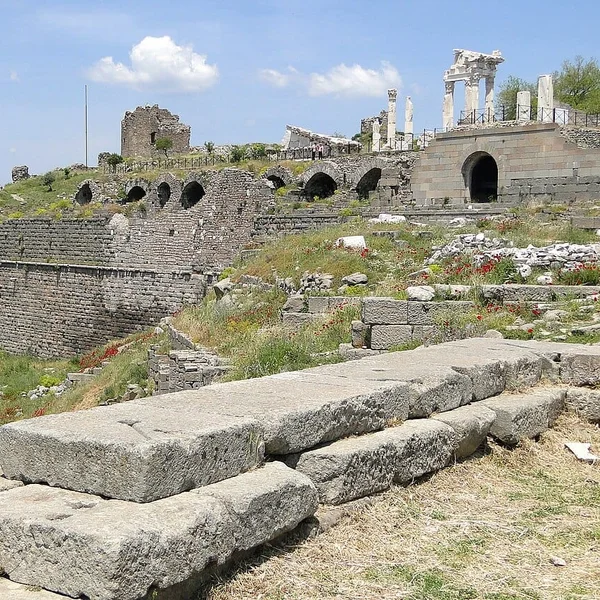
Pergamon
Görkemli bir akropol üzerinde kurulmuş büyük Helenistik başkent.
Türkiye
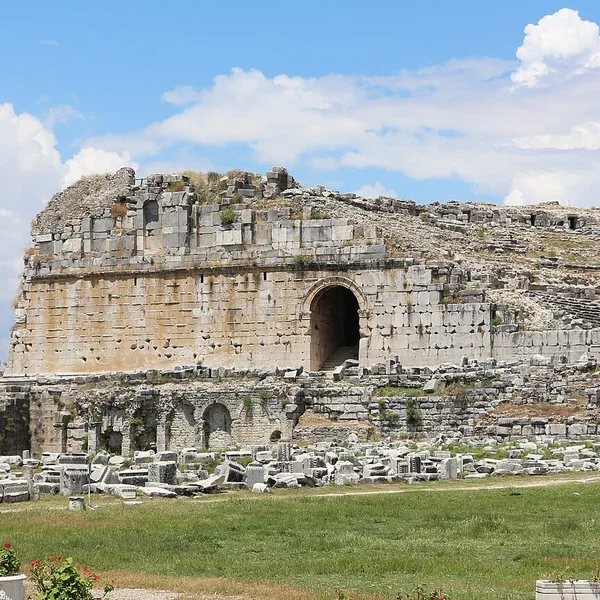
Miletus
Batı felsefesinin doğum yeri — Thales, Anaximander ve Anaximenes'in memleketi. İyon şehirlerinin en büyüklerin
Türkiye
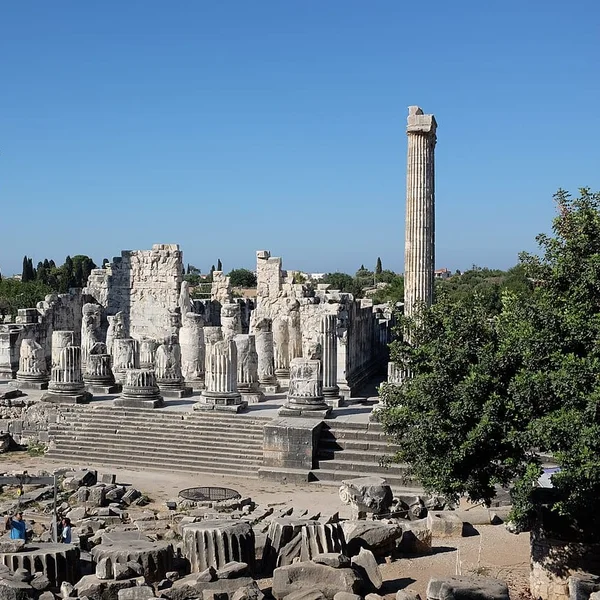
Didyma
Antik dünyanın en önemli kehanet merkezlerinden birinin yeri ve Apollon Tapınağı'nın devasa kalıntıları — tama
Türkiye
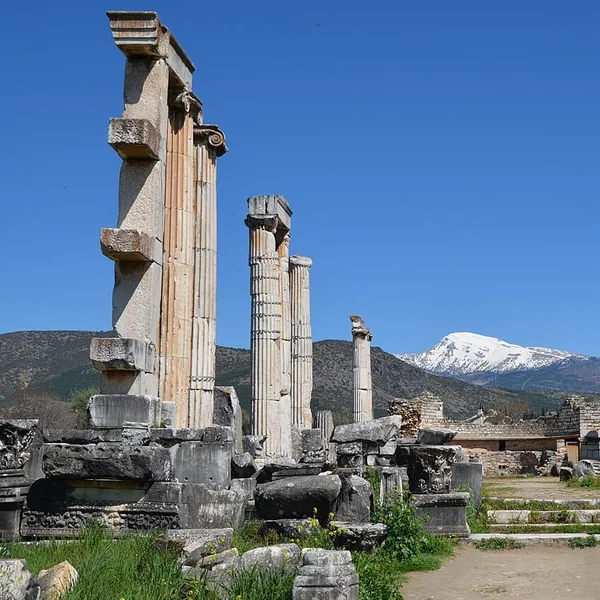
Aphrodisias
Mermer heykel atölyeleri ve 30.000 kişilik stadyumuyla ünlü Greko-Romen şehri.
Türkiye
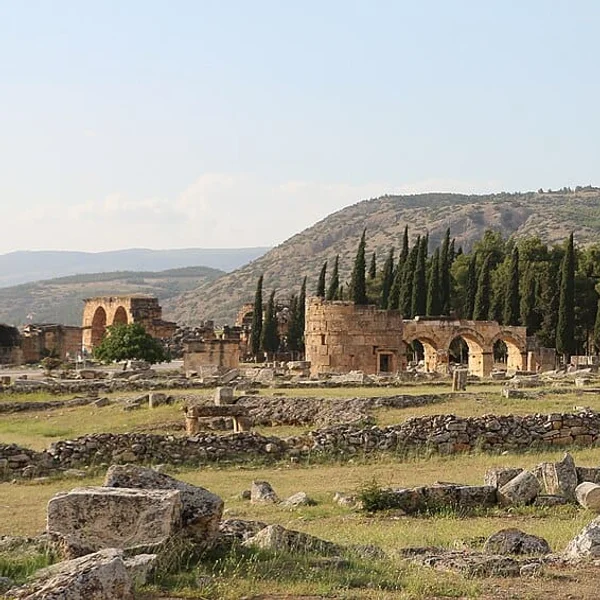
Hierapolis
Pamukkale'nin ünlü beyaz traverten teraslarının üzerinde konumlanmış bir Greko-Romen kaplıca şehri. Türkiye'de
Derin zaman: Göbekli Tepe ve Çatalhöyük
Şanlıurfa yakınlarındaki Göbekli Tepe, “tapınaklar tarımdan sonra gelir” şeklindeki tembel kronolojileri altüst etti. Hayvanlarla oyulmuş T biçimli sütunlar, MÖ 10.–9. binyıllara tarihlenen dairesel yapılarda durur — klasik Neolitik köy paketinden önce gelen anıtsal ritüel mimarisi. Radyokarbon ve stratigrafinin gerçekte neyi ortaya koyduğunu öğrenmek için site sayfasındaki Onaylanmış satırları okuyun ve kanıt bloğu aynı fikirde olana kadar popüler “dünyanın ilk tapınağı” ifadesini pazarlama olarak değerlendirin.
Konya ovasındaki Çatalhöyük farklı bir Neolitik argümandır: yaklaşık MÖ 7400–6000 boyunca, damdan girilen, duvar resimleri, bucrania ve taban altı gömüler içeren kerpiç evlerden oluşan yoğun bir yerleşme. Göbekli Tepe ve Çatalhöyük birlikte, ritüel, yerleşiklik ve erken karmaşıklık tartışmalarında Anadolu’nun neden hâlâ merkezî olduğunu gösterir.
Hitit yaylaları: Hattuşa ve Alacahöyük
Hattuşa (Boğazkale), Geç Tunç Çağı’nda Hitit İmparatorluğu’nun başkentiydi. Surlar, tapınaklar, Büyükkale kalesi ve Yazılıkaya gibi kaya tapınakları, Orta Anadolu’nun yayla peyzajını hâlâ tanımlar. Hattuşa’yı sadece bir harabe alanı olarak değil, Mısır ve Mitanni ile müzakere eden bir devletin siyasi ve arşiv merkezi olarak değerlendirin.
Yakındaki Alacahöyük, Erken Tunç Çağı kraliyet mezarlarını (metal standartlarıyla ünlü) daha sonraki Hitit anıtsal kapılarıyla birleştirir. İmparatorluk ve bölgesel Hitit arkeolojisini karşılaştırırken karşılaştırma aracında Hattuşa ile eşleştirin.
Homerosçu ve Lidya batısı: Troya ve Sardes
Hisarlık’taki Troya, hem birden çok şehri barındıran bir Tunç Çağı höyüğü hem de Homerosçu hayal gücü ile stratigrafinin modern bir savaş alanıdır. Schliemann’ın ilk açmaları ortaya çıkardıkları kadar zarar da verdi; daha sonraki çalışmalar kale evrelerini netleştirdi. Öğrenciler “Hangi Troya Homeros’unkidir” diye sorduğunda kanıt derecelendirmelerini kullanın.
Sardes, Kroisos’un zenginliğinin atasözü haline geldiği Lidya başkenti, sonrasında bir sinagog ve gymnasion kompleksine sahip büyük bir Roma kenti. Batı Anadolu’yu iç yaylalar ile Ege kıyısı arasında demirler.
İyon ve Attalid kıyısı: Efes, Pergamon, Milet, Didim
Efes, Türkiye’nin en çok ziyaret edilen Roma kent manzarası olmayı sürdürüyor: Kuretler Caddesi, Celsus Kütüphanesi, tiyatro ve bir zamanların deniz megakentini karaya oturtan liman alüvyonlanması. Aynı zamanda Roma eyalet kentleşmesi ve erken Hıristiyan topografyası için bir laboratuvardır.
Pergamon (Bergama) dramatik bir akropole tırmanır: Attalid başkenti, Zeus Sunağı (heykeltıraşlık eserleri bugün büyük ölçüde Berlin’de), aşağıda Asklepieion. Yükseklik ve teraslama, gösteriş siyasetinin bir parçasıdır.
Milet ile Didim’deki kutsal alanı klasik bir İyon çifti oluşturur — Miletli düşünürler ve kolonizasyon ağları, Didim’in devasa Apollon tapınağı ve kehanet geleneği. Onları izole anıtlar olarak değil, bir kıyı‑ve‑kutsal alan sistemi olarak gezin.
Afrodisyas ve Hierapolis: mermer ve termal kutsal peyzajlar
Karya’daki Afrodisyas, Roma dünyası için heykeltıraşlık üretti; stadyum, sebasteion ve bitmemiş mermerleriyle hâlâ atölye ve imparatorluk kültünü öğretir. Pamukkale’nin traverten teraslarının üzerindeki Hierapolis, termal hac ile devasa bir nekropol ve tiyatroyu birleştirir — Anadolu’nun kutsal peyzajlarının çoğunlukla jeoloji ile kültü kaynaştırdığının bir hatırlatıcısı.
Atlas Anadolu’da bu rehber nasıl kullanılır?
- Antik dünyanın etkileşimli haritasını açın ve Türkiye / Anadolu uygarlıkları filtresini kullanın.
- Yayınlanmış tüm arkeolojik alanlar için Türkiye’deki arkeolojik alanların tamamına göz atın.
- Yan yana: Hattuşaş ve Efes’i karşılaştırın — yayla imparatorluğu ile kıyı Roma kenti arasındaki farkı görün.
- İlgili okumalar: Anadolu’da mutlaka ziyaret edilmesi gereken 12 antik yer · UNESCO arkeolojik dünya mirası haritası · Göbeklitepe ile Stonehenge karşılaştırması
Anadolu arkeolojisi yavaş okumayı ödüllendirir. Seyahat broşürlerindeki abartmalar yerine, Doğrulanmış kazı tarihlerine ve UNESCO Dünya Mirası kayıt notlarına güvenin — ardından bu dünyaların gerçekte ne kadar yakın olduğunu haritanın gösterdiği şekilde keşfedin.
Son güncelleme: Temmuz 2026