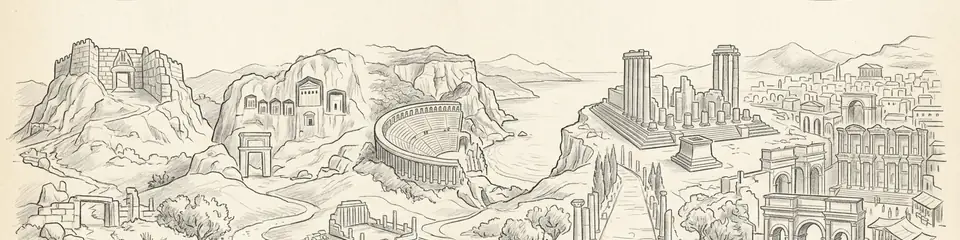
Anatolia — modern Türkiye'nin büyük yarımadası — yeryüzündeki en katmanlı arkeolojik peyzajlardan biridir. Dünyanın bilinen en eski tapınağını, Mısır'a rakip olmuş bir Tunç Çağı imparatorluğunun başkentini, nefes kesici ölçekte Yunan ve Roma kentlerini ve Bizans ile Osmanlı yapı ustalarının başyapıtlarını tek bir ülke içinde barındırır. İşte Anadolu'daki en dikkat çekici 12 antik yerleşim; dünyanın dört bir yanından ziyaretçilerin ve araştırmacıların gösterdiği ilgiye göre sıralanmıştır.
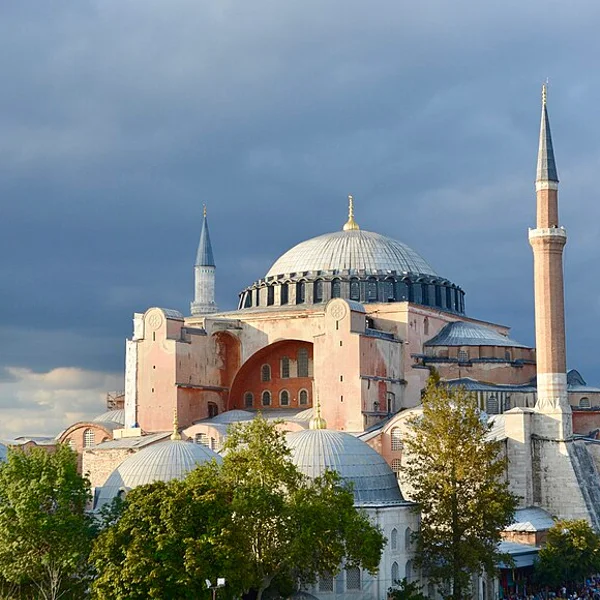
1. Ayasofya
"Anadolu bir köprüdür ve imparatorlukların mezarlığıdır — Hitit, Yunan, Roma, Bizans, Osmanlı — her biri hâlâ konuşan taşlar bırakmıştır."
— Atlas Anatolia'nın Anadolu güzergâhları için editoryal sentez
!Ayasofya'nın Osmanlı minareleriyle kubbeli dış görünümü, İstanbul, Türkiye")
Bizans mimarisinin en üstün başarısı — imparator Justinianus tarafından Konstantinopolis'te yalnızca beş yılda inşa edilen ve MS 537'de tamamlanan, 31 metrelik kubbesi bir pencere halkası üzerinde süzülüyormuş gibi görünen devasa kubbeli bir bazilika. Yaklaşık bin yıl boyunca Hristiyan dünyasının en büyük kapalı mekânı ve en büyük katedrali oldu; ardından cami, müze ve yeniden cami oldu.
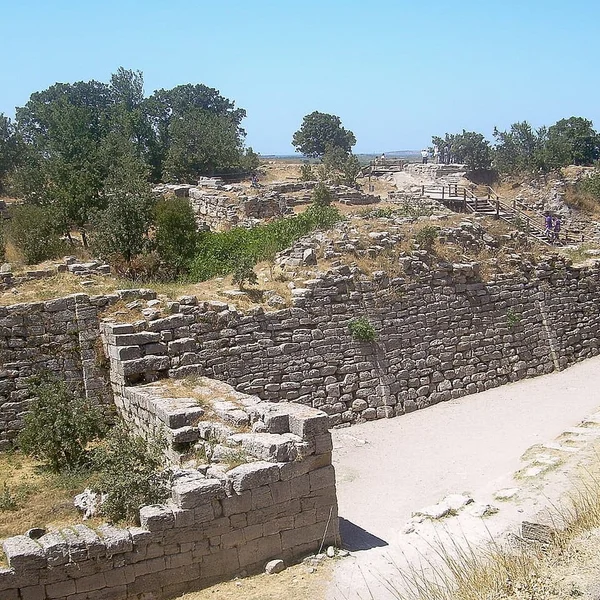
2. Troya
!Troya'daki sur duvarları (Hisarlık)")
Homeros'un İlyada'sındaki efsanevi kent; Türkiye'nin kuzeybatısında Hisarlık'ta yer alır. 4.000 yılı aşkın bir süreyi kapsayan çok sayıda yerleşim katmanı, burayı dünyanın en hikâyeli arkeolojik alanlarından biri yapar.
Çanakkale, Marmara, Türkiye.
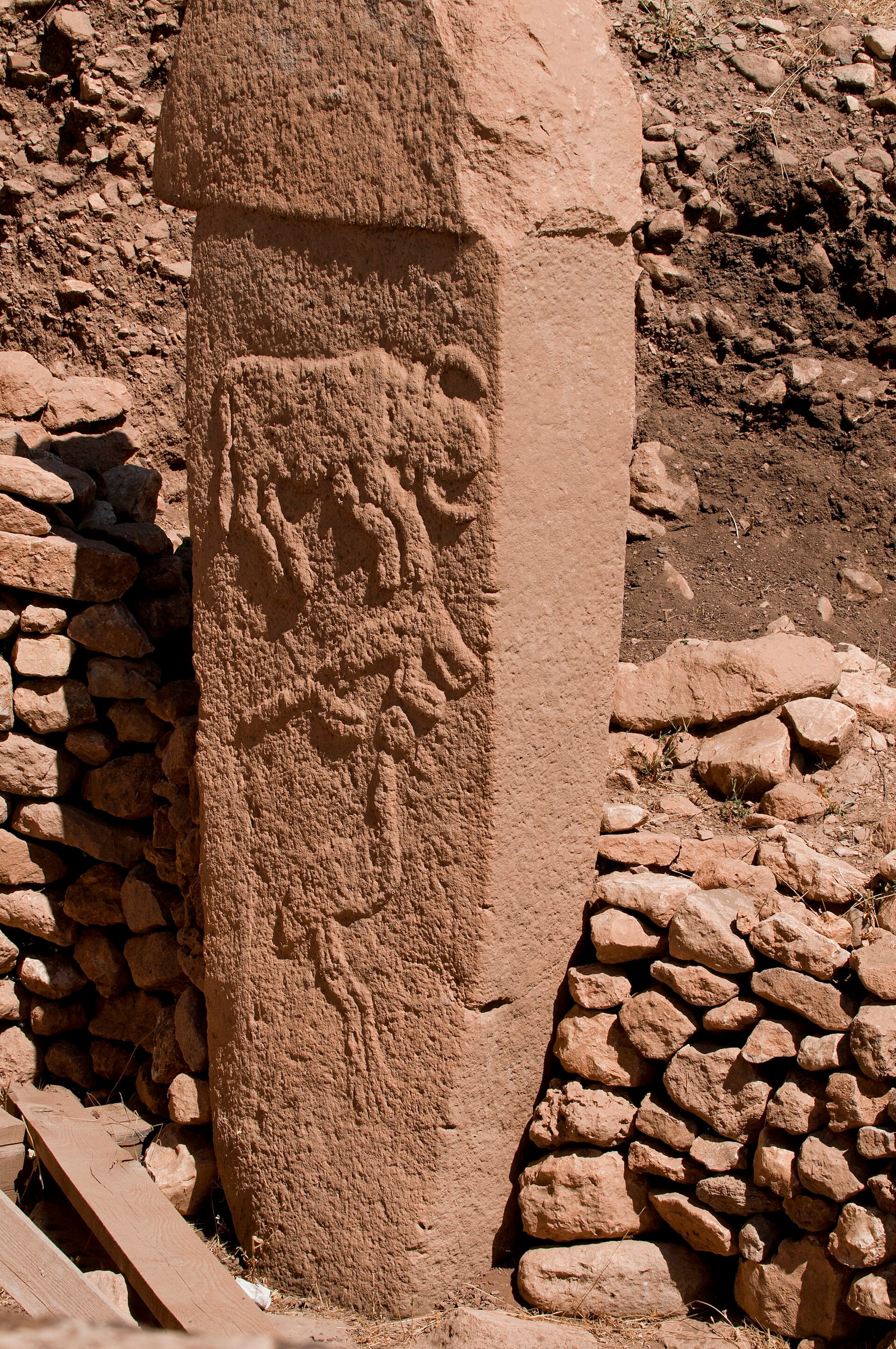
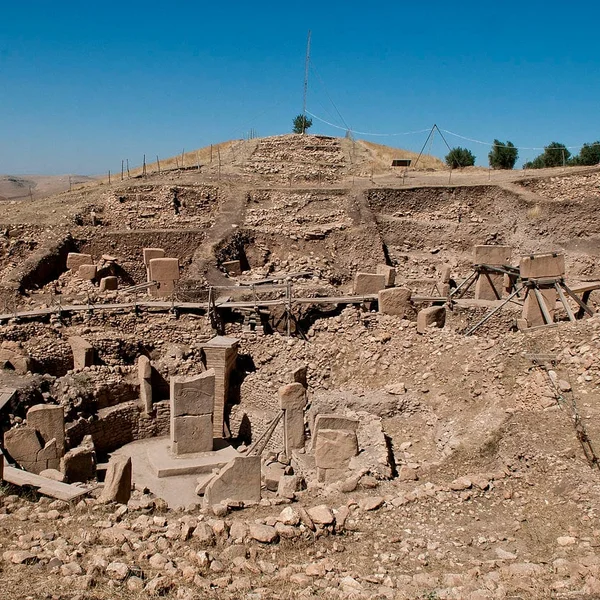
3. Göbekli Tepe
!Göbekli Tepe arkeolojik alanındaki T biçimli dikilitaşlar")
Dünyanın bilinen en eski anıtsal kutsal alanı; Stonehenge'den yaklaşık 6.000 yıl daha eskidir. Daireler hâlinde dizilmiş devasa oymalı T biçimli dikilitaşlar, tarım öncesi topluluklar arasında karmaşık ritüel etkinliklere işaret eder.
Şanlıurfa, Güneydoğu Anadolu, Türkiye.
4. Efes
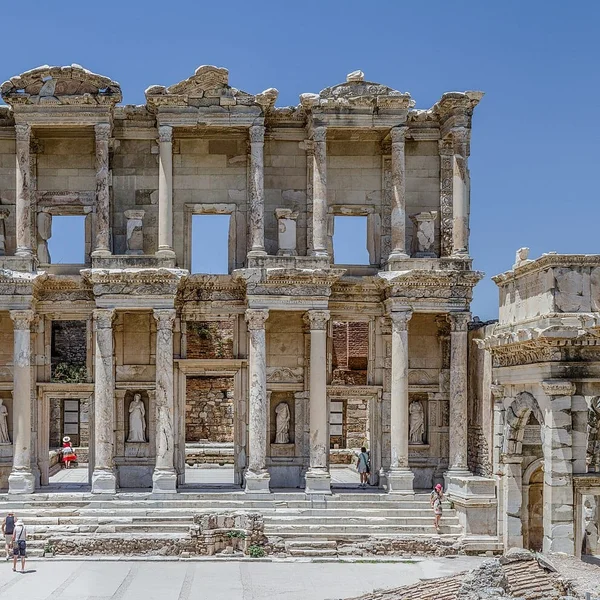
Antik Akdeniz dünyasının en büyük kentlerinden biri. Artemis Tapınağı'na (Yedi Harika'dan biri), Celsus Kütüphanesi'ne ve 25.000 kişilik bir tiyatroya ev sahipliği yapmaktadır.
İzmir, Ege, Türkiye.
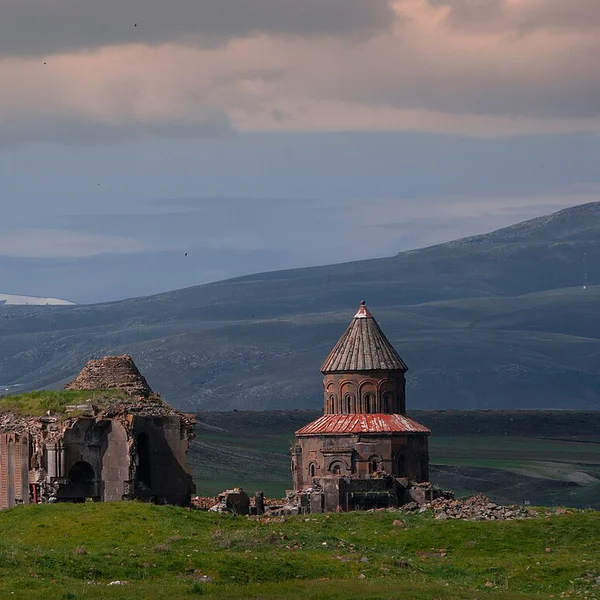
5. Ani
Türkiye-Ermenistan sınırında, bir zamanlar 100.000'den fazla insana ev sahipliği yapmış bir Orta Çağ Ermeni başkenti. Kalıntıları, yüzyıllara yayılan çok kültürlü tarihi yansıtan muhteşem kiliseleri, camileri ve surları içerir.
Kars, Doğu Anadolu, Türkiye.
6. Derinkuyu
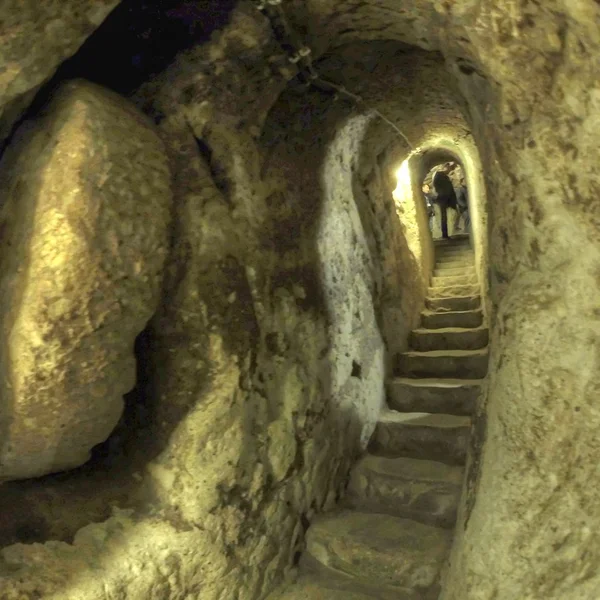
Dünyanın bilinen en derin yeraltı şehri olup, yüzeyin 85 metre altına inen 18 katı vardır. Hayvanlar ve gıda depolarıyla birlikte yaklaşık 20.000 kişiyi barındırabiliyordu.
Nevşehir, İç Anadolu, Türkiye.
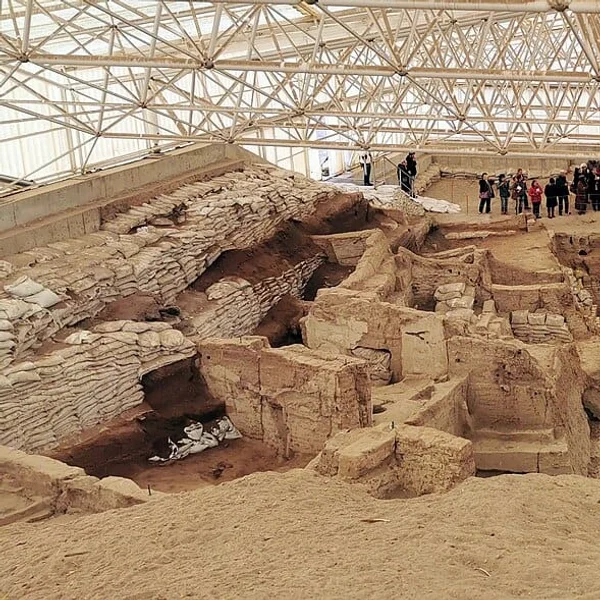
7. Çatalhöyük
Yaklaşık MÖ 7400 ile 5600 yılları arasında iskân edilmiş, dünyanın bilinen en eski proto-kentsel yerleşimlerinden biri. Sıkışık kerpiç evleri, duvar resimleri ve oldukça eşitlikçi bir Neolitik topluluğun kanıtlarıyla ünlüdür.
Konya, İç Anadolu, Türkiye.
8. Ancyra (Ankara)
Roma dönemine ait Augustus Tapınağı, Augustus'un siyasi vasiyetnamesinin — Monumentum Ancyranum — hem Latince hem Yunanca kazınmış olarak günümüze ulaşan tek tam kopyasını koruyan eski bir Frig ve Galat kalesi.
Ankara, İç Anadolu, Türkiye.
9. Antakya (Antioch)
Antik dünyanın dört büyük kentinden biri ve erken Hristiyanlığın beşiği. Antakya'nın olağanüstü mozaikleri Pompeii'dekilerle yarışır ve katmanlı tarihi Helenistik, Roma, Bizans ve İslam medeniyetlerini kapsar.
Hatay, Güneydoğu Anadolu, Türkiye.
10. Pergamon
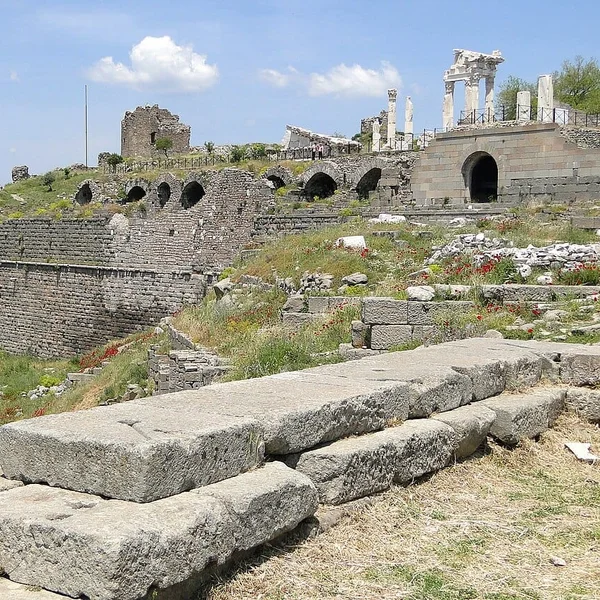
Büyük Sunağı, İskenderiye'ye rakip kütüphanesi ve Asklepion şifa merkeziyle ünlü, etkileyici bir akropol üzerine kurulmuş büyük bir Helenistik başkent.
İzmir, Ege, Türkiye.
11. Hierapolis
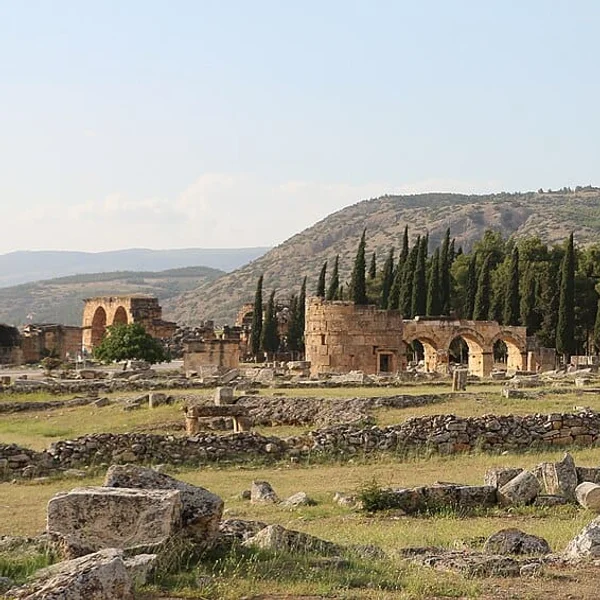
Pamukkale'nin ünlü beyaz traverten teraslarının üzerinde yer alan bir Greko-Romen kaplıca kenti. Geniş nekropolü, tiyatrosu ve yeraltı dünyasına açılan bir kapı olan Plutonium'u ile Türkiye'nin en iyi korunmuş antik kentlerinden biri.
Denizli, Ege, Türkiye.
12. Nemrut Dağ
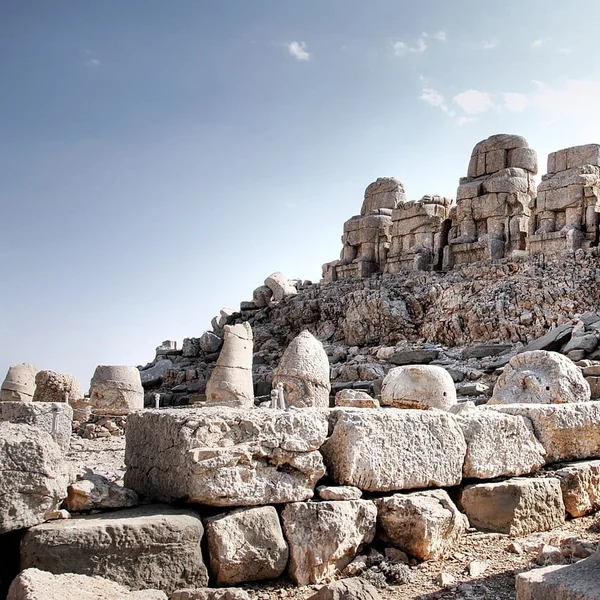
2.134 metre yükseklikte, tanrıların ve Kommagene Kralı I. Antiochos'un devasa taş başlarının yer aldığı ıssız bir dağ zirvesi kutsal alanı. Dünyanın en etkileyici arkeolojik alanlarından biri.
Adıyaman, Güneydoğu Anadolu, Türkiye.
Yukarıdaki her alan, atlas içinde haritalar, temel bilgiler, kazı geçmişi, fotoğraflar ve akademik kaynaklarla birlikte kanıta dayalı tam bir girişe bağlanır. Anadolu, yavaş ve meraklı seyahati ödüllendirir — ve bu listenin ötesinde keşfedilmeyi bekleyen düzinelerce alan daha vardır.
Türkiye
Troy
Türkiye'nin kuzeybatısındaki Hisarlık'ta, Heinrich Schliemann'ın Homeros'un Troya'sı için kazdığı ve arkeologl
Türkiye
Hagia Sophia
Bizans mimarisinin en üstün başarısı — İmparator Justinianus tarafından Konstantinopolis'te sadece beş yılda i
Turkey
Göbekli Tepe
Stonehenge'den yaklaşık 6.000 yıl önce inşa edilmiş, dünyanın bilinen en eski anıtsal kutsal alanı.
Türkiye
Ephesus
Modern Selçuk yakınlarında büyük bir İon kenti, bir zamanlar Artemis Tapınağı'na ev sahipliği yapmış, daha son
Türkiye
Derinkuyu
Dünyanın bilinen en derin yeraltı şehri olan bu yapı, yüzeyin 85 metre altına inen 18 katmandan oluşur. Yaklaş