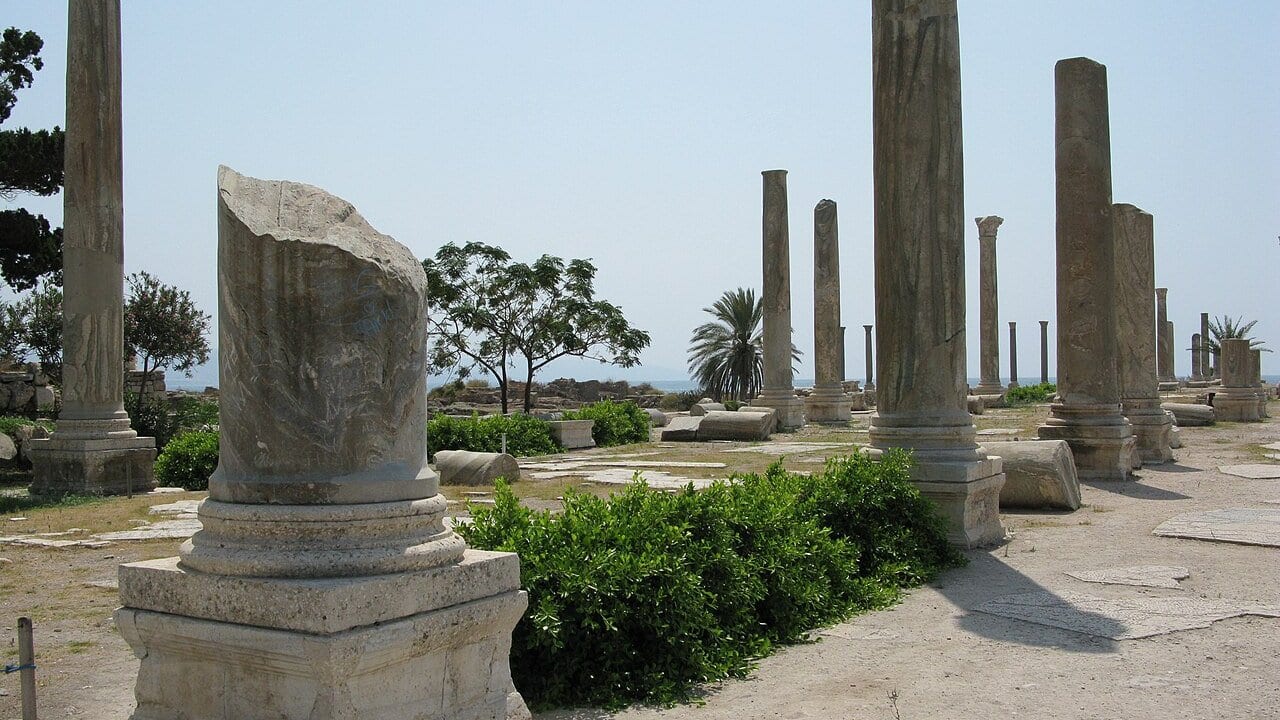
Hızlı Özet: Makale, sekiz arkeolojik alanı şöhretlerine göre değil, bilimsel anlayışı ne kadar yeniden şekillendirdiklerine göre sıralıyor; Göbekli Tepe, anıtların tarımdan önce geldiğini kanıtladığı için ilk sırada. Pompeii, Terrakota Ordusu ve Machu Picchu, sıradan yaşam, imparatorluk gücü veya And mühendisliğindeki karmaşıklığı ortaya koyarak onu izliyor. Sutton Hoo, Rosetta Taşı bağlamı, Lascaux ve Çatalhöyük de önceki varsayımlara meydan okudukları için listede yer alıyor. Makale, alanları değiştirdikleri soru üzerinden incelemeyi, kesin kanıtları tartışmalı olanlardan ayrı işaretlemeyi öneriyor.
Göbekli Tepe, tarımın anıtlardan önce geldiği fikrini altüst etti. Sutton Hoo, "Karanlık Çağ"ın ötesinde kralları, ticareti ve ustalıklı zanaatı ortaya çıkardı. Bu arkeolojik alanlar sıralaması, bu tür arkeolojik keşiflerin neden önemli olduğunu açıklıyor. Sekiz arkeolojik alanı kanıt kalitesi, yanıtladıkları sorular ve bilimsel anlayışı ne ölçüde değiştirdiklerine göre değerlendiriyoruz. Bu arkeoloji keşifleri şöhrete veya ziyaretçi sayısına göre değil, etkiye göre sıralanıyor.
Tarihi Değiştiren Arkeolojik Alanların Hızlı Karşılaştırması
| Alan | En uygun olduğu konu | Tarihsel dönüm noktası | Temel kanıt | Konum |
|---|---|---|---|---|
| Göbekli Tepe | Anıtsallığın ve yerleşik yaşamın kökenleri | Ritüel, yerleşim ve tarım arasındaki ilişkiyi yeniden düşünmek | T biçimli dikilitaşlar, anıtsal yapılar, hayvan kabartmaları, konut yapıları | Şanlıurfa İli, Türkiye |
| Pompeii ve Herculaneum | Roma dünyasında gündelik yaşam | Roma tarihini seçkin yazılı kaynakların ötesine taşımak | Kent sokakları, evler, dükkânlar, freskler, aletler, yiyecek kalıntıları | Campania, İtalya |
| Birinci Qin İmparatoru Mozolesi | İmparatorluk gücü, askeri sistemler ve seri üretim | Birleşik imparatorluk Çin'inin oluşumunu somutlaştırmak | Terrakota askerler, atlar, savaş arabaları, silahlar, çukurlar, mozole planlaması | Lintong Bölgesi, Xi'an, Çin |
| Machu Picchu | İnka mühendisliği, peyzaj yönetimi ve kentsel tasarım | And altyapısını sofistike bir kültürel sistem olarak tanımak | Teraslar, taş duvarlar, rampalar, su sistemleri, törensel yapılar | Cusco Bölgesi, Peru |
Bir arkeolojik alanı tarihi değiştiren yapan şey nedir
En çok önem taşıyan alanlar, bildiğimizi sandığımız şeyleri değiştirir. Tarihleri sıfırlar, karmaşık toplumları ortaya çıkarır, uzun mesafeli bağlantıların izini sürer veya yazılı kayıtların ötesinde gündelik yaşamı gösterir.
Her buluntuyu daha geniş bölgesi içinde konumlandırmak için arkeolojik alanlar ve tarihsel peyzajlar sayfasını kullanın. Atlas Anatolia'nın haritaları, yerel kanıtları daha büyük ağlara bağlamaya yardımcı olur.
1. Göbekli Tepe
Şanlıurfa yakınlarındaki bu Neolitik kompleks, bilim insanlarının uygarlığın kökenlerini ele alış biçimini değiştirdi. UNESCO avcı-toplayıcı anıtlarını MÖ 9600-8200'e tarihlendirir.
Öne Çıkanlar
- T biçimli dikilitaşlar, hayvan kabartmaları ve geniş taş çevrelemeler.
- Yakındaki konut yapıları, yalnızca ritüel amaçlı olduğu görüşünü karmaşıklaştırıyor.
Özellikler
- En uygun olduğu konu: Anıtsallığın ve yerleşik yaşamın kökenleri
- Konum: Şanlıurfa İli, Türkiye
Artıları
- Önce tarım, sonra yerleşik yaşam anlatısının yeniden düşünülmesini zorunlu kıldı.
Eksileri
- Kesin işlevi hâlâ tartışmalıdır.
Son kazı bulgularının gösterdiği gibi, ortak yapılaşma ve sembolizm tam anlamıyla tarımdan önce ortaya çıktığı için ilk sırada yer alır.
Son güncelleme: 5 Eylül 2026
Ayrıca okuyun: 2026'daki Arkeolojik Kazılara İlişkin Son Haberler
2. Pompeii ve Herculaneum
Vezüv, MS 79'da her iki kenti de gömdü ve Roma günlük yaşamına dair eşsiz bir kayıt korudu. UNESCO, geniş ticari Pompeii ile daha küçük ve daha iyi korunmuş Herculaneum'un aynı felaketin farklı yüzlerini ortaya koyduğunu belirtir.
Öne Çıkanlar
- Sokaklar, evler, dükkânlar, freskler, aletler ve yiyecek kalıntıları.
- Herculaneum ahşap ve diğer organik buluntuları olağanüstü iyi korudu.
Özellikler
- En uygun olduğu konu: Roma günlük yaşamı
- Konum: Campania, İtalya
Artıları
- Roma tarihini seçkinlerin metinlerinin ötesine taşır.
Eksileri
- Felaket koşulları yorumu çarpıtabilir.
Eşleşik yerleşimler sıradan Roma yaşamlarını kent ölçeğinde görünür kıldığı için ikinci sırada yer alır.
Son güncelleme: 5 Eylül 2026
Ayrıca okuyun: Modern Haritalama Teknolojisiyle Ortaya Çıkarılan Antik Uygarlıkların Konumları
3. İlk Qin İmparatoru'nun Mozolesi
1974'te Xi'an yakınlarında bulunan bu geniş kompleks, erken imparatorluk Çin'ini görünür kıldı. UNESCO savaşçılarının, silahlarının, atlarının ve savaş arabalarının Qin gücünü ve askeri düzenini ortaya koyduğunu belirtir.
!İlk Qin İmparatoru'nun Mozolesi
Öne Çıkanlar
- Gerçek boyutlu askerler, atlar, savaş arabaları ve silahlar.
- Merkezdeki mezar henüz kazılmamıştır.
Özellikler
- En iyi olduğu alan: İmparatorluk gücü, askeri sistemler ve seri üretim.
- Konum: Lintong Bölgesi, Xi'an, Çin.
Artılar
- Sanat, emek, savaş ve devlet kontrolünü birbirine bağlar.
Eksiler
- Ordu, geniş nekropolün yalnızca bir parçasıdır.
Üçüncü sırada yer almasının nedeni, Terracotta Ordusu arkeolojik keşfinin birleşik Qin yönetimine dair doğrudan kanıt sunmasıdır.
Son güncelleme: 5 Eylül 2026
Ayrıca Okuyun: Antik Uygarlıklar Karşılaştırması: Mısır ve Mezopotamya
4. Machu Picchu
Bu on beşinci yüzyıl İnka yerleşimi, Peru'da deniz seviyesinden 2.430 metre yükseklikte yer alır. Duvarları, terasları ve rampaları, UNESCO'nun belirttiği gibi sırtla bütünleşir.
Öne Çıkanlar
- Taş işçiliği, teraslar, su sistemleri ve tören alanları planlı arazi kullanımını gösterir.
- Yaklaşık 200 yapı; dini, tarımsal ve gökyüzü gözlem işlevleri görmüştür.
Özellikler
- En iyi olduğu alan: İnka mühendisliği ve kentsel tasarım
- Konum: Cusco Bölgesi, Peru
Dördüncü sırada yer almasının nedeni, İnka devlet yönetiminin altyapıyı dağ ekolojisiyle birleştirdiğini kanıtlamasıdır.
Son güncelleme: 5 Eylül 2026
Tarihi Yeniden Şekillendiren Dört Arkeolojik Alan Daha
Bu alanlara burada daha az yer verilmiştir, ancak her biri akademisyenlerin geçmişi okuma biçimini değiştirmiştir.
- Sutton Hoo - Zengin Anglo-Sakson zanaatını, ticaretini ve toplumsal karmaşıklığını ortaya çıkarmıştır.
- Rosetta Taşı keşif bağlamı - Mısır hiyerogliflerinin çözülmesine yardımcı olmuştur.
- Lascaux Mağarası - Erken insan sanatı ve ritüelini yeniden çerçevelemiştir.
- Çatalhöyük - Kentler ve hiyerarşi hakkındaki basit fikirleri sorgulamıştır.
En önemli arkeolojik alanlar nasıl incelenir
Bir alanı şöhretine göre değil, değiştirdiği soruya göre seçin.
- Buluntunun hangi eski inancı sarstığını sorun.
- Mimariyi, nesneleri, gömüleri, toprak verilerini, metinleri ve alan düzenini karşılaştırın.
- Alanı peyzajı içinde değerlendirin: nehirler, ticaret yolları, tarım alanları ve sınırlar önemlidir.
- Kesin bulguları; tartışmalı tarihler, kullanımlar veya kimliklerden ayrı tutun.
- Araştırma veya ziyaret planlamadan önce resmi miras ve müze güncellemelerini kontrol edin.
Ders veya araştırma için Atlas Anatolia en iyi başlangıç noktasıdır. Haritaları, zaman çizelgeleri ve kanıt derecelendirmeleri, bir kazıyı daha geniş bölgesel değişimle ilişkilendirmeye yardımcı olur.
Sekiz alanı Atlas Anatolia üzerinde, zaman çizelgeleri ve kanıt derecelendirmelerini kullanarak kalıcı etkilerini izlemek için karşılaştırın.
Sıkça Sorulan Sorular
S1: Dünyadaki en önemli arkeolojik alanlar hangileridir?
Göbekli Tepe, Pompeii, Machu Picchu ve Giza Piramitleri gibi alanlar; inanç, kentler, iktidar ve gündelik yaşamı kavrayışımızı değiştirmiştir.
S2: Arkeolojik alanlar nasıl sıralanır?
Sıralamalarda kanıtların gücü, keşfin ölçeği ve bir alanın kabul görmüş tarihi ne ölçüde yeniden biçimlendirdiği tartılır.
S3: Ziyaretçiler her önemli alana girebilir mi?
Hayır. Bazı alanlar, kırılgan kalıntıları korumak için girişi sınırlar. Yerel kuralları kontrol edin, önceden rezervasyon yapın ve işaretli yollara uyun.