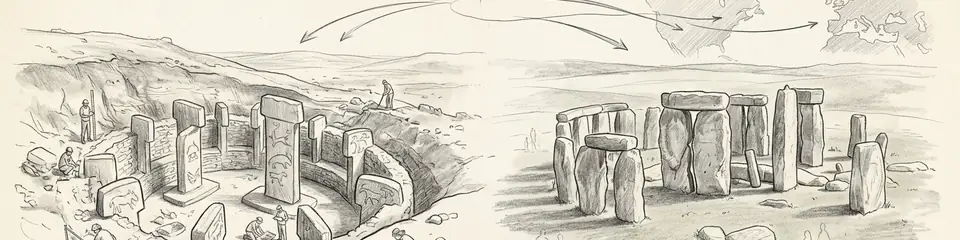
Search “Göbekli Tepe vs Stonehenge” y encontrarás el mismo titular en todas partes: el santuario en la colina de Turquía es aproximadamente 6.000 años más antiguo que el famoso círculo de Inglaterra. Ese titular es cierto — e incompleto. La antigüedad por sí sola no resuelve para qué servía cada sitio, quién organizó el trabajo, ni cuánto de la popular afirmación del “primer templo del mundo” está confirmado frente a lo que sigue en debate.
Atlas Anatolia mantiene ambos como páginas completas de sitio con cronologías de excavación, fuentes y calificaciones de evidencia Confirmado / Inferido / Debatido. Esta guía los coloca lado a lado y luego te lleva a la herramienta de comparación en vivo y al mapa.
La respuesta breve sobre la antigüedad
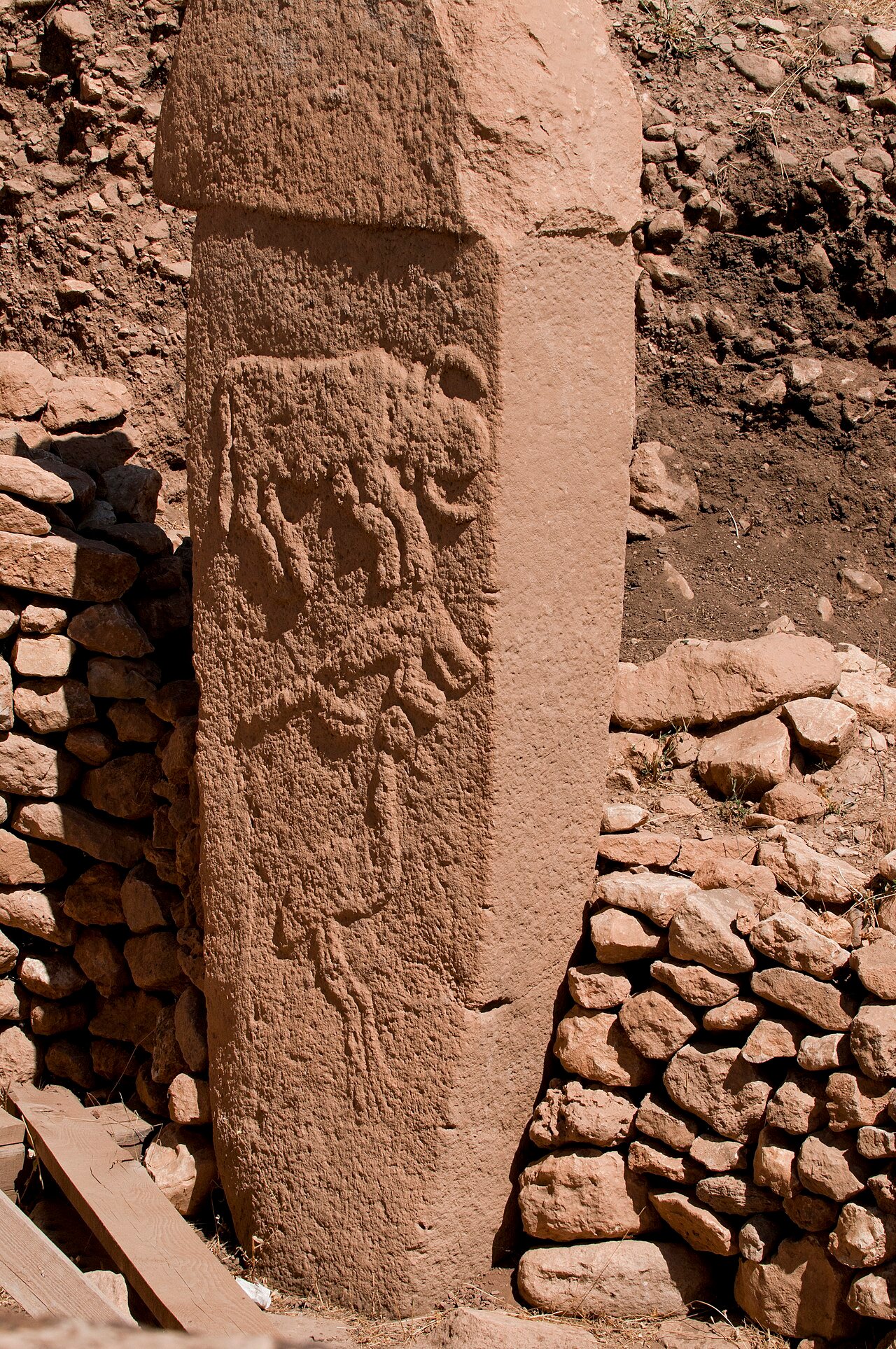
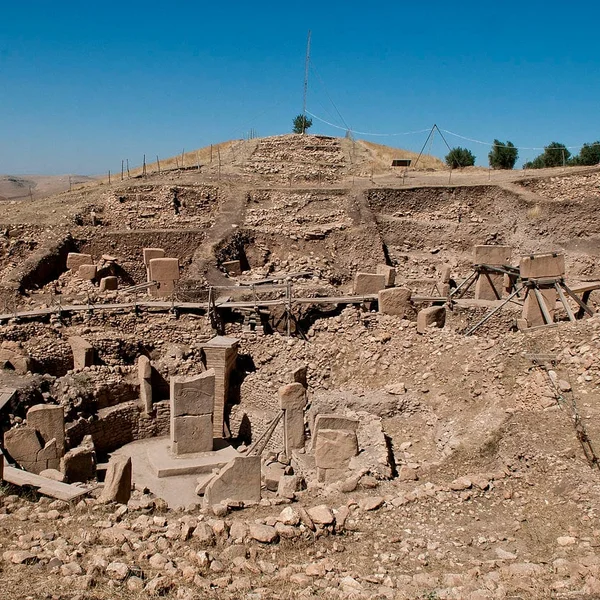
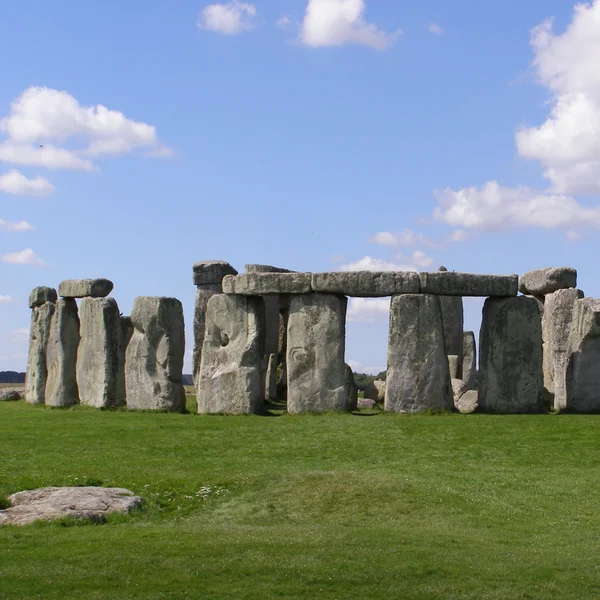
Göbekli Tepe pertenece al Neolítico Precerámico de la Alta Mesopotamia. La datación por radiocarbono y la estratigrafía sitúan los recintos monumentales aproximadamente en el X–IX milenio a. C., con rellenos posteriores. Stonehenge surge mucho más tarde: una fase temprana de movimiento de tierras y estructuras de madera alrededor del 3100 a. C., y después la icónica disposición de sarsen y piedras azules a lo largo del III–II milenio a. C..
Para cuando se erigieron los grandes sarsen de Stonehenge, Göbekli Tepe ya llevaba milenios abandonado y sus recintos monumentales estaban colmatados con sedimentos de ladera y escombros de relleno. Stonehenge está más cerca en el tiempo de nosotros que Göbekli Tepe de las personas que construyeron Stonehenge — una útil comprobación de escala, no un marcador de competición.
Quiénes los construyeron — y qué implica eso
Los estratos tempranos de Göbekli Tepe se sitúan en un mundo anterior a la cerámica y anterior a la agricultura domesticada de cereales como economía dominante. Por eso el sitio trastocó los manuales que asumían que los templos debían seguir a las aldeas y a la agricultura excedentaria. El trabajo se organizó de algún modo — tallado de pilares, transporte, banquetes — pero el modelo social sigue en disputa: reuniones estacionales, élites emergentes u otra cosa.
Los constructores de Stonehenge vivían en una economía distinta: comunidades agrícolas del Neolítico y la Edad del Bronce del sur de Gran Bretaña, con transporte de piedra a larga distancia (en particular las piedras azules) y reconstrucciones repetidas a lo largo de siglos. Las teorías sobre su función van desde cementerio y ritos ancestrales hasta alineaciones solares/lunares y reuniones estacionales — a menudo más de una a la vez según las fases.
Qué está confirmado frente a lo que sigue en debate
Göbekli Tepe’nin ana yapıları Stonehenge’den binlerce yıl önceye dayanır
Her ikisi de UNESCO Dünya Mirası alanıdır
Göbekli Tepe “dünyanın ilk tapınağı”dır
Stonehenge öncelikle bir astronomik gözlemeviydi
Her iki yapı da tek bir “ana plan” kuşağı tarafından inşa edildi
Belgesel YouTube iddialarını kesinleşmiş gibi ele almadan önce her sitenin kanıt bloğunu açın. Atlas belirsizliği bilinçli olarak işaretler.
Karşılaştırma neden hâlâ önemli
Bu ikili bir öğretim kamasıdır: anıtsal mimari, bir kontrol listesi olarak “uygarlığı” kibarca beklemez. Göbekli Tepe, kentlerden önce ritüel emeği sorusunu dayatır; Stonehenge ise megalitik projelerin farklı malzemeler ve peyzajlarla tarım toplumları içinde nasıl sürdüğünü — ve dönüştüğünü — gösterir.
Bu sayfadan yalnızca bir Atlas alışkanlığı hatırlayacaksanız: Tartışmalı satırlarını okuyun. Yaş farkı kolaydır. Ziyaretçilerin (ve yapay zekâ özetlerinin) yanıldığı yer yorumlamadır.
Sonraki keşifler
- Tam site sayfaları: Göbekli Tepe · Stonehenge
- Canlı karşılaştırma: Göbekli Tepe ve Stonehenge
- Daha derin Göbekli anlatısı: Dünyanın İlk Tapınağı mı?
- UNESCO harita bağlamı: Etkileşimli UNESCO arkeolojik siteler haritası
- Tüm UNESCO etiketli siteler: UNESCO filtresine göz atın
Son güncelleme: Temmuz 2026