Overview
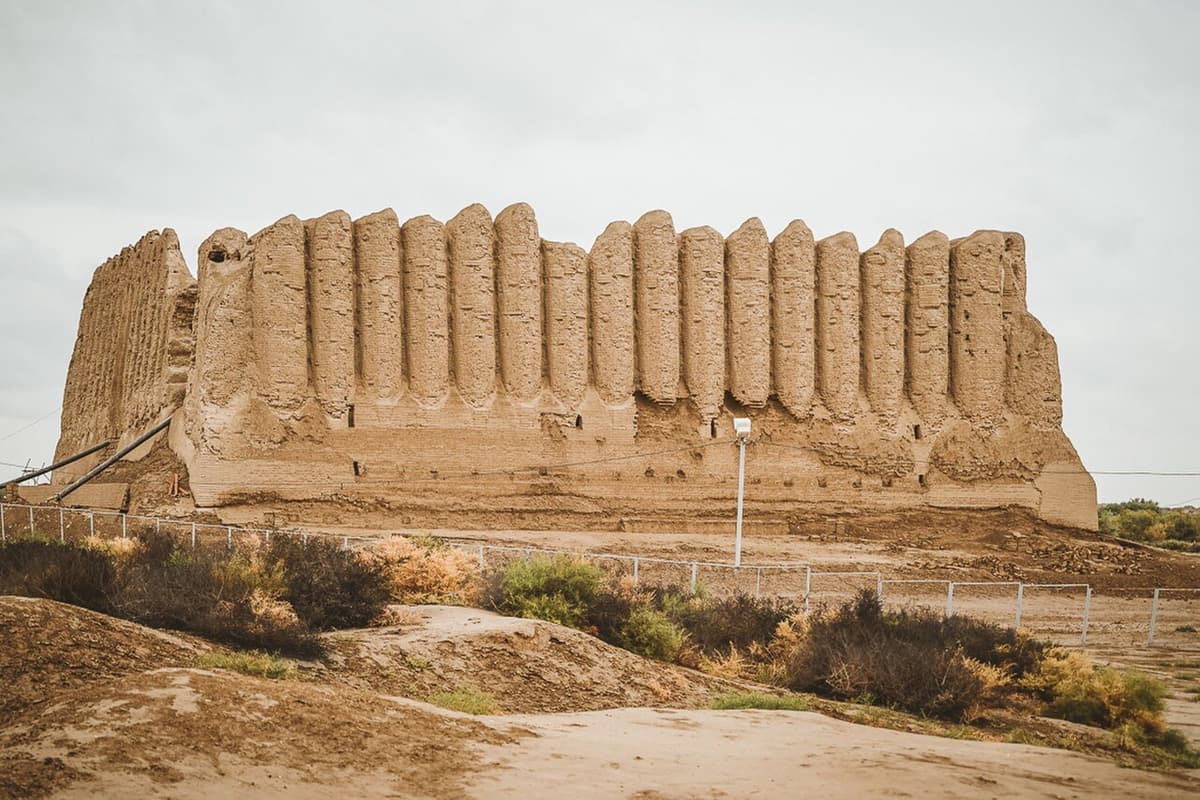
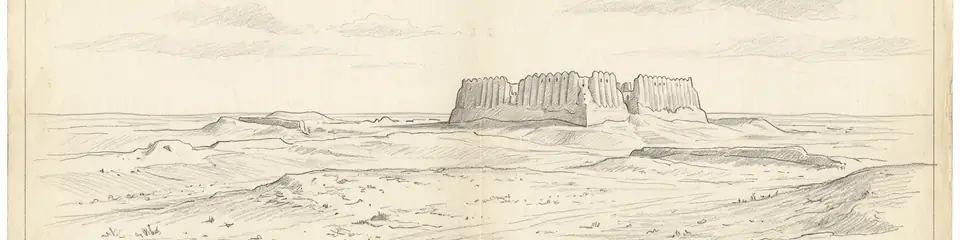
Ancient Merv occupies a cluster of monumental earthen city mounds on the Murghab River delta oasis in Mary Province, Turkmenistan — classical Margiana. Continuously important from the Bronze Age and Achaemenid satrapy through Alexander’s foundation traditions, Seleucid and Parthian rule (Gyaur Kala), Sasanian fortresses, and the vast Islamic cities of Sultan Kala and later suburbs, Merv was repeatedly rebuilt beside dying older cores as irrigation and politics shifted.
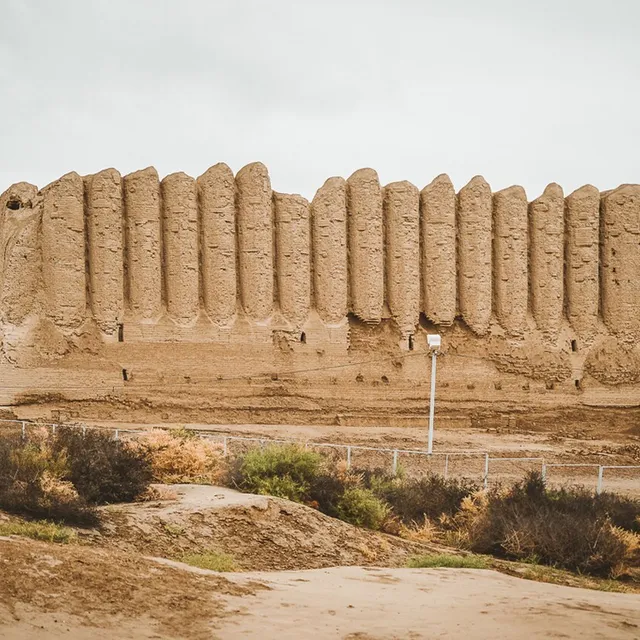
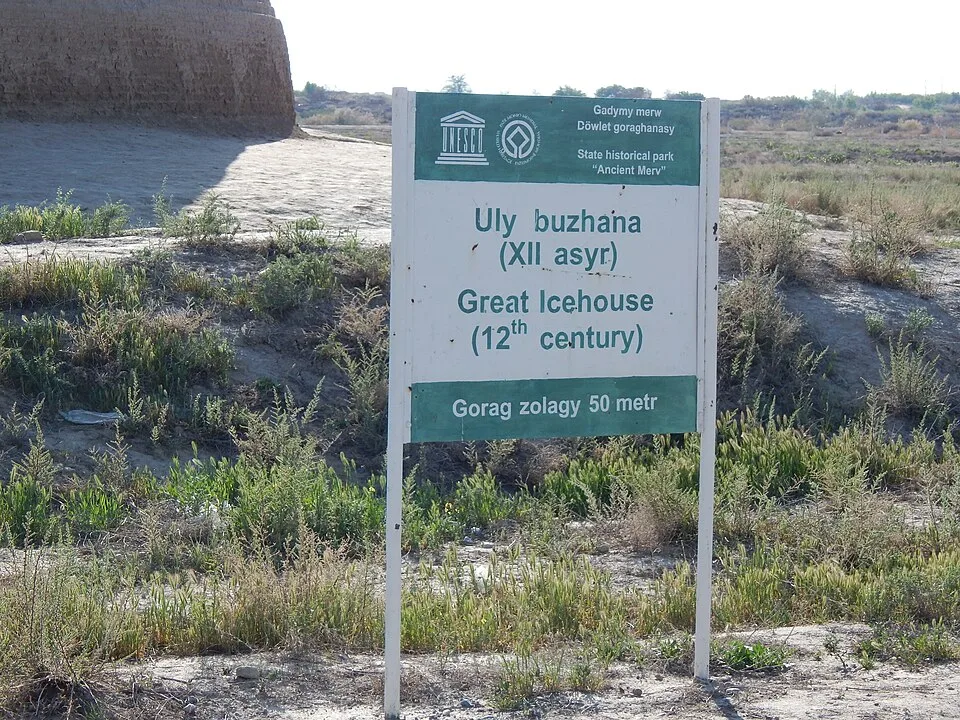
Medieval Islamic Merv became a Khorasanian metropolis of libraries, scholars, and Silk Road commerce; Yāqūt and other geographers ranked it among the world’s great cities before the Mongol sack of 1221 devastated population and canals. Archaeological survey and excavation (Soviet, Turkmen, and international teams including the International Merv Project) mapped city walls, citadels, icehouses, and ceramic chronologies across the vast oasis landscape.
"Marw was one of the four capitals of Khurāsān — a city of libraries and canals — until the Mongols left her mounds silent and her waters dried."
— Composite from Islamic geographers (incl. Yāqūt) on Merv before and after 1221
UNESCO inscribed the State Historical and Cultural Park “Ancient Merv” in 1999 as outstanding testimony to successive civilisations on the Central Asian Silk Roads.