Pular para o conteúdo
Atlas Anatolia
NotíciasIce Age teeth in Sulawesi push betel-nut use back as far as 25,000 yearsRoman mosaic and Eros head uncovered in the basilica at Pompeiopolis, Kastamonu
Mycenaean palace ruins at Englianos, Palace of Nestor, near Pylos

Wikimedia Commons (CC BY-SA 3.0)

Country Record

Oldest Complex in Greece

ComplexoDestaque

Palace of Nestor

Seyfi Cem Baskin

Ανάκτορο του Νέστορα1300 a.C. – 1180 a.C.

The best-preserved Mycenaean palace on the Greek mainland, built around 1300 BCE at Englianos near modern Pylos. Its archive of Linear B tablets, frescoed halls, and wine storerooms gave archaeologists a vivid picture of Bronze Age administration and made Nestor, Homer's wise elder king of the Odyssey, feel suddenly real.

211
Interesse 53

Localização

Grécia

37.00°N · 21.70°E · Europa

Built

c. 1300 BCE (Late Helladic IIIB)

Excavated by

Carl Blegen, 1939–1966

Linear B tablets

1,000+ administrative records

Destroyed

Fire c. 1180 BCE preserved the archive

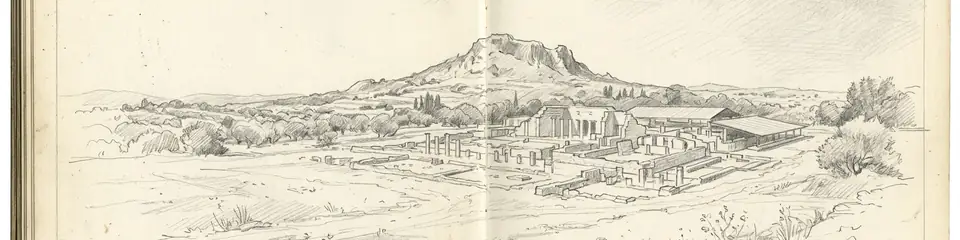
Graphite pencil sketch banner of Palace of Nestor

“The Palace of Nestor is the Rosetta stone of Mycenaean daily life: Linear B tablets name people, places, and industries that Homeric poetry only hints at.”

Localização

Visão geral

The Palace of Nestor crowns a low hill at Englianos, about 17 kilometres northeast of modern Pylos in Messenia. Carl Blegen of the University of Cincinnati excavated the complex between 1939 and 1966, naming it after Nestor, the long-lived king who hosts Telemachus in Homer's Odyssey and dispenses counsel from a gilded throne in the epic's opening books.

The palace belongs to the Late Helladic IIIB phase, roughly 1300 to 1200 BCE, when Mycenaean states controlled much of southern Greece. A two-storey central building opened onto a columned courtyard. Fresco fragments show processions, chariots, and griffins. More than a thousand clay tablets inscribed in Linear B record allocations of bronze, cloth, and perfumed oil to regional districts. The script was deciphered in 1952; the tablets prove that "Nestor's" kingdom managed a bureaucratic economy, not merely a poetic one.
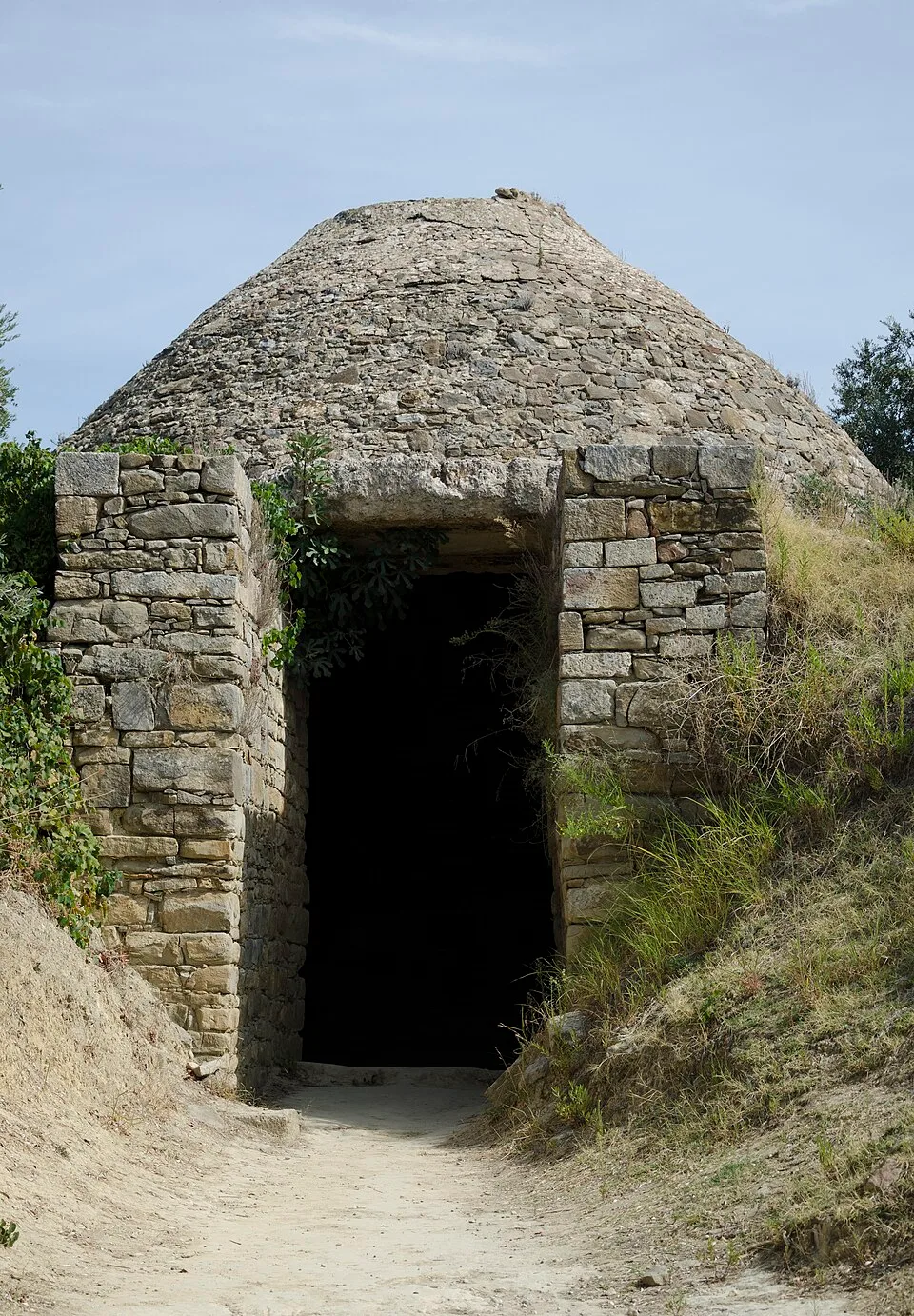
Palace of Nestor mausoleum (2)
Palace of Nestor mausoleum (2) | Peulle (CC BY-SA 4.0)
"He found Nestor in his palace on the shore, sitting on a smooth stone seat with his sons, while attendants mixed wine and prepared the feast."
— Homer, Odyssey III.35–38 (paraphrase)

A fire destroyed the palace around 1180 BCE, baking the tablets and preserving them. The tholos tombs in the surrounding landscape, including the so-called Tomb of Thrasymedes, belong to the same elite world. Voidokilia Bay, the circular beach below, is often linked in local tradition to Nestor's harbour, and recent film crews have used the Messenian coast when they need an Aegean backdrop.
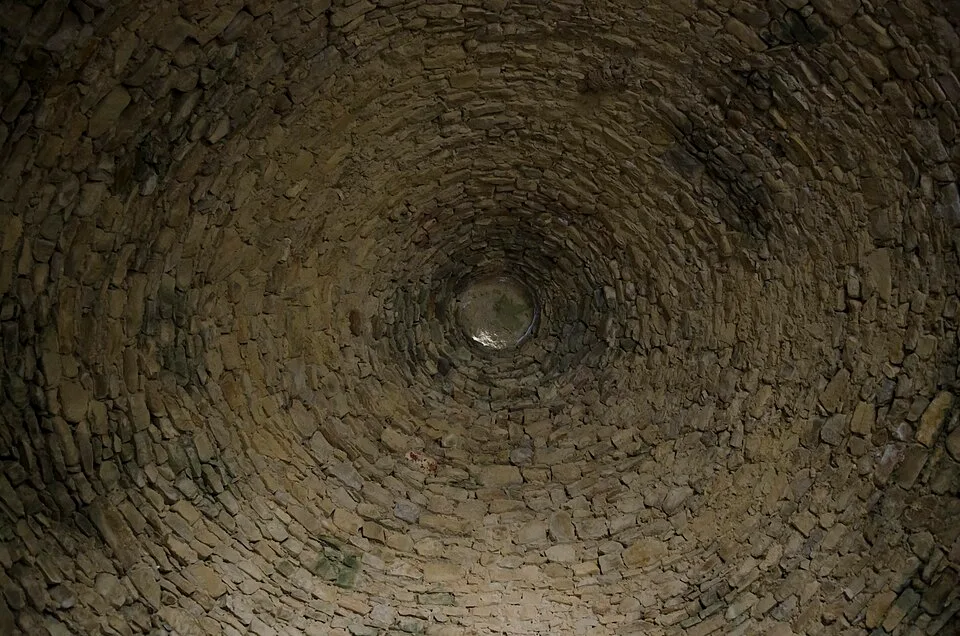
Palace of Nestor mausoleum ceiling (1)
Palace of Nestor mausoleum ceiling (1) | Peulle (CC BY-SA 4.0)

For visitors, the site is compact but revelatory: you can walk the wine magazine, the megaron throne room, and the archive room where the tablets were found. The nearby museum at Chora displays frescoes and finds. Pair a visit with Mycenae and Tiryns to compare mainland palatial architecture.
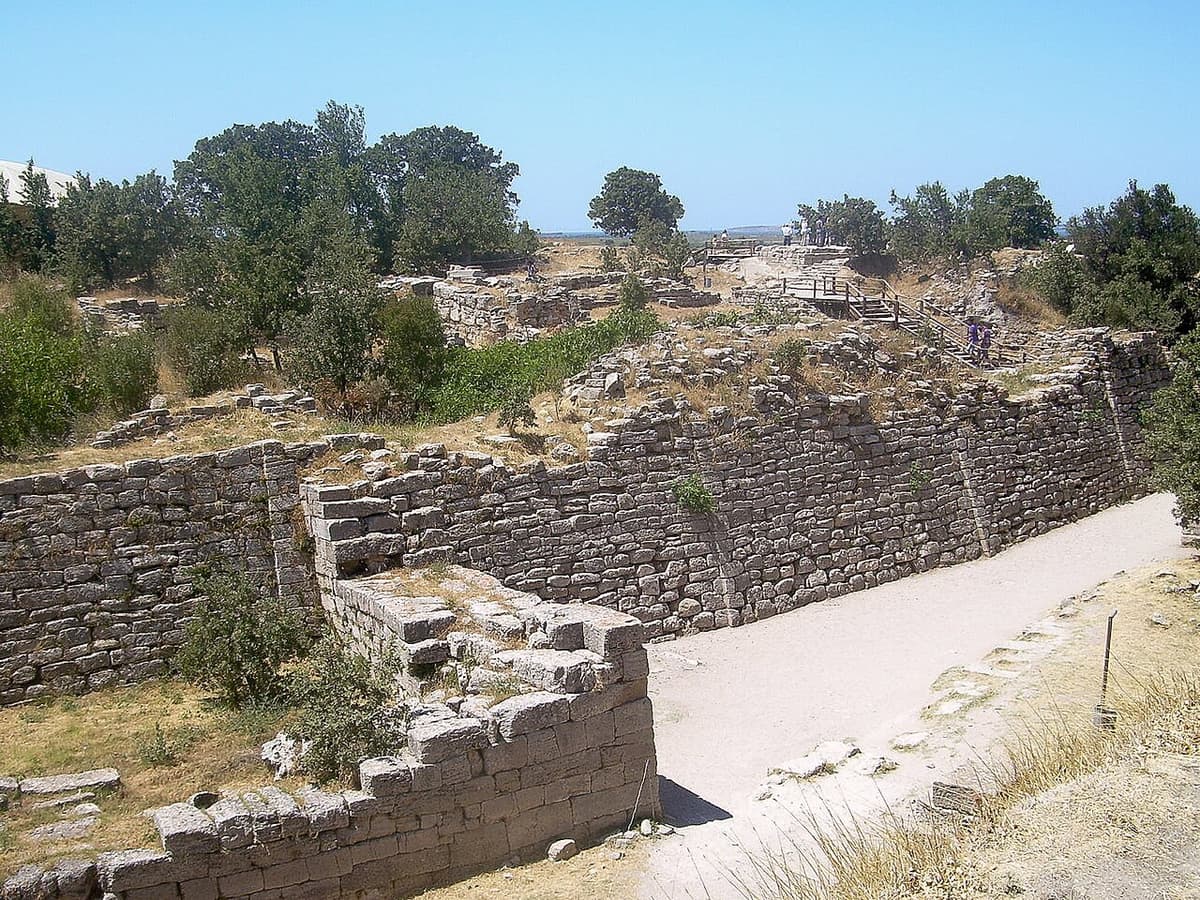
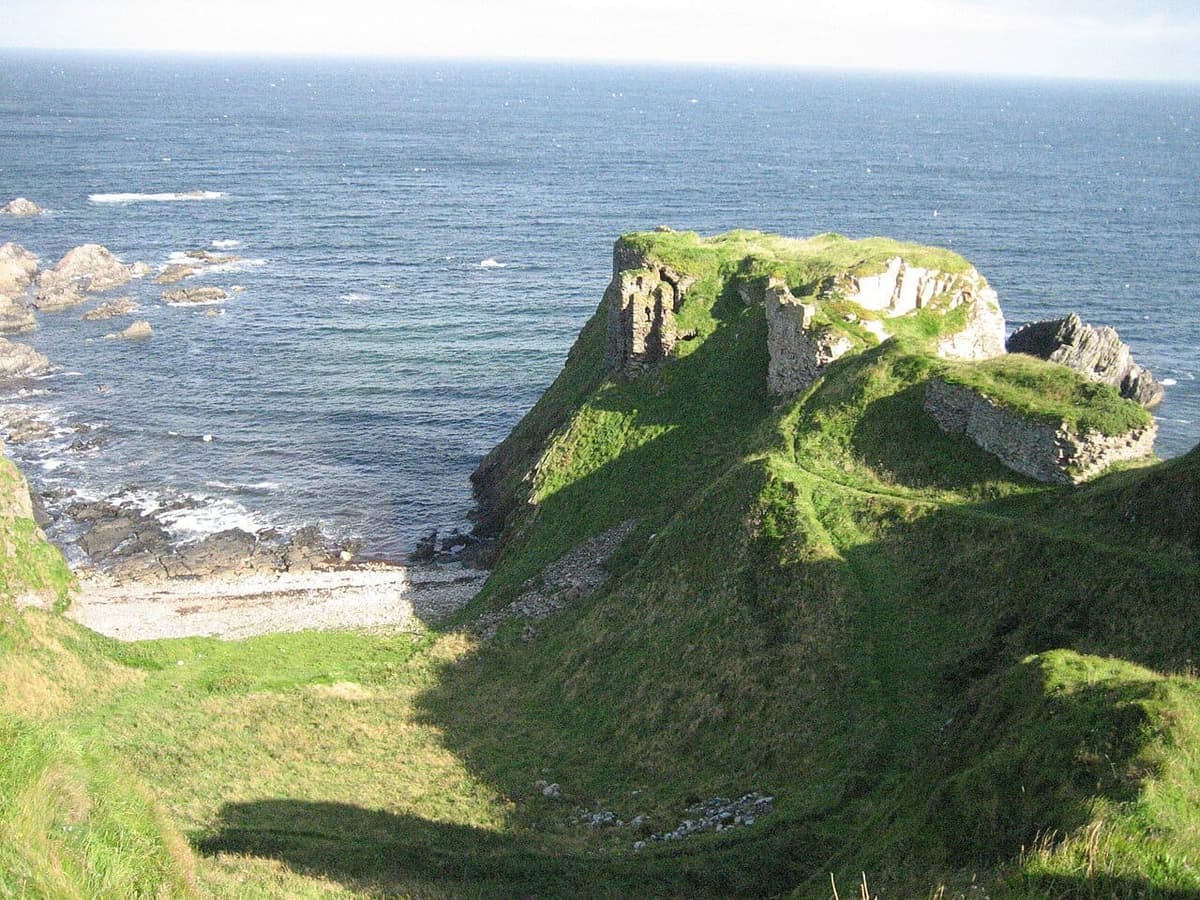
Por que isso importa

The Palace of Nestor is the Rosetta stone of Mycenaean daily life: Linear B tablets name people, places, and industries that Homeric poetry only hints at. Its destruction by fire paradoxically saved the archive, giving Aegean archaeology its largest readable Bronze Age document cache outside Knossos.

Evidências e interpretação

Distinguir o que está bem estabelecido do que permanece em debate.

Fatos bem estabelecidos

2
  • Linear B tablets from the palace name districts, personnel, and goods in a Mycenaean Greek dialect.
  • Architectural plan matches other mainland palaces: megaron, courtyard, magazines, and fresco programme.

Inferências acadêmicas

1
  • Homeric Nestor may echo memory of a powerful Late Bronze Age ruler at Pylos, though the poem was composed centuries later.

Interpretações debatidas

1
  • Whether Homeric Ithaca lay near this Pylos kingdom or on the island of Ithaki remains contested among geographers.

Fotos da comunidade

Compartilhe sua experiência

Você visitou este sítio? Envie suas fotos para ajudar outros a descobri-lo.

Histórias relacionadas

Como citar esta página

Atlas Anatolia. (1300). Palace of Nestor. Atlas Anatolia. https://atlasanatolia.com/pt/site/palace-of-nestor

Conteúdo licenciado sob CC BY-SA 4.0 — atribuição necessária ao reutilizar.

Gráfico

Conexões com sítios e histórias relacionados.

Fontes

  • The Palace of Nestor at Pylos in Western Messenia — Blegen, Carl W. (1966)
  • A Companion to the Archaeology of Greece — Davis, Jack L. (2015)

Perguntas frequentes

Onde fica Palace of Nestor?

Palace of Nestor está localizado em Greece.

Qual é a antiguidade de Palace of Nestor?

Palace of Nestor data de aproximadamente 1300 a.C. – 1180 a.C..

Quais civilizações estão associadas a Palace of Nestor?

Palace of Nestor está associado à civilização Mycenaean.

Por que Palace of Nestor é importante?

The Palace of Nestor is the Rosetta stone of Mycenaean daily life: Linear B tablets name people, places, and industries that Homeric poetry only hints at.

Palace of Nestor é um Patrimônio Mundial da UNESCO?

Palace of Nestor não está atualmente inscrito na Lista do Patrimônio Mundial da UNESCO.