
콘텐츠로 건너뛰기
Atlas Anatolia
디그
뉴스술라웨시 빙하기 치아에서 빈랑 사용 25,000년 전까지 소급카스타모누 폼페이오폴리스 바실리카에서 로마 모자이크와 에로스 두상 발견
Susa — Iran

Wikimedia Commons (CC BY-SA)

Country Record

Longest Continuously Occupied Site in Iran

도시유네스코

Susa

Seyfi Cem Baskin

شوش4200 기원전 – 1218 서기

Ancient Susa, among the world's oldest cities, flourished from 4200 BCE as the Elamite lowland capital and later a ceremonial Achaemenid center, yielding treasures like the Code of Hammurabi stele.

421
관심 71

위치

Khuzestan Province · Susiana · 이란

32.19°N · 48.26°E · 아시아

Built

c. 4200 BCE

Civilization

Elamite, Achaemenid Persian, and later

Discovered

1851 by William Loftus

Status

UNESCO World Heritage Site (2015)

Location

Khuzestan Province, Iran

Key Period

4200 BCE – 1218 CE

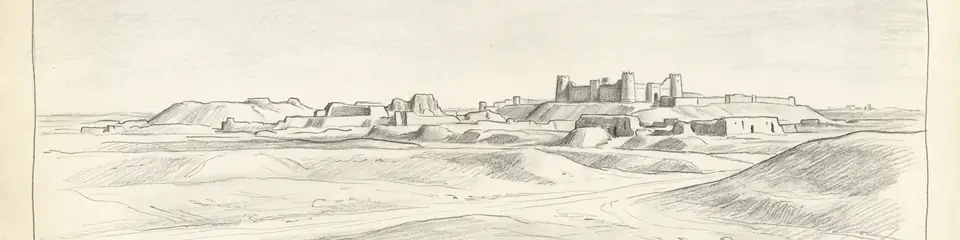
Graphite pencil sketch banner of Susa

“Susa provides an unbroken archaeological sequence from the 5th millennium BCE to the 13th century CE, illuminating the development of early state societies, Elamite civilization, and imperial Achaemenid strategies.”

위치

개요

Discovery and Early Excavations

Susa was first identified as an ancient site in 1851 by British geologist William Loftus, who conducted preliminary excavations on behalf of the British Museum. His work uncovered the palace of the Achaemenid king Artaxerxes II and alerted the scholarly world to the site's richness. The French diplomat and archaeologist Marcel Dieulafoy, together with his wife Jane, conducted further excavations from 1884 to 1886, transporting notable finds to the Louvre. These early campaigns established Susa as a critical link in understanding the sequence of civilizations in the Near East.

Historical Overview

Founded around 4200 BCE on the Susiana plain, Susa emerged as the lowland capital of the Elamite kingdom, a powerful and long-lasting civilization that interacted and clashed with Mesopotamian states. The city witnessed successive destructions and rebirths, notably by the Akkadian king Sargon (c. 2300 BCE) and the Assyrian ruler Ashurbanipal (647 BCE), who famously sacked it. Under the Achaemenid Empire (c. 550–330 BCE), Susa was revitalized by Darius the Great, who constructed a magnificent palace complex, making it an administrative hub and a winter residence. The city continued under Seleucid, Parthian, and Sasanian rule before declining after the Islamic conquest and eventual abandonment following the Mongol invasions of the 13th century CE.
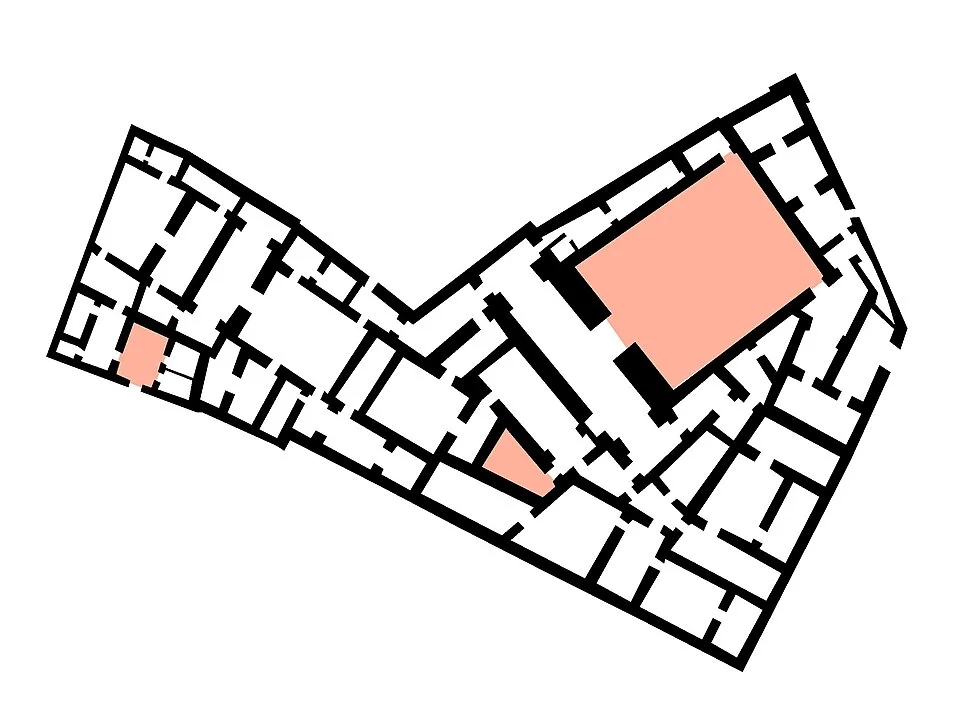
Susa house drawing
Susa house drawing | Udimu (CC BY 3.0)
"In Susa I, Darius, built a palace. From far away its decoration was brought. The cedar wood was brought from a mountain called Lebanon; the gold was brought from Sardis and from Bactria."
— Darius I, Susa Foundation Charter (DSf), c. 510 BCE

Architecture and Key Structures

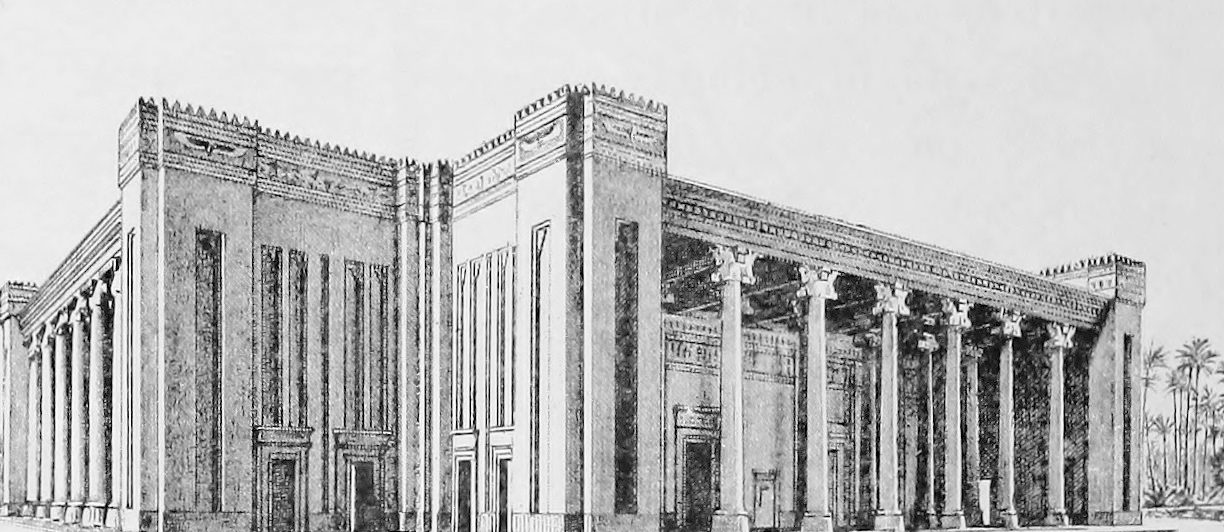
The archaeological remains reveal a complex urban layout spanning millennia. The Elamite period is marked by the massive ziggurat of Untash-Napirisha at nearby Chogha Zanbil, but within Susa itself, a substantial temple platform bore witness to continuous sacred use. The Achaemenid palace, built on an artificial terrace, featured a grand apadana (audience hall) with 36 columns, reflecting influences from Persepolis. Artisans from across the empire contributed materials: cedar from Lebanon, gold from Sardis, and lapis lazuli from Bactria. The palace complex also included residential quarters and administrative sectors, testifying to Susa's role as a cosmopolitan center.
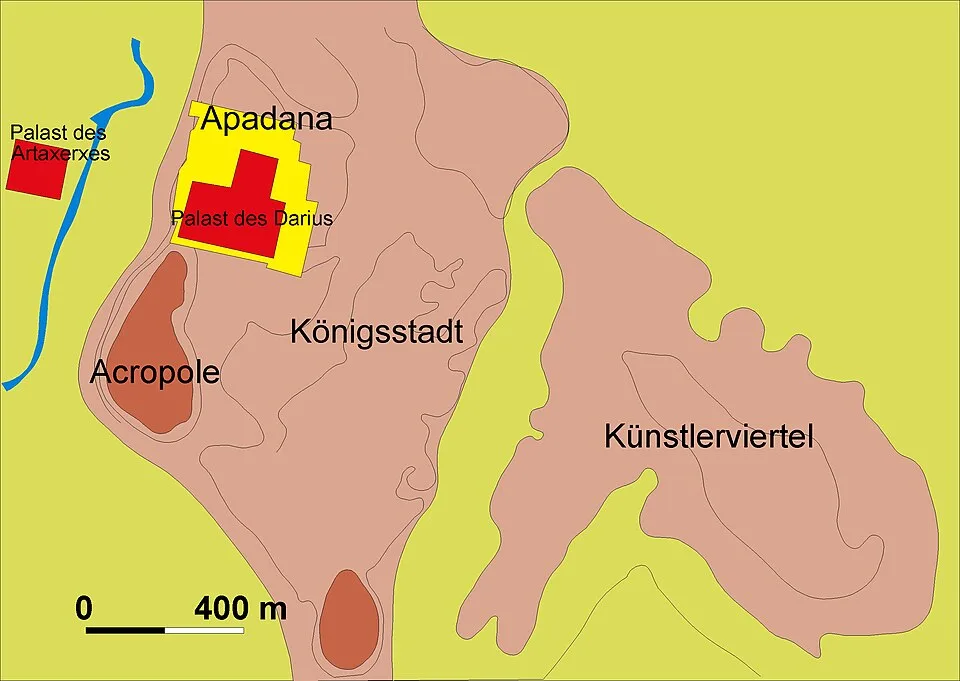
Susa map
Susa map | Udimu (CC BY 3.0)

Inscriptions and Material Culture

Susa's prolific epigraphic record provides unparalleled insights. The Code of Hammurabi, a monumental basalt stele inscribed with Babylonian law, was brought to Susa as war booty in the 12th century BCE and unearthed by Jacques de Morgan in 1901. Achaemenid foundation tablets, such as the famous DSf inscription, narrate the palace's construction in three languages. Additionally, thousands of administrative tablets in Elamite cuneiform illuminate the continuity of local bureaucracy even after Persian conquest. Artifacts like glazed brick reliefs of guardsmen and bull-capitals underscore the fusion of artistic traditions.

World Heritage Recognition

In 2015, UNESCO inscribed Susa on the World Heritage List, acknowledging its exceptional testimony to the Elamite, Persian, and later civilizations. The property encompasses the ancient mounds, the palace complex, and surrounding archaeological zones. Ongoing conservation and research, led by international teams, continue to refine the chronology and reveal the daily life of its inhabitants. Despite past looting and interventions, Susa remains a cornerstone for understanding the development of early states and the interplay of cultures in the ancient Near East.
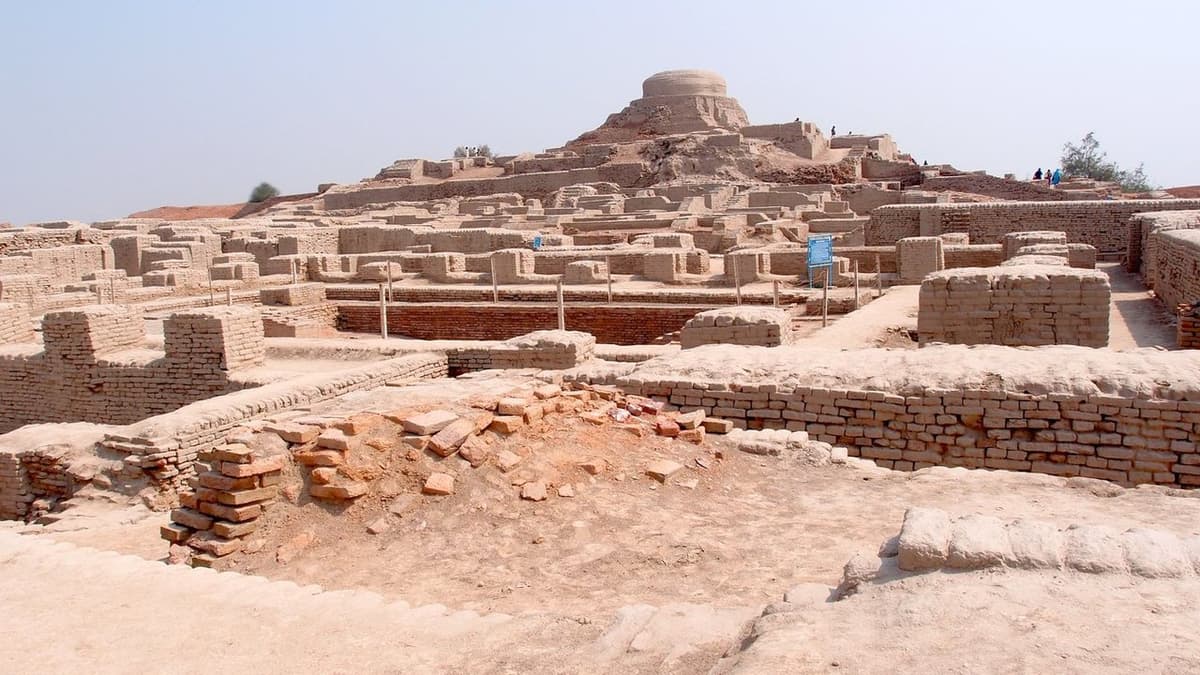
중요성

Susa provides an unbroken archaeological sequence from the 5th millennium BCE to the 13th century CE, illuminating the development of early state societies, Elamite civilization, and imperial Achaemenid strategies. As the discovery site of the Code of Hammurabi, it holds pivotal legal-historical significance and exemplifies the cultural amalgamation of successive empires.

증거와 해석

확립된 사실과 논쟁 중인 사항을 구분합니다.

잘 확립된 사실

4
  • Susa was founded around 4200 BCE on the Susiana plain near the Karkheh River, as attested by stratified deposits from the Ubaid period.
  • The Code of Hammurabi stele was discovered at Susa in 1901 by the French mission led by Jacques de Morgan.
  • The Achaemenid palace of Darius I is documented in the DSf foundation inscription, which details the materials and workers brought from across the empire.
  • Susa was inscribed as a UNESCO World Heritage Site in 2015 under criteria (i), (ii), (iii), and (iv).

학술적 추론

2
  • The Elamite ziggurat at Susa probably functioned as a religious center akin to Mesopotamian examples, inferred from its architectural layout and associated ritual objects.
  • Administrative tablets in Elamite cuneiform, used after the Achaemenid period, suggest cultural and bureaucratic persistence under foreign rule.

논쟁 중인 해석

1
  • The exact relationship between Susa and the Elamite capital Anshan remains disputed, with some scholars arguing that Susa alternated as the primary political center.

발견과 발굴

1851–1852

First documented excavation

지휘 William Loftus

William Loftus conducted exploratory trenching at the site, uncovering Achaemenid remains and sending some finds to the British Museum.

1884–1886

French Mission (Dieulafoy)

지휘 Marcel and Jane Dieulafoy

Marcel and Jane Dieulafoy excavated the Achaemenid palace, shipping many art works and architectural fragments to the Louvre.

1897–1912

De Morgan's large-scale excavations

지휘 Jacques de Morgan

Jacques de Morgan led extensive work, discovering the Code of Hammurabi and establishing Susa's stratigraphic sequence from prehistory to the Islamic era.

1946–1967

Ghirshman's excavations

지휘 Roman Ghirshman

Roman Ghirshman uncovered the Elamite ziggurat and residential quarters, refining the chronology of the Elamite periods.

1969–1978

Perrot's urban archaeology

지휘 Jean Perrot

Jean Perrot conducted wide-area excavations, revealing the Achaemenid palace's plan and discovering the statue of Darius I.

커뮤니티 사진

당신의 경험을 공유하세요

이 유적지를 방문하셨나요? 다른 탐험가들을 위해 사진을 업로드해 보세요.

관련 이야기

이 페이지 인용 방법

Atlas Anatolia. (4200). Susa. Atlas Anatolia. https://atlasanatolia.com/ko/site/susa

콘텐츠는 CC BY-SA 4.0 라이선스에 따라 제공됩니다 — 재사용 시 출처 표시가 필요합니다.

그래프

관련 유적지와 스토리로의 연결.

출처

  • Potts (1999), The Archaeology of Elam: Formation and Transformation of an Ancient Iranian State — D.T. Potts (1999)
  • The Royal City of Susa: Ancient Near Eastern Treasures in the Louvre — P.O. Harper, J. Aruz, and F. Tallon (1992)
  • Amiet (1966), Elam — P. Amiet (1966)
  • The Palace of Darius at Susa: The Great Royal Residence of Achaemenid Persia — J. Perrot (ed.) (2013)
  • UNESCO World Heritage entry for Susa링크

자주 묻는 질문

Susa은(는) 어디에 위치해 있나요?

Susa은(는) Khuzestan Province, Susiana, Iran에 위치해 있습니다.

Susa의 연대는 언제인가요?

Susa의 연대는 대략 4200 기원전 – 1218 서기로 거슬러 올라갑니다.

Susa과(와) 관련된 고대 문명은 무엇인가요?

Susa은(는) Achaemenid Persian, Parthian, Sasanian 문명과 관련이 있습니다.

Susa이(가) 중요한 이유는 무엇인가요?

Susa provides an unbroken archaeological sequence from the 5th millennium BCE to the 13th century CE, illuminating the development of early state societies, Elamite civilization, and imperial Achaemenid strategies.

Susa은(는) 유네스코 세계유산인가요?

예 — Susa은(는) 유네스코 세계유산으로 등재되어 있습니다.