
콘텐츠로 건너뛰기
Atlas Anatolia
디그
뉴스술라웨시 빙하기 치아에서 빈랑 사용 25,000년 전까지 소급카스타모누 폼페이오폴리스 바실리카에서 로마 모자이크와 에로스 두상 발견
The six-tiered Pyramid of the Niches at El Tajin, Veracruz, Mexico

Wikimedia Commons

도시유네스코주요

El Tajin

Seyfi Cem Baskin

100 서기 – 1200 서기

The most important pre-Columbian city on the Gulf Coast of Mexico — a spectacular ceremonial centre of the Totonac people whose 18 ballcourts and the unique Pyramid of the Niches (with 365 recesses, one for each day of the year) make it one of the most extraordinary sites in Mesoamerica.

31
관심 62

위치

멕시코

20.45°N · 97.38°W · 북아메리카

Period

c. 100-1200 CE

Pyramid of the Niches

365 niches (one per solar calendar day), 6-tiered, uniquely proportioned

Ballcourts

At least 18 — more than any other Mesoamerican city

Art style

Classic Veracruz interlocking scrollwork, influential across Mexico

UNESCO

World Heritage Site 1992

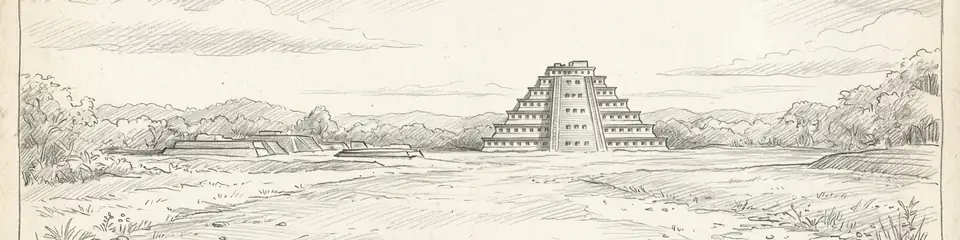
Graphite pencil sketch banner of El Tajin

“El Tajin is the masterpiece of Classic Veracruz civilisation and the proof that Gulf Coast cultures developed independently of the better-known highland Mexican and Maya traditions.”

위치

개요

El Tajin lies in the tropical lowlands of northern Veracruz state, Mexico, surrounded by lush jungle on the foothills of the Sierra Madre Oriental. Occupied from roughly 100 CE to 1200 CE, it grew into one of the most powerful cities in Mesoamerica, controlling a large territory on the Gulf Coast and maintaining trade links with Teotihuacan, Oaxaca, and the Maya lowlands.

The site is dominated by the Pyramid of the Niches, a six-tiered stepped pyramid with a staircase on the eastern face and 365 rectangular niches covering its four sides — one for each day of the solar calendar. The niches were originally painted red and blue and, with fires lit inside them, would have created a spectacular visual effect at night. The pyramid is one of the most perfectly proportioned and visually striking buildings in Mesoamerica.

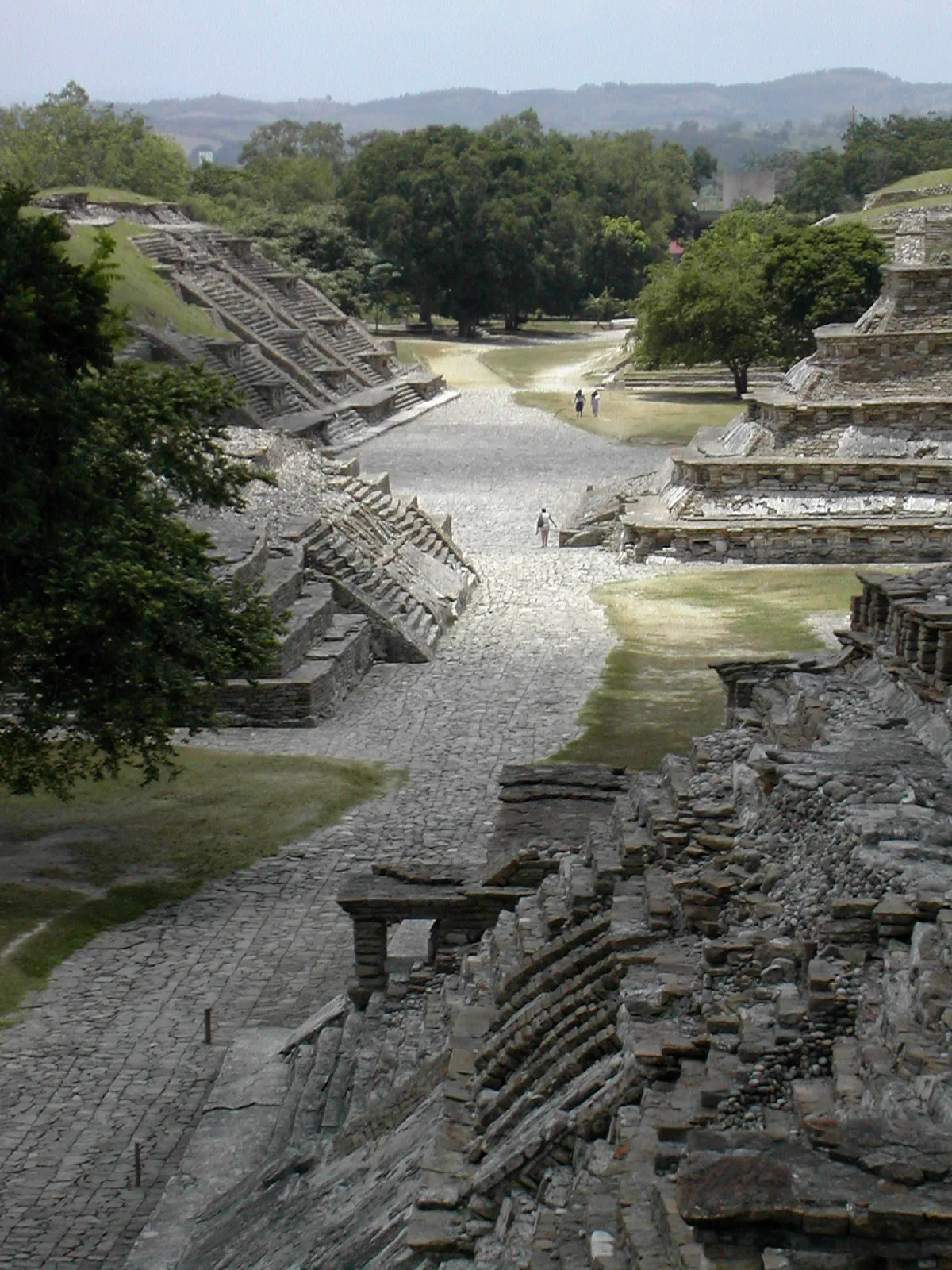
El Tajin has more ballcourts than any other ancient Mesoamerican city — at least 18 have been identified. The ballgame was clearly central to the life and religion of this city, and the carved stone panels on the South Ballcourt depict in extraordinary detail the rituals associated with the game, including human sacrifice. The city also features elaborate friezes on many buildings depicting interlocking scrollwork, human figures, and mythological scenes of remarkable sophistication.

El Tajin was abandoned around 1200 CE, possibly following attacks by Chichimec peoples from the north. It was inscribed as a UNESCO World Heritage Site in 1992.

중요성

El Tajin is the masterpiece of Classic Veracruz civilisation and the proof that Gulf Coast cultures developed independently of the better-known highland Mexican and Maya traditions. Its Pyramid of the Niches is among the most architecturally sophisticated buildings in the pre-Columbian world, and its 18 ballcourts represent the most concentrated evidence anywhere of the ballgame — the most widespread and ritually significant sport in ancient Mesoamerica. The interlocking scroll designs that cover El Tajin's buildings (the "Classic Veracruz style") influenced art and architecture across a wide area of Mexico for centuries and can be traced in the art of cultures as diverse as the Maya, the Aztec, and the Huastec. The city is also significant as the likely major centre of the Totonac people, who later became key allies of Cortes in the Spanish conquest.

증거와 해석

확립된 사실과 논쟁 중인 사항을 구분합니다.

잘 확립된 사실

3
  • The Pyramid of the Niches has 365 rectangular niches (confirmed by precise count) and is dated by radiocarbon and ceramic analysis to the Classic period (c. 600-900 CE), though the site was occupied from c. 100 CE.
  • At least 18 ballcourts have been identified through survey and excavation, each with carved stone friezes depicting ballgame rituals including human sacrifice by decapitation.
  • Trade goods including Teotihuacan-style objects, Oaxacan pottery, and Maya jade confirm El Tajin's participation in the Mesoamerican interregional exchange network from the Classic period onward.

학술적 추론

1
  • Association with the Totonac people is based on ethnohistoric sources and the oral traditions of the Totonac themselves, who identify El Tajin as an ancestral city; direct ethnic continuity from the Classic period to the Totonac is difficult to prove archaeologically.

커뮤니티 사진

당신의 경험을 공유하세요

이 유적지를 방문하셨나요? 다른 탐험가들을 위해 사진을 업로드해 보세요.

이 페이지 인용 방법

Atlas Anatolia. (100). El Tajin. Atlas Anatolia. https://atlasanatolia.com/ko/site/el-tajin

콘텐츠는 CC BY-SA 4.0 라이선스에 따라 제공됩니다 — 재사용 시 출처 표시가 필요합니다.

출처

  • El Tajin: A Guide for Visitors — Wilkerson, S. Jeffrey K. (1987)
  • El Tajin — Brueggemann, Juergen K. (1992)

자주 묻는 질문

El Tajin은(는) 어디에 위치해 있나요?

El Tajin은(는) Mexico에 위치해 있습니다.

El Tajin의 연대는 언제인가요?

El Tajin의 연대는 대략 100 서기 – 1200 서기로 거슬러 올라갑니다.

El Tajin과(와) 관련된 고대 문명은 무엇인가요?

El Tajin은(는) Totonac 문명과 관련이 있습니다.

El Tajin이(가) 중요한 이유는 무엇인가요?

El Tajin is the masterpiece of Classic Veracruz civilisation and the proof that Gulf Coast cultures developed independently of the better-known highland Mexican and Maya traditions.

El Tajin은(는) 유네스코 세계유산인가요?

예 — El Tajin은(는) 유네스코 세계유산으로 등재되어 있습니다.