
콘텐츠로 건너뛰기
Atlas Anatolia
디그
뉴스술라웨시 빙하기 치아에서 빈랑 사용 25,000년 전까지 소급카스타모누 폼페이오폴리스 바실리카에서 로마 모자이크와 에로스 두상 발견
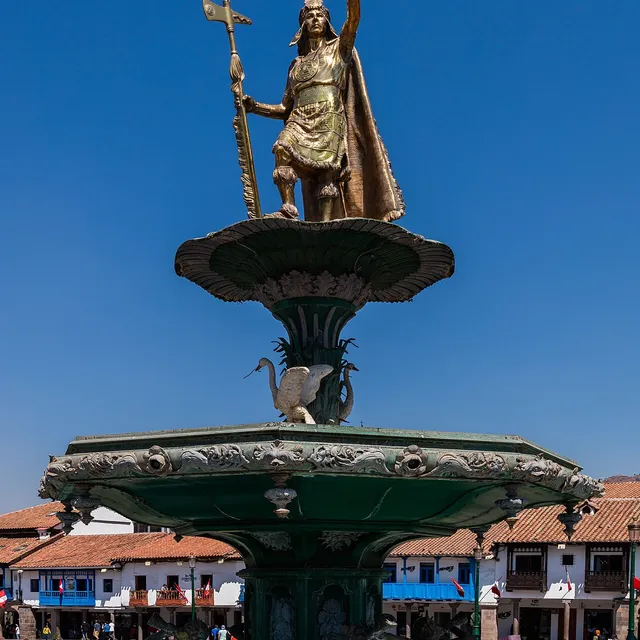
Plaza de Armas of Cusco with the Inca Pachacuti monument and cathedral

Wikimedia Commons

Country Record

Known by the Most Names in Peru

도시유네스코주요

Cusco

Seyfi Cem Baskin

Qosqo1200 서기 – 1533 서기

The high-altitude capital of the Inca Empire — planned in the form of a puma, with Coricancha at its spiritual centre and colonial churches built atop Inca masonry — the gateway city to Machu Picchu and the heart of Andean imperial archaeology.

211
관심 79

위치

페루

13.53°S · 71.97°W · 남아메리카

Elevation

~3,400 m in the Peruvian Andes

Inca capital

Tawantinsuyu administrative and ritual centre

Coricancha

Temple of the Sun — finest Inca ashlar masonry in the city

UNESCO

City of Cuzco World Heritage Site (1983)

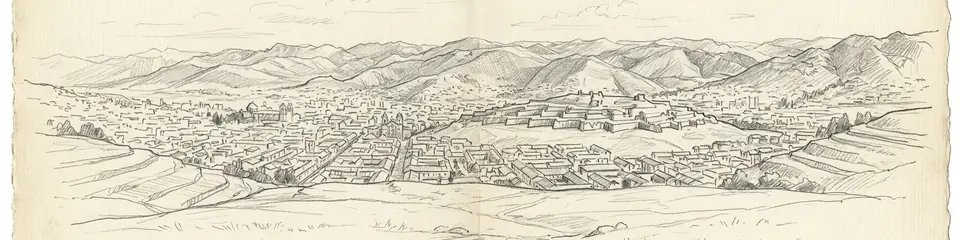
Graphite pencil sketch banner of Cusco

“Cusco is the only major imperial capital of the pre-Columbian Americas still inhabited — a palimpsest of Killke, Inca, and Spanish colonial urbanism at altitude.”

위치

개요

Cusco (Qosqo, "navel" in Quechua) lies at about 3,400 metres elevation in a basin of the Peruvian Andes. Killke culture peoples occupied the valley from c. 900 CE; according to Inca oral tradition recorded by Spanish chroniclers, the first emperor Manco Cápac founded Cusco as the imperial centre. Under Pachacuti Inca Yupanqui (mid-15th century) and his successors, the city was rebuilt as the capital of Tawantinsuyu — the Inca Empire — with a planned urban form likened to a puma: Sacsayhuamán as the head, the main canals as the spine, and the Plaza Huacaypata (now Plaza de Armas) as the belly.

Inca builders used ashlar and polygonal masonry in andesite and diorite; master walls survive in the Coricancha (Temple of the Sun), the Qorikancha cloister of Santo Domingo, and numerous street foundations. The Coricancha was the empire's richest temple, reportedly walled with gold sheets before Spanish looting. The Spanish founded their colonial capital atop Inca layouts, erecting the Cathedral and La Compañía on the plaza and stripping stone from Sacsayhuamán and other shrines.
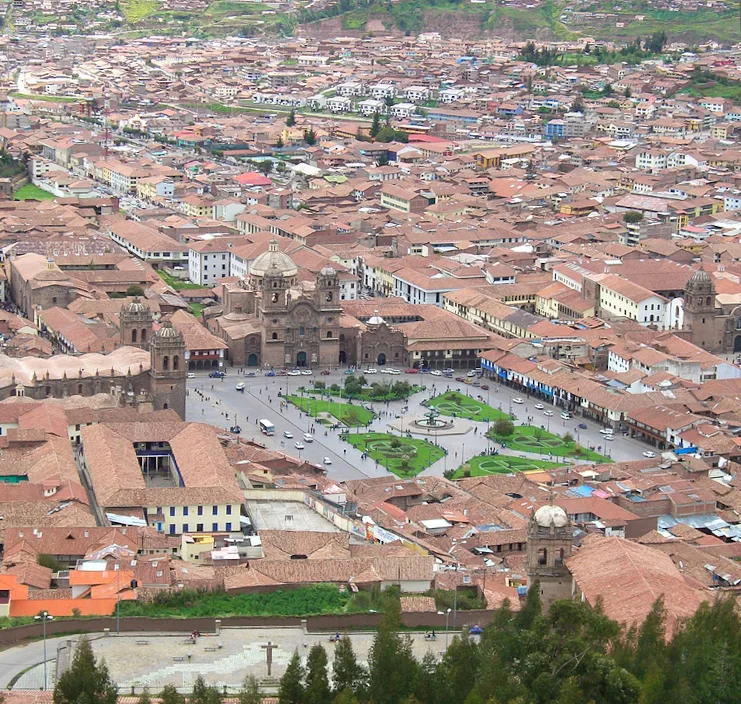
Plaza de Armas - Cusco

*Plaza de Armas - Cusco | Joachim Pietsch

derivative work: MrPanyGoff (CC BY-SA 2.0)*

"This was the navel of the world, where the Inca held the empire together — the House of the Sun blazed with gold, and the stones of the city were fitted so tightly that a knife could not pass between them."
— Composite from Spanish chronicles on Cusco and Coricancha (16th century)

Modern Cusco is a living city of roughly 400,000 people; the historic centre is a UNESCO World Heritage Site (inscribed 1983, extended 2013) encompassing Inca and colonial layers. Archaeological work continues on Killke and Inca phases beneath streets. Cusco is the rail and road hub for the Sacred Valley and Machu Picchu, making it one of South America's primary heritage tourism nodes.
중요성

Cusco is the only major imperial capital of the pre-Columbian Americas still inhabited — a palimpsest of Killke, Inca, and Spanish colonial urbanism at altitude. Understanding Inca statecraft — ceque lines, solar worship at Coricancha, and megalithic elite architecture — begins here, not only at outlying estates like Machu Picchu.

증거와 해석

확립된 사실과 논쟁 중인 사항을 구분합니다.

잘 확립된 사실

2
  • Inca polygonal and ashlar walls survive in situ at Coricancha, Loreto Street, and other foundations beneath colonial buildings.
  • Spanish chronicles (Cieza de León, Garcilaso de la Vega, Betanzos) describe the puma-shaped plan and Coricancha's wealth, corroborated by archaeology.

학술적 추론

1
  • Killke-phase occupation predates imperial Inca rebuilding; the degree of continuous urban planning versus Pachacuti's wholesale redesign is inferred from stratigraphy.

논쟁 중인 해석

1
  • The exact extent and astronomical alignment of ceque (sacred sight-line) systems centred on Cusco remain debated among Andean scholars.

커뮤니티 사진

당신의 경험을 공유하세요

이 유적지를 방문하셨나요? 다른 탐험가들을 위해 사진을 업로드해 보세요.

관련 이야기

이 페이지 인용 방법

Atlas Anatolia. (1200). Cusco. Atlas Anatolia. https://atlasanatolia.com/ko/site/cusco

콘텐츠는 CC BY-SA 4.0 라이선스에 따라 제공됩니다 — 재사용 시 출처 표시가 필요합니다.

그래프

관련 유적지와 스토리로의 연결.

출처

  • The Conquest of the Incas — Hemming, John (1970)
  • Inca Architecture — Gasparini, Graziano; Margolies, Luize (1980)

자주 묻는 질문

Cusco은(는) 어디에 위치해 있나요?

Cusco은(는) Peru에 위치해 있습니다.

Cusco의 연대는 언제인가요?

Cusco의 연대는 대략 1200 서기 – 1533 서기로 거슬러 올라갑니다.

Cusco과(와) 관련된 고대 문명은 무엇인가요?

Cusco은(는) Inca 문명과 관련이 있습니다.

Cusco이(가) 중요한 이유는 무엇인가요?

Cusco is the only major imperial capital of the pre-Columbian Americas still inhabited — a palimpsest of Killke, Inca, and Spanish colonial urbanism at altitude.

Cusco은(는) 유네스코 세계유산인가요?

예 — Cusco은(는) 유네스코 세계유산으로 등재되어 있습니다.