
콘텐츠로 건너뛰기
Atlas Anatolia
디그
뉴스술라웨시 빙하기 치아에서 빈랑 사용 25,000년 전까지 소급카스타모누 폼페이오폴리스 바실리카에서 로마 모자이크와 에로스 두상 발견
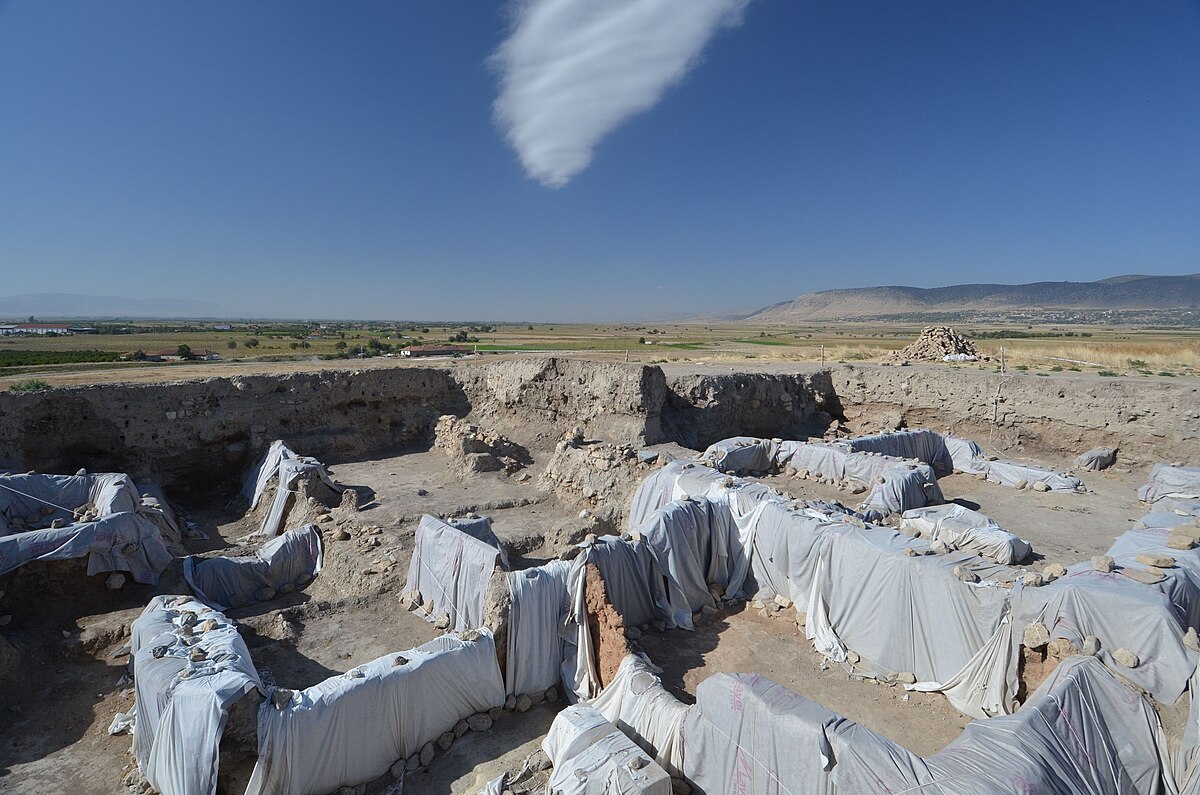
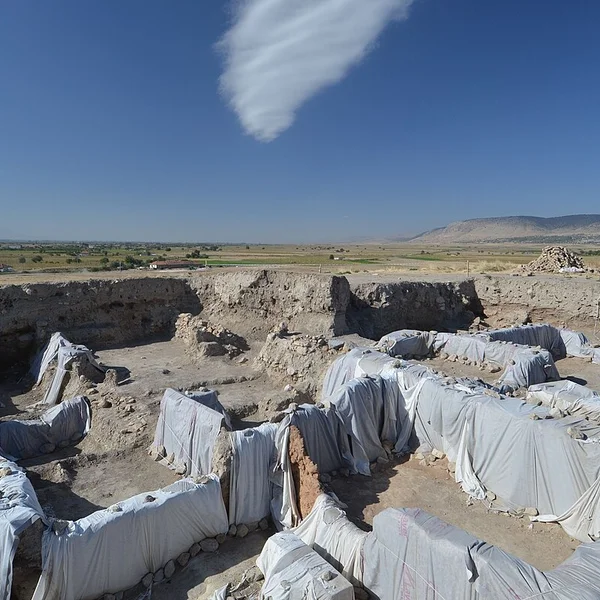
Excavated Bronze Age palace remains at Beycesultan mound

Wikimedia Commons

정착지

Beycesultan

Seyfi Cem Baskin

3000 기원전 – 1200 기원전

A major Bronze Age palace complex in western Anatolia that may preserve one of the earliest examples of a Megaroid hall — the architectural ancestor of the Greek megaron — and evidence of a powerful pre-Hittite Anatolian kingdom.

222
관심 37

위치

Denizli · Aegean · 튀르키예

37.78°N · 29.68°E · 아시아

Palace

Late Bronze Age palace with megaron-like hall plan

Shrines

Paired Early Bronze Age temples with unique cult installations

Possible Identity

May correspond to ancient Arzawa kingdom

Province

Denizli, upper Meander valley of western Anatolia

Dating Method

Relative chronology established via pottery typology and stratigraphy, with radiocarbon dating applied in later campaigns.

Notable Finds

A cache of bronze weapons and tools, and a collection of seal impressions from the palace complex.

Graphite pencil sketch banner of Beycesultan

“Beycesultan provides crucial evidence for the development of western Anatolian civilizations that existed alongside but independently of the Hittites.”

위키백과에서

Beycesultan is a major Bronze Age settlement in western Anatolia with a palace complex possibly representing the architectural ancestor of the Greek megaron.

위키백과에서 전체 기사 읽기 →

위치

개요

Beycesultan is a large tell (artificial mound) in the upper Meander River valley of Denizli province, western Anatolia. Excavations have revealed a substantial Bronze Age settlement that was one of the most important centers of power in western Anatolia during the 3rd and 2nd millennia BCE — contemporary with but independent of the great Hittite civilization to the east.

The site's most significant feature is a large Late Bronze Age palace (c. 1900-1750 BCE) destroyed by fire, which paradoxically preserved its contents and architectural details. The palace features a distinctive hall with a central hearth and a raised platform at one end — a plan that closely resembles the later Greek megaron, the rectangular hall form that became the basis for the Greek temple. This has led scholars to propose that the megaron concept originated in Anatolian architecture.

"The land of Arzawa is a great kingdom, and its king is equal to the king of Hatti."
— Hittite diplomatic correspondence, c. 14th century BCE

Earlier levels at Beycesultan include a remarkable Early Bronze Age shrine complex with paired temples featuring distinctive cult installations including blood channels and horn-shaped altar elements. These shrines provide unique evidence for Bronze Age Anatolian religious practices in a region poorly documented by contemporary texts.

The settlement's location in the upper Meander valley places it at the crossroads of Aegean and central Anatolian cultural zones. The site may correspond to ancient Arzawa, a powerful western Anatolian kingdom mentioned in Hittite texts as a rival power, though this identification remains debated.
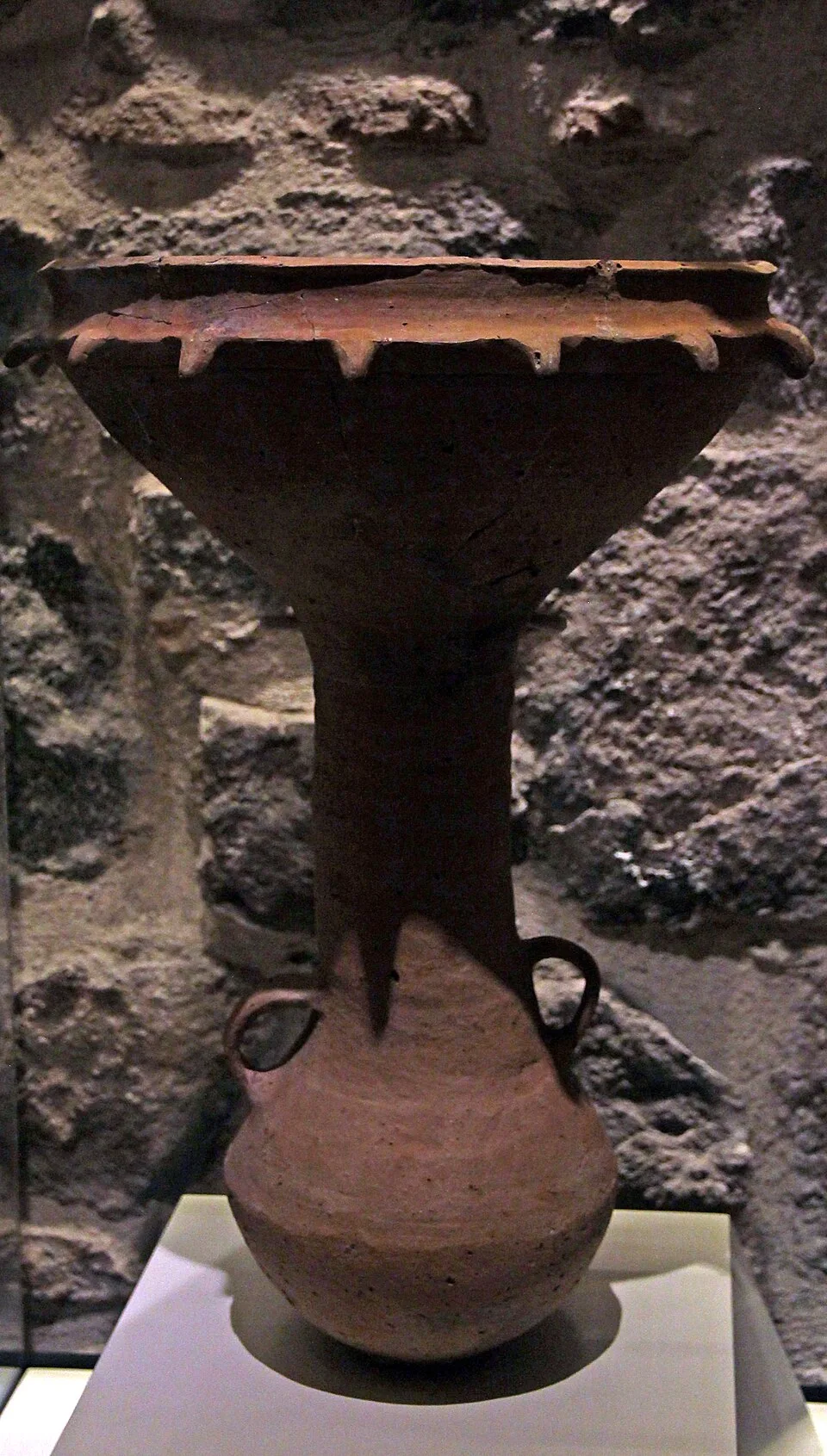
Beycesultan Trommel 24
Beycesultan Trommel 24 | Ingeborg Simon (CC BY-SA 3.0)

중요성

Beycesultan provides crucial evidence for the development of western Anatolian civilizations that existed alongside but independently of the Hittites. The palace architecture, with its megaron-like plan, may illuminate the origins of one of the most fundamental building forms in Greek architecture. The Early Bronze Age shrines offer rare glimpses into Anatolian religious practices from a period and region with no surviving written records, filling a significant gap in our understanding of Bronze Age spirituality. The site's possible connection to the Arzawa kingdom links it to one of the great unresolved questions in Anatolian archaeology.

증거와 해석

확립된 사실과 논쟁 중인 사항을 구분합니다.

잘 확립된 사실

2
  • The Late Bronze Age palace was destroyed by fire c. 1750 BCE, preserving architectural details including a large hall with central hearth and raised platform.
  • Early Bronze Age shrines contain paired temple units with horn-shaped altar elements and blood channels, unique in Anatolian Bronze Age archaeology.

학술적 추론

2
  • The palace hall's plan closely resembles the later Greek megaron, suggesting western Anatolian architecture may have influenced the development of this fundamental Greek building form.
  • The scale and sophistication of the palace complex suggest a major regional power center controlling the upper Meander valley and its trade routes.

논쟁 중인 해석

2
  • The identification of Beycesultan with the Arzawa kingdom mentioned in Hittite texts remains debated, with alternative locations proposed at other western Anatolian sites.
  • The function of the large hall in the Level V palace as a throne room (megaron) versus a more general audience hall is debated based on its internal features and spatial organization.

발견과 발굴

1954–1959

British Institute excavations

지휘 Seton Lloyd & James Mellaart

Seton Lloyd and James Mellaart directed excavations revealing the Bronze Age palace, shrine complex, and a sequence of occupation levels spanning over a millennium.

1959

Final British Campaign

지휘 Seton Lloyd and James Mellaart

The concluding season of the initial British excavations, focusing on the Late Bronze Age palace and its destruction level.

2007–2015

Ege University excavations

Turkish excavations resumed work at the site, re-examining the palace complex with modern methods and investigating previously unexplored areas of the mound.

2016

Conservation project

Conservation work focused on protecting the exposed Bronze Age architecture and developing the site for public visitation.

커뮤니티 사진

당신의 경험을 공유하세요

이 유적지를 방문하셨나요? 다른 탐험가들을 위해 사진을 업로드해 보세요.

이 페이지 인용 방법

Atlas Anatolia. (3000). Beycesultan. Atlas Anatolia. https://atlasanatolia.com/ko/site/beycesultan

콘텐츠는 CC BY-SA 4.0 라이선스에 따라 제공됩니다 — 재사용 시 출처 표시가 필요합니다.

출처

  • Beycesultan: Late Bronze Age Architecture — Seton Lloyd & James Mellaart (1965)
  • The Bronze Age Palace at Beycesultan and the Origin of the Megaron — James Mellaart (1962)
  • Wikipedia — Beycesultan링크

자주 묻는 질문

Beycesultan은(는) 어디에 위치해 있나요?

Beycesultan은(는) Denizli, Aegean, Türkiye에 위치해 있습니다.

Beycesultan의 연대는 언제인가요?

Beycesultan의 연대는 대략 3000 기원전 – 1200 기원전로 거슬러 올라갑니다.

Beycesultan과(와) 관련된 고대 문명은 무엇인가요?

Beycesultan은(는) Hittite 문명과 관련이 있습니다.

Beycesultan이(가) 중요한 이유는 무엇인가요?

Beycesultan provides crucial evidence for the development of western Anatolian civilizations that existed alongside but independently of the Hittites.

Beycesultan은(는) 유네스코 세계유산인가요?

Beycesultan은(는) 현재 유네스코 세계유산 목록에 등재되어 있지 않습니다.