
コンテンツへスキップ
Atlas Anatolia
ニュースIce Age teeth in Sulawesi push betel-nut use back as far as 25,000 yearsRoman mosaic and Eros head uncovered in the basilica at Pompeiopolis, Kastamonu
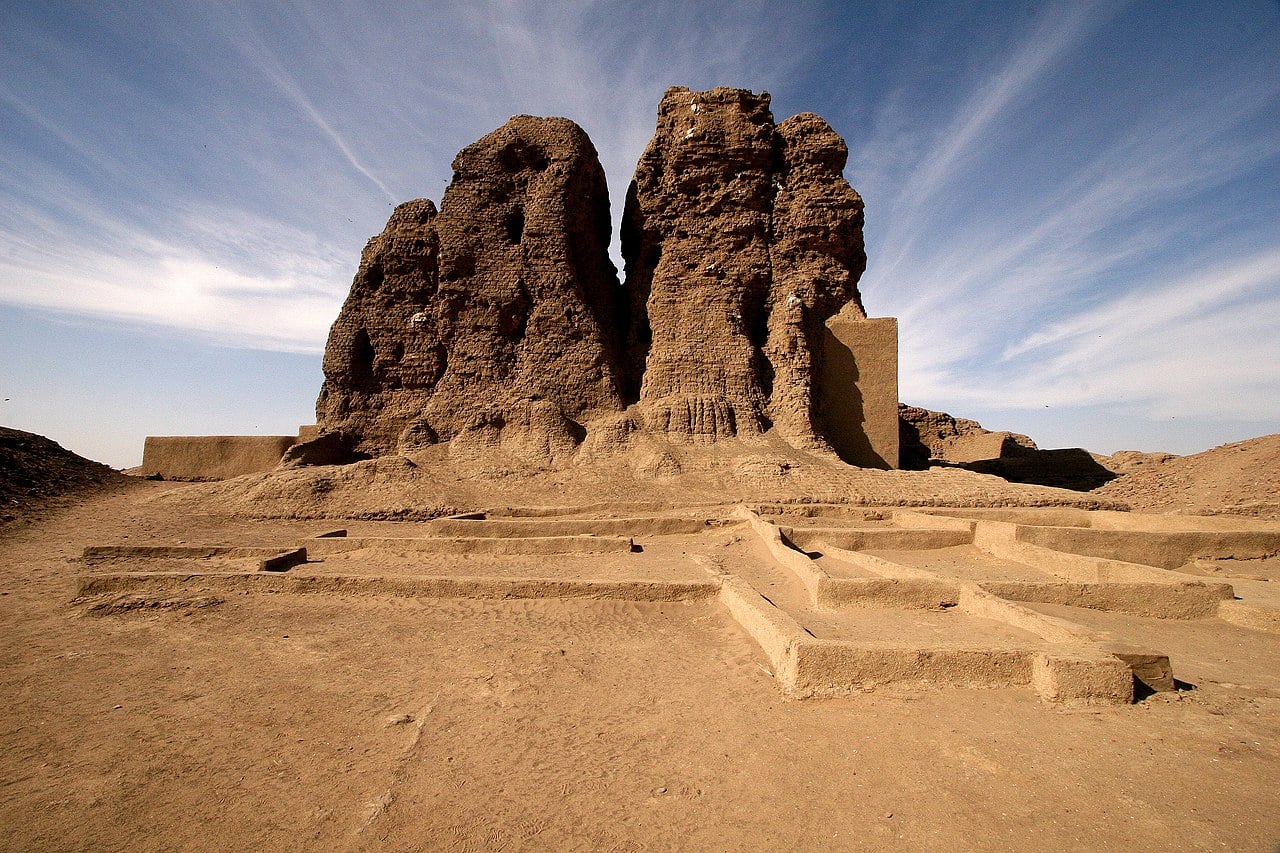
The Western Deffufa, a colossal mudbrick temple at the ancient Nubian capital of Kerma, Sudan

Wikimedia Commons (CC BY 2.0)

Continent Record

Earliest Known Site in Africa

都市

Kerma

Seyfi Cem Baskin

2500 紀元前 – 1500 紀元前

The capital of one of the earliest and most powerful kingdoms of ancient sub-Saharan Africa — a Nubian city on the Nile in what is now Sudan that flourished from roughly 2500 to 1500 BCE, rivaling and at times threatening pharaonic Egypt. Its centrepiece, the Western Deffufa, is a colossal mudbrick temple that remains one of the largest ancient man-made structures in Africa outside Egypt, and its royal tombs contained some of the most spectacular burials ever excavated in the Nile Valley.

41
関心 52

所在地

Northern State · Sudan

19.60°N · 30.41°E · アフリカ

Period

c. 2500–1500 BCE — capital of the first Nubian kingdom

Western Deffufa

Colossal mudbrick temple ~18 m high, one of Africa's largest ancient structures outside Egypt

Royal tombs

Tumuli up to 90 m across, with rich grave goods and hundreds of sacrificed retainers

Rivalry with Egypt

Allied with the Hyksos and raided Egypt before its conquest c. 1500 BCE

Doukki Gel statues

Cache of seven 25th-Dynasty "Black Pharaoh" statues found buried nearby in 2003

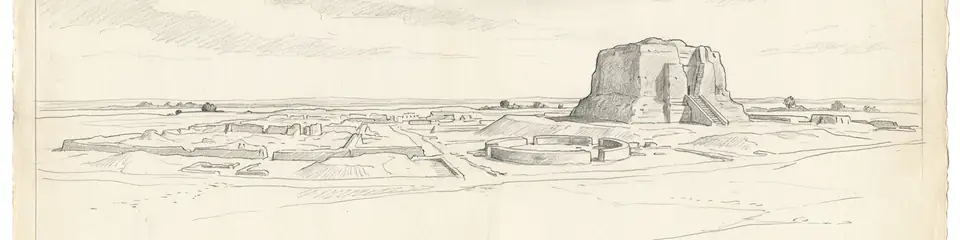
Graphite pencil sketch banner of Kerma

“Kerma decisively demonstrates that powerful, urbanised, centralised states arose in sub-Saharan Africa in deep antiquity, independent of and contemporary with the pyramid-building height of ancient Egypt — directly countering the long-standing and false assumption that complex African kingdoms were late developments or derivative of Egyptian or external influence.”

所在地

概要

Kerma lies on the east bank of the Nile in northern Sudan, just above the Third Cataract, in the region ancient Egyptians called Kush. From around 2500 BCE it grew into the capital of the Kerma culture — the first large-scale, centralised state to emerge in Nubia and one of the earliest urbanised kingdoms anywhere in sub-Saharan Africa. For roughly a thousand years, the Kingdom of Kerma controlled the trade in gold, ivory, ebony, and other prized goods flowing north from the African interior into Egypt, and grew powerful enough to become a serious rival — during Egypt's fragmented Second Intermediate Period, Kerma even allied with the Hyksos rulers of northern Egypt and raided deep into Egyptian territory.

The city is dominated by the Western Deffufa, an immense solid mudbrick structure roughly 18 metres high and covering some 1,500 square metres, interpreted as a monumental temple and the ceremonial heart of the city. Along with a second large mudbrick structure, the Eastern Deffufa (associated with the funerary quarter), it represents monumental architecture on a scale then unmatched in Africa south of Egypt, built entirely from mudbrick rather than stone yet surviving in substantial part for over three and a half thousand years.

Kerma's vast cemetery, excavated in the early 20th century by the American archaeologist George Reisner and later re-examined and greatly expanded upon by the Swiss archaeologist Charles Bonnet from the 1970s onward, has yielded some of the richest and most revealing burials in Nile Valley archaeology. The largest royal tombs took the form of enormous tumuli up to 90 metres in diameter, beneath which kings were interred with lavish grave goods — fine Kerma ware pottery renowned for its distinctive lustrous black-topped red beakers, inlaid furniture, weapons, and jewellery — and, strikingly, accompanied by hundreds of sacrificed retainers buried alongside the ruler, evidence of a powerful centralised authority commanding both wealth and human life on a large scale.

Charles Bonnet's decades of excavation also uncovered the remarkable nearby site of Doukki Gel, where in 2003 a cache of seven monumental granite statues of the later "Black Pharaohs" of the 25th Dynasty — Nubian kings who conquered and ruled all of Egypt in the 8th–7th centuries BCE — was discovered, deliberately buried, dramatically extending the known history of Nubian royal power at the site well beyond the Kerma period itself.

The Kingdom of Kerma was eventually conquered around 1500 BCE by the resurgent Egyptian New Kingdom under pharaohs including Thutmose I, who incorporated Nubia into the Egyptian empire — but the Nubian tradition of powerful Nile kingdoms that Kerma began would continue through the later Kingdom of Kush centred at Napata and Meroë, including the era when Nubian kings ruled Egypt itself. Kerma is part of Sudan's rich archaeological heritage, though it is not individually a UNESCO World Heritage Site.
重要性

Kerma decisively demonstrates that powerful, urbanised, centralised states arose in sub-Saharan Africa in deep antiquity, independent of and contemporary with the pyramid-building height of ancient Egypt — directly countering the long-standing and false assumption that complex African kingdoms were late developments or derivative of Egyptian or external influence. Kerma was Egypt's peer and rival, not its imitation. The scale of the royal tumuli, the monumental Deffufa temples, and above all the large-scale retainer sacrifice found in the royal tombs provide unambiguous archaeological evidence for a highly stratified society commanding enormous concentrations of wealth, labour, and coercive power — the material signature of a major early state, documented entirely through excavation since the Kerma culture left no deciphered written records of its own. As the founding chapter of a continuous Nubian tradition of Nile kingdoms that would eventually produce the "Black Pharaohs" who ruled Egypt itself in the 25th Dynasty, Kerma anchors the deep history of one of Africa's most important and long-lived centres of indigenous political power, connecting the third millennium BCE directly to the later Kushite empires of Napata and Meroë.

証拠と解釈

確立された事実と議論が続く事柄を区別する。

確立された事実

4
  • Excavation of the Kerma cemetery has documented royal tumuli up to 90 m in diameter containing lavish grave goods and the remains of hundreds of sacrificed retainers, confirming a highly stratified, centralised society.
  • The Western and Eastern Deffufa mudbrick structures survive as monumental architecture on a scale unmatched in sub-Saharan Africa during the third and second millennia BCE, confirmed by direct architectural survey.
  • A cache of seven monumental granite statues of 25th-Dynasty Nubian pharaohs was discovered deliberately buried at nearby Doukki Gel in 2003, extending the documented history of Nubian royal power at the site.
  • Egyptian textual sources of the Second Intermediate Period and New Kingdom reference conflict with the Kingdom of Kush centred at Kerma, corroborating its status as a major rival power and its eventual conquest around 1500 BCE.

学術的推論

1
  • The specific religious function of the Western Deffufa as a temple is inferred from its scale, layout, and associated features rather than from any surviving inscription, since the Kerma culture left no deciphered writing.

発見と発掘調査

1913–1916

George Reisner excavations

First major scientific excavation of Kerma and its cemetery, though its interpretation as an Egyptian outpost was later revised.

1977–2010

Charles Bonnet excavations

Decades of Swiss-led excavation re-establishing Kerma as an indigenous Nubian capital and uncovering the Doukki Gel royal statue cache in 2003.

コミュニティ写真

あなたの体験を共有する

この遺跡を訪れたことがありますか?写真をアップロードして魅力を共有しましょう。

関連記事

このページの引用方法

Atlas Anatolia. (2500). Kerma. Atlas Anatolia. https://atlasanatolia.com/ja/site/kerma

コンテンツはCC BY-SA 4.0ライセンスの下で提供されています — 再利用の際は出典表示が必要です。

グラフ

関連する遺跡やストーリーへのつながり。

出典

  • The Nubian Pharaohs: Black Kings on the Nile — Bonnet, Charles (2006)
  • Excavations at Kerma — Reisner, George A. (1923)
  • The Nubian Past: An Archaeology of the Sudan — Edwards, David N. (2004)

よくある質問

Kermaはどこにありますか?

KermaはNorthern State, Sudanに位置しています。

Kermaの年代はいつ頃ですか?

Kermaはおよそ2500 紀元前 – 1500 紀元前のものとされています。

Kermaはどの文明に関連していますか?

KermaはNubian / Kushite, Kerma Culture文明に関連しています。

Kermaが重要な理由は何ですか?

Kerma decisively demonstrates that powerful, urbanised, centralised states arose in sub-Saharan Africa in deep antiquity, independent of and contemporary with the pyramid-building height of ancient Egypt — directly countering the long-standing and false assumption that complex African kingdoms were late developments or derivative of Egyptian or external influence.

Kermaはユネスコ世界遺産ですか?

Kermaは現在ユネスコ世界遺産には登録されていません。