
コンテンツへスキップ
Atlas Anatolia
ニュースIce Age teeth in Sulawesi push betel-nut use back as far as 25,000 yearsRoman mosaic and Eros head uncovered in the basilica at Pompeiopolis, Kastamonu
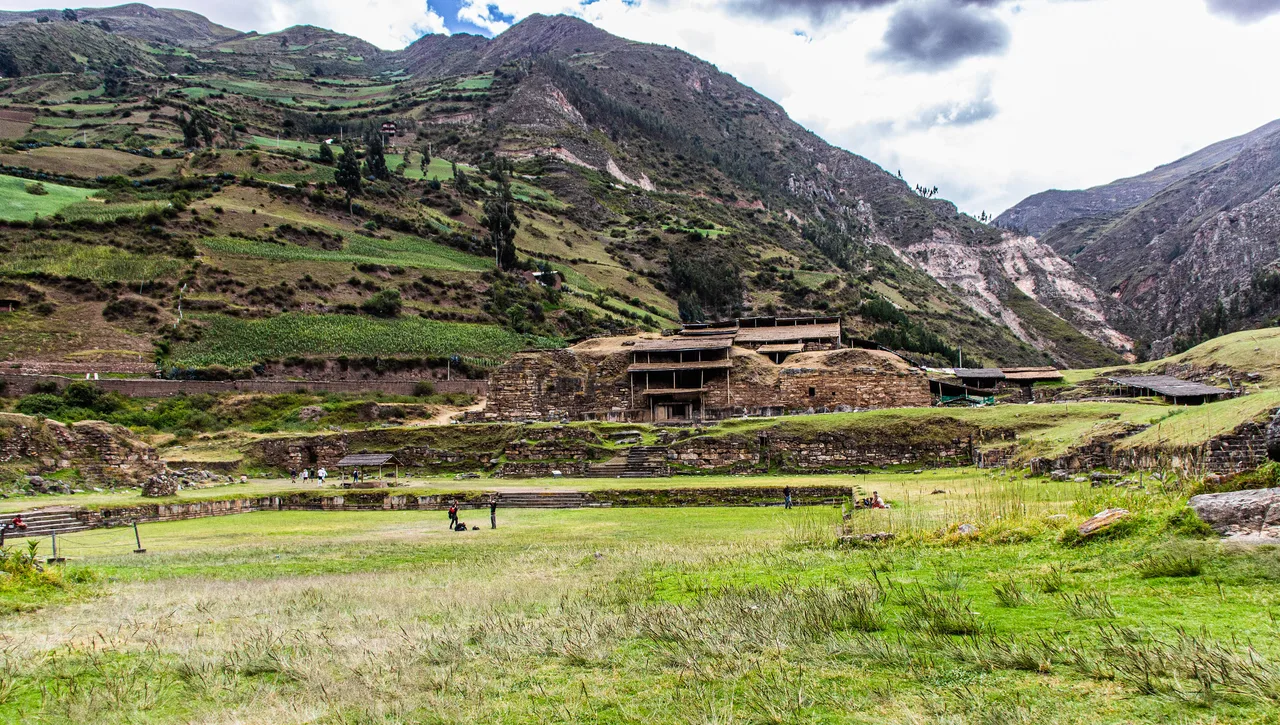
The stone platform complex of Chavin de Huantar in the Peruvian Andes

Wikimedia Commons

Continent Record

Earliest Known Site in South America

聖域UNESCO注目

Chavin de Huantar

Seyfi Cem Baskin

1200 紀元前 – 200 紀元前

The religious capital of the first major civilisation in South America — a ceremonial centre in the Peruvian Andes dating to 1200-200 BCE whose underground galleries, stone carvings, and oracle cult spread the Chavin art style across a vast network of Andean cultures, prefiguring the Inca by two millennia.

31
関心 58

所在地

ペルー

9.59°S · 77.18°W · 南アメリカ

Period

c. 1200-200 BCE (Chavin Horizon)

Altitude

3,177 m in the Cordillera Blanca, Peru

Lanzon

4.5-metre granite monolith of the jaguar deity at the heart of the Old Temple

Influence

Chavin art style spread from Ecuador to Chile — first pan-Andean culture

Ritual

Underground galleries designed for sound and light effects; San Pedro cactus residues found

UNESCO

World Heritage Site 1985

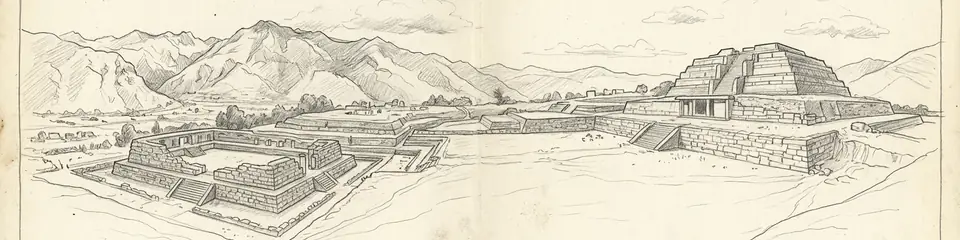
Graphite pencil sketch banner of Chavin de Huantar

“Chavin de Huantar is the mother site of Andean civilisation.”

所在地

概要

Chavin de Huantar stands at 3,177 metres altitude in a narrow valley where two rivers meet in the Cordillera Blanca of central Peru. Between approximately 1200 and 200 BCE it was the most important ceremonial and pilgrimage site in the Andes — the origin point of what archaeologists call the Chavin Horizon, the first pan-Andean cultural tradition, which spread a distinctive art style, iconography, and religious system across a territory stretching from Ecuador to Chile.

The site is dominated by two stone platform complexes — the Old Temple and the New Temple — whose interiors contain an extraordinary system of narrow underground galleries lit by a ventilation system and drainage canals designed to prevent flooding. At the heart of the Old Temple stands the Lanzon, a 4.5-metre-tall granite monolith carved with a composite supernatural being combining human, jaguar, caiman, and eagle attributes — the principal deity of the Chavin cult. Pilgrims entering the dark galleries, after consuming the San Pedro cactus (a mescaline source), may have experienced transformative visions amplified by the thunderous sound of water channelled through the stone drains.

The outer facades and galleries are decorated with stone tenon heads — carved faces in various stages of supernatural transformation — and the Chavin style is characterised by its "kenning" technique: concealing additional figures within the visual elements of a primary image so that looking closely reveals a hidden world. This artistic complexity was influential for centuries. UNESCO inscribed Chavin de Huantar in 1985.

重要性

Chavin de Huantar is the mother site of Andean civilisation. Its religious system — the Chavin cult, with its jaguar deity, hallucinogenic rituals, and complex iconographic programme — was the first ideology to transcend local boundaries and create a shared spiritual world across the Andes, laying the conceptual groundwork for all subsequent Andean civilisations including the Inca. The architectural and hydraulic engineering at Chavin is remarkable: underground galleries with controlled sound, light, and water, used to amplify the sensory experience of ritual, represent a level of psychological and technical sophistication rarely acknowledged for pre-ceramic societies. Chavin is also the oldest confirmed use of psychoactive substances in a clearly defined ritual architectural context in the Americas, making it a key site for understanding the deep history of shamanism and altered-state ritual.

証拠と解釈

確立された事実と議論が続く事柄を区別する。

確立された事実

3
  • Radiocarbon dating places the main construction phases between c. 1200 and 500 BCE; residues of San Pedro cactus (mescaline source) have been found in ceramic containers within the ceremonial contexts.
  • The underground gallery system with controlled drainage canals has been fully mapped; acoustic tests confirm that the channelled water creates a resonant roar within the galleries, consistent with an intentional sensory effect.
  • The Chavin art style (jaguar-human composites, kenning technique) has been documented at sites across the Andes from Ecuador to southern Peru and northern Chile, confirming a pan-regional cultural horizon.

学術的推論

1
  • The site's function as an oracle — where pilgrims received divine pronouncements mediated by transformed priests — is inferred from the architecture (hidden galleries, sound effects) and analogy with later Andean oracle traditions; no written evidence survives.

コミュニティ写真

あなたの体験を共有する

この遺跡を訪れたことがありますか?写真をアップロードして魅力を共有しましょう。

このページの引用方法

Atlas Anatolia. (1200). Chavin de Huantar. Atlas Anatolia. https://atlasanatolia.com/ja/site/chavin-de-huantar

コンテンツはCC BY-SA 4.0ライセンスの下で提供されています — 再利用の際は出典表示が必要です。

出典

  • Chavin and the Origins of Andean Civilisation — Burger, Richard L. (1992)
  • Architectural Sequence and Chronology at Chavin de Huantar, Peru — Kembel, Silvia Rodriguez (2001)

よくある質問

Chavin de Huantarはどこにありますか?

Chavin de HuantarはPeruに位置しています。

Chavin de Huantarの年代はいつ頃ですか?

Chavin de Huantarはおよそ1200 紀元前 – 200 紀元前のものとされています。

Chavin de Huantarはどの文明に関連していますか?

Chavin de HuantarはChavin文明に関連しています。

Chavin de Huantarが重要な理由は何ですか?

Chavin de Huantar is the mother site of Andean civilisation.

Chavin de Huantarはユネスコ世界遺産ですか?

はい — Chavin de Huantarはユネスコ世界遺産に登録されています。