
Vai al contenuto
Atlas Anatolia
NotizieIce Age teeth in Sulawesi push betel-nut use back as far as 25,000 yearsRoman mosaic and Eros head uncovered in the basilica at Pompeiopolis, Kastamonu
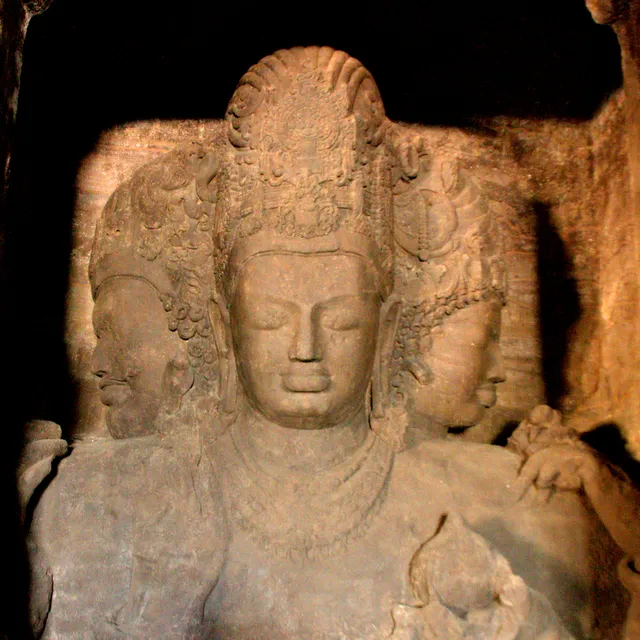
The Trimurti Shiva sculpture in the main cave at Elephanta Island

Wikimedia Commons

TempioUNESCO

Elephanta Caves

Seyfi Cem Baskin

घारापुरी लेणी500 d.C. – 800 d.C.

Rock-cut Shaiva temples on Elephanta Island in Mumbai Harbour — famous for the 6-metre Trimurti Shiva and colonnaded main cave — among India's most visited ancient sites and a UNESCO World Heritage monument reached by ferry from the Gateway of India.

21
Interesse 71

Posizione

India

18.96°N · 72.93°E · Asia

Main cave

Cave 1 — Great Cave with Trimurti Shiva panel

Trimurti height

~5.5 m three-faced Shiva sculpture

Access

Ferry from Gateway of India, Mumbai (~1 hour)

UNESCO

World Heritage Site (1987)

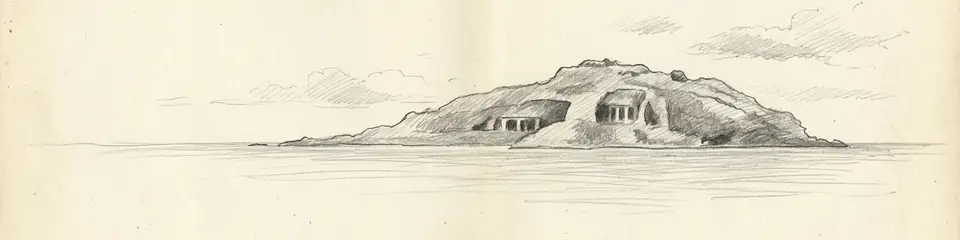
Graphite pencil sketch banner of Elephanta Caves

Elephanta's Trimurti is the iconic image of early medieval Hindu sculpture — a colossal theological programme carved in situ on an island gateway to the subcontinent's greatest modern port.”

Posizione

Panoramica

The Elephanta Caves occupy Gharapuri ("city of caves"), an island in Mumbai Harbour about 10 kilometres east of the Gateway of India, Maharashtra. The principal Cave 1 (Great Cave) dates to the 6th–8th centuries CE and contains a massive sculpted panel of Shiva as Trimurti (three-faced creator–preserver–destroyer) roughly 5.5 metres high, flanked by ardhanarishvara, Gangadhara, and other Shaiva scenes carved from living basalt.

Portuguese colonists named the island Elephanta after a stone elephant they found; the figure now stands at the Bhau Daji Lad Museum in Mumbai. The caves were defaced during Portuguese rule but remain the supreme example of early medieval western Indian rock-cut architecture. Smaller caves and unfinished excavations dot the hill.

The Archaeological Survey of India manages the site; UNESCO inscribed the Elephanta Caves in 1987. Daily ferries carry thousands of visitors from Mumbai, making it one of the most accessible major rock-cut complexes in India.

Perché è importante

Elephanta's Trimurti is the iconic image of early medieval Hindu sculpture — a colossal theological programme carved in situ on an island gateway to the subcontinent's greatest modern port. The site documents the spread of Shaiva royal patronage on the Konkan coast contemporary with Badami, Ellora, and Mahabalipuram.

Evidenze e interpretazione

Distinguere ciò che è ben consolidato da ciò che rimane dibattuto.

Fatti ben consolidati

2
  • Stylistic analysis dates the Great Cave sculptures to the 6th–8th centuries CE, contemporary with early western Deccan rock-cut temples.
  • Portuguese accounts from the 16th century document the island, cave defacement, and the stone elephant that gave the site its European name.

Deduzioni accademiche

1
  • Royal patronage is attributed to Kalachuri or Rashtrakuta spheres on stylistic grounds; no founding inscription survives in the main cave.

Foto della comunità

Condividi la tua esperienza

Hai visitato questo sito? Carica le tue foto per aiutare gli altri a scoprirlo.

Come citare questa pagina

Atlas Anatolia. (500). Elephanta Caves. Atlas Anatolia. https://atlasanatolia.com/it/site/elephanta-caves

Contenuto con licenza CC BY-SA 4.0 — è richiesta l'attribuzione in caso di riutilizzo.

Fonti

  • The Art of Ancient IndiaHuntington, Susan L. (1985)
  • UNESCO — Elephanta CavesCollegamento

Domande frequenti

Dove si trova Elephanta Caves?

Elephanta Caves si trova in India.

A quando risale Elephanta Caves?

Elephanta Caves risale all'incirca al 500 d.C. – 800 d.C..

Quali civiltà sono associate a Elephanta Caves?

Elephanta Caves è associato alla civiltà Vedic Indian, Gupta.

Perché Elephanta Caves è importante?

Elephanta's Trimurti is the iconic image of early medieval Hindu sculpture — a colossal theological programme carved in situ on an island gateway to the subcontinent's greatest modern port.

Elephanta Caves è un sito Patrimonio Mondiale dell'UNESCO?

Sì — Elephanta Caves è iscritto nella lista del Patrimonio Mondiale dell'UNESCO.