
सामग्री पर जाएँ
Atlas Anatolia
समाचारसुलावेसी में हिमयुगीन दाँतों से सुपारी के उपयोग का प्रमाण 25,000 वर्ष पुरानापोम्पेइओपोलिस, कस्तमोनू के बेसिलिका में रोमन मोज़ेक और इरोस का सिर मिला
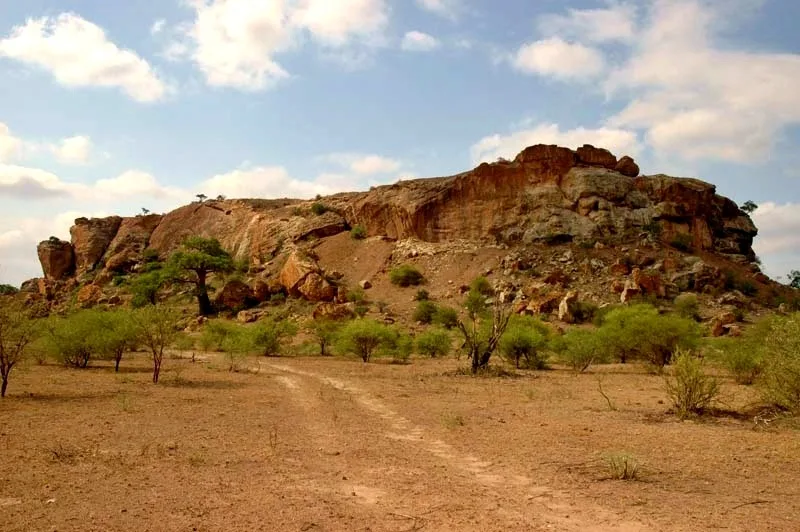
Mapungubwe Hill rising above the Limpopo floodplain, South Africa

Wikimedia Commons

Continent Record

Southernmost Known Site in Africa

बस्तीयूनेस्को

Mapungubwe

Seyfi Cem Baskin

900 ईस्वी – 1290 ईस्वी

The first kingdom in southern Africa — a hilltop royal capital at the confluence of the Limpopo and Shashe rivers that produced the famous gold rhinoceros figurine and flourished from the 10th to 13th centuries, predating and shaping Great Zimbabwe.

31
रुचि 59

स्थान

दक्षिण अफ़्रीका

22.20°S · 29.37°E · अफ्रीका

Period

c. 900-1290 CE

Significance

First class-stratified kingdom in southern Africa

Gold objects

Gold rhinoceros, bowl, and sceptre from royal burials

Pattern

Established the Zimbabwe Culture hilltop-palace model

Rediscovery

1932; suppressed under apartheid to conceal pre-colonial complexity

UNESCO

World Heritage Site 2003

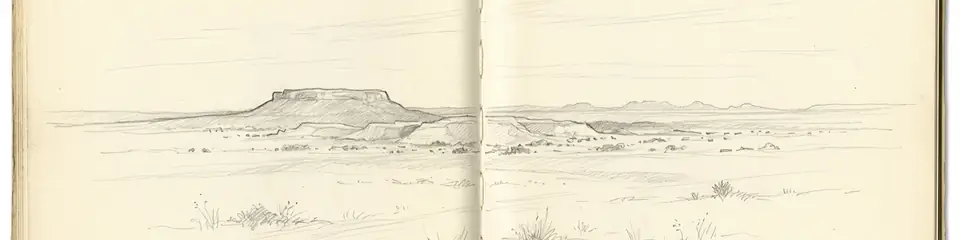
Graphite pencil sketch banner of Mapungubwe

“Mapungubwe is the earliest evidence of a class-stratified kingdom in southern Africa, predating the better-known Great Zimbabwe by at least a century.”

स्थान

अवलोकन

Mapungubwe Hill rises abruptly from the Limpopo floodplain at the point where the borders of modern South Africa, Zimbabwe, and Botswana converge. Between approximately 900 and 1290 CE it was the capital of the first complex state in southern Africa — a kingdom controlling trade in ivory, gold, and copper and connected to the Indian Ocean world through the Swahili coast.

The site is distinguished by the deliberate separation of the ruling elite from the general population. The king and court lived atop the inaccessible sandstone hill (accessible only via a hidden cleft in the rock), while the population occupied the plains below. This spatial segregation of power is the earliest known example of the Zimbabwe Pattern of rulership later elaborated at Great Zimbabwe.

The most spectacular finds from the royal graves atop the hill are gold objects: a gold-foil rhinoceros, bowl, and sceptre, created by wrapping beaten gold over carved wooden cores. The rhinoceros is now South Africa's premier national symbol, displayed at the University of Pretoria. The graves also yielded glass beads from India and China, confirming long-distance trade. Mapungubwe was designated a UNESCO World Heritage Site in 2003.

यह क्यों महत्वपूर्ण है

Mapungubwe is the earliest evidence of a class-stratified kingdom in southern Africa, predating the better-known Great Zimbabwe by at least a century. Its royal gold objects — especially the iconic gold rhinoceros — demonstrate artistic and technical sophistication of the highest order and refuted colonial claims that complex indigenous civilisations did not exist in southern Africa. The site established the Zimbabwe Culture pattern of hilltop royal enclosures that shaped political organisation across the southern African plateau for centuries. Its suppression under apartheid (kept secret to avoid contradicting racial ideologies) adds a powerful layer of historical meaning: Mapungubwe is both an archaeological treasure and a symbol of recovered African history.

साक्ष्य और व्याख्या

जो सुस्थापित है और जो विवादास्पद है, उनमें अंतर करना।

सुस्थापित तथ्य

3
  • Royal burials atop Mapungubwe Hill yielded gold-foil objects (rhinoceros, bowl, sceptre) alongside glass beads from India and China, directly confirming elite wealth and long-distance trade.
  • The inaccessible hilltop enclosure, reached only via a hidden rock cleft, is the earliest known example of the Zimbabwe Pattern of spatial segregation between royalty and commoners.
  • Radiocarbon dates from the site cluster between 1020 and 1270 CE, consistent with the peak of political and economic power inferred from trade-good distributions.

विद्वानों के अनुमान

1
  • Decline around 1290 is tentatively linked to the Medieval Cool Period reducing agricultural productivity, combined with the northward shift of Indian Ocean trade toward Great Zimbabwe; no written records confirm the cause.

समुदाय तस्वीरें

अपना अनुभव साझा करें

क्या आपने इस स्थल का दौरा किया है? दूसरों को इसे खोजने में मदद करने के लिए अपनी तस्वीरें अपलोड करें।

इस पृष्ठ को कैसे उद्धृत करें

Atlas Anatolia. (900). Mapungubwe. Atlas Anatolia. https://atlasanatolia.com/hi/site/mapungubwe

सामग्री CC BY-SA 4.0 के अंतर्गत लाइसेंस प्राप्त है — पुनः उपयोग करते समय श्रेय देना आवश्यक है।

स्रोत

  • Mapungubwe: Ancient African Civilisation on the Limpopo — Huffman, Thomas (2005)
  • The Archaeology of Mapungubwe Hill — Meyer, Alet (1998)

अक्सर पूछे जाने वाले प्रश्न

Mapungubwe कहाँ स्थित है?

Mapungubwe, South Africa में स्थित है।

Mapungubwe कितना पुराना है?

Mapungubwe लगभग 900 ईस्वी – 1290 ईस्वी काल का है।

Mapungubwe किन सभ्यताओं से जुड़ा है?

Mapungubwe, Mapungubwe Culture सभ्यता से संबंधित है।

Mapungubwe क्यों महत्वपूर्ण है?

Mapungubwe is the earliest evidence of a class-stratified kingdom in southern Africa, predating the better-known Great Zimbabwe by at least a century.

क्या Mapungubwe एक यूनेस्को विश्व धरोहर स्थल है?

हाँ — Mapungubwe यूनेस्को विश्व धरोहर स्थल के रूप में सूचीबद्ध है।