1500 av. J.-C. – 1300 apr. J.-C. · 6 sites
1000 av. J.-C. – 400 apr. J.-C.
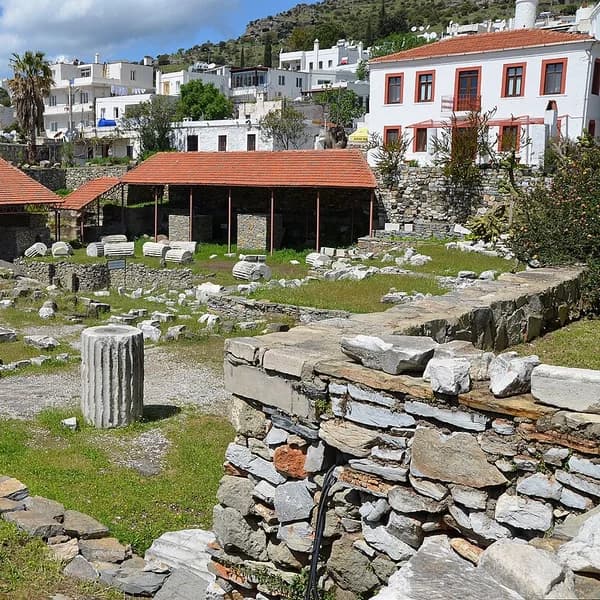
Home to the Mausoleum at Halicarnassus — one of the Seven Wonders of the Ancient World — and birthplace of Herodotus, the "Father of History," this Carian-Greek city remains one of the most storied places on the Aegean coast.
600 av. J.-C. – 1200 apr. J.-C.
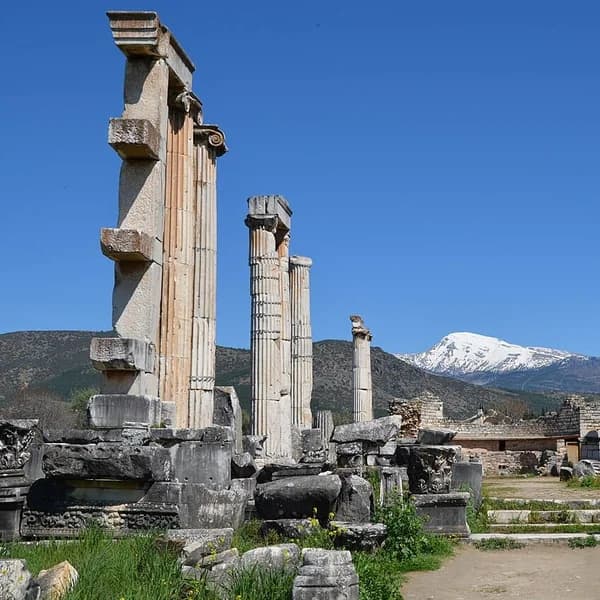
A Greco-Roman city famed for its marble sculpture workshops, the Temple of Aphrodite, and a remarkably well-preserved stadium seating 30,000.
900 av. J.-C. – 400 apr. J.-C.
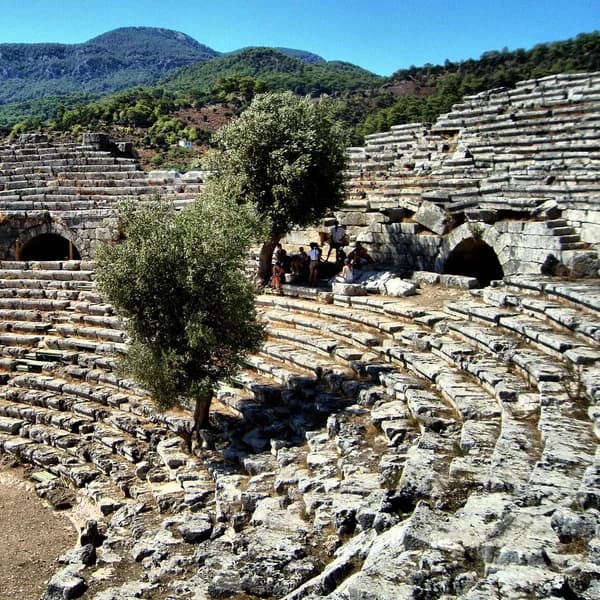
An ancient harbor city famous for its magnificent Lycian rock-cut tombs carved into cliff faces above the Dalyan River — one of the most iconic archaeological vistas in Turkey.
300 av. J.-C. – 1300 apr. J.-C.
A remarkably well-preserved Hellenistic and Roman city in Caria, unique for being partially inhabited by the modern village of Eskihisar, creating a living landscape where ancient and contemporary coexist.
Country Record
Known by the Most Names in Türkiye
500 av. J.-C. – 400 apr. J.-C.
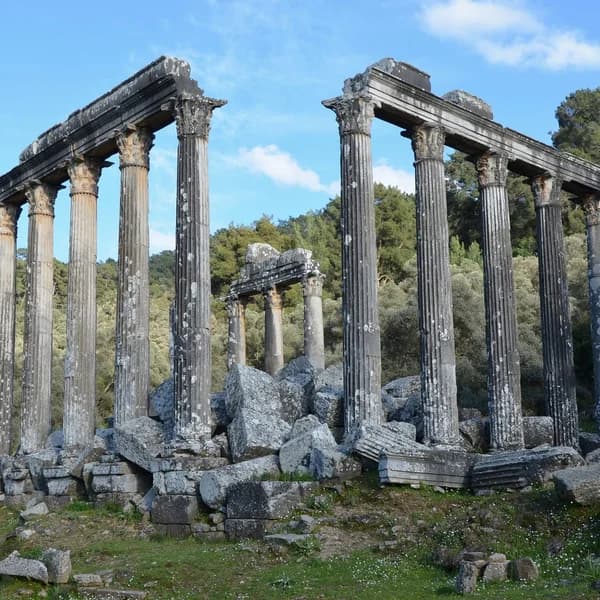
Home to one of the best-preserved ancient temples in Anatolia — the Temple of Zeus Lepsynos stands with 16 of its original Corinthian columns intact amid an olive grove, a hauntingly beautiful sight.
1500 av. J.-C. – 600 apr. J.-C.
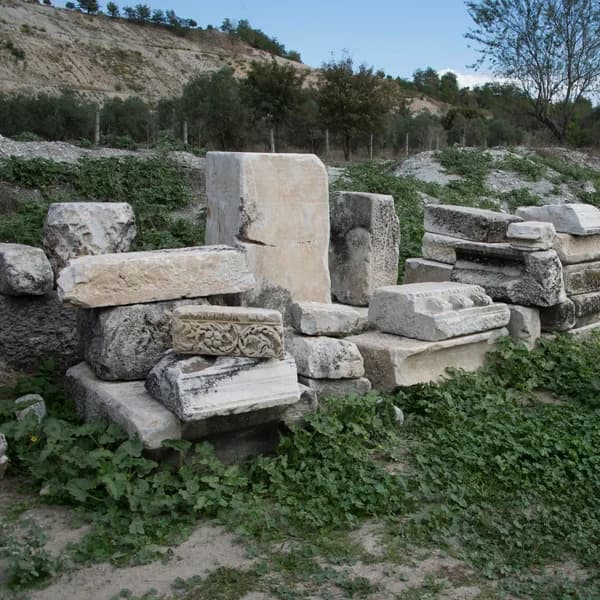
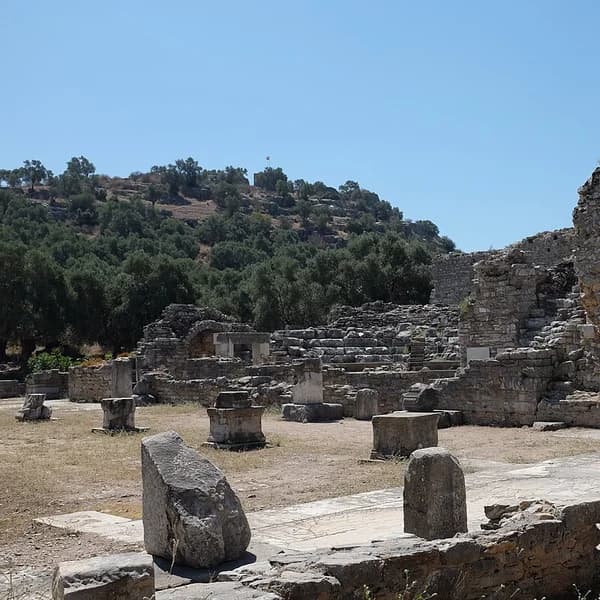
A Carian fishing city on a fortified peninsula jutting into the Gulf of Güllük, famous in antiquity for its abundant fish and red marble, with a well-preserved Roman agora and evidence of settlement stretching back to the Bronze Age.