
Aller au contenu
Atlas Anatolia
ActualitésIce Age teeth in Sulawesi push betel-nut use back as far as 25,000 yearsRoman mosaic and Eros head uncovered in the basilica at Pompeiopolis, Kastamonu
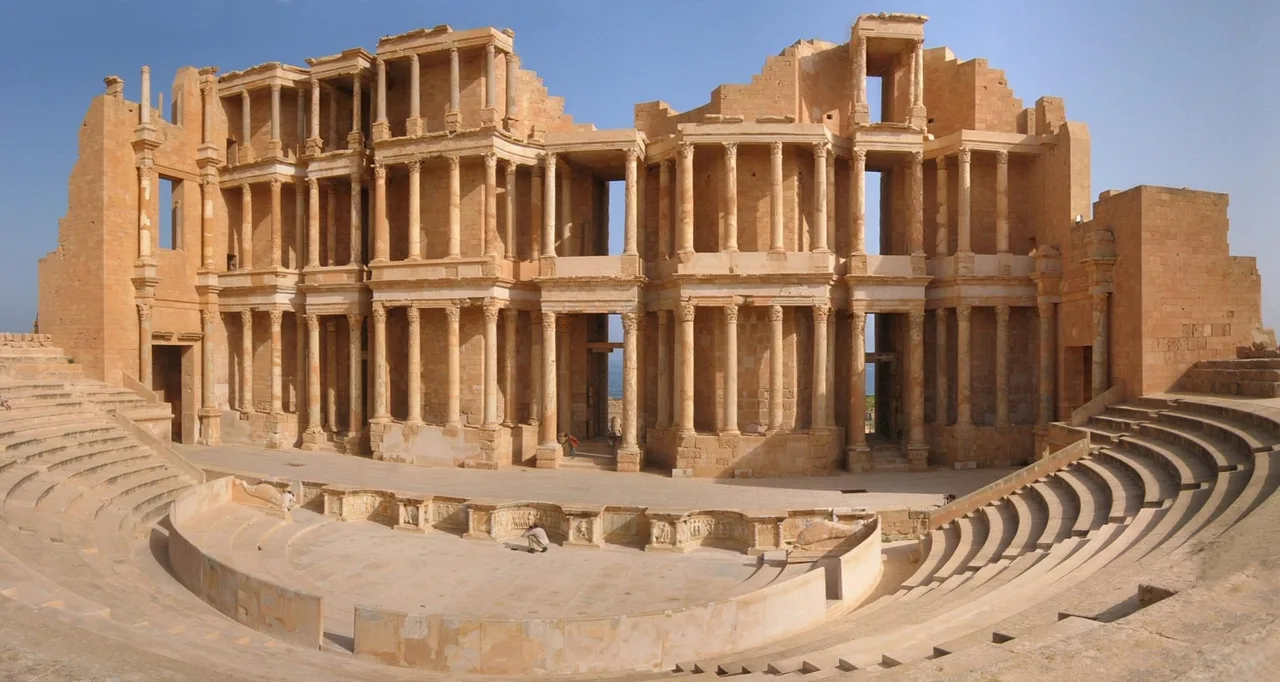
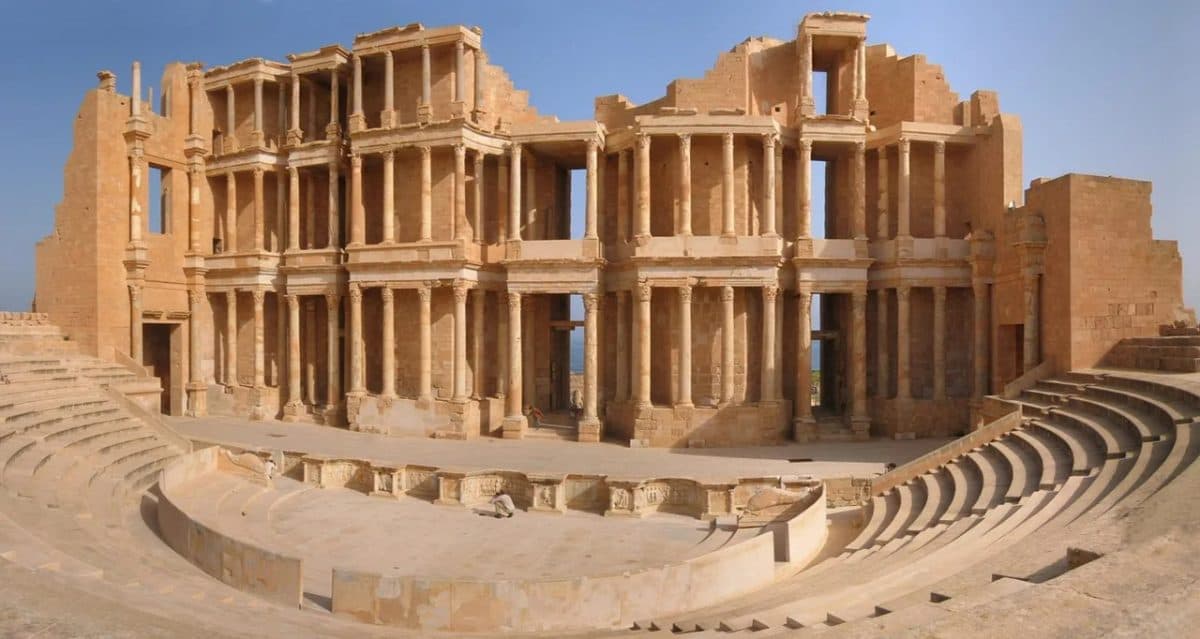
The Roman theatre at Sabratha facing the Mediterranean Sea

Wikimedia Commons

Country Record

Earliest Known Site in Libya

CitéUNESCO

Sabratha

Seyfi Cem Baskin

صبرata500 av. J.-C. – 647 apr. J.-C.

A Punic trading post turned Roman city on the Libyan coast west of Tripoli, famous for its exceptionally preserved theatre facing the sea, mosaic-rich insulae, and the monumental Temple of Liber Pater — one of the most photogenic Roman archaeological sites on the southern Mediterranean shore.

21
Intérêt 55

Localisation

Zawiya District · Tripolitania · Libye

32.79°N · 12.49°E · Afrique

Origin

Phoenician trading post, c. 6th–5th century BCE

Peak

2nd–3rd century CE under Roman emperors

Highlight

Theatre with three-storey stage building facing the sea

UNESCO

World Heritage Site 1982

Graphite pencil sketch banner of Sabratha

“Sabratha illustrates the full arc of North African urbanism from Punic commercial settlement through Roman imperial prosperity — essential for understanding Rome's African provinces beyond Carthage.”

Localisation

Aperçu

Sabratha lies on a promontory on the Mediterranean coast of northwestern Libya, roughly 70 kilometres west of Tripoli. The site was originally a Phoenician trading settlement, probably established in the 6th–5th century BCE, before developing into a major Roman city under the empire.

Under Roman rule Sabratha became an important port in the province of Africa Proconsularis (later Tripolitania), exporting olive oil, garum (fish sauce), and agricultural products. The city reached its architectural peak in the 2nd and 3rd centuries CE, when emperors including Antoninus Pius and Septimius Severus (himself born in nearby Leptis Magna) patronised major building projects.
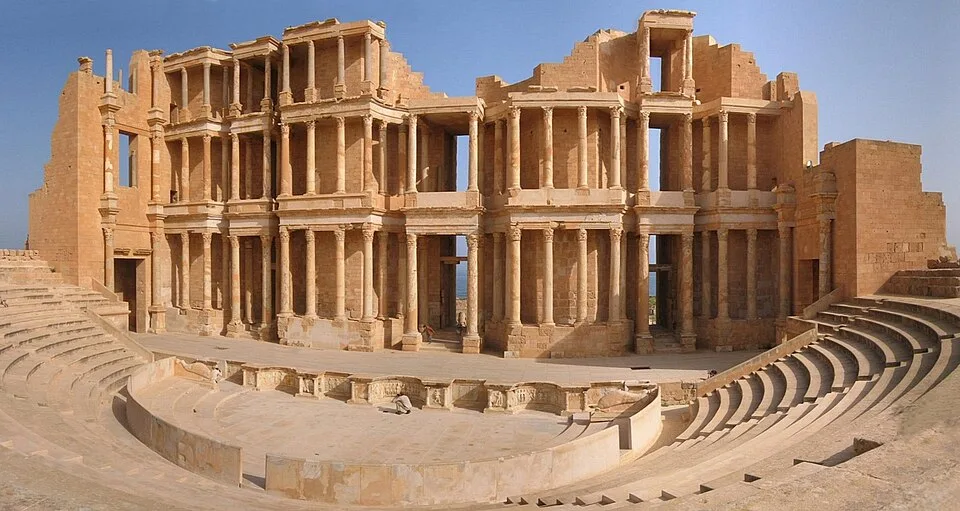
Theatre of Sabratha, Libya
Theatre of Sabratha, Libya | Wikimedia Commons (CC BY-SA 2.0)
"The theatre at Sabratha, with its stage building facing the sea, is among the most beautiful monuments of Roman Africa."
— Archaeological summary, UNESCO World Heritage inscription, 1982

The theatre, rebuilt in the 2nd century CE with a three-storey scaenae frons (stage building) facing directly toward the sea, is among the most spectacular Roman theatres in Africa. Nearby stand the Forum Temple (Temple of Liber Pater), basilicas, baths decorated with mosaics, and residential quarters. Sabratha was damaged in earthquakes in the 4th century and declined after the Vandal and Byzantine periods.
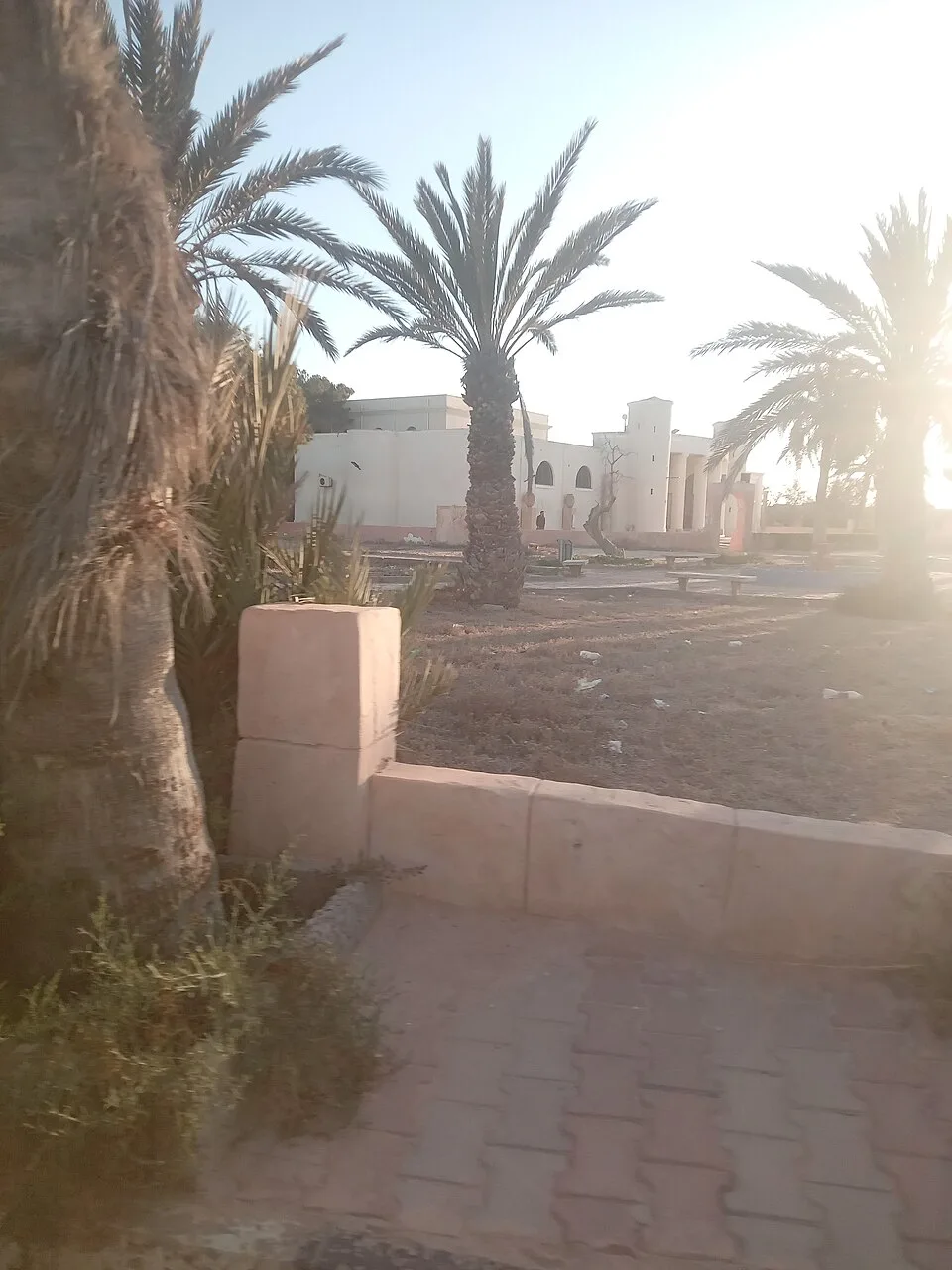
Roman Museum, Sabratha (68372)
Roman Museum, Sabratha (68372) | رامز ليفل الوحش (CC BY 4.0)

Italian archaeologists excavated extensively from the 1920s onward; the site is part of the UNESCO World Heritage listing "Archaeological Site of Sabratha" (1982).
Pourquoi c'est important

Sabratha illustrates the full arc of North African urbanism from Punic commercial settlement through Roman imperial prosperity — essential for understanding Rome's African provinces beyond Carthage. Its theatre and temple complex rank among the finest Roman monuments on the Mediterranean's southern rim, preserving architectural detail that many better-known sites have lost. As part of Tripolitania's UNESCO group alongside Leptis Magna and Oea (Tripoli), Sabratha completes the picture of Roman Libya's coastal urban network.

Preuves et interprétation

Distinguer ce qui est bien établi de ce qui reste débattu.

Faits bien établis

2
  • The 2nd-century CE theatre with its scaenae frons is among the best-preserved Roman theatres in North Africa.
  • Mosaic floors and insulae document wealthy Roman residential life at the site.

Inférences savantes

1
  • Punic-phase occupation predates visible Roman monumental architecture but is less extensively excavated.

Photos de la communauté

Partagez votre expérience

Avez-vous visité ce site ? Téléchargez vos photos pour aider les autres à le découvrir.

Récits liés

Comment citer cette page

Atlas Anatolia. (500). Sabratha. Atlas Anatolia. https://atlasanatolia.com/fr/site/sabratha

Contenu sous licence CC BY-SA 4.0 — attribution requise en cas de réutilisation.

Graphique

Connexions avec des sites et récits associés.

Sources

  • Tripolitania — Mattingly, D. J. (1995)
  • UNESCO — Archaeological Site of SabrathaLien

Questions fréquentes

Où se trouve Sabratha ?

Sabratha est situé à/en Zawiya District, Tripolitania, Libya.

De quand date Sabratha ?

Sabratha remonte approximativement à 500 av. J.-C. – 647 apr. J.-C..

Quelles civilisations sont associées à Sabratha ?

Sabratha est associé à la civilisation Carthaginian / Phoenician, Roman.

Pourquoi Sabratha est-il important ?

Sabratha illustrates the full arc of North African urbanism from Punic commercial settlement through Roman imperial prosperity — essential for understanding Rome's African provinces beyond Carthage.

Sabratha est-il inscrit au patrimoine mondial de l'UNESCO ?

Oui — Sabratha est inscrit sur la liste du patrimoine mondial de l'UNESCO.