
Aller au contenu
Atlas Anatolia
ActualitésIce Age teeth in Sulawesi push betel-nut use back as far as 25,000 yearsRoman mosaic and Eros head uncovered in the basilica at Pompeiopolis, Kastamonu
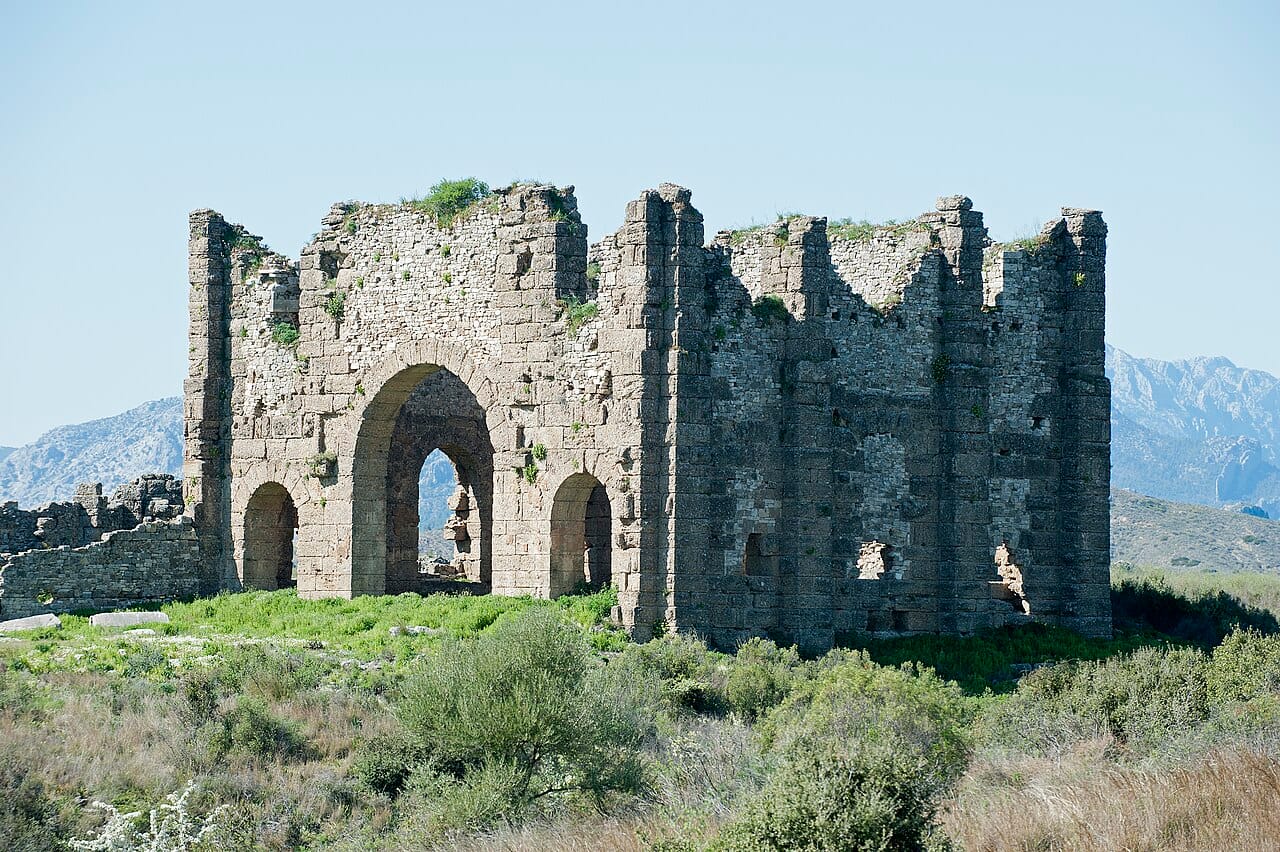
The perfectly preserved Roman theatre at Aspendos

Wikimedia Commons (CC BY-SA)

Cité

Aspendos

Seyfi Cem Baskin

1000 av. J.-C. – 1300 apr. J.-C.

Home to the best-preserved Roman theatre in the world, seating 15,000. The theatre's acoustics are so perfect that a coin dropped on stage can be heard from the top row.

21
Intérêt 55

Localisation

Antalya · Mediterranean · Turquie

36.94°N · 31.17°E · Asie

Theatre Capacity

~15,000

Built

161–180 CE

Architect

Zenon

Status

Still used for performances

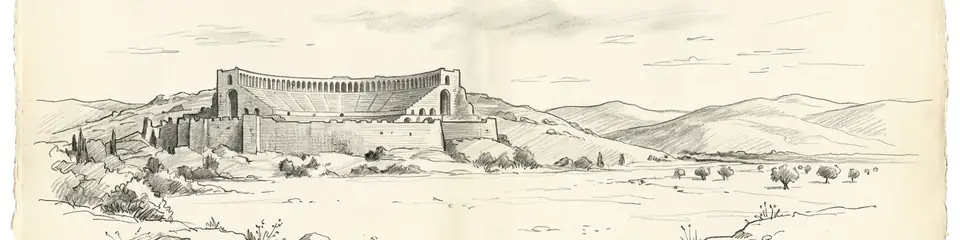
Graphite pencil sketch banner of Aspendos

“The Theatre of Aspendos is the gold standard for Roman theatre preservation worldwide.”

De Wikipédia

Aspendos was an ancient Greco-Roman city in Antalya province of Turkey. It is notable for having the best-preserved theatre of antiquity.

Lire l'article complet sur Wikipédia →

Localisation

Aperçu

Aspendos was an ancient Greco-Roman city in Pamphylia, located near the modern village of Belkıs in Antalya Province. The city was founded around the 10th century BCE and prospered under Persian, Hellenistic, and Roman rule.

The Theatre of Aspendos, built during the reign of Marcus Aurelius (161–180 CE) by the architect Zenon, is the best-preserved ancient theatre in the world. Its remarkable state of preservation is partly due to its continuous use as a Seljuk caravanserai in the 13th century, which involved adding stonework that inadvertently protected the structure.

"The theatre of Aspendos is the best preserved in all the ancient world — it is a marvel of Roman engineering."
— Atatürk, on visiting Aspendos, 1930

The theatre seats approximately 15,000 spectators and retains its original stage building, acoustic design, and most of its seating. It continues to be used for performances today, including the annual Aspendos International Opera and Ballet Festival.

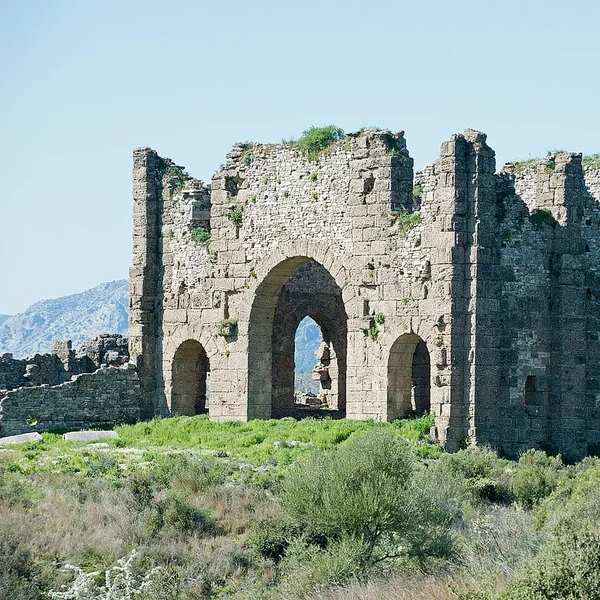
Beyond the theatre, Aspendos was a major commercial hub. Its acropolis features the remains of a basilica, agora, nymphaeum, and a monumental fountain connected to one of antiquity's most sophisticated pressurized water systems, delivered via a lengthy aqueduct. The city minted distinctive silver coins depicting two wrestlers, a symbol of local identity. Its prosperity was built on trade, particularly salt from the nearby Eurymedon River (modern Kopruçay) and agricultural products like wine and olive oil. The city declined in the Byzantine era, likely due to Arab raids and a shift in trade routes, but its theatre endured through Seljuk adaptation.
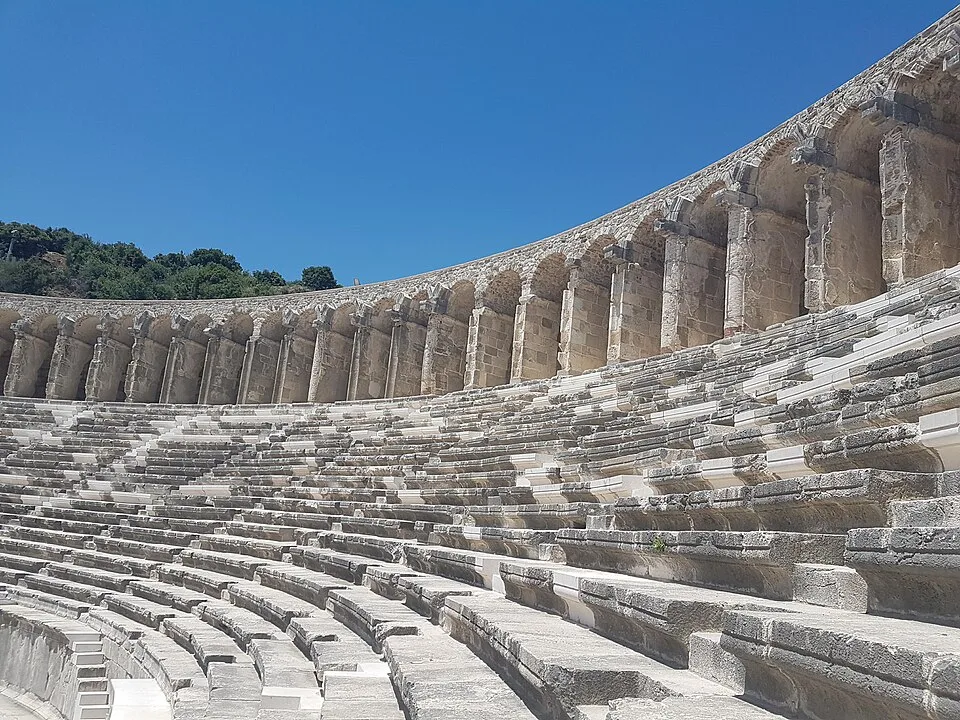
Aspendos Theatre, Turkey (39045)
Aspendos Theatre, Turkey (39045) | Lee Vilenski (CC BY-SA 4.0)

Beyond the theatre, Aspendos was a major economic hub, famous for its high-quality silver coinage minted from the 5th century BCE onward. The city's advanced hydraulic engineering is exemplified by its 15 km-long aqueduct, featuring a monumental inverted siphon bridge that carried water across a valley to the acropolis. This system supplied the monumental nymphaeum, baths, and fountains, showcasing Roman urban luxury. The city's acropolis features a well-preserved basilica, agora, and a striking market building (macellum), outlining a prosperous urban center. Aspendos began to decline in the 3rd century CE, likely due to silting of the Eurymedon River hindering trade and regional political instability. Its final significant use was as a Seljuk frontier outpost and caravanserai before being largely abandoned by the late medieval period.

Pourquoi c'est important

The Theatre of Aspendos is the gold standard for Roman theatre preservation worldwide. Its near-complete state provides unmatched insight into Roman theatrical architecture, engineering, and acoustics. The site demonstrates how Seljuk-era reuse inadvertently preserved a Roman structure — a rare example of cross-cultural architectural conservation. As a complete urban entity with a world-class theatre, advanced hydraulic engineering, and a known economic base, Aspendos offers a holistic case study of a prosperous Roman provincial city. Its preservation allows for detailed analysis of Roman construction techniques, urban planning, and the long-term interaction between classical and medieval Anatolian civilizations.

Preuves et interprétation

Distinguer ce qui est bien établi de ce qui reste débattu.

Faits bien établis

2
  • The theatre was built during the reign of Marcus Aurelius (161–180 CE) based on inscriptions.
  • The Seljuks used the theatre as a caravanserai in the 13th century, adding stonework repairs.

Inférences savantes

1
  • The architect Zenon designed the theatre based on a dedicatory inscription.

Découverte et fouilles

1871

First documentation

Dirigé par Charles de Vogüé

Count Charles-Jean-Melchior de Vogüé documented the theatre.

Photos de la communauté

Partagez votre expérience

Avez-vous visité ce site ? Téléchargez vos photos pour aider les autres à le découvrir.

Comment citer cette page

Atlas Anatolia. (1000). Aspendos. Atlas Anatolia. https://atlasanatolia.com/fr/site/aspendos

Contenu sous licence CC BY-SA 4.0 — attribution requise en cas de réutilisation.

Lire l'article complet sur World History Encyclopedia
World History Encyclopedia · CC BY-NC-SA

Sources

  • Roman Theatres: An Architectural Study — Frank Sear (2006)

Questions fréquentes

Où se trouve Aspendos ?

Aspendos est situé à/en Antalya, Mediterranean, Türkiye.

De quand date Aspendos ?

Aspendos remonte approximativement à 1000 av. J.-C. – 1300 apr. J.-C..

Quelles civilisations sont associées à Aspendos ?

Aspendos est associé à la civilisation Greek, Roman.

Pourquoi Aspendos est-il important ?

The Theatre of Aspendos is the gold standard for Roman theatre preservation worldwide.

Aspendos est-il inscrit au patrimoine mondial de l'UNESCO ?

Aspendos n'est pas actuellement inscrit sur la liste du patrimoine mondial de l'UNESCO.