
Saltar al contenido
Atlas Anatolia
NoticiasIce Age teeth in Sulawesi push betel-nut use back as far as 25,000 yearsRoman mosaic and Eros head uncovered in the basilica at Pompeiopolis, Kastamonu
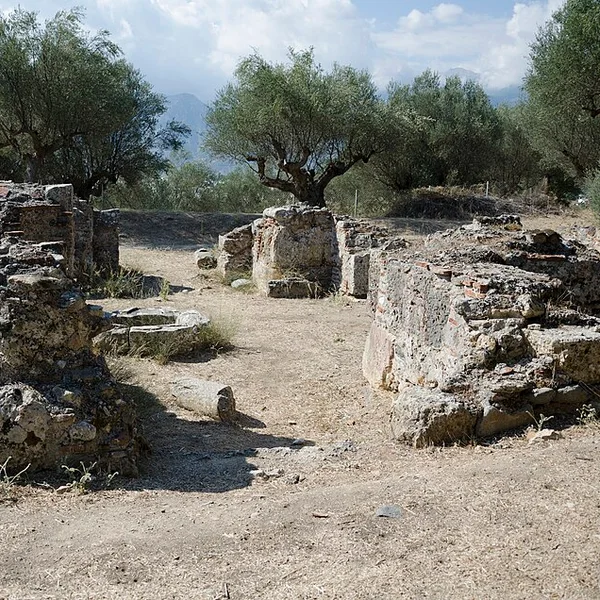
Ancient theatre and acropolis remains at Sparta

Wikimedia Commons (CC BY-SA 4.0)

Récord nacional

Oldest City in Greece

Ciudad

Sparta

Seyfi Cem Baskin

Σπάρτη900 a. C. – 600 d. C.

Capital of ancient Lacedaemon, the militarised polis that rivals Athens in legend and Hollywood. Archaeological remains are sparser than Corinth or Mycenae, yet the acropolis, theatre, and sanctuary of Artemis Orthia ground the stories of Helen, Menelaus, and the warriors who march through Homer's Trojan War.

21
Interés 79

Ubicación

Grecia

37.08°N · 22.43°E · Europa

Region

Laconia, Eurotas River valley

Mythic figures

Helen, Menelaus, Castor and Pollux

Visible remains

Acropolis theatre, Athena Chalkioikos site

Museum

Sparta Archaeological Museum nearby

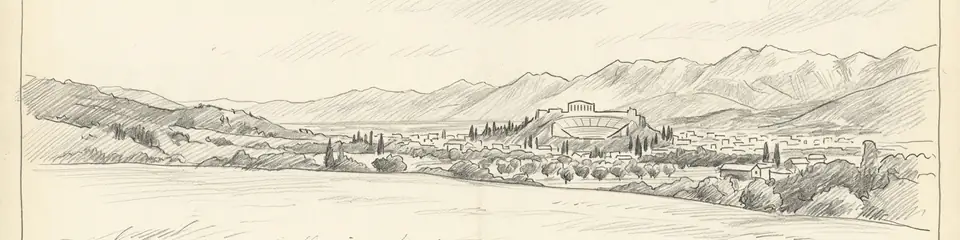
Graphite pencil sketch banner of Sparta

Sparta shows how a city famous worldwide can leave a surprisingly thin archaeological signature, reminding us that mythic fame and stone ruins do not always scale together.”

Ubicación

Resumen

Sparta lies in the Eurotas River valley of Laconia, surrounded by mountains that encouraged isolation and hard training. Ancient writers idealised and feared Spartans in equal measure: austere citizens, helot farmers, two kings, and armies said to obey commands without question. Helen, whose abduction launches the Iliad's conflict, was mythically Spartan; Menelaus ruled here before pursuing Paris to Troy.

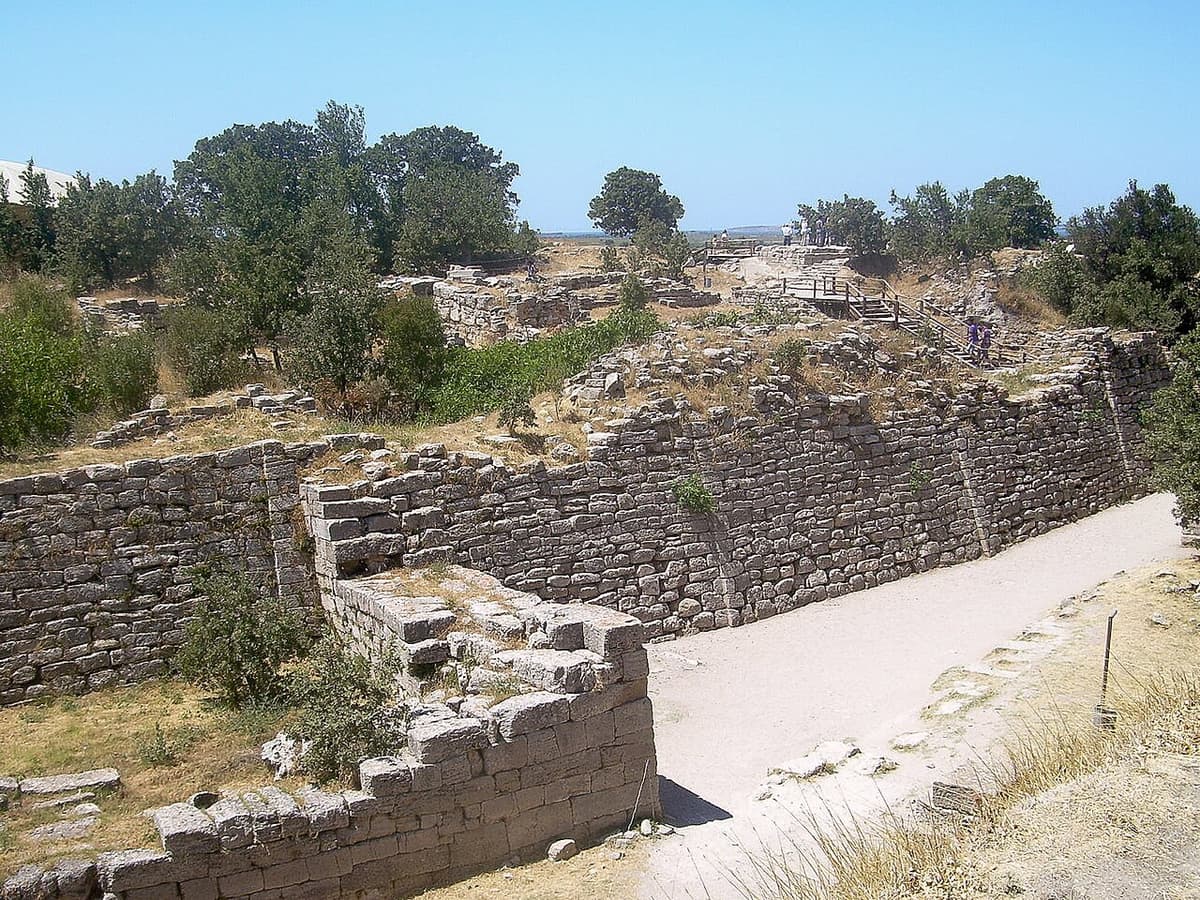
Do not expect Pompeii-like streets. Spartans lived modestly by design; later earthquakes and Byzantine rebuilding erased much. The archaeological site on the acropolis includes a Roman theatre, the remains of the Temple of Athena Chalkioikos, and stoas later visitors used. Nearby, the sanctuary of Artemis Orthia produced thousands of votive lead figurines from ritual dances that could turn brutal.
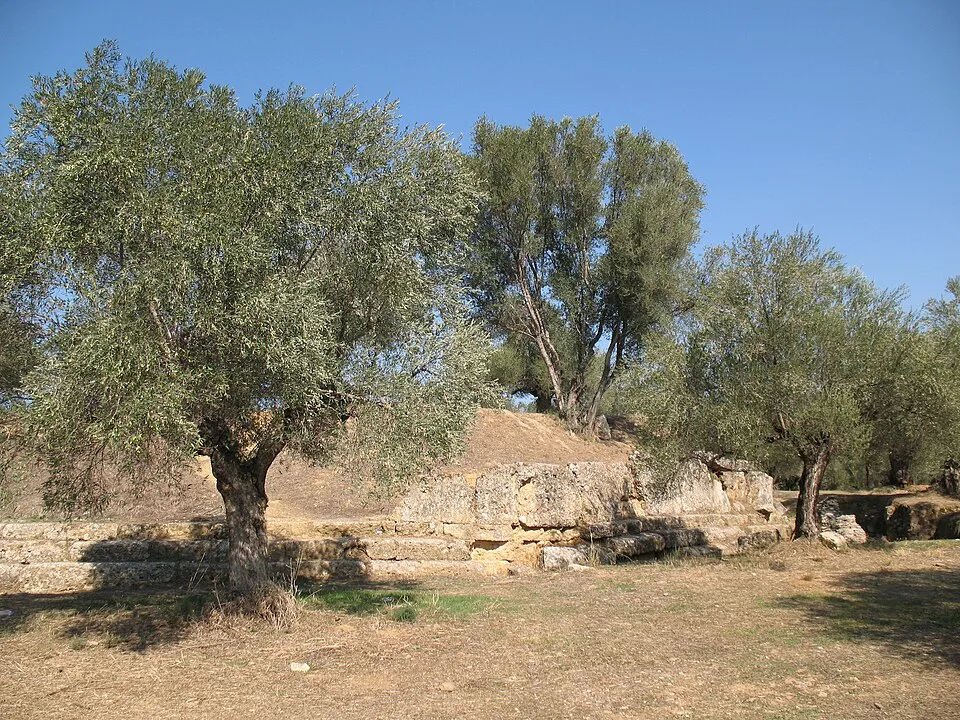
Acropolis of ancient Sparta - panoramio - macrolepis
Acropolis of ancient Sparta - panoramio - macrolepis | macrolepis (CC BY 3.0)
"Sparta is not walled with towers; her men are the wall, and they lie not asleep but stand armed on the borders."
— Attributed to Lycurgus in later tradition; paraphrase of Spartan austerity topos

The Sparta Archaeological Museum collects sculpture, pottery, and inscriptions that fill gaps left on the ground. For Homeric tourism, Sparta completes the Peloponnesian triangle with Mycenae (Agamemnon) and Palace of Nestor (Nestor). Film productions sometimes film Laconian landscapes when they need austere mountains behind bronze-age armies.
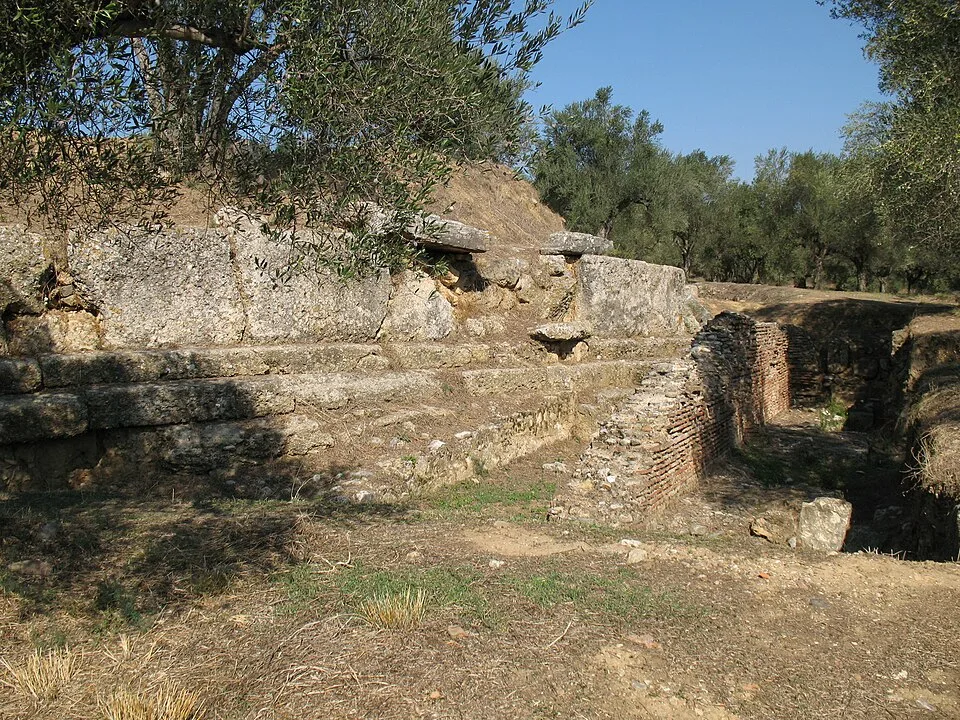
Acropolis of ancient Sparta - panoramio - macrolepis (1)
Acropolis of ancient Sparta - panoramio - macrolepis (1) | macrolepis (CC BY 3.0)

Sparta rewards readers of myth more than hunters of marble grandeur. Come for context, museum cases, and the odd thrill of standing where Thucydides and Plutarch argued about virtue and empire.
Por qué es importante

Sparta shows how a city famous worldwide can leave a surprisingly thin archaeological signature, reminding us that mythic fame and stone ruins do not always scale together. It is indispensable for any reader tracing the Iliad's Spartan characters back to a real polis in Laconia.

Evidencia e interpretación

Distinguir lo bien establecido de lo que sigue en debate.

Hechos bien establecidos

2
  • Classical and Roman phase remains are excavated on the acropolis and at Artemis Orthia.
  • Ancient authors identify Sparta as Helen's homeland in the Trojan War tradition.

Inferencias académicas

1
  • Sparse monumental ruins reflect Spartan austerity and later destruction more than insignificance.

Fotos de la comunidad

Comparte tu experiencia

¿Has visitado este sitio? Sube tus fotos para ayudar a otros a descubrirlo.

Historias relacionadas

Cómo citar esta página

Atlas Anatolia. (900). Sparta. Atlas Anatolia. https://atlasanatolia.com/es/site/sparta

Contenido bajo licencia CC BY-SA 4.0 — se requiere atribución al reutilizar.

Gráfico

Conexiones con sitios e historias relacionados.

Fuentes

  • Sparta and LakoniaCartledge, Paul (2002)
  • Description of Greece, Book III (Laconia)Pausanias (150)

Preguntas frecuentes

¿Dónde se encuentra Sparta?

Sparta se encuentra en Greece.

¿Qué antigüedad tiene Sparta?

Sparta se fecha aproximadamente en 900 a. C. – 600 d. C..

¿Qué civilizaciones se relacionan con Sparta?

Sparta se relaciona con Greek.

¿Por qué es importante Sparta?

Sparta shows how a city famous worldwide can leave a surprisingly thin archaeological signature, reminding us that mythic fame and stone ruins do not always scale together.

¿Sparta es Patrimonio Mundial de la UNESCO?

Sparta no está inscrito actualmente en la Lista del Patrimonio Mundial de la UNESCO.