
تخط إلى المحتوى
Atlas Anatolia
أخبارأسنان من العصر الجليدي في سولاويزي تدفع استخدام التنبول إلى ما يصل إلى 25,000 عاماكتشاف فسيفساء رومانية ورأس إيروس في بازيليكا بومبيوبوليس، كاستامونو
Aerial view of the Mosque–Cathedral of Córdoba and the Guadalquivir

Wikimedia Commons (CC BY-SA 4.0)

تراثمعبداليونسكومميز

Mosque–Cathedral of Córdoba

Seyfi Cem Baskin

Mezquita-Catedral de Córdoba785 م – 1600 م

The hypostyle forest of Umayyad Córdoba — striped arches over Roman and Visigothic spolia — later pierced by a Renaissance cathedral nave, is among the most important surviving monuments of medieval Islamic Spain.

21
اهتمام 79

الموقع

إسبانيا

37.88°N · 4.78°W · أوروبا

Founded

785–786, Abd al-Rahman I

Mihrab

Al-Hakam II, 961–976

Cathedral conversion

1236; Renaissance nave 16th c.

UNESCO

Historic Centre of Córdoba

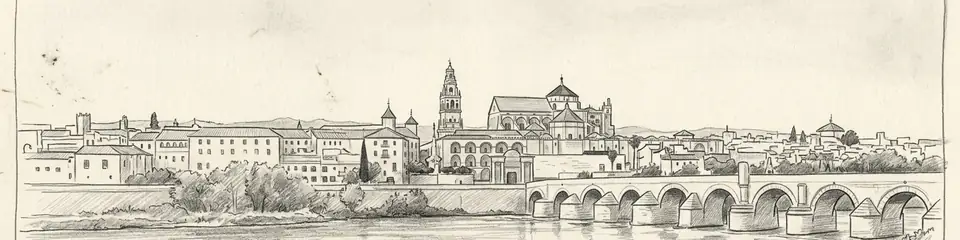
Graphite pencil sketch banner of Mosque–Cathedral of Córdoba

“Córdoba’s mosque is the architectural manifesto of Umayyad al-Andalus and a rare case where a major Islamic ritual space survives largely intact beneath later Christian insertions.”

الموقع

نظرة عامة

The Great Mosque of Córdoba was founded in 785–786 under Abd al-Rahman I on the site of a Visigothic church tradition. Successive Umayyad enlargements under Abd al-Rahman II, Al-Hakam II, and Almanzor created a vast hypostyle hall of superimposed horseshoe arches on recycled columns, culminating in Al-Hakam’s luminous maqsura and mihrab (961–976). After the Christian conquest of 1236 the building became a cathedral; in the 16th century a towering cruciform nave and transept were inserted into the prayer hall, producing the hybrid Mosque–Cathedral visible today.

The Patio de los Naranjos, bell tower rising from the former minaret, and the Cordoban marble and jasper of the mihrab remain key experiences. UNESCO protects the Mosque–Cathedral within the Historic Centre of Córdoba. Pair with the Alhambra and Topkapi Palace for contrasting Islamic court architectures of the western and eastern Mediterranean.

لماذا يهم

Córdoba’s mosque is the architectural manifesto of Umayyad al-Andalus and a rare case where a major Islamic ritual space survives largely intact beneath later Christian insertions. It anchors debates about reuse, conquest, and heritage identity in medieval Iberia.

الأدلة والتفسير

التمييز بين ما هو راسخ وما لا يزال موضع نقاش.

حقائق راسخة

2
  • Dated Arabic inscriptions, endowment texts, and stratified fabric record the successive Umayyad expansions and the post-1236 cathedral conversion.
  • Column shafts and capitals include identifiable Roman and Visigothic spolia reused in the hypostyle grid.

تفسيرات متنازع عليها

1
  • The exact footprint of any pre-Islamic church beneath the first mosque remains incompletely resolved archaeologically.

صور المجتمع

شارك تجربتك

هل قمت بزيارة هذا الموقع؟ ارفع صورك لمساعدة الآخرين في اكتشافه.

كيفية الاستشهاد بهذه الصفحة

Atlas Anatolia. (785). Mosque–Cathedral of Córdoba. Atlas Anatolia. https://atlasanatolia.com/ar/site/mosque-cathedral-cordoba

المحتوى مرخّص بموجب CC BY-SA 4.0 — يجب ذكر المصدر عند إعادة الاستخدام.

المصادر

  • Architecture and Ideology in Early Medieval Spain — Dodds, Jerrilynn D. (1990)
  • UNESCO — Historic Centre of Córdobaرابط

الأسئلة الشائعة

أين يقع Mosque–Cathedral of Córdoba؟

يقع Mosque–Cathedral of Córdoba في Spain.

كم يبلغ عمر Mosque–Cathedral of Córdoba؟

يعود تاريخ Mosque–Cathedral of Córdoba إلى حوالي 785 م – 1600 م.

ما هي الحضارات المرتبطة بـ Mosque–Cathedral of Córdoba؟

يرتبط Mosque–Cathedral of Córdoba بحضارة Islamic / Medieval, Umayyad.

لماذا يعتبر Mosque–Cathedral of Córdoba مهماً؟

Córdoba’s mosque is the architectural manifesto of Umayyad al-Andalus and a rare case where a major Islamic ritual space survives largely intact beneath later Christian insertions.

هل Mosque–Cathedral of Córdoba موقع تراث عالمي لليونسكو؟

نعم — Mosque–Cathedral of Córdoba مدرج في قائمة التراث العالمي لليونسكو.