
تخط إلى المحتوى
Atlas Anatolia
أخبارأسنان من العصر الجليدي في سولاويزي تدفع استخدام التنبول إلى ما يصل إلى 25,000 عاماكتشاف فسيفساء رومانية ورأس إيروس في بازيليكا بومبيوبوليس، كاستامونو
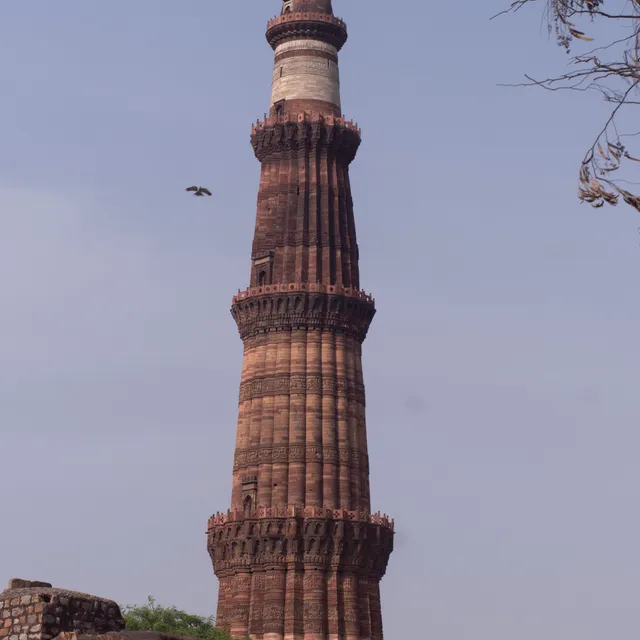
The Qutb Minar tower and Quwwat-ul-Islam mosque ruins, Delhi

Wikimedia Commons

تراثمجمع معمارياليونسكومميز

Qutb Minar

Seyfi Cem Baskin

क़ुतुब मीनार1192 م – 1316 م

The 72-metre tapering victory tower and mosque complex at Mehrauli, Delhi — begun by Qutb al-Din Aibak after 1192 — marking the arrival of Indo-Islamic architecture in northern India and among the most visited ASI monuments in the country.

21
اهتمام 77

Minar height

~72.5 m; five storeys of sandstone and marble

Begun

1192 CE after Tarain; mosque by Qutb al-Din Aibak

Iron Pillar

Gupta-era pillar (~402 CE) with Sanskrit inscription

UNESCO

Qutb Minar and its Monuments (1993)

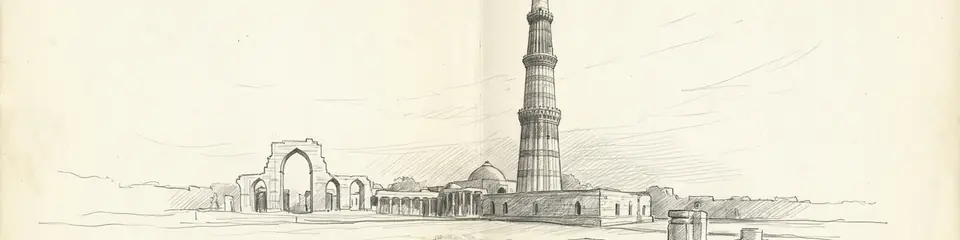
Graphite pencil sketch banner of Qutb Minar

“The Qutb Minar is the earliest major Indo-Islamic monument in India — the physical beginning of Sultanate and Mughal Delhi.”

الموقع

نظرة عامة

The Qutb Minar complex occupies Mehrauli in south Delhi, the site of Lal Kot, an earlier Hindu and Jain city. After Muhammad of Ghor's victory at Tarain (1192), his general Qutb al-Din Aibak established Delhi Sultanate power and began the Quwwat-ul-Islam mosque (1192–1193) using spolia from demolished temples — visible in carved columns in the courtyard. The minar itself was started by Aibak and completed by Iltutmish and later rulers; the five-storey red sandstone and marble tower rises about 72.5 metres with projecting balconies.

The complex includes the Alai Darwaza gate (1311), Alai Minar (unfinished), the Iron Pillar of Chandragupta II (Gupta, 4th century CE, moved here), and tombs of Iltutmish and Imam Zamin. Earthquakes and lightning damaged upper storeys; Firoz Shah Tughlaq and the British restored sections in the 14th and 19th centuries.

UNESCO listed the Qutb Minar and its Monuments, Delhi in 1993 alongside Humayun's Tomb. The tower is the defining silhouette of early Sultanate Delhi and a mandatory stop on India's Golden Triangle route.

لماذا يهم

The Qutb Minar is the earliest major Indo-Islamic monument in India — the physical beginning of Sultanate and Mughal Delhi. Its reuse of temple spolia documents both destruction and creative adaptation at the moment of political transition in the Ganges plain.

الأدلة والتفسير

التمييز بين ما هو راسخ وما لا يزال موضع نقاش.

حقائق راسخة

2
  • Inscriptions name Qutb al-Din Aibak, Iltutmish, and later sultans as builders and restorers of the minar and mosque.
  • Architectural analysis confirms reused Hindu–Jain carved columns in the mosque courtyard and Sultanate arcuate forms.

تفسيرات متنازع عليها

1
  • Whether the minar was primarily a victory tower, call to prayer, or solar observatory remains discussed in art-historical literature.

صور المجتمع

شارك تجربتك

هل قمت بزيارة هذا الموقع؟ ارفع صورك لمساعدة الآخرين في اكتشافه.

كيفية الاستشهاد بهذه الصفحة

Atlas Anatolia. (1192). Qutb Minar. Atlas Anatolia. https://atlasanatolia.com/ar/site/qutb-minar

المحتوى مرخّص بموجب CC BY-SA 4.0 — يجب ذكر المصدر عند إعادة الاستخدام.

المصادر

  • Architecture of Mughal India — Asher, Catherine B. (1992)
  • UNESCO — Qutb Minarرابط

الأسئلة الشائعة

أين يقع Qutb Minar؟

يقع Qutb Minar في India.

كم يبلغ عمر Qutb Minar؟

يعود تاريخ Qutb Minar إلى حوالي 1192 م – 1316 م.

ما هي الحضارات المرتبطة بـ Qutb Minar؟

يرتبط Qutb Minar بحضارة Islamic / Medieval, Delhi Sultanate.

لماذا يعتبر Qutb Minar مهماً؟

The Qutb Minar is the earliest major Indo-Islamic monument in India — the physical beginning of Sultanate and Mughal Delhi.

هل Qutb Minar موقع تراث عالمي لليونسكو؟

نعم — Qutb Minar مدرج في قائمة التراث العالمي لليونسكو.