
تخط إلى المحتوى
Atlas Anatolia
أخبارأسنان من العصر الجليدي في سولاويزي تدفع استخدام التنبول إلى ما يصل إلى 25,000 عاماكتشاف فسيفساء رومانية ورأس إيروس في بازيليكا بومبيوبوليس، كاستامونو
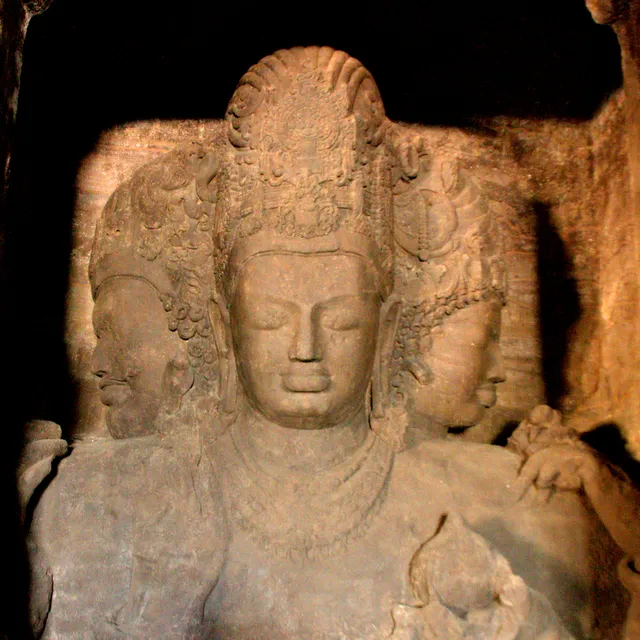
The Trimurti Shiva sculpture in the main cave at Elephanta Island

Wikimedia Commons

معبداليونسكو

Elephanta Caves

Seyfi Cem Baskin

घारापुरी लेणी500 م – 800 م

Rock-cut Shaiva temples on Elephanta Island in Mumbai Harbour — famous for the 6-metre Trimurti Shiva and colonnaded main cave — among India's most visited ancient sites and a UNESCO World Heritage monument reached by ferry from the Gateway of India.

21
اهتمام 71

Main cave

Cave 1 — Great Cave with Trimurti Shiva panel

Trimurti height

~5.5 m three-faced Shiva sculpture

Access

Ferry from Gateway of India, Mumbai (~1 hour)

UNESCO

World Heritage Site (1987)

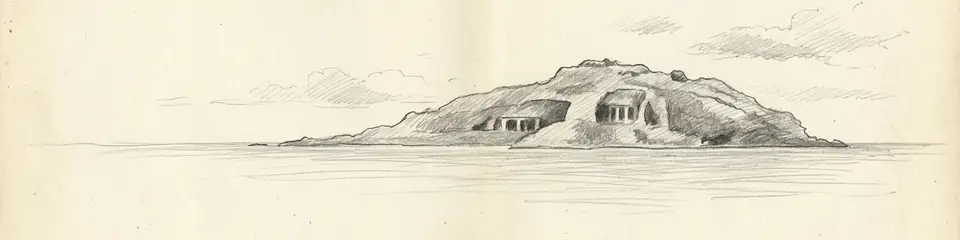
Graphite pencil sketch banner of Elephanta Caves

“Elephanta's Trimurti is the iconic image of early medieval Hindu sculpture — a colossal theological programme carved in situ on an island gateway to the subcontinent's greatest modern port.”

الموقع

نظرة عامة

The Elephanta Caves occupy Gharapuri ("city of caves"), an island in Mumbai Harbour about 10 kilometres east of the Gateway of India, Maharashtra. The principal Cave 1 (Great Cave) dates to the 6th–8th centuries CE and contains a massive sculpted panel of Shiva as Trimurti (three-faced creator–preserver–destroyer) roughly 5.5 metres high, flanked by ardhanarishvara, Gangadhara, and other Shaiva scenes carved from living basalt.

Portuguese colonists named the island Elephanta after a stone elephant they found; the figure now stands at the Bhau Daji Lad Museum in Mumbai. The caves were defaced during Portuguese rule but remain the supreme example of early medieval western Indian rock-cut architecture. Smaller caves and unfinished excavations dot the hill.

The Archaeological Survey of India manages the site; UNESCO inscribed the Elephanta Caves in 1987. Daily ferries carry thousands of visitors from Mumbai, making it one of the most accessible major rock-cut complexes in India.

لماذا يهم

Elephanta's Trimurti is the iconic image of early medieval Hindu sculpture — a colossal theological programme carved in situ on an island gateway to the subcontinent's greatest modern port. The site documents the spread of Shaiva royal patronage on the Konkan coast contemporary with Badami, Ellora, and Mahabalipuram.

الأدلة والتفسير

التمييز بين ما هو راسخ وما لا يزال موضع نقاش.

حقائق راسخة

2
  • Stylistic analysis dates the Great Cave sculptures to the 6th–8th centuries CE, contemporary with early western Deccan rock-cut temples.
  • Portuguese accounts from the 16th century document the island, cave defacement, and the stone elephant that gave the site its European name.

استنتاجات علمية

1
  • Royal patronage is attributed to Kalachuri or Rashtrakuta spheres on stylistic grounds; no founding inscription survives in the main cave.

صور المجتمع

شارك تجربتك

هل قمت بزيارة هذا الموقع؟ ارفع صورك لمساعدة الآخرين في اكتشافه.

كيفية الاستشهاد بهذه الصفحة

Atlas Anatolia. (500). Elephanta Caves. Atlas Anatolia. https://atlasanatolia.com/ar/site/elephanta-caves

المحتوى مرخّص بموجب CC BY-SA 4.0 — يجب ذكر المصدر عند إعادة الاستخدام.

المصادر

  • The Art of Ancient India — Huntington, Susan L. (1985)
  • UNESCO — Elephanta Cavesرابط

الأسئلة الشائعة

أين يقع Elephanta Caves؟

يقع Elephanta Caves في India.

كم يبلغ عمر Elephanta Caves؟

يعود تاريخ Elephanta Caves إلى حوالي 500 م – 800 م.

ما هي الحضارات المرتبطة بـ Elephanta Caves؟

يرتبط Elephanta Caves بحضارة Vedic Indian, Gupta.

لماذا يعتبر Elephanta Caves مهماً؟

Elephanta's Trimurti is the iconic image of early medieval Hindu sculpture — a colossal theological programme carved in situ on an island gateway to the subcontinent's greatest modern port.

هل Elephanta Caves موقع تراث عالمي لليونسكو؟

نعم — Elephanta Caves مدرج في قائمة التراث العالمي لليونسكو.